

Business
FEC approves reopening of four land borders

The Federal Executive Council has approved the reopening of four land borders with immediate effect.
Minister of Finance Budget and National Planning Mrs Zainab Ahmed, disclosed this after the week’s virtual FEC meeting presided by Vice President Yemi Osinbajo, adding that other land borders would be reopened by the end of the month.
She, however, said restriction on the importation of some commodities including rice would continue to be enforced.
The borders reopened are the Seme border in the South-West, Ilela Border in the North-West, Mfun in the South-South and Maigatari in the North-West.
President Buhari had on December 8, 2020 revealed plans to reopen the nation’s land borders.
He had explained that the closure of the borders was part of the efforts by the government to control the smuggling of weapons and drugs into the country.
“Now that the message has sunk in with our neighbours, we are looking into reopening the borders as soon as possible,” he was quoted as saying in a statement by his Senior Special Assistant on Media and Publicity, Garba Shehu.
The President asked the 36 state governors to work more with traditional rulers and community members to improve local intelligence gathering that would aid the work of security agencies.









Business
NMDPRA Unveils Sweeping Draft Rules to Ban Fuel Price-Fixing, Artificial Scarcity

Business
Petrol, Diesel Prices Drop as Dangote Cuts Ex-Depot Rates
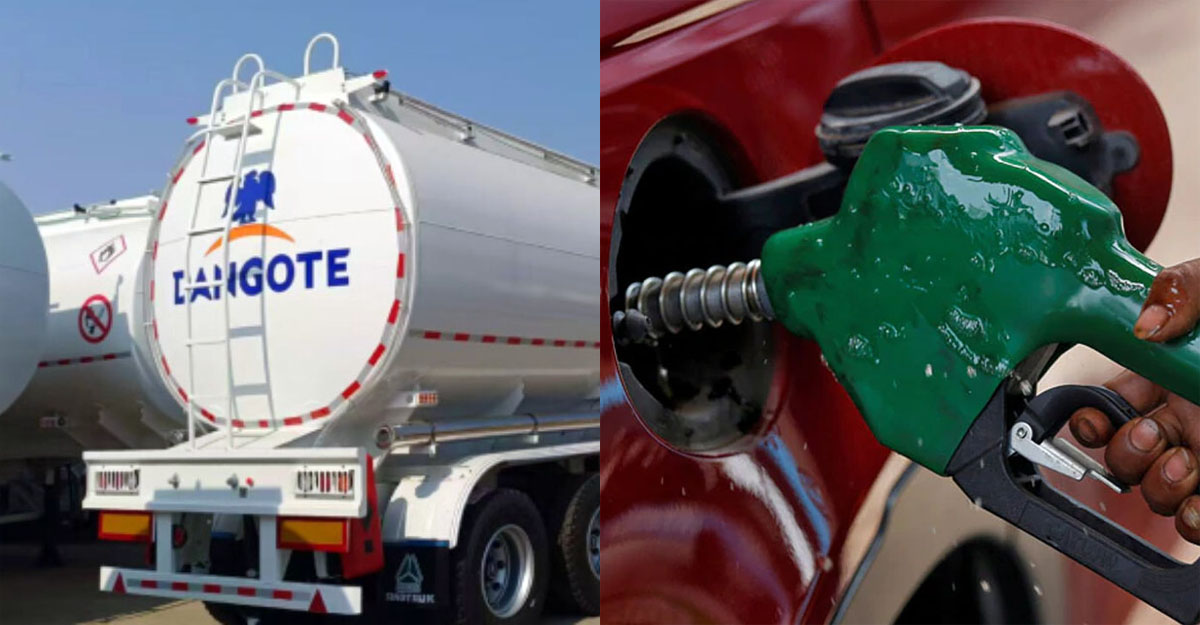
Petrol, Diesel Prices Drop as Dangote Cuts Ex-Depot Rates
Motorists and businesses may get some relief from fuel costs as Dangote Petroleum Refinery announced fresh reductions in the ex-depot prices of petrol and diesel, cutting the prices by N50 and N80 per litre respectively.
Under the new pricing regime, the refinery reduced the ex-depot price of Premium Motor Spirit (PMS), popularly known as petrol, from N1,215 to N1,165 per litre.
The price of Automotive Gas Oil (AGO), or diesel, was also reduced from N1,650 to N1,570 per litre.
The latest adjustment represents a 4.1 per cent reduction in the price of petrol and a 4.8 per cent cut in diesel.
The refinery said in a statement issued by the Dangote Group on Wednesday that the review was aimed at improving energy affordability, expanding access to locally refined petroleum products and supporting economic activities across the country.
The company said the new prices reflected its commitment to delivering affordable and quality petroleum products while maintaining a stable supply to the Nigerian market.
“Dangote Petroleum Refinery has announced a reduction in the ex-depot prices of Premium Motor Spirit (PMS) and Automotive Gas Oil (Diesel), reaffirming its commitment to providing affordable, high-quality petroleum products to the Nigerian market,” the statement said.
It added that the refinery would continue to leverage operational efficiencies and pass the resulting benefits to consumers whenever market conditions allowed.
The latest reduction comes less than two weeks after the refinery resumed naira-denominated petrol sales and raised its ex-depot price to N1,215 per litre following a brief shift to dollar-based transactions.
The earlier change had triggered concerns among petroleum marketers over rising downstream costs.
In July, the refinery had temporarily suspended petrol truck loading and introduced dollar-denominated sales, with petrol priced at $0.779 per litre under the new framework. It subsequently returned to naira transactions and fixed the ex-depot price at N1,215 per litre.
With the latest adjustment, the refinery has now reversed part of that increase, reducing the petrol price by N50 and diesel by N80.
However, the new figures are ex-depot prices and do not necessarily translate into an equivalent reduction in pump prices. The final price paid by motorists will depend on factors including transportation, depot charges, margins and other downstream costs.
Dangote said it remained committed to ensuring stable supplies while improving operational efficiency and supporting consumers, businesses and other stakeholders.
The refinery, which has a nameplate capacity of 650,000 barrels per day, has increasingly become a major source of locally refined petrol, diesel and other petroleum products as Nigeria seeks to reduce its dependence on imported refined fuels.
The company said its operations were contributing to Nigeria’s energy security by strengthening domestic refining capacity, reducing reliance on imports and supporting economic development.
It added that it would continue to pass on the benefits of improved operational efficiencies to consumers whenever market conditions permitted.
Auto
High Power Bills Force BUK to Halt Electric Vehicle Charging on Campus
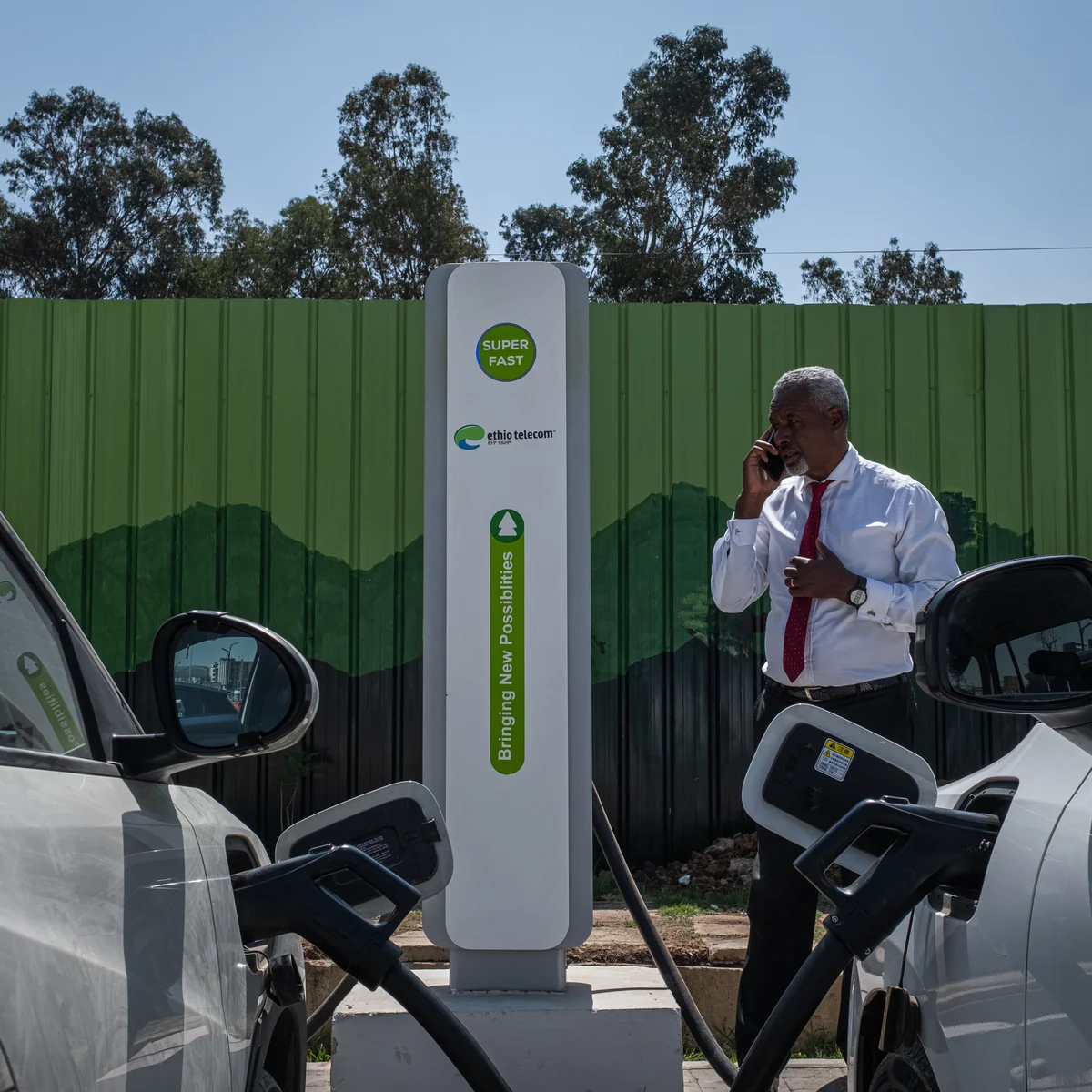
High Power Bills Force BUK to Halt Electric Vehicle Charging on Campus
Rising electricity costs have forced Bayero University, Kano, to ban the charging of privately owned electric motorcycles and other electric vehicles across its campuses.
The university said the growing practice of using its electricity supply to charge private electric vehicles had contributed significantly to a sharp increase in its power bills, creating an additional financial burden for the institution.
The directive, which takes immediate effect, was contained in a statement issued on Tuesday by the university’s Director of Public Affairs, Lamara Garba.
According to the statement, the management has observed the “indiscriminate charging” of privately owned electric motorcycles and other electric vehicles using the university’s electricity supply.
It said the development was no longer sustainable at a time when the institution was seeking to manage its resources prudently.
READ ALSO:
- Explosion kills ISWAP bombmakers, foreign IED experts in Borno
- Alleged Coup Mastermind Suggested Approaching Wike for Funding, Court Documents Show
- Adeleke challenges EFCC over freezing of Osun government account
“The Management of Bayero University, Kano has observed with concern the indiscriminate charging of privately owned electric motorcycles and other electric vehicles using the University’s electricity supply across its campuses.
“This practice has contributed significantly to the sharp increase in the University’s electricity bills, thereby placing an enormous financial burden on the institution,” the statement said.
The university consequently directed all staff, students, commercial motorcycle operators and other users of electric motorcycles to stop charging their vehicles with the institution’s electricity.
It warned that anyone who violated the directive would face disciplinary action in accordance with the university’s rules and regulations.
“Management expects full compliance with this directive. Any person found violating this ban will be liable to appropriate disciplinary action,” the statement added.
To enforce the ban, the university directed provosts, deans, directors, heads of departments and heads of units to monitor compliance in their respective areas and report any violations to the appropriate authorities.
It also announced that a monitoring team would conduct regular patrols across the campuses to ensure strict adherence to the directive.
The institution urged all affected persons to cooperate with the measure, saying it was part of broader efforts to reduce energy costs and promote the prudent use of university resources.
High Power Bills Force BUK to Halt Electric Vehicle Charging on Campus
-

 Sports3 days ago
Super Falcons Thrash Egypt 6-2, Book WAFCON Quarter-Final Date with Cameroon
-

 metro2 days ago
Former Finance Minister Kemi Adeosun Loses Husband, Niyi Adeosun
-
 metro2 days ago
Osun Govt Sues EFCC, First Bank for ₦2 Billion Over Unlawful Account Freeze
-

 metro3 days ago
Two Rifles, Live Ammunition Recovered as FCT Police Storm Bandits’ Hideout
-
 Politics2 days ago
Osun Election: ‘Prepare to Sign Your Uncle as Dancer’ — Uzodimma Fires Back at Davido
-

 metro2 days ago
Customs Intercepts 140 Pump-Action Rifles, Cannabis-Infused Products Worth ₦373.8 Million at Tin Can Port
-
 Politics2 days ago
Osun Account Freeze: Atiku Accuses Tinubu of Weaponising State Institutions Against Opposition
-

 metro2 days ago
Nigerian Army Places N60m Bounty on Wanted ISWAP Leaders
You must be logged in to post a comment Login