

Politics
Court grants INEC request to reconfigure BVAS

- Tinubu gets court order to inspect election materials
The Appeal Court in Abuja on Wednesday granted the request of the Independent National Electoral Commission (INEC) to reconfigure the Bimodal Voter Accreditation System (BVAS) used for the February 25 presidential election.
The panel also granted an application by the candidate of the All Progressives Congress (APC) and President-elect, Bola Tinubu, access to inspect sensitive materials used for the presidential election to enable him and the party defend the petitions filed against them.
A three-member panel of justices led by Justice Joseph Ikyegh ruled that the reconfiguration was to enable the commission to conduct the March 11 governorship and state assembly elections.
The ruling was in an application by the Labour Party (LP) presidential candidate, Peter Obi, seeking access to inspect and certify sensitive materials used for the conduct of the election.
The panel turned down the application to stop INEC from reconfiguring the BVAS.
The panel said INEC’s submission that the accreditation data from the 176,000 BVAS used for the election would be uploaded and stored in the backend of the server was not challenged or controverted by Obi and the LP and thus they were deemed admitted.






Politics
‘My History Is Traceable’: Atiku Fires Back at Tinubu Over University Funding
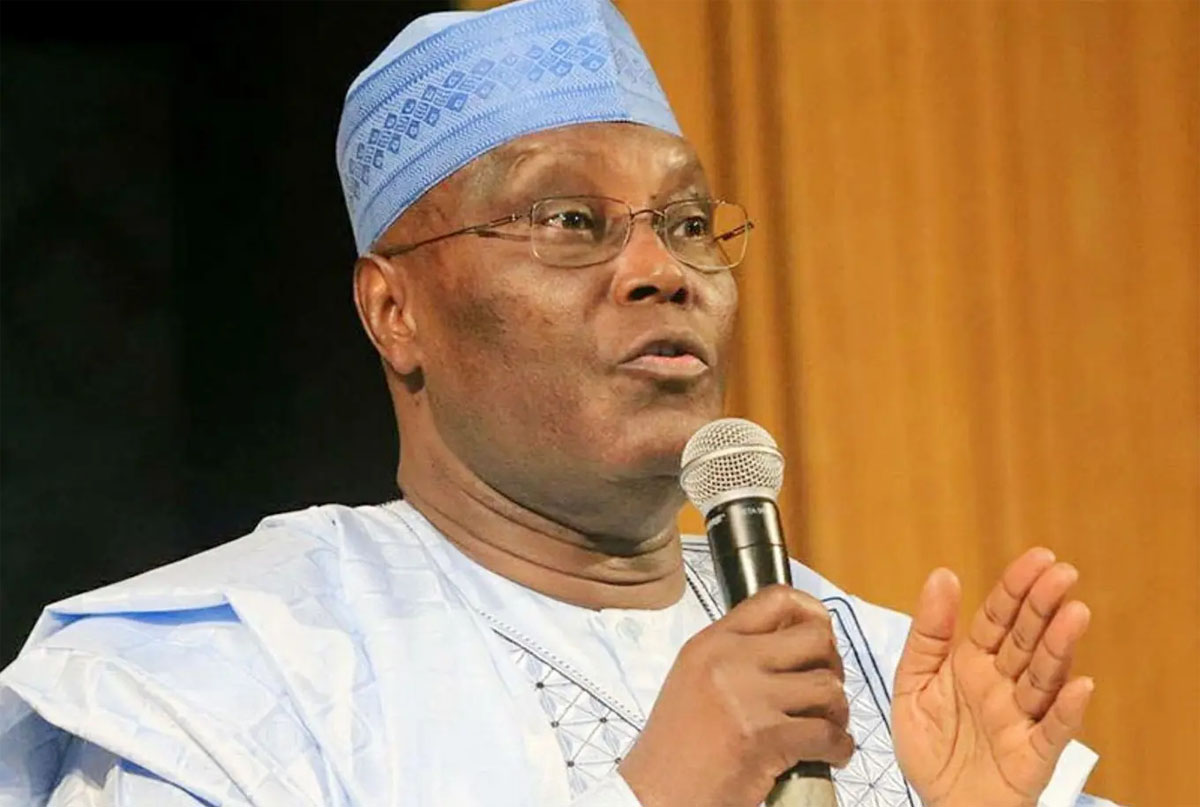
‘My History Is Traceable’: Atiku Fires Back at Tinubu Over University Funding
Former Vice-President Atiku Abubakar has fired back at President Bola Ahmed Tinubu over comments questioning how he financed the establishment of his university, insisting that his business and educational investment records are traceable.
Atiku, the presidential candidate of the African Democratic Congress (ADC), said his investment in education began long before he became vice-president, accusing Tinubu of attempting to divert public attention from the economic challenges facing Nigerians by questioning his business history.
The exchange followed Tinubu’s remarks at an All Progressives Congress (APC) campaign rally in Port Harcourt, Rivers State, on Saturday, November 7, 2026.
The President had challenged Atiku to explain how he established the American University of Nigeria (AUN) in Yola, Adamawa State, while serving as vice-president under former President Olusegun Obasanjo between 1999 and 2007.
Tinubu alleged that public resources were used to establish the institution, asking who financed the university and questioning Atiku’s moral integrity to seek the presidency.
In response, Atiku, through his Director of Strategic Communication, Phrank Shaibu, said his investment in education predated his entry into public office.
He maintained that he laid the foundation for ABTI Academy in 1993, arguing that the project later developed into the American University of Nigeria.
Atiku said: “The answer is simple: my investment in education predates my time in public service. In 1993, while a US court ordered the forfeiture of funds in an account in your name, describing them as proceeds of narcotics trafficking or funds involved in unlawful financial transactions, I was laying the foundation for ABTI Academy. That Academy has since grown into the American University of Nigeria.”
READ ALSO:
- Job Seeker Steals Bugatti CEO’s £2m Car After Finding Keys Inside
- Netanyahu Faces Political Setback as Israeli President Picks Rival to Form Government
- 2027: Tinubu Challenges Atiku to Explain How He Financed University
The former vice-president described his business history as open to scrutiny, declaring that he could explain how he built his businesses and entered public leadership.
“That moment captures the difference between us. My history is traceable. I can show Nigerians how I built my name, achieved success in business and entered public leadership,” he said.
Atiku also revived the controversy surrounding the forfeiture of $460,000 in the United States involving an account in Tinubu’s name in 1993, using the development to challenge the President’s criticism of his own financial history.
He accused Tinubu of focusing on his educational investment to avoid addressing questions about the performance of his administration.
The ADC candidate argued that the more important issue ahead of the 2027 presidential election should be how to address the country’s economic difficulties, including rising living costs, poverty, unemployment and insecurity.
Atiku also criticised the President’s position on the removal of the petrol subsidy, saying Nigerians were yet to experience the promised economic benefits of the policy.
He challenged Tinubu’s argument that the country could not return to subsidised petrol prices, promising that an Atiku-led government would introduce what he described as a transparent, production-based subsidy linked to local refining.
According to him, the proposed arrangement would reduce the cost of energy, including petrol and diesel, while ensuring that Nigerians benefit directly from the country’s refining capacity.
He also promised to expand social welfare programmes and address what he described as an opaque system for distributing funds meant for economically vulnerable citizens.
Atiku said his Affordable Life campaign was designed to provide an alternative to the economic policies of the Tinubu administration, insisting that criticism of his campaign would not stop him from pursuing his presidential ambition.
He further declared that he would remain on the ballot for the 2027 election, expressing confidence in his chances against the incumbent President.
However, the timeline surrounding the establishment of Atiku’s university has also become part of the controversy.
While Atiku says he laid the foundation for ABTI Academy in 1993, information published on the American University of Nigeria’s website, as reported by THISDAY, states that he first established ABTI Academy, now known as AUN Academy, in 2002.
The university was licensed as ABTI University in 2003, while construction of its buildings began in October 2004. Its first students were admitted in the 2005/2006 academic session.
The difference between Atiku’s claimed 1993 beginning of his education investment and the university’s published establishment timeline is therefore an important detail in the dispute.
Tinubu has not, in the reports cited, provided documentary evidence to substantiate his allegation that public resources were used to finance the university. Atiku, for his part, maintains that his investment in education began before he became vice-president.
The exchange has added to the growing political confrontation between the President and the ADC presidential candidate as political activities ahead of the 2027 general election intensify.
‘My History Is Traceable’: Atiku Fires Back at Tinubu Over University Funding
Politics
2027: Tinubu Challenges Atiku to Explain How He Financed University
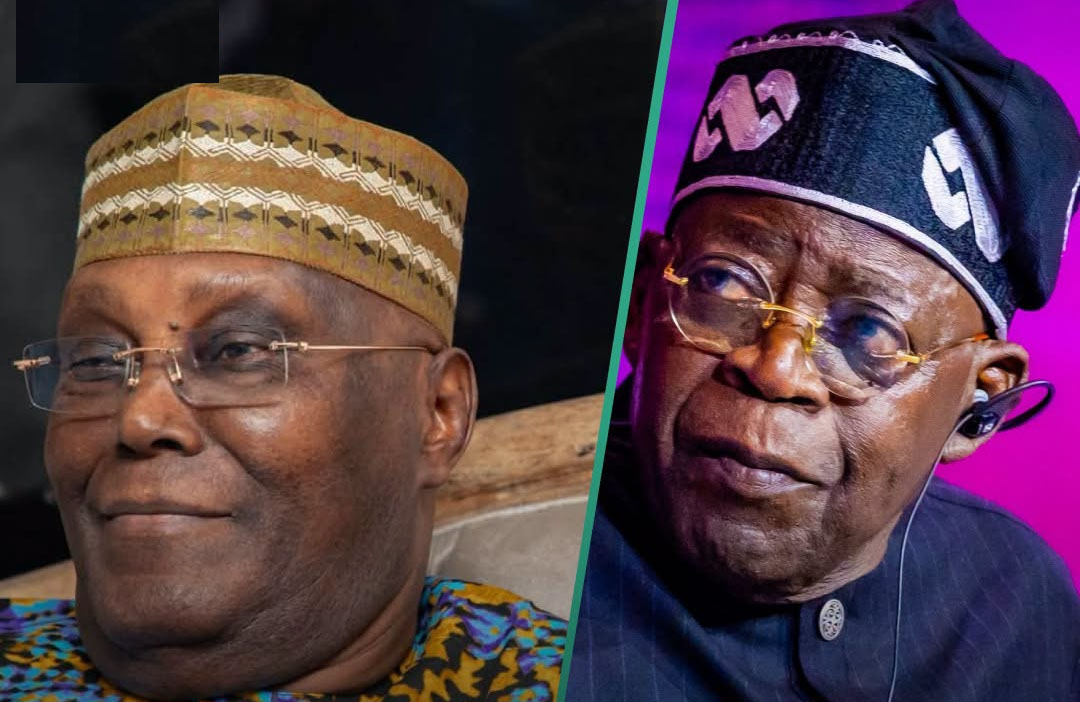
2027: Tinubu Challenges Atiku to Explain How He Financed University
President Bola Ahmed Tinubu has challenged former Vice-President Atiku Abubakar to explain how he financed the establishment of his university, alleging that public resources may have been used to build the institution while Atiku was serving in government.
Tinubu made the remarks on Saturday, November 7, 2026, at the All Progressives Congress (APC) presidential campaign rally held at the Adokiye Amiesimaka Stadium in Port Harcourt, Rivers State.
The President, who is seeking re-election in 2027, was responding to opposition criticism of his administration over the rising cost of living, hunger and economic hardship when he turned his attention to Atiku’s business and political record.
He accused the former vice-president of being part of the political leadership responsible for Nigeria’s economic difficulties and questioned how he established the American University of Nigeria (AUN) in Yola, Adamawa State, while serving under former President Olusegun Obasanjo between 1999 and 2007.
Tinubu told the rally that Nigerians should ask Atiku how he acquired the resources to establish the institution while holding public office and overseeing aspects of the country’s economy.
The President also questioned the former vice-president’s moral standing to criticise his administration, accusing him of lacking the integrity expected of someone seeking the nation’s highest political office.
Tinubu, however, did not present evidence at the rally to substantiate his allegation that public funds were used to finance the university.
Atiku responded to the President’s remarks later on Saturday, insisting that his investment in education began before he became vice-president.
READ ALSO:
- Afenifere Crisis: ‘There Is Only One Afenifere’, Secretary Insists Amid Breakup Allegations
- Illicit Donations: Adeboye Orders RCCG to Refund Billions Traced to Church Projects
- Woman Arrested Over Alleged Poisoning Of Co-Wife’s Children In Niger, One Dies
In a statement issued by his Director of Strategic Communication, Phrank Shaibu, the African Democratic Congress (ADC) presidential candidate said he laid the foundation for ABTI Academy in 1993, six years before becoming vice-president.
He argued that his business activities and investment in education predated his entry into public service, adding that his financial and business history could be scrutinised.
Atiku also turned the accusation against Tinubu, referring to the 1993 United States civil forfeiture case involving funds held in bank accounts in the President’s name.
He cited the case while arguing that his own investment in education had started long before the period Tinubu questioned.
Atiku accused the President of using attacks on his personal business history to divert attention from the economic difficulties facing Nigerians.
He also criticised the administration’s handling of the economy, alleging that its policies had worsened poverty, unemployment, insecurity and the cost of living.
The former vice-president further challenged Tinubu’s position on petrol subsidy, promising that an Atiku-led government would introduce what he described as a transparent, production-based subsidy tied to local refining.
He said the proposed arrangement would be designed to reduce energy costs, including the prices of petrol and diesel, while also pledging increased investment in social welfare programmes.
However, the timeline of the university’s establishment presents an important detail in the exchange.
According to the American University of Nigeria’s official history, Atiku first established ABTI Academy, now known as AUN Academy, in 2002. The university was licensed as ABTI University in 2003, construction began in October 2004, and its first students were admitted in the 2005/2006 academic session.
The university’s official account therefore places the formal establishment of ABTI Academy and the development of the university project within Atiku’s years as vice-president.
Atiku’s latest statement, however, distinguishes his claimed 1993 foundation of ABTI Academy from the later development of the institution into a university.
The university’s published history does not independently confirm the 1993 date cited by Atiku. The distinction between his claim about the beginning of his education investment and the institution’s documented establishment milestones is therefore central to the dispute.
The President’s allegation and Atiku’s response have reopened questions about the business records and public-service histories of the two political figures as the 2027 presidential campaign gathers momentum.
Atiku served as vice-president from 1999 to 2007 under Obasanjo and has remained a prominent figure in Nigeria’s opposition politics. He is seeking the presidency under the ADC, although a recent Federal High Court judgment has thrown his party’s leadership structure and presidential nomination into legal uncertainty. The ADC has rejected the ruling and indicated that it would challenge it.
The latest exchange between Tinubu and Atiku adds another dimension to the political contest, with both camps using questions about personal integrity, economic management and their records in public office to challenge each other’s credibility.
2027: Tinubu Challenges Atiku to Explain How He Financed University
Politics
How Buhari’s Promise Cost Me 2022 APC Presidential Ticket – Amaechi
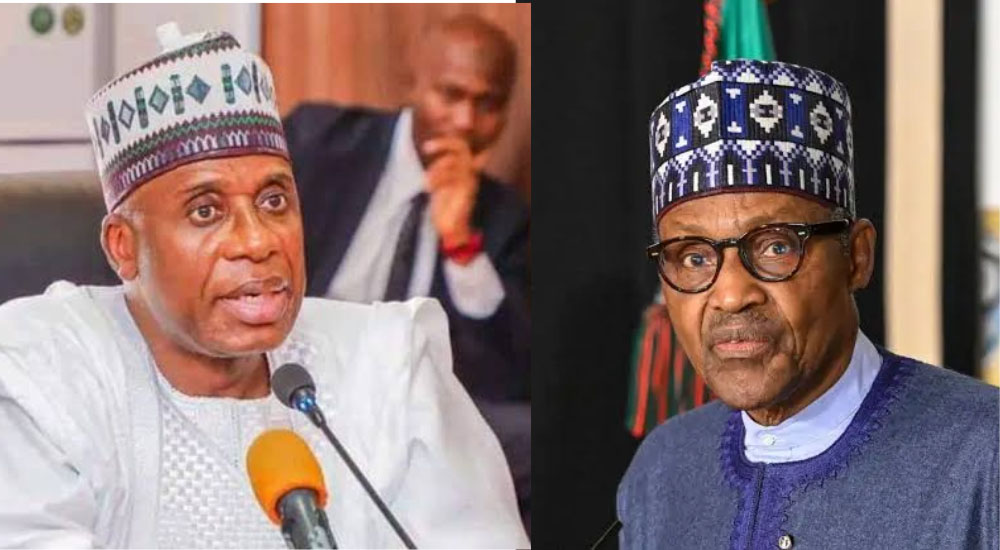
Former Minister of Transportation, Rotimi Amaechi, has blamed his defeat in the 2022 All Progressives Congress (APC) presidential primary on his decision to follow the advice of the late President Muhammadu Buhari, who allegedly promised to make him the party’s preferred candidate.
Amaechi said Buhari assured him that he would announce him as his preferred successor and instructed him not to campaign or engage in political negotiations ahead of the party’s presidential primary.
The former Rivers State governor disclosed this during an interview on Mainland 98.3FM’s The Situation Room programme in Lagos on Friday.
According to Amaechi, trusting Buhari’s assurance was the biggest mistake he made during the contest, as it prevented him from building the political alliances and securing the support of influential party stakeholders needed to win the ticket.
He said, “The first mistake that I made at that primary was that I listened to President Buhari. He said to me, ‘Don’t campaign. Don’t do anything. I will announce you as my candidate.’
“He told me that. He put it in writing. When I write my book, I’ll put it out.”
Amaechi explained that he obeyed Buhari because the former president was his boss and believed his endorsement would give him an advantage over other presidential aspirants.
He said his decision not to negotiate political positions with governors and other influential APC members weakened his chances, giving President Bola Tinubu an opportunity to build alliances ahead of the primary.
READ ALSO:
- Messi Breaks MLS Record, Becomes First Player To Win Back-to-Back Golden Boots
- Power Outage: Tegbe Gives Nigerians 72-Hour Timeline as FG Moves to Restore Electricity
- One Killed, Five Injured as Violence Disrupts Obi-Kwankwaso Rally in Delta
The ADC vice-presidential candidate admitted that he could have offered influential party figures political positions, including the vice-presidency and Secretary to the Government of the Federation (SGF), in exchange for their support.
“Now, I didn’t do deals. So I would have promised you vice-president, promised you SGF, and then would have gone for this primary, I would have possibly won. I would have had governors on my side.
“Because I didn’t do deals, Tinubu had the chance to do deals,” he said.
Amaechi also alleged that religious considerations played a role in Tinubu’s emergence as the APC presidential candidate in 2022.
He claimed that a delegation of Yoruba Muslims from the South-West approached governors in the North-West and appealed to them to support Tinubu on religious grounds.
According to him, the delegation argued that northern Muslims had supported southern Christian candidates in previous elections and should reciprocate by backing Tinubu, who is also a Muslim.
Amaechi further mentioned former Kaduna State Governor Nasir El-Rufai, whom he said initially supported his presidential ambition but later backed Tinubu.
“El-Rufai was my supporter. El-Rufai, in a viral video, said this is done for the faith,” he said.
However, Amaechi maintained that he would not exploit religious identity to mobilise political support, insisting that doing so could deepen divisions in the country.
He cited the Catholic community as an example, arguing that he would not approach the church to direct its members to vote for him simply because they shared the same religious identity.
“I wouldn’t want to run that kind of federation. Catholics are 35 million in Nigeria. I wouldn’t want to go to the Catholic Church and say, please announce me. Tell them that all Catholics must go out and vote Amaechi.
“It will cause confusion. It will cause problems in the country. That makes me a nationalist,” he said.
At the APC presidential primary held at Eagle Square, Abuja, on June 8, 2022, Tinubu defeated 13 other aspirants to secure the party’s ticket for the 2023 presidential election.
Tinubu polled 1,271 votes, while Amaechi finished second with 316 votes. Former Vice-President Yemi Osinbajo came third with 235 votes, while former Senate President Ahmad Lawan secured 152 votes.
Amaechi, who resigned as Minister of Transportation to pursue his presidential ambition, had previously served as Director-General of Buhari’s 2015 presidential campaign and was one of the prominent members of the former president’s administration.
He is now the running mate to former Vice-President Atiku Abubakar on the African Democratic Congress (ADC) platform ahead of the 2027 presidential election.
Amaechi said he intends to make public the alleged written assurance from Buhari when he publishes his memoir. He did not present the document during the interview.
How Buhari’s Promise Cost Me 2022 APC Presidential Ticket – Amaechi
-

 metro3 days ago
₦50,000 Relief Fund: FG Reveals Criteria for Selecting Beneficiaries
-
 News3 days ago
Sultan Honours MURIC Founder Ishaq Akintola for Decades of Religious Rights Advocacy
-

 News3 days ago
BREAKING: Court Sacks David Mark-Led ADC Exco, Nullifies Atiku’s 2027 Presidential Candidacy
-

 metro2 days ago
NNPCL Slashes Petrol Price By Up To ₦80, Sells At ₦1,325 Per Litre In Abuja
-

 Politics3 days ago
Trouble in ADC as Momodu, South-West Leaders Raise Alarm Over Atiku Campaign
-
 News2 days ago
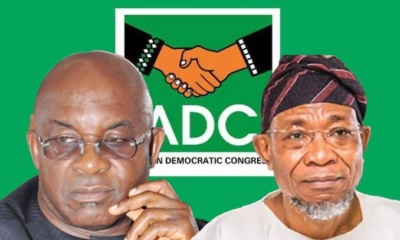
ADC Heads to Appeal, Insists Mark, Aregbesola Remain Party Leaders Despite Court Ruling
-

 Insurance3 days ago
Continental Reinsurance Strengthens IPO Appeal As Major Shareholder Commits To Five-Year Stake Retention
-

 News2 days ago
Tinubu’s Visit: One Feared Dead, Several Injured as APC Women’s Bus Collides With Security Vehicle in Uyo