

Business
FG considers suspension of NIN enrolment over COVID-19
- NDLEA suspends screening of new employees
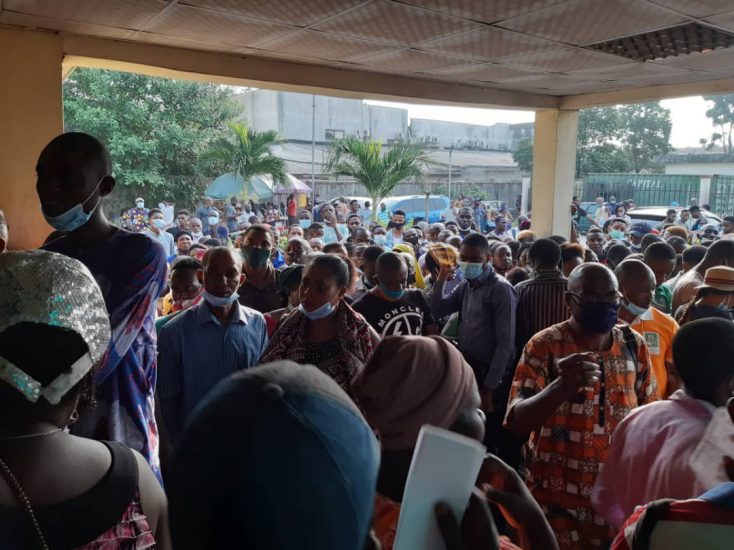
The Federal Government may suspend the ongoing enrolment for National Identification Number (NIN) in view of the surging crowds at the National Identity Management Commission (NIMC) offices in Lagos, Abuja and other cities across the country.
Government says the decision may be necessary to protect many Nigerians from contracting COVID-19.
Already, the National Drug Law Enforcement Agency (NDLEA) has suspended the screening of applicants for recruitment due to the second wave of the COVID-19 pandemic.
The NIN registration resumed nationwide on Monday after NIMC workers suspended the strike they commenced on Thursday over poor welfare package, lack of tools and risk of exposure to COVID-19.
Minister of State for Health, Dr Olorunnimbe Mamora, said on a TV programme Monday that the ongoing NIN enrolment could be suspended over COVID-19 risks.
He also urged the NIMC to reorder the enrolment process to avoid large crowds at its centres nationwide.
The minister, who is also a member of the Presidential Task Force (PTF) on COVID-19, said the government had a duty to protect Nigerians.
“I don’t feel good looking at the picture where people are gathered in multitude; it’s like a super-spreader event, which we don’t like. But I’m also aware that the relevant ministry, which is the communications and digital economy, is looking at this.
“My understanding is that the whole process may be suspended so as to reorder the whole process in terms of management of the crowd because it was never intended that it would become a rowdy process like that.
“We have a duty as government to ensure that people are protected; we also have a duty to ensure people comply within the limit of what is good for the society at large,” he added.
The Nigerian Communication Commission (NCC) had ordered telecommunications companies to block all telephone lines of subscribers not linked to their NINs.
It also gave subscribers with NINs till January 19 to link their NINs with their SIM cards while subscribers without NINs have February 9 deadline.
Meanwhile, scare over the pandemic has prompted the NDLEA to suspend the ongoing screening of applicants for recruitment.
NDLEA’s spokesman, Deputy Commander of Narcotics, Jonah Achema, in a statement issued in Abuja, said the screening suspension was based on strict compliance with the directive of the Attorney-General of the Federation and Minister of Justice, Mallam Abubakar Malami (SAN).
The NDLEA had on January 8 released the list of shortlisted candidates and directed the candidates, numbering 5,000, to appear at the agency’s academy in Jos for screening and documentation between January 10 and January 23.
But Achema said the minister had ordered the suspension of the exercise given the current alarming second wave of the COVID-19 pandemic in the country.
“The agency is prepared to seek advice from the Presidential Task Force on COVID-19 on the public health implications of such an exercise, especially as it relates to the adequacy and possibility of strict adherence to COVID-19 protocols.
“The screening team had been directed to suspend all actions and return to the national headquarters, Abuja, immediately for further briefing.
“There shall be no prejudice against any candidate that turned up for the screening or that failed to do so,’’ he said.








Business
Nigerians Pay N44 Extra Per Litre as Retailers Defy Falling Depot Prices – Full Report

Auto
Abuja Roars to Life as Jetour X50 Headlines Three-Day Motoring Experience
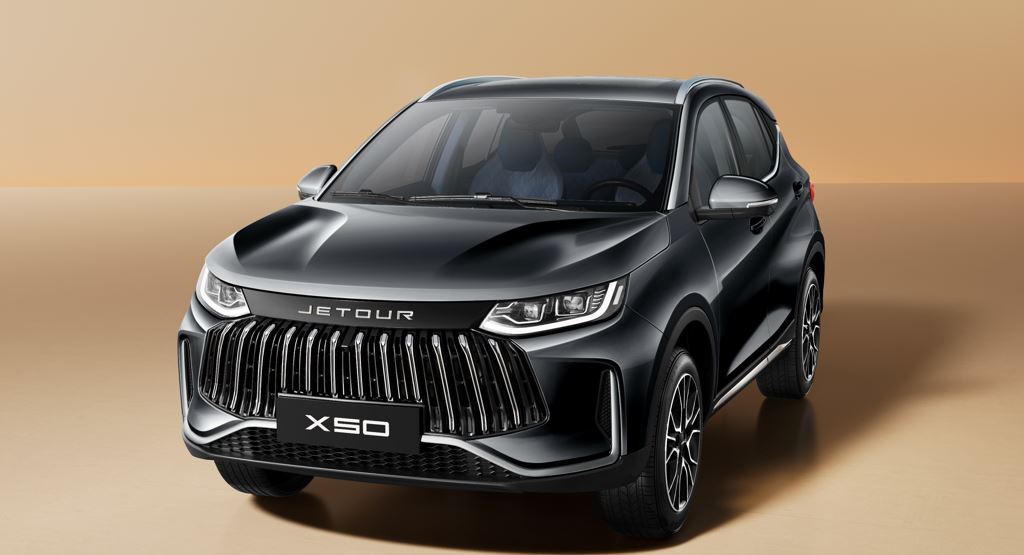
Abuja Roars to Life as Jetour X50 Headlines Three-Day Motoring Experience
Abuja is gearing up for a major motoring spectacle as Jetour Nigeria brings its fast-growing brand experience to the Federal Capital Territory, with the stylish Jetour X50 set to take centre stage in a three-day showcase of performance, technology and automotive innovation.
Scheduled for September 22 to 24, 2026, the Jetour Experience Abuja will move beyond the conventional vehicle exhibition, giving motorists and prospective buyers the opportunity to test-drive the X50, interact with automotive specialists and experience a range of entertainment and interactive activities.
The Abuja activation follows the strong reception recorded during Jetour Nigeria’s recent Lagos experience and forms part of the automaker’s strategy to deepen customer engagement while expanding its footprint across Nigeria.
Backed by an expanding authorised dealer network comprising Elizade Nigeria Limited, Mandilas Autos, Germaine Auto Centre, Kojo Motors, R.T. Briscoe, Tab Autos and New Era AutoVehicle Services, Jetour is also strengthening access to vehicle sales, after-sales support, genuine spare parts and certified technical services nationwide.
At the heart of the Abuja experience will be the Jetour X50, a compact SUV designed to combine contemporary styling, performance and a technology-rich driving environment.
Powered by a 1.5-litre turbocharged engine paired with a dual-clutch transmission, the X50 has positioned itself as a strong contender in Nigeria’s competitive compact SUV segment.
Jetour has equipped the model with a range of premium features, including a 360-degree camera, Blind Spot Detection, 10.5-inch infotainment system with Apple CarPlay and Android Auto, wireless charging and leather upholstery.
The combination of technology, comfort and performance is part of Jetour’s strategy of offering premium motoring features at competitive price points.
The Abuja event also highlights Jetour’s aggressive expansion strategy in Nigeria, following the brand’s recognition with industry accolades including Fastest Growing Auto Brand and Auto Brand of the Year.
With its expanding dealer network providing nationwide sales and after-sales support, Jetour is seeking to deepen customer engagement while making its vehicles and ownership services more accessible to motorists across the country.
As Abuja prepares to welcome the Jetour Experience, the three-day activation is expected to provide motorists with an opportunity to see, feel and drive the X50 while experiencing first-hand what is driving the brand’s growing appeal in Nigeria.
Business
Dangote Refinery Sets ₦525 Per Share for Landmark IPO
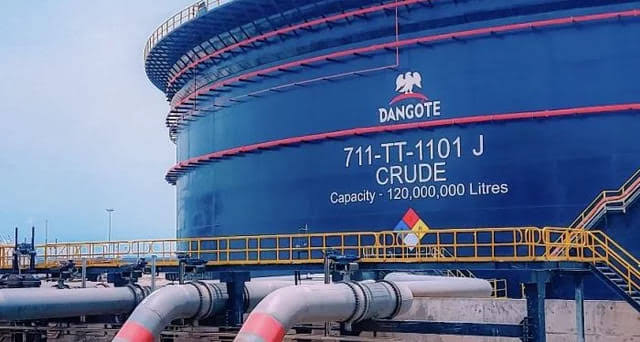
For ₦5,250, Nigerians could soon own a piece of the refinery that has reshaped the country’s fuel market.
-

 Politics3 days ago
Peter Obi, Others Challenging Tinubu Cannot Transform Nigeria — Datti Baba-Ahmed
-

 Auto2 days ago
Kaduna to Lead Govt Patronage of Local Vehicles as Sani Unveils Peugeot 5008
-

 metro1 day ago
El-Rufai Demands ₦10bn from Defence Minister Over Southern Kaduna Killings Allegation
-

 metro2 days ago
Socialite Igho ‘Tiny’ Ubiribo Dies After Penis Enlargement Surgery
-

 metro1 day ago
Catholic priest leaves priesthood, weds Kenyan woman after 12 years in Kenya
-

 Politics3 days ago
Demystifying the Political Monolith: Wike’s ‘See Finish’ Doctrine and Nigeria’s New Political Calculus
-

 metro1 day ago
No US Case Against Tinubu, Family Enjoy Unimpeded Transit for UNGA — Ambassador Ibrahim
-

 metro2 days ago
Three Women Killed, 10 Injured in Multiple Crash on Lagos-Ibadan Expressway Bridge
You must be logged in to post a comment Login