Naira in massive fall at parallel market, exchanges for N1,400 per dollar - Newstrends
Connect with us

Business

Naira in massive fall at parallel market, exchanges for N1,400 per dollar

Published

on

Dollar to Naira Exchange Rate Today: Naira Holds Steady as Fuel Importer Demand Mounts

Naira in massive fall at parallel market, exchanges for N1,400 per dollar

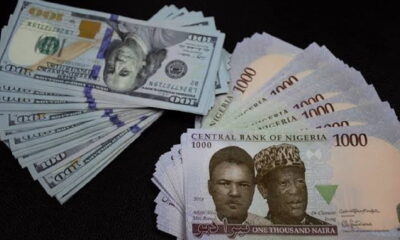
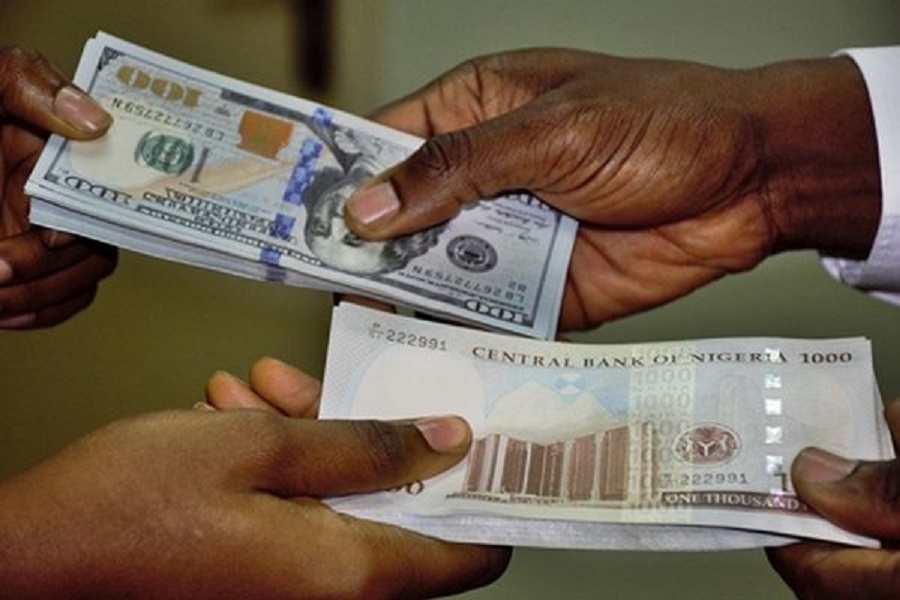
The naira fell to a record low of N1,400 per dollar at the parallel market on Thursday despite recent efforts by the Central Bank of Nigeria to save the national currency.

With continued dollar scarcity plaguing the country, Bureau de Change Operators confirmed that the naira touched new depths in the foreign exchange market.

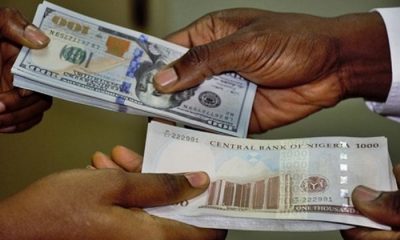
A BDC operator at Sheraton Hotel, Abuja, Usman Ibrahim, said, “For today, one dollar is N1,400 but if you don’t buy it today, I cannot assure you of the same price tomorrow. I also buy at N1,390 to a dollar.”

Another operator, Abubakar Taura confirmed that the naira depreciated further to N1,400 to a dollar.

He stated, “As of today, the dollar has gone up. It now sells for N1400/$.”

READ ALSO:

According to the BDC operators, there is currently uncertainty as regards the price of the naira against the dollar due to high demand.

On the official Investor and Exporter window, the naira depreciated by 2.12 per cent to N900.96/$ from the N882.24/$ it closed on Wednesday. Transactions opened at N929.18/$, rose to a high of N1,399/$, and recorded a low of N789/$. Total FX turnover was $115.19m, a 103.52 per cent increase from the $56.60m that was recorded on Wednesday.

The national currency didn’t do better on the cryptocurrency peer-to-peer market where it rose to a high of N1,400/$ too. As of the time of filing this report, the naira was trading on Binance’s P2P platform for N1,395.8/$.

According to Chainalysis, a blockchain firm, Nigeria has one of the largest peer-to-peer exchange volumes in the world.

The naira’s fall has persisted despite the best efforts of the CBN to save it, piling more pressure on the economy and the average Nigerian. Recently, the apex bank announced it has paid $2bn as part of FX backlogs, also the Federal Government through the Nigerian National Petroleum Company Limited got a $2.25bn oil-for-cash loan facility from the African Export-Import Bank to boost FX liquidity.

All these are yet to be reflected in the market. Commenting on the exchange rate recently, the CBN’s governor, Olayemi Cardoso, stated that there was an expectation that the foreign exchange market would stabilise in 2024.

He hinged this expectation on the reduction in petroleum product imports and the recent implementation of a market-determined exchange rate policy by the apex bank.

He also said the naira was currently undervalued.

READ ALSO:

Announcing other moves by the bank at the launch of the Nigerian Economic Summit Group 2024 Macroeconomic Outlook Report, the governor said, “I am pleased to note our collaboration with the Ministry of Finance and the NNPCL to ensure that all FX inflows are returned to the Central Bank.

“This coordinated effort will greatly enhance the bank’s FX flows and contribute to the accretion of reserves.” He added that the bank is implementing a comprehensive strategy to improve liquidity in the FX markets. Cardoso expressed the belief that the national currency is currently undervalued and, “coupled with coordinated measures on the fiscal side, we will expedite genuine price discovery in the near term.”

According to the International Monetary Fund, the volatility of the exchange rate can be linked to excess naira in circulation. Nigeria’s Country Representative, International Monetary Fund, Dr. Christian Ebeke, recently said, “This is because if you look at naira pressures, you can decompose them into three main categories. One is the fact that you have excess naira in the market.

“The second one is structural; the market is new. These reforms are bold, the government needed a lot of courage to let the naira depreciate like that in a country where the naira has been quite stable for a while.

“The market is still new. It is still in its price discovery mode. Market participants are still learning how to transact in an orderly fashion. These structural factors affect the naira because the market is new, it is a little bit shallow is also responsible for volatility in the market.

“Then, there is also uncertainty in the market. I am not sure that the parallel rate is the ultimate rate. At some point, we may think about a fair naira rate that is probably between what we see in the parallel market and the official market. But it is very difficult while you are still in the transition phase to talk about what is a fair value and what we are seeing.”

Recently, the Group Managing Director of Cowry Asset Management Limited, Johnson Chukwu, projected that the naira might depreciate to N1,500/$ in 2024.

He said, “The worst case scenario is that the naira could worsen to N1,500 against the dollar.”

Naira in massive fall at parallel market, exchanges for N1,400 per dollar

(PUNCH)

Loading

Auto

Hyundai Unveils Mufasa, Grand Creta SUVs to Strengthen Nigeria Line-up (Updated)

Published

on

Hyundai Unveils Mufasa, Grand Creta SUVs to Strengthen Nigeria Line-up (Updated)


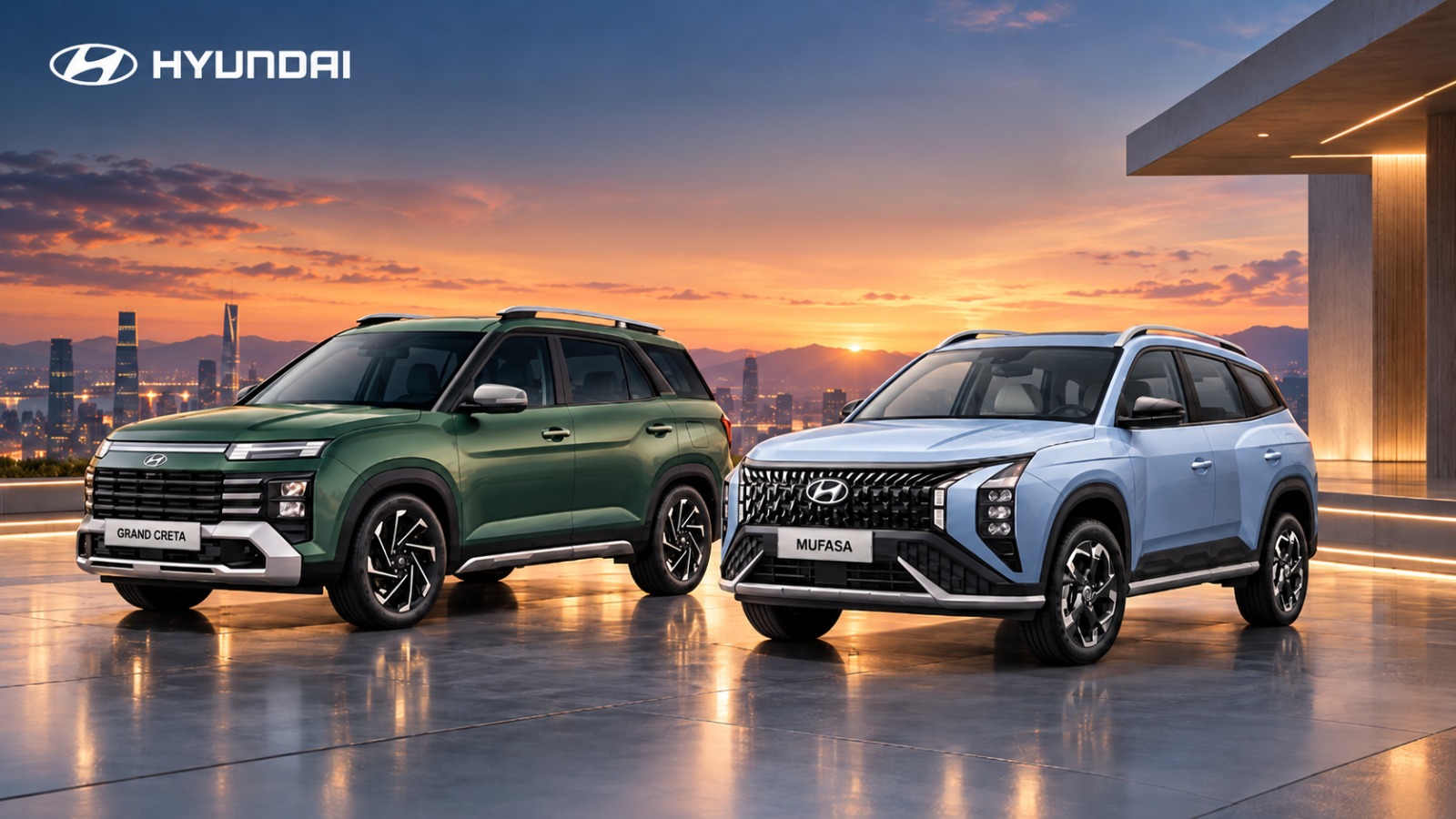
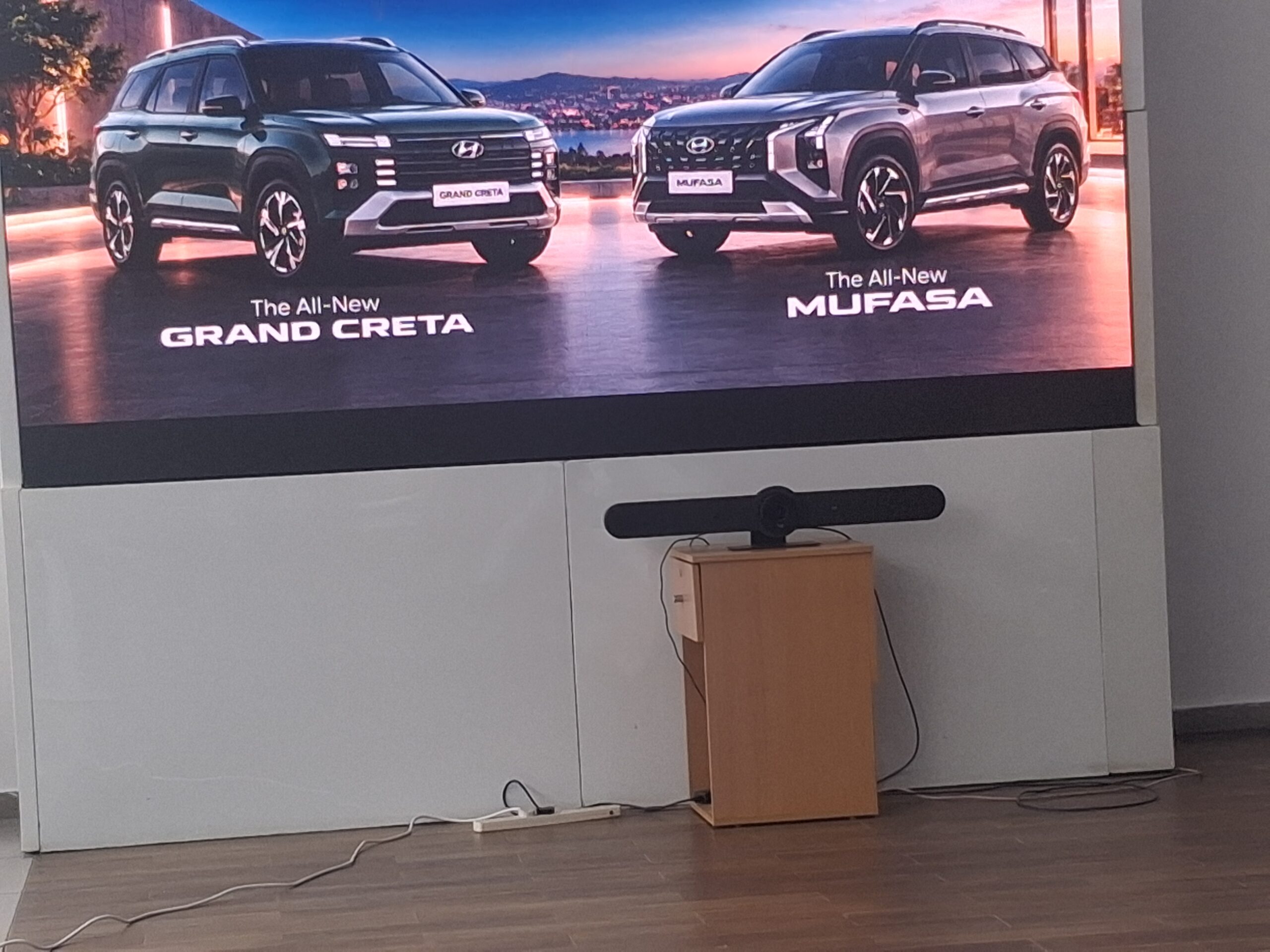
Hyundai Motors Nigeria has expanded its sport utility vehicle (SUV) range with the introduction of the all-new Mufasa and Grand Creta, offering Nigerian motorists more choices in styling, performance, technology and passenger comfort.

The two models, unveiled in Lagos on Wednesday, are targeted at different customer segments, with the Mufasa designed for motorists seeking a stylish, five-seater SUV, while the Grand Creta offers a three-row, seven-seater configuration suited to larger families and customers requiring additional passenger space.

The launch underscores Hyundai’s efforts to strengthen its presence in Nigeria’s competitive automotive market, where demand for versatile vehicles that combine comfort, safety, performance and practicality continues to shape consumer preferences.

Speaking at the launch, Hyundai Motors Nigeria’s General Manager, Sales and Marketing, Mr Gaurav Vashisht, said the new models reflected the company’s commitment to providing vehicles that meet the changing needs of Nigerian customers.

“The SUV segment continues to attract strong interest in Nigeria, as customers increasingly prioritise comfort, safety, technology and versatility,” Vashisht said.

He also gave a rundown of the two new vehicles’ features even as he stated that the Mufasa and Grand Creta were designed to meet different lifestyle requirements while maintaining Hyundai’s global standards of quality and innovation.


Mufasa targets style-conscious motorists

The Hyundai Mufasa combines bold exterior styling with a spacious cabin and features designed for everyday driving. Its distinctive front grille, signature LED lighting and muscular bodywork give it a commanding road presence.

Power comes from a 2.0-litre Smartstream multipoint fuel injection (MPi) petrol engine paired with a six-speed automatic transmission. Depending on the market specification, the engine produces approximately 150–160 horsepower and 193Nm of torque.

The five-seater SUV measures about 4,475mm in length, with a 2,680mm wheelbase, providing room for passengers and luggage while retaining a practical footprint for urban driving and longer journeys.

Its cabin features a modern dashboard, digital displays and storage spaces, while available equipment, depending on the variant, includes touchscreen infotainment, smartphone connectivity, automatic climate control, wireless charging and selectable driving modes.

Safety and driver-support features include anti-lock braking, electronic stability control, airbags and parking assistance, subject to the vehicle specification.

The Mufasa is positioned as an option for professionals, younger motorists and families seeking a combination of contemporary design, technology and everyday usability.


Grand Creta offers seven-seat flexibility

The Grand Creta complements the Mufasa with a larger cabin and seating for up to seven occupants, making it suitable for families and motorists who prioritise passenger capacity and interior flexibility.

The SUV is powered by an available 2.0-litre Smartstream petrol engine producing approximately 159 horsepower and 191Nm of torque. A six-speed automatic transmission is offered on automatic variant.

Its 2,760mm wheelbase supports a spacious three-row layout, while the flexible seating arrangement allows occupants to adjust the cabin to accommodate passengers or luggage.

Depending on the trim, convenience features include an eight-inch touchscreen infotainment system with smartphone connectivity, rear air-conditioning vents, keyless entry, push-button start and a digital instrument cluster.

Higher-specification versions may also feature leather-appointed seats, ventilated front seats, automatic climate control, wireless charging and a panoramic sunroof.

Safety equipment offered across the range includes six airbags, anti-lock braking, electronic stability control, hill-start assist, rear parking sensors, a rear-view camera and ISOFIX child-seat mounting points.

The model is aimed particularly at larger families seeking additional space and comfort without sacrificing the styling and versatility associated with SUVs.


After-sales support in focus

Beyond the new models, Hyundai Motors Nigeria says it is focused on delivering a comprehensive ownership experience through its authorised dealership network, after-sales services and access to genuine spare parts.

Vashisht said the Mufasa would appeal to customers seeking bold styling, modern technology and dynamic performance, while the Grand Creta would cater to those requiring greater passenger capacity, comfort and versatility.

“Our objective is not simply to introduce new vehicles but to deliver a complete ownership experience,” he said, reaffirming the company’s commitment to building long-term customer confidence in the Hyundai brand.

The two additions expand Hyundai’s existing SUV portfolio, which includes the Creta, Tucson, Santa Fe and Palisade.

Their introduction comes as automakers compete to attract Nigerian buyers with vehicles offering a balance of comfort, safety, technology, performance and long-term ownership value.

With the Mufasa and Grand Creta, Hyundai is seeking to broaden its appeal across different customer categories while strengthening its position in Nigeria’s increasingly competitive SUV market.

Loading

Continue Reading

Auto

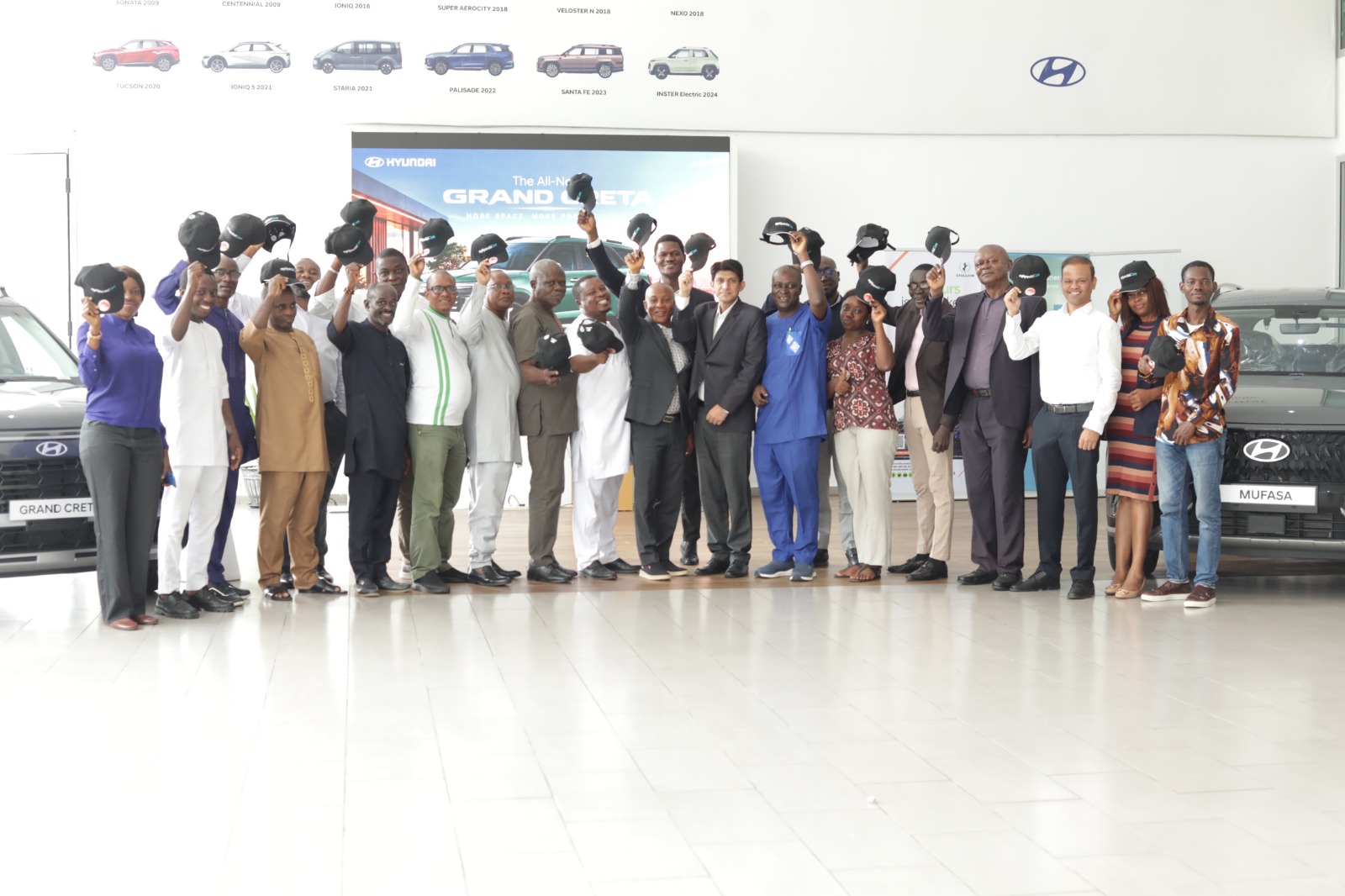
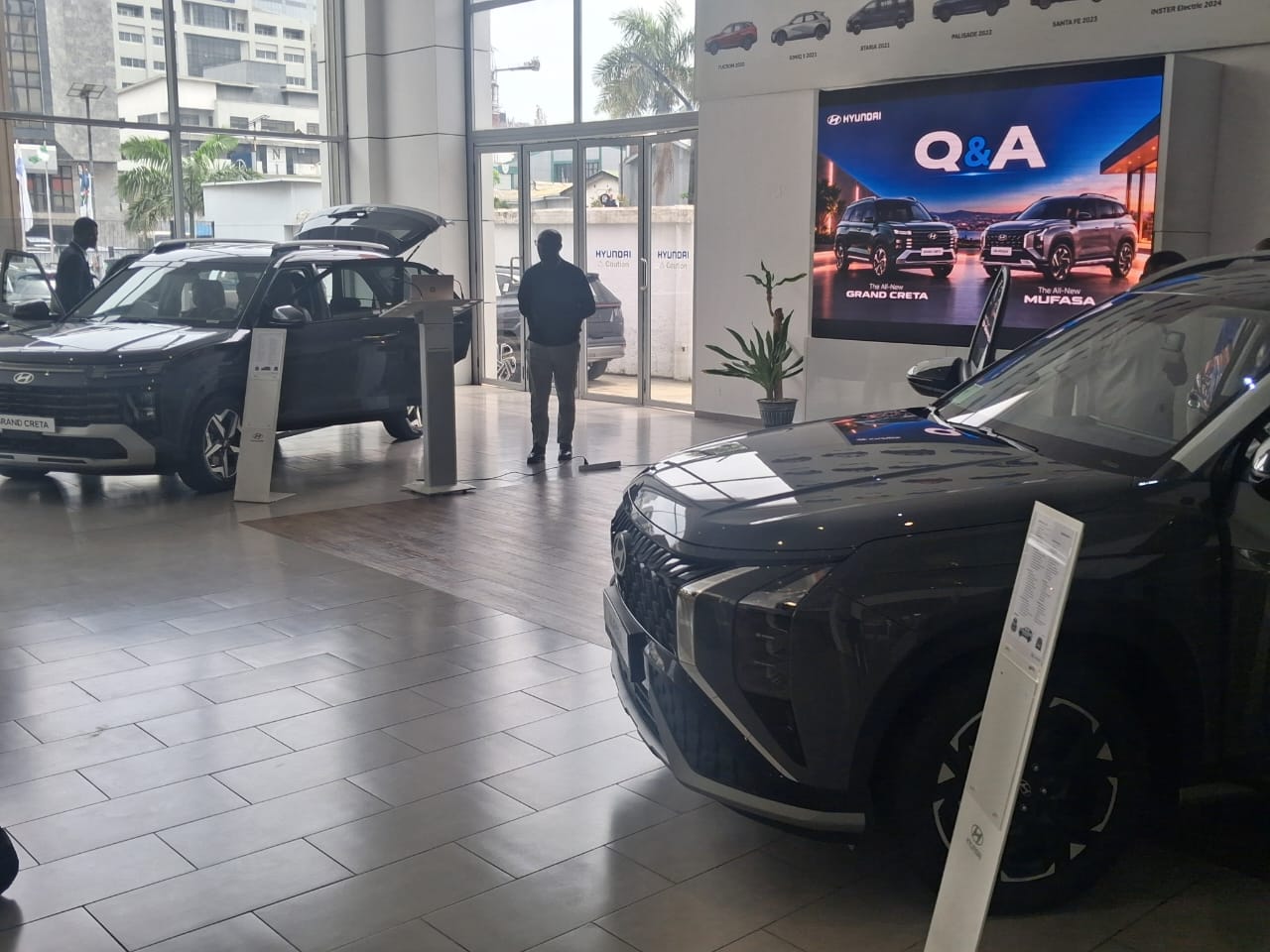
Happening now: Hyundai unveiling of Mufasa and Grand Creta

Published

on

Happening now: Hyundai unveiling of Mufasa and Grand Creta (photos)

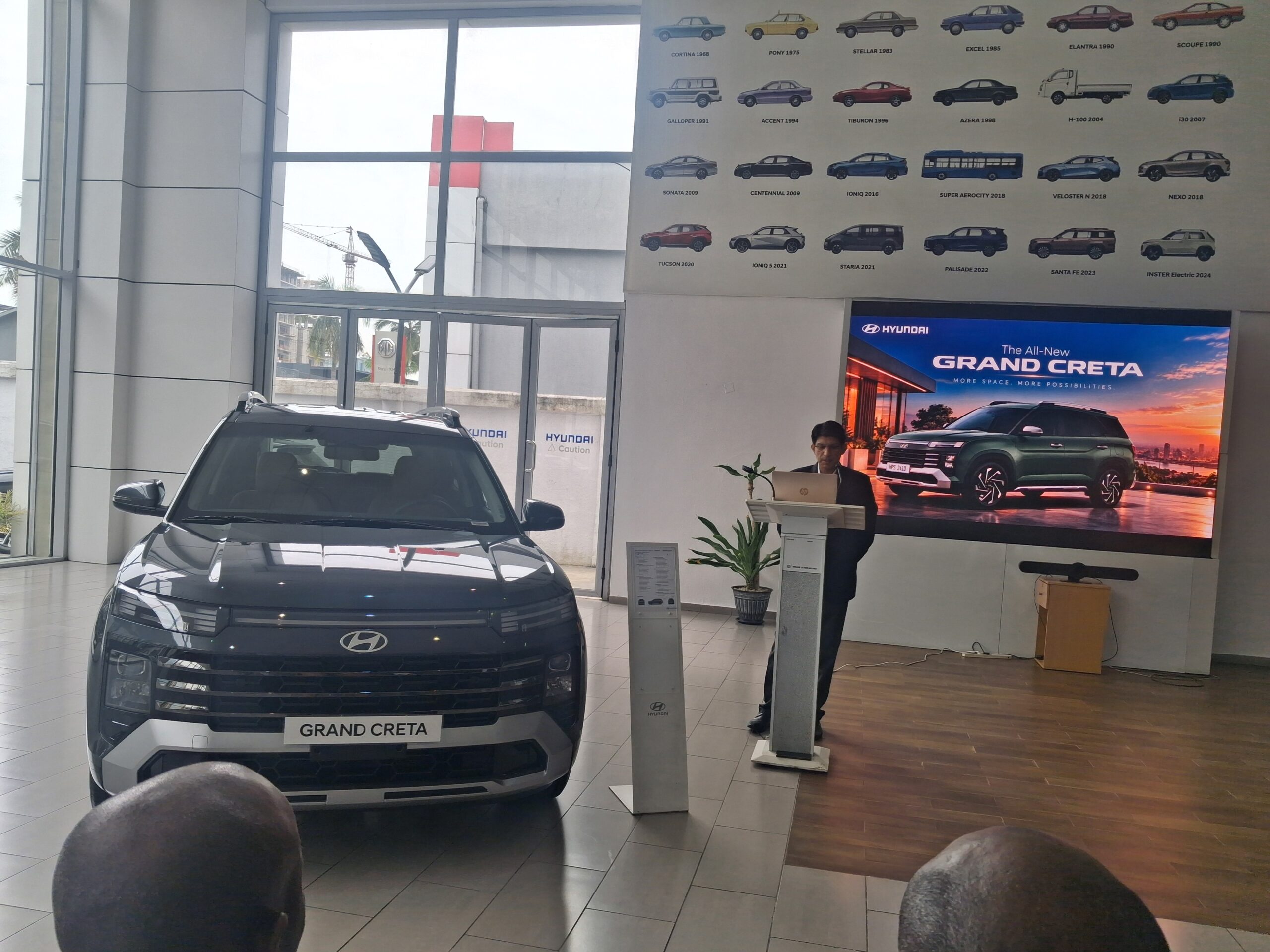
Two latest models of Hyundai auto brands are currently being officially rolled out in Lagos. The new vehicles are Mufasa and Grand Creta.

The unveiling is taking place at the Hyundai showroom on Akin Adesola Street Victoria Island, Lagos.

Loading

Continue Reading

Auto

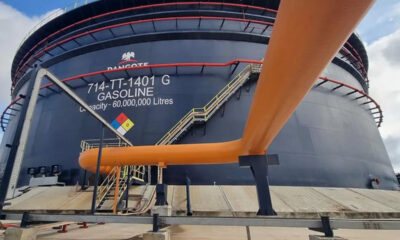
No 5% Petrol Tax Plan, Oyedele Says, Amid Public Concerns

Published

on

No 5% Petrol Tax Plan, Oyedele Says, Amid Public Concerns


The Federal Government has no plan to introduce a new tax on petrol, Minister of Finance and Coordinating Minister of the Economy, Taiwo Oyedele, has said, dismissing reports that the administration of President Bola Tinubu intends to impose a five per cent levy on petroleum products.

Oyedele clarified the issue in a statement posted on his X account on Tuesday, insisting that a fuel tax was not being considered by the government.

“In my interview with ARISE News, I was clear: a fuel tax is not on the table,” he said.

His statement follows reports linking him to the proposed five per cent tax, which sparked concerns about a possible increase in the cost of petrol amid Nigeria’s persistent cost-of-living crisis.

Petrol prices have remained a major driver of transportation and distribution costs since the removal of the fuel subsidy, contributing to higher prices of food and other essential goods and services.

The prospect of an additional levy had raised fears that households and businesses could face further financial pressure.

However, Oyedele’s clarification indicates that the Federal Government is not currently considering the proposed fuel tax, amid broader efforts to reform Nigeria’s tax system and strengthen public finances.

Loading

Continue Reading

Trending