

Auto
Mercedes reduces fuel-engine lineup, prepares for e-vehicle revolution

As Mercedes-Benz steadily launches electric vehicles, it has announced plans to reduce its fossil-fuel package and thin out its lineup in order to make car-buying experience less confusing.
Seven Mercedes models are reportedly on the cutting floor, including coupe and convertible variants of the S-Class, C-Class, E-Class, as well as the CLS coupe and a GT performance model.
Mercedes says the house cleaning should simplify the ordering process for dealers and customers, and streamline the supply chain.
It also expects this to reduce costs for dealers and be able to give customers what they want without waiting on an order that can be second-guessed.
“Distinction is the mark of luxury, and a car specially ordered by a customer can carry more prestige, and a higher price,” says an Autocar report.
Auto analysts note that as a brand that prides itself on technical innovation, it is only natural that it will be in the first wave of premium electric cars.
But it is said to have been playing catch-up. For instance, BMW pipped it to it with Project i back in 2013, which sired the BMW i3 and i8.
But now Mercedes is hitting back with the EQC, its first fully electric production car and a rival to the Jaguar i-Pace and Audi E-Tron.
It is also following up with the EQA and EQB SUVs, EQS limo, EQV minivan and EQE exec saloon, all preparing to launch in the next 24 months, according to carmagazine.com.
Mercedes-Benz says the redesigned 2021 S-Class flagship sedan will lead the winnowing down by cutting the nine available packages into three “Lines” when it goes on sale this spring.
According to the firm, two models will be available at the launch, distinguished by engine size, as is the German way: A base S 500 4Matic uses a 429-hp 3.0-litre turbo-6 with a mild-hybrid system; an S 580 4Matic has a 469-hp twin-turbo V-8.
Both models come with the mild-hybrid system and all-wheel drive, as denoted by 4Matic. If history presages the future, then AMG models will follow.
Mercedes offers the 2020 S-Class in six models, including S 450, S 450 4Matic, S 560, S560 4Matic, S 560e, and AMG S 63.
This is one of the brand’s simpler lineups, and the sedan could also be had in one of two coupe versions.
The crossover SUV lineup that has proliferated in recent years has also grown more complicated, especially with the designation of “Coupe” to four-door SUVs.
According to the Mercedes-Benz consumer website, the brand sells nine crossover SUVs, six sedans and wagons, seven coupes, six convertibles and roadsters, and a hybrid.
Each of these vehicles is offered in at least four “models,” ranging from all-wheel-drive variants to AMG performance models.




Auto
FRSC hands over Safeline Bank to ROBOPAY, targets digital financial transformation
FRSC hands over Safeline Bank to ROBOPAY, targets digital financial transformation
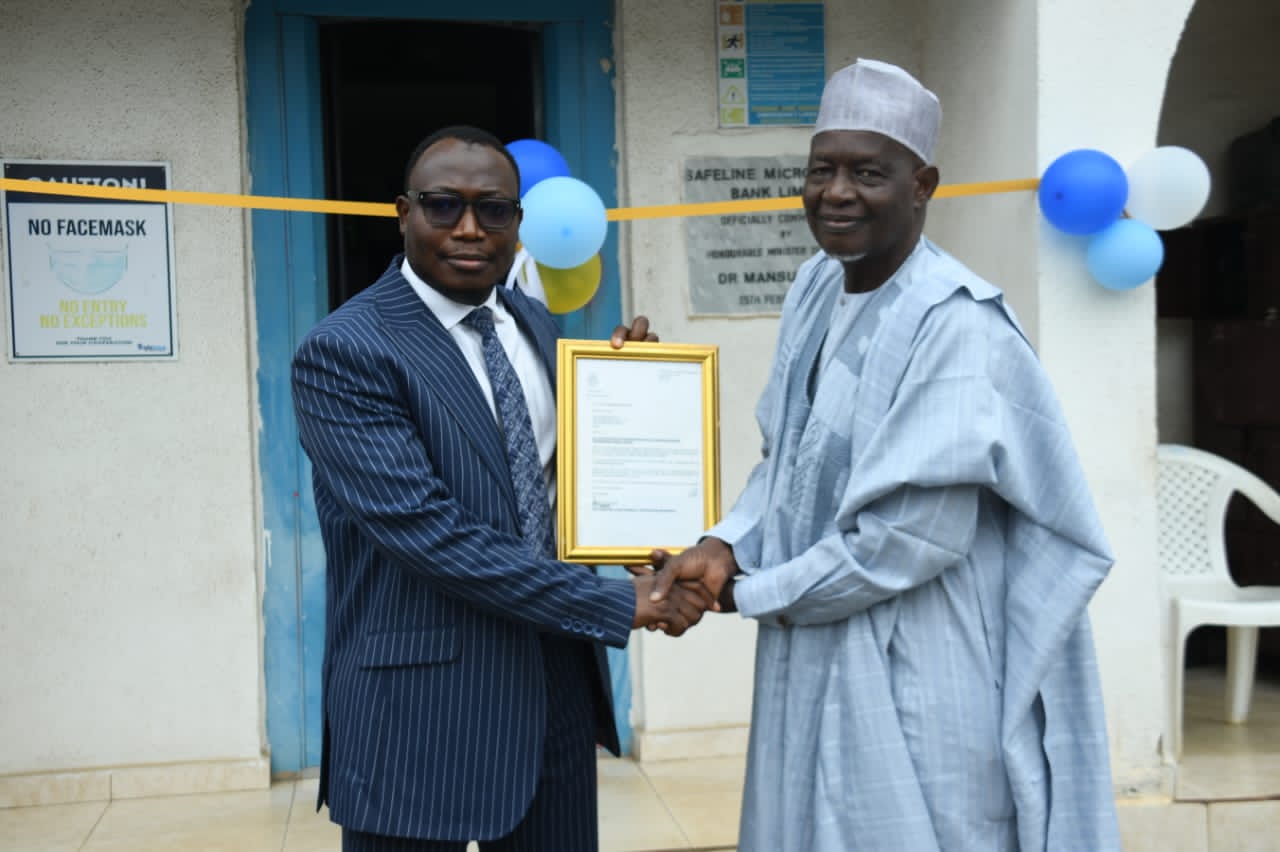
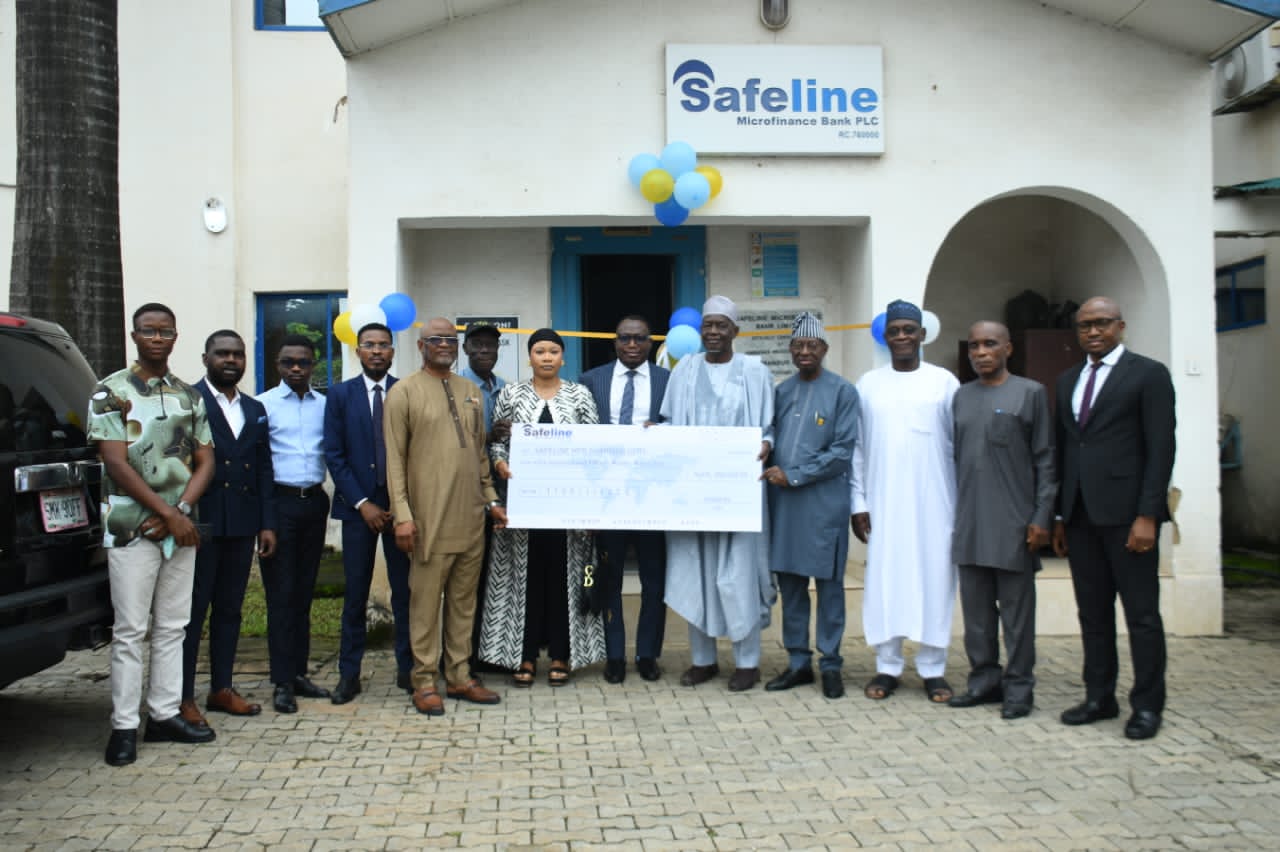
The Federal Road Safety Corps (FRSC) has handed over ownership of Safeline Microfinance Bank to ROBOPAY NIG. LTD., paving the way for a major recapitalisation and technology-driven transformation of the financial institution.
The divestment, which took place on Monday, October 5, 2026, at the bank’s premises in Abuja, is expected to reposition Safeline Microfinance Bank for stronger competitiveness, improved service delivery and sustainable growth in Nigeria’s rapidly evolving financial services sector.
The development, according to a statement by the Corps Public Education Officer, Osondu Ohaeri, is part of the strategic efforts under the leadership of the Corps Marshal, Shehu Mohammed, to reposition the institution for greater efficiency and competitiveness.
Safeline Microfinance Bank was established by the FRSC to provide financial services and opportunities to members of the Corps and other stakeholders.
Speaking at the handover ceremony, Chairman of the Board of Safeline Microfinance Bank, Ibrahim Babagana, a Deputy Corps Marshal (Rtd.), said the decision to divest the bank followed a careful assessment of the prevailing regulatory environment and emerging government policies affecting the microfinance banking industry.
Babagana said sustaining the bank under the changing financial landscape would require substantial additional capital, greater investment in technology and enhanced human capital.
He explained that the Board therefore resolved to transfer ownership to an investor with the capacity, resources and commitment to make the required investments and place the bank on a sustainable growth trajectory.
The former FRSC chief expressed confidence in ROBOPAY, saying the company had demonstrated the competence, commitment and vision required to build on the foundation established by the Corps and take Safeline Microfinance Bank to a new level.
He identified strengthening the bank’s capital base, deploying modern technology and investing in human resources as critical priorities for its survival and competitiveness in the increasingly digital financial services market.
Responding on behalf of ROBOPAY NIG. LTD, Malam Aliyu Abiodun thanked the Board and management of Safeline Microfinance Bank for the confidence reposed in the company, describing the acquisition as a significant milestone and an opportunity to unlock the institution’s considerable potential.
Abiodun said the bank already had valuable assets, structures and an institutional foundation which the new owners would build upon through strategic investments in financial technology, capital and human resources.
He said ROBOPAY would deploy FinTech solutions to modernise the bank’s operations, improve customer experience, expand its service offerings and strengthen its competitive position within Nigeria’s financial services industry.
According to him, the new ownership would retain and leverage the institutional foundation created by the FRSC while introducing innovative technology-driven solutions capable of opening new growth opportunities for the bank.
The transaction thus signals more than a change in ownership, as it ushers Safeline Microfinance Bank into a new phase anchored on recapitalisation, digital innovation and professionalised financial services.
Both parties expressed commitment to ensuring a seamless transition, with the ultimate objective of building a stronger, more competitive and sustainable institution capable of delivering greater value to its customers and stakeholders.
Auto
TCAN Honours Dangote Cement Transport for Safety, Logistics Excellence
TCAN Honours Dangote Cement Transport for Safety, Logistics Excellence
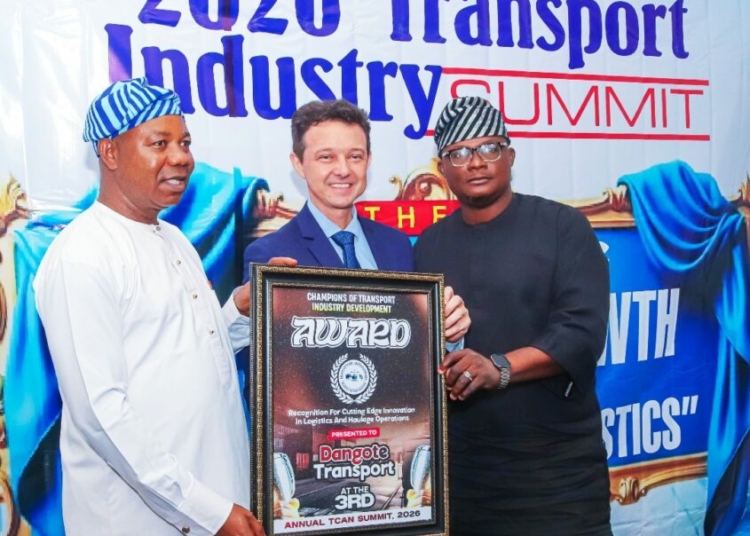
Dangote Cement Transport has been recognised for its contributions to the development of Nigeria’s transport industry, winning the “Champion of Transport Industry Development Award” presented by the Transport Correspondents Association of Nigeria (TCAN).
The award, presented at the third Transport Summit organised by TCAN in Lagos, recognised the company’s efforts in improving road transport operations, strengthening safety standards and deploying more efficient logistics solutions to support industrial activities across the country.
Receiving the award on behalf of the company’s management, the Head of Dangote Cement Transport, Mr Murilo Silva, said the recognition was a reflection of the commitment of the company’s transport workforce, drivers, safety professionals, engineers and operational partners.
Silva said Dangote Cement viewed transportation as a critical component of industrialisation and economic development, stressing that the efficient movement of goods was essential to sustaining production, trade and national economic activities.
“We are deeply honoured to receive this award from the Transport Correspondents Association of Nigeria. This recognition reflects Dangote Cement Transport’s unwavering commitment to developing a safe, efficient and sustainable transport system that supports economic growth and national development,” he said.
READ ALSO:
- Osogbo Food Bonanza Turns Nightmare as Discount Vendor Vanishes With Customers’ Millions
- Obi’s Debt Storm Deepens as Okonkwo Says: ‘I Was Misled’
- Lagos Club Robbery: Police Arrest Suspect After N5m Bounty
According to him, the company would continue to invest in technology, safety initiatives and operational improvements as part of efforts to raise standards across its transport operations.
“At Dangote Cement, we recognise that transportation is much more than moving goods from one point to another. It is a vital link in the nation’s economic ecosystem,” Silva said.
He added that the company would continue to deploy innovative solutions, strengthen its safety culture and collaborate with relevant stakeholders to improve road transport operations.
Silva dedicated the award to the thousands of drivers, transport professionals, engineers, safety personnel and logistics workers whose daily efforts support the movement of Dangote Cement products across its extensive distribution network.
“This award belongs to our drivers, our safety professionals and every member of our transport team who work tirelessly every day to ensure that our operations are safe, reliable and efficient,” he said.
The recognition underscores Dangote Cement Transport’s investments in fleet management, driver training, road safety programmes and technology-driven logistics solutions aimed at improving operational efficiency and reducing risks associated with road transportation.
The award was presented against the backdrop of growing calls for stronger collaboration between government and private-sector operators to tackle infrastructure and logistics challenges confronting the country’s transport industry.
The TCAN summit also featured discussions on port modernisation, rail integration and technology deployment, with stakeholders emphasising the need for coordinated action to improve freight movement, reduce logistics costs and accelerate innovation across Nigeria’s transport sector.
TCAN Honours Dangote Cement Transport for Safety, Logistics Excellence
Auto
Carloha Opens Wider Access to Chery Q as Smart EV Enters Nigeria’s Mainstream
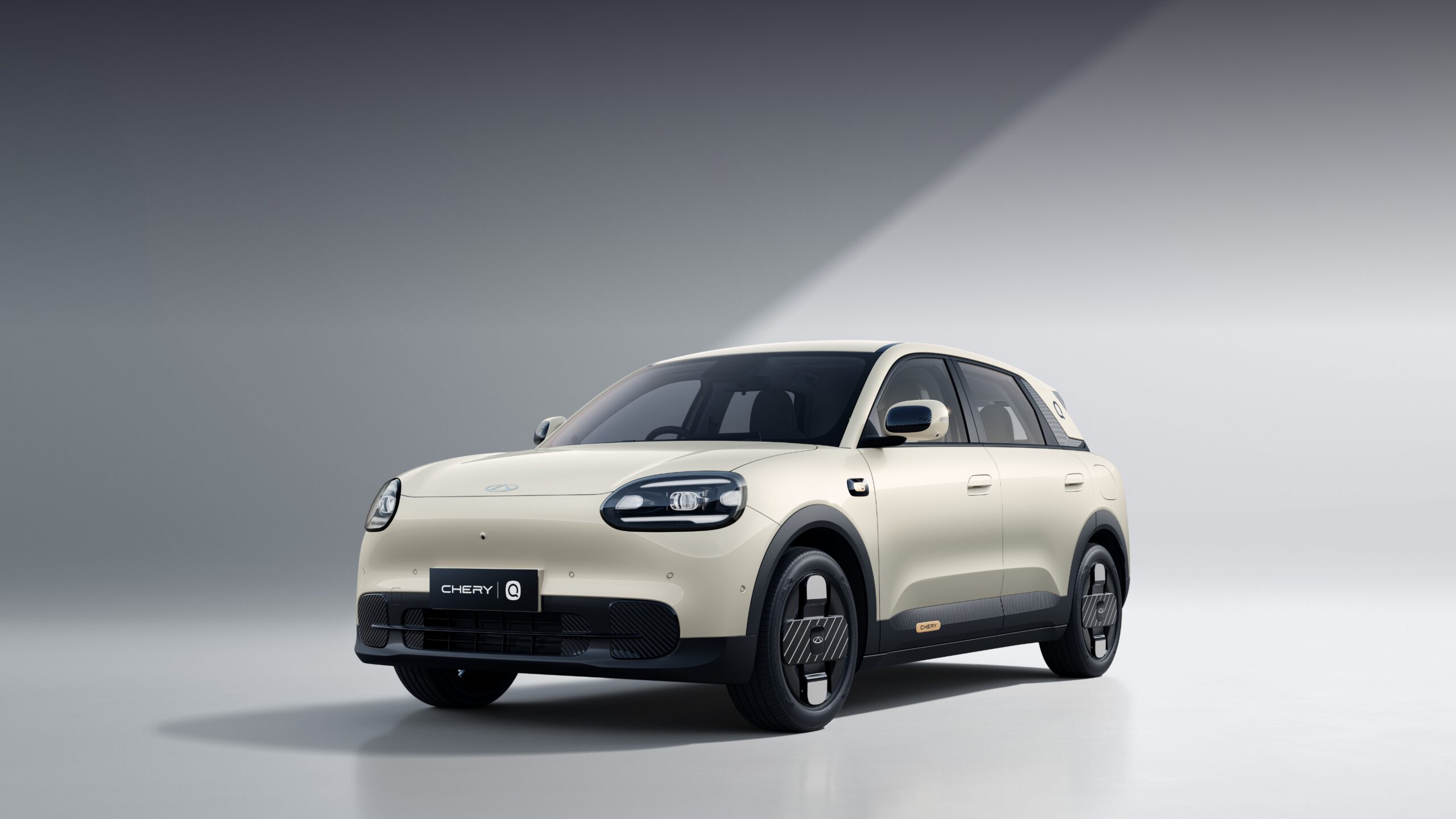
Carloha Opens Wider Access to Chery Q as Smart EV Enters Nigeria’s Mainstream
Carloha Nigeria is taking the Chery Q to motorists across the country, widening access to an electric vehicle designed to combine affordability, practicality, intelligent technology and zero-emission motoring.
The move by the official franchise holder, assembler and authorised distributor of Chery vehicles in Nigeria is expected to give more Nigerian motorists an opportunity to experience the Chinese automaker’s latest generation of smart electric mobility.
Built around Chery’s global “Quest for Joy” philosophy, the Chery Q blends distinctive styling with intelligent technology, advanced safety features and efficient electric performance, while drawing inspiration from the heritage of the iconic Chery QQ family.
Carloha said the model is targeted at a broad spectrum of motorists, including young professionals, growing families, first-time electric vehicle buyers and urban commuters looking for a cleaner, smarter and more connected driving experience.
The Chery Q also brings a strong design proposition to the compact EV segment. Its award-winning exterior, recognised with both the Red Dot Design Award and iF Design Award, features expressive geometric styling, rounded LED lighting and a contemporary two-tone interior.
Despite its compact dimensions, the vehicle has been engineered to maximise interior space, achieving an 85 per cent space-efficiency ratio.
Measuring 4,195mm in length with a 2,700mm wheelbase, the Chery Q offers substantial passenger room while retaining the manoeuvrability expected of an urban vehicle.
Its practicality is further enhanced by luggage capacity that expands from 375 litres to 1,450 litres, alongside a 70-litre front trunk and 38 smart storage compartments.
According to the company, the combination makes the Chery Q suitable for a wide range of everyday applications, from city commuting and shopping to family outings and weekend journeys.
Beyond its styling and practicality, the electric vehicle has been developed around a rear-engine, rear-wheel-drive architecture, supported by independent suspension and balanced weight distribution to enhance handling and stability.
The model also features Electric Power Steering and a One-Box Brake-by-Wire system designed to provide smoother braking response, improved driving precision and greater control, while supporting regenerative energy recovery.
A key attraction for potential EV buyers is the Chery Q’s claimed driving range. The vehicle offers an estimated 420-kilometre NEDC range, giving users greater flexibility for daily commuting and longer journeys between charging sessions.
Charging downtime is also reduced through its fast-charging capability, with the battery able to move from 30 per cent to 80 per cent in about 16.5 minutes, according to the manufacturer.
With the nationwide rollout, Carloha is positioning the Chery Q as part of the growing transition towards cleaner and smarter mobility in Nigeria, as interest in electric vehicles continues to expand.
The company’s wider strategy of assembling and distributing Chery vehicles locally also places the Q within its broader effort to make the brand’s technology and vehicle range more accessible to Nigerian motorists.
-

 metro3 days ago
NYSC Kidnap: Abductors Demand N950m for 19 Prospective Corps Members in Imo
-

 metro3 days ago
Amaechi: Tinubu’s Policies Made My Mother’s Drugs Unaffordable
-

 metro3 days ago
Tension as Kidnappers Threaten to Kill Abducted Oyo Corps Members
-

 metro2 days ago
‘I Thought I Was Dead’ — Hairstylist’s Daring Escape From Kidnappers After Benin-Ore Ambush
-

 metro3 days ago
N500 Petrol, Wage Award: Public Sector Workers Begin Warning Strike
-

 metro18 hours ago
Tragedy Strikes FMC: Medical Director Loses Two Daughters—A Doctor and a Pharmacist—Within 48 Hours
-

 Politics3 days ago
Wike to Amaechi: What Did You Bring to Rivers After 24 Years in Power?
-

 International3 days ago
Nigerian-Born Ex-Professor Jailed 78 Months Over $1.3m US Student Aid Fraud