

metro
No guy has toasted me in five years, UK-based lady laments scarcity of men

No guy has toasted me in five years, UK-based lady laments scarcity of men
A UK-based Nigerian lady cries out as she laments over the scarcity of men interested in asking her out in the country.
The lady claims that since moving to the UK, she hasn’t received any romantic advances or been approached by men interested in her.
She cautioned women planning to relocate to the UK not to leave their partners behind in Nigeria, as they may struggle to find new romantic interests in the UK.
The lady captioned:
Read some comments below:
@Leonzora said: “Person come down from bus come toast me, help me carry my bag sef.”
READ ALSO:
- [UPDATED] Euro 2024: Spain knock out hard-fighting Germany 2-1, hit semi-finals
- Spate of attacks, kidnapping worry Afenifere, seeks review of security architecture
- Israeli team led by spy chief Barnea meets Qatari mediators on Gaza deal
@Tjcutie commented: “Are you sure? Me I don see like three toast me for road before o. In space of 1 year, but I no need am.”
@Kay_Kay said: “If you like waka naked for street of UK, omo you are invisible nobody go look your face oooo. Na bills dey everybody head.”
@iyoreobasohan said: “You have said it all it all depends on where you are! but it’s funny sha.”
@Emmanuel said: “See, all this lady in UK are always after work; they don’t have time.”
Watch the video below:
No guy has toasted me in five years, UK-based lady laments scarcity of men








metro
Troops Crush Lakurawa Enclave in Sokoto, Kill Fighters, Destroy Terrorist Camps

Nigerian troops have killed several Lakurawa fighters, destroyed their camps and recovered weapons and five motorcycles during a clearance operation in Waria Forest, Tangaza Local Government Area of Sokoto State, the military has said.
The operation was conducted on Thursday, October 15, 2026, by troops of Sector 2 under the Joint Task Force North-West, Operation Fansan Yamma, as part of ongoing efforts to dismantle armed groups’ hideouts and restrict their movements across the region.
According to Lieutenant Colonel Aliyu Danja, the task force’s Media Information Officer, the troops advanced through identified terrorist enclaves around Alela, Bilange and Kandam villages before moving towards Waria Forest, where they encountered the armed group.
A firefight broke out between the soldiers and the fighters. The military said the troops overwhelmed the armed group with superior firepower, forcing its members to abandon their positions and flee deeper into the forest.
The soldiers pursued the fleeing fighters, killing several of them, according to the military account. A subsequent search of the area led to the destruction of the camps and associated support structures used by the group.
The operation also resulted in the recovery of weapons and five motorcycles believed to have been used by the fighters. The military did not disclose the exact number of people killed or provide details of any casualties among its personnel.
The Theatre Command said troops had maintained a strong operational presence in the area and would continue clearance operations to deny armed groups safe havens and freedom of movement.
It added that the mission was part of broader efforts to dismantle Lakurawa strongholds, disrupt their support networks and improve security in communities across Sokoto and neighbouring areas of the North-West.
The command commended the troops for their efforts and urged residents to provide timely and credible information about suspicious movements and activities to security agencies.
READ ALSO:
- Kaduna Kidnapping: Couple, Six-Month-Old Baby Regain Freedom After Nine Days in Captivity
- IPOB Reaches Out to Hausa, Northern Groups in Fresh Push for Biafra Referendum
- MURIC Warns EFCC Over Atiku Probe, Says Timing Could Heighten Political Tension
The latest operation comes amid continuing military efforts to contain the activities of Lakurawa, an armed group that has operated in parts of Sokoto and Kebbi states and is associated in security reporting with militant networks in the Sahel.
The group attracted increased attention in late 2024 as Nigerian authorities raised concerns about its presence in the North-West. Security analysts have continued to examine its origins, affiliations and links to wider extremist networks operating across the Sahel region.
Lakurawa has remained a security concern despite repeated military operations targeting its camps and fighters. The persistence of armed groups in remote forest areas and near Nigeria’s international borders has complicated efforts to prevent them from regrouping after military offensives.
Earlier this week, troops reportedly killed a suspected Lakurawa militant in Soruro village, also in Tangaza Local Government Area, after receiving information about the presence of armed men. An AK-47 rifle, a magazine and ammunition were recovered during that operation, according to reports quoting the Sokoto State Police Command.
The latest clearance operation underscores the continuing security challenges facing communities in Sokoto State, where residents remain vulnerable to attacks, killings and other forms of violence by armed groups.
While the military says the destruction of the camps will help restrict the fighters’ movements, the longer-term impact will depend on sustained security operations, reliable intelligence and cooperation between security agencies and local communities.
The military has urged residents to remain vigilant and report suspicious activity as operations continue across the region.
Troops Crush Lakurawa Enclave in Sokoto, Kill Fighters, Destroy Terrorist Camps
metro
Kaduna Kidnapping: Couple, Six-Month-Old Baby Regain Freedom After Nine Days in Captivity
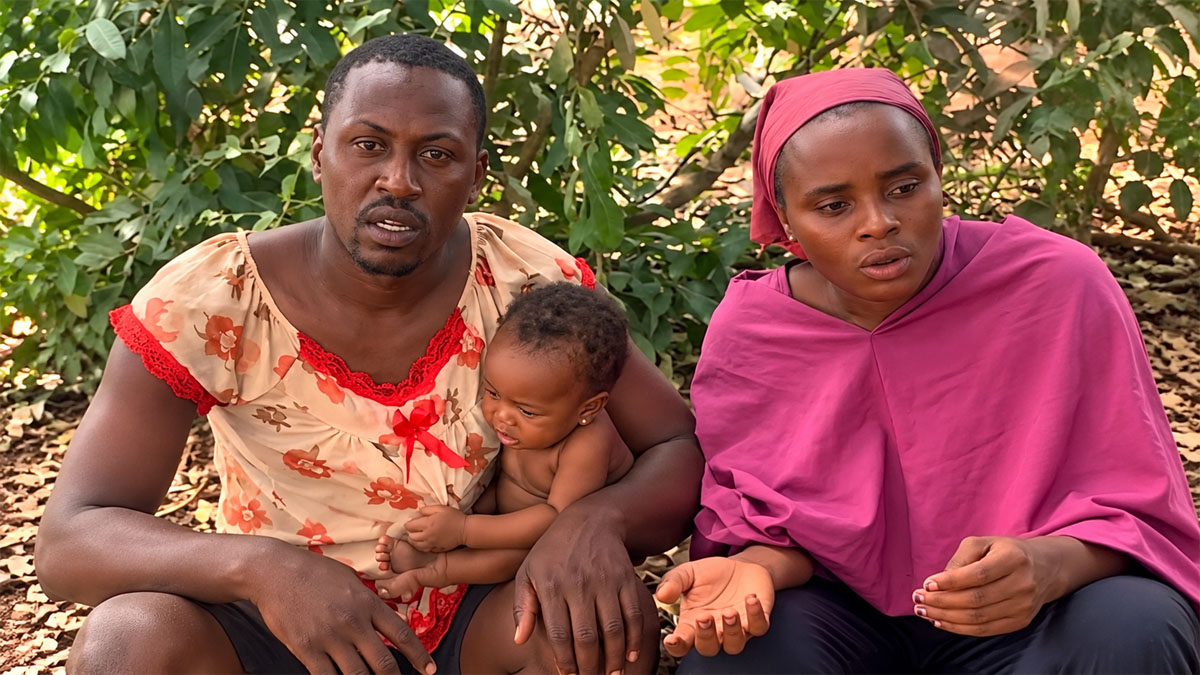
An abducted couple and their six-month-old daughter have regained their freedom after spending nine days in the hands of kidnappers, bringing relief to their family and renewed attention to the security challenges facing residents of Kaduna State.
The victims, identified as Ahmed Abubakar Zakka, his wife and their infant daughter, Fatima, were released on Thursday, October 15, 2026, according to reports confirmed by a security source to the News Agency of Nigeria (NAN).
The family was abducted from their residence in Alrahus Estate, Millennium City, Chikun Local Government Area of Kaduna State, on the night of October 6.
A retired security officer who said he had been involved in efforts to secure their release told Nigerian media that the family was returning to Kaduna metropolis in a vehicle driven by his driver. He attributed their freedom to the efforts of his team and private individuals.
The circumstances surrounding the release remain unclear. It has not been independently established whether ransom was paid or whether security agencies played a direct role in securing the family’s freedom.
The abduction attracted widespread public concern after a video showing Zakka holding his crying infant while an armed man pointed a firearm at him circulated on social media.
In the footage, Zakka reportedly appealed for help and said the kidnappers were demanding ₦300 million for the family’s release. The demand, as reported, highlighted the financial pressure such incidents place on families trying to secure the freedom of loved ones.
READ ALSO:
- IPOB Reaches Out to Hausa, Northern Groups in Fresh Push for Biafra Referendum
- MURIC Warns EFCC Over Atiku Probe, Says Timing Could Heighten Political Tension
- ToluwaniSings’ Final Hours: Aide Reveals Desperate Search Across 8 Hospitals
The case drew particular sympathy because the couple were reportedly married for six years before the birth of their daughter. The infant’s presence in the footage intensified public outrage and calls for urgent intervention.
Former Vice-President Atiku Abubakar, who is the African Democratic Congress (ADC) presidential candidate, had called on security agencies to act swiftly to rescue the family and other Nigerians still held in captivity. He described the footage as disturbing and said no family should have to plead for its safety while in the hands of criminals.
The release of the Zakka family offers relief, but concerns over kidnappings in Millennium City and neighbouring communities remain. Other reported incidents in the area have raised questions about residents’ safety and the ability of security agencies to prevent armed groups from invading homes.
The Kaduna State Police Command previously announced intensified clearance operations, targeted raids and patrols in Millennium City and Maraban Rido, in collaboration with other security agencies. The command also reported arrests of suspected kidnappers and alleged informants during operations in the area. However, no confirmed link between those arrests and the abduction of the Zakka family has been established.
The latest development underscores the need for sustained security measures to protect residents, improve emergency response and prevent further abductions.
While the family’s release marks a positive outcome after days of uncertainty, the circumstances surrounding their captivity and freedom remain unclear. Attention is now turning to the safety of other people reportedly held by kidnappers and the need to ensure that residents of Kaduna communities can live without the persistent fear of abduction.
Kaduna Kidnapping: Couple, Six-Month-Old Baby Regain Freedom After Nine Days in Captivity
metro
MURIC Warns EFCC Over Atiku Probe, Says Timing Could Heighten Political Tension
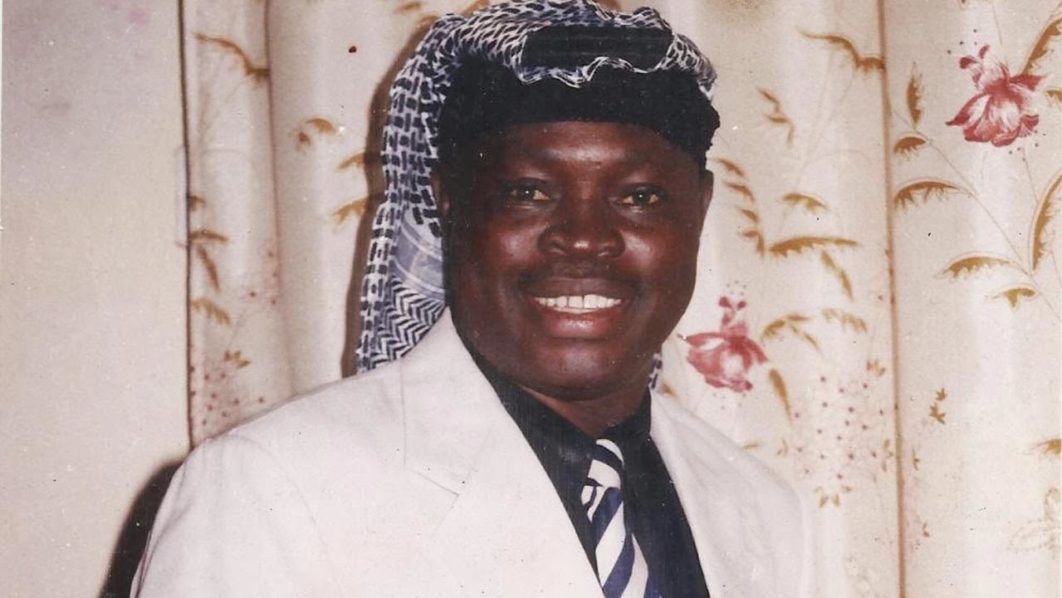
The Muslim Rights Concern (MURIC) has urged the Economic and Financial Crimes Commission (EFCC) to reconsider the timing of its reported renewed investigation into allegations involving former Vice-President Atiku Abubakar, warning that the move could heighten political tension ahead of Nigeria’s 2027 general elections.
MURIC’s Founder and Executive Director, Professor Ishaq Akintola, made the appeal in a statement issued on Friday, October 16, 2026, arguing that anti-corruption investigations involving prominent opposition figures must be handled in a manner that protects public confidence in the impartiality of law enforcement agencies.
Akintola said the organisation was concerned that revisiting allegations dating back nearly two decades during a politically sensitive period could create suspicions of selective prosecution, particularly if similar cases involving other influential individuals were not receiving comparable attention.
He urged the commission not to take steps that could inflame political passions or deepen divisions in an already tense political environment.
“It is an ill wind that blows nobody any good. We warn that reopening the case file of a presidential candidate at this time could inflame passions. EFCC should not heat up the polity,” he said.
The controversy followed reports that the EFCC had received a petition from former House of Representatives member Ehiozuwa Johnson Agbonayinma, who is seeking a renewed investigation and possible prosecution of Atiku over alleged financial crimes linked to investigations conducted in 2006.
Reports published on October 14 by Nigerian media outlets said Agbonayinma submitted the petition through his lawyer, Chief Hannibal Egbe Uwaifo, SAN. The petition was dated August 27 and reportedly received by the commission on September 1, 2026.
READ ALSO:
- ToluwaniSings’ Final Hours: Aide Reveals Desperate Search Across 8 Hospitals
- Real Madrid Demand Tebas’ Exit After Explosive Nazi Propaganda Row
- Terrorists Abduct Catholic Priest in Benue as Police Launch Rescue Operation
Agbonayinma subsequently visited the EFCC headquarters in Jabi, Abuja, on October 12, where he reportedly adopted the petition and answered questions from investigators.
The former lawmaker asked the commission to revisit its September 2006 investigation report involving Atiku, as well as a report issued on February 4, 2010, by the United States Senate Permanent Subcommittee on Investigations.
Agbonayinma has argued that the allegations deserve renewed scrutiny and that public officials should be held accountable under the law, regardless of their political status. He also disclosed that he had petitioned United States President Donald Trump over the matter.
However, the reported developments do not, on their own, establish that the EFCC has formally decided to prosecute Atiku. The commission’s spokesperson had not publicly provided a detailed response on the status of the investigation in the reports reviewed.
Akintola said MURIC was not opposed to the investigation or prosecution of corruption allegations where evidence justified legal action. Rather, he maintained that the EFCC must demonstrate consistency and fairness in its treatment of suspects, irrespective of political affiliation, religion or social standing.
“MURIC is not encouraging corrupt practices. Neither are we saying the law must not take its due course. What we are saying is that there should be a level playing field. All alleged fraud offenders should be given equal treatment,” he said.
The MURIC director questioned why the case was attracting renewed attention at this stage, given the age of the allegations and Atiku’s long-standing involvement in presidential politics.
“Where was EFCC since all these years? Alhaji Atiku Abubakar’s case file has always been in EFCC’s cabinet since 2006,” Akintola said.
He warned that any arrest or detention of a major opposition candidate during the election period could trigger public backlash and potentially strengthen support for the politician concerned.
According to him, the detention of opposition figures does not necessarily weaken their political standing. He cited the experiences of international figures, including Malaysia’s Anwar Ibrahim and South Africa’s Nelson Mandela, as examples of politicians whose periods of imprisonment did not permanently diminish their public appeal.
Akintola also referred to Myanmar’s Aung San Suu Kyi and India’s Jawaharlal Nehru while arguing that the political consequences of detaining prominent figures can be unpredictable.
He cautioned that if the EFCC’s actions were widely perceived as an attempt to weaken the opposition, the controversy could create difficulties for the ruling All Progressives Congress (APC) and President Bola Ahmed Tinubu. He did not, however, provide evidence that the reported investigation was politically motivated.
The MURIC director said Nigeria, which continues to face serious security challenges, should avoid political developments that could further strain national stability.
Invoking the Latin maxim “Si vis pacem, para bellum,” meaning “If you want peace, prepare for war,” he warned that actions perceived as political persecution could create an atmosphere of confrontation rather than encourage peaceful competition.
“Arresting any presidential candidate at this time will be a wrong strategy. It will look as if we are preparing for war. But that is not what our dear country needs at this time because we are fighting one already,” he said.
Akintola also defended MURIC’s decision to speak on the matter, saying the organisation’s commitment to human rights and justice extended to all Nigerians, regardless of their political or religious affiliations.
He said Atiku was entitled to the protection of his fundamental rights like any other citizen, while stressing that the organisation would similarly oppose unfair treatment of non-Muslim politicians.
Citing the Qur’an, Akintola said the obligation to uphold justice applied even when doing so conflicted with personal interests or those of relatives. He described MURIC’s intervention as consistent with its motto, “Dialogue, Not Violence.”
The organisation called on the EFCC to ensure that any further action in the matter was guided by evidence, due process and equal application of the law.
“The best advice we can give EFCC is to rethink the reopening of Atiku’s file. Nigerians are not fools. Nobody will believe that opening Atiku’s file at this time is procedural,” Akintola said.
He added: “EFCC should close politicians’ files for now. Let Nigeria breathe, please.”
The dispute places renewed scrutiny on the balance between pursuing alleged financial crimes and maintaining public confidence in the independence of anti-corruption institutions during an election cycle. While MURIC has questioned the timing of the reported investigation, the allegations against Atiku remain allegations and should not be treated as established wrongdoing without a judicial determination.
MURIC Warns EFCC Over Atiku Probe, Says Timing Could Heighten Political Tension
-

 metro23 hours ago
₦130m Toyota Tundra Wrecked: Lagos Dealer Questions Police Over Suspect’s Release
-

 metro3 days ago
Money Rituals: Four Arrested in Kwara Over Suspected Human Parts
-

 News3 days ago
2027 Elections: INEC Reveals Why Pantami, Adebutu, Others Were Excluded
-

 metro3 days ago
Osogbo Cultism Crackdown: Six Suspects Arrested as Police Recover Drugs, Charms
-

 News23 hours ago
₦200m Fake Alcohol Packaging Uncovered as NAFDAC Raids Aba Market
-

 Politics3 days ago
2027: Adeleke’s Camp Promises 1.5 Million Votes for Tinubu in Osun
-

 metro2 days ago
Outrage as Residents Scoop Groundnut Oil From Lagos Tanker Crash Scene
-
 International3 days ago
Houthi Missile Targeting Riyadh Shot Down as Debris Injures Four, Damages 15 Homes