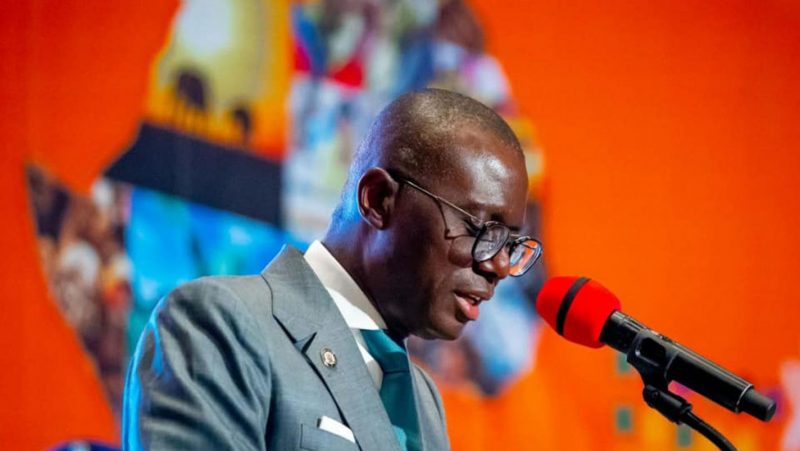
Lagos State Governor Babajide Sanwo-Olu on Sunday inaugurated the reintroduction of the monthly environmental sanitation in the state.
The monthly environmental sanitation, previously a key practice in Lagos, aimed to promote a clean and healthy environment, encourage community participation in waste management, and reduce the risk of disease outbreaks.
Speaking at the launch held at Campus Square, Lagos Island on Sunday, Sanwo-Olu urged residents and stakeholders to cooperate in making the exercise a success.
The monthly sanitation was discontinued in 2016. At that time, the then Commissioner for Information and Strategy, Steve Ayorinde, announced the cancellation following a resolution adopted at the State Executive Council meeting.
“Lagos has grown exponentially, with the attendant environmental problems associated with managing 20 million people.
“The environmental laws and procedures being practised in the state have not been able to match the growth and the dream of a 24-hour economy,” Ayorinde had said.
Fire Guts Lagos Workshop, Destroys 21 Exotic Cars, Sparks Fears Over Petrol Station
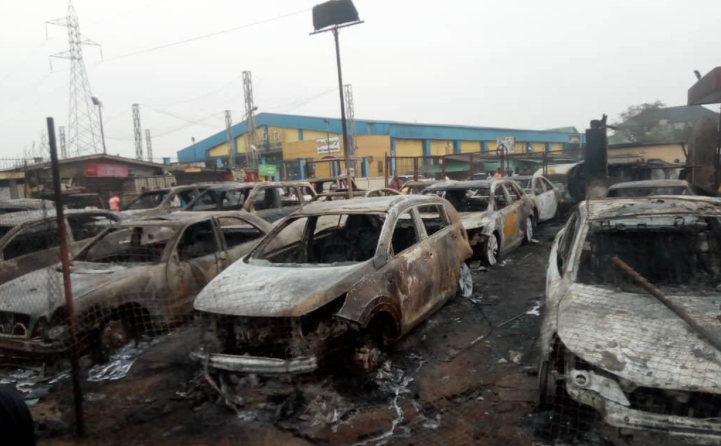
A fire outbreak at a mechanical workshop in the Isheri-Idimu area of Lagos State has left 21 exotic vehicles destroyed, raising fresh concerns about fire safety in automobile workshops operating close to petrol stations and residential buildings.
The inferno, which broke out at about 3.05am on Friday, October 30, along Oladunni Street, beside Eternal Filling Station in the Alimosho Local Government Area, engulfed a workshop where several high-value vehicles were reportedly parked.
The situation triggered fears among residents and business operators in the neighbourhood as the flames threatened to spread to the adjoining filling station, raising the possibility of a much bigger disaster.
However, the timely intervention of emergency responders prevented the fire from reaching the petrol station and nearby buildings, although a section of a neighbouring building sustained minor damage.
The Lagos State Emergency Management Agency (LASEMA) confirmed that about 21 exotic vehicles were affected in the incident, while assuring residents that no lives were lost and no injuries were recorded.
In a statement, the agency’s Permanent Secretary, Dr Olufemi Damilola Oke-Osanyintolu, said its Dolphin Response Team, stationed at Igando, was immediately activated following a distress call.
He explained that the team arrived at the scene and discovered that the workshop had been engulfed by fire, with several luxury vehicles parked within the premises.
The emergency operation involved personnel of LASEMA, the Lagos State Fire and Rescue Service, the Lagos Neighbourhood Safety Corps and the Nigeria Police Force.
According to Oke-Osanyintolu, the coordinated intervention of the agencies helped contain the fire and prevented it from spreading to the nearby filling station and surrounding structures.
He said the fire had been completely extinguished and damping-down operations concluded, adding that preliminary assessment indicated that 21 exotic vehicles were affected.
The LASEMA boss commended the emergency responders for their swift intervention, which he said prevented what could have developed into a major disaster.
Questions over fire service response
Meanwhile, developments surrounding the incident have generated concerns beyond the immediate destruction of the vehicles, particularly over the circumstances surrounding the emergency response.
A report by TELL Magazine, published on Saturday, cited allegations by some witnesses that the Lagos State Fire and Rescue Service initially arrived at the scene with an empty water tank.
The allegation, which has not been independently verified, raises questions about the adequacy of emergency firefighting preparedness, particularly in densely populated areas where workshops, commercial facilities and fuel stations operate in close proximity.
However, no official response from the fire service addressing the allegation was available at the time of filing this report.
There have also been reports of suspicions among some residents and affected customers about the possible cause of the fire, including suggestions of arson. However, no evidence has been established to substantiate these claims, and the cause of the outbreak remains undetermined.
The full extent of the damage to the affected vehicles, their individual owners and the financial implications of the incident have also not been officially established.
Fresh concerns over workshop safety
The incident has once again drawn attention to fire safety challenges in Nigeria’s automobile servicing and repair industry, particularly workshops where expensive vehicles are kept alongside fuel, lubricants, solvents, electrical equipment and other potentially combustible materials.
Automobile workshops routinely handle inflammable substances, including petrol, diesel, engine oil, transmission fluids and cleaning chemicals. Electrical faults, welding activities, poor storage practices and inadequate firefighting equipment can also increase the risk of fire outbreaks.
The danger becomes more pronounced when such facilities operate close to petrol stations and residential buildings, where an uncontrolled fire could quickly escalate into a major emergency.
Industry stakeholders have consistently stressed the importance of proper workshop layout, electrical maintenance, safe storage of combustible materials, functional fire extinguishers and adequate access for emergency vehicles.
The Isheri-Idimu incident also highlights the vulnerability of customers’ vehicles left in the custody of automobile workshops for repairs, servicing and maintenance, with questions likely to arise over insurance coverage and compensation for damaged property.
While LASEMA urged residents, particularly mechanical workshop operators, to observe safety precautions when handling inflammable materials, the incident underscores the need for stronger enforcement of fire safety standards and periodic inspections of high-risk business premises.
The agency also advised members of the public to report emergencies promptly through Lagos State’s toll-free emergency numbers, 767 and 112.
Although the swift intervention of emergency responders prevented the flames from reaching Eternal Filling Station, the destruction involving 21 exotic vehicles serves as another reminder of the potentially devastating consequences of fire outbreaks in commercial and residential neighbourhoods.
For the affected vehicle owners and customers, attention will now turn to establishing the cause of the fire, determining the extent of their losses and addressing the question of compensation.
Minister of Humanitarian Affairs and Poverty Reduction, Mr Bernard Doro
₦50,000 Monthly Relief: FG Begins Cash Payments to Vulnerable Nigerians
The Federal Government has commenced the disbursement of ₦50,000 cash assistance to vulnerable Nigerians under a new intervention aimed at helping low-income households cope with rising food prices and the increasing cost of living.
The initiative, known as the National Emergency Relief and Stabilisation Intervention (NERSI), is being implemented by the Federal Ministry of Humanitarian Affairs and Poverty Reduction as part of efforts to provide financial support to households facing economic hardship.
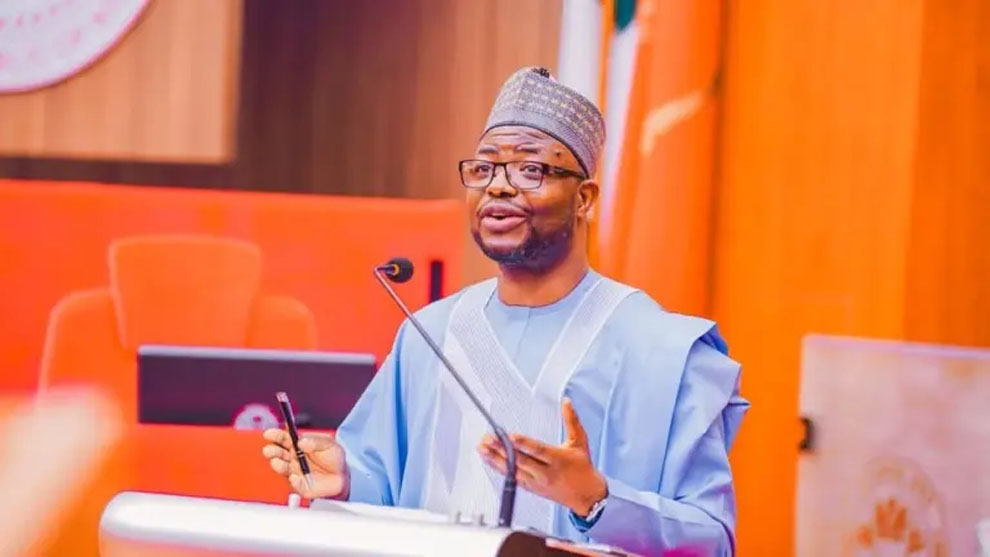
The Minister of Humanitarian Affairs and Poverty Reduction, Dr Bernard Doro, announced the commencement of the programme on Friday, October 30, 2026, explaining that the intervention was designed to provide immediate relief to eligible Nigerians.
According to the minister, the ₦50,000 cash support is intended to help beneficiaries meet essential household expenses amid persistent increases in the prices of food and other basic commodities.
He said the programme was introduced in response to the pressure of global food inflation and the rising cost of living, which have continued to affect the purchasing power of many households.
The government said the intervention would be reviewed periodically in response to changes in economic conditions, with beneficiaries expected to receive direct communication about any adjustments.
Under the payment arrangement, the ministry is working with approved digital financial service providers to ensure that the funds reach selected beneficiaries through secure channels.
The programme’s official website lists ALAT by Wema Bank, MoMo PSB and NairaGram as approved payment providers. Beneficiaries are expected to receive text messages from the providers and give their consent before the funds are transferred to their accounts or mobile wallets.
The government said beneficiaries would not need to pay any fee, register through an agent or submit an application to access the intervention.
Selection is expected to be based on verified national identity records and information in the National Social Register, which is used to identify poor and vulnerable households.
The ministry also warned Nigerians to be cautious of fraudsters seeking to exploit the cash transfer programme by demanding payments or requesting confidential banking details.
Doro urged beneficiaries not to disclose their Bank Verification Numbers (BVNs), Personal Identification Numbers (PINs) or One-Time Passwords (OTPs) to anyone claiming to facilitate their payments.
He advised Nigerians who receive suspicious messages or are asked to pay money before accessing the support to contact the programme’s official helpline on 0700-022-2222 for clarification.
The intervention is expected to complement existing social protection programmes and other government efforts to cushion the impact of economic hardship on low-income households.
However, there is an important discrepancy over how frequently the ₦50,000 will be paid. Although the minister’s announcement describes the support as a monthly payment, the programme’s official website currently identifies it as a one-off grant.
The ministry should therefore clarify whether beneficiaries will receive the money every month or only once under the current intervention.
For now, Nigerians are advised to rely on official government announcements and verified messages from approved payment providers for information about eligibility and disbursement.
₦50,000 Monthly Relief: FG Begins Cash Payments to Vulnerable Nigerians
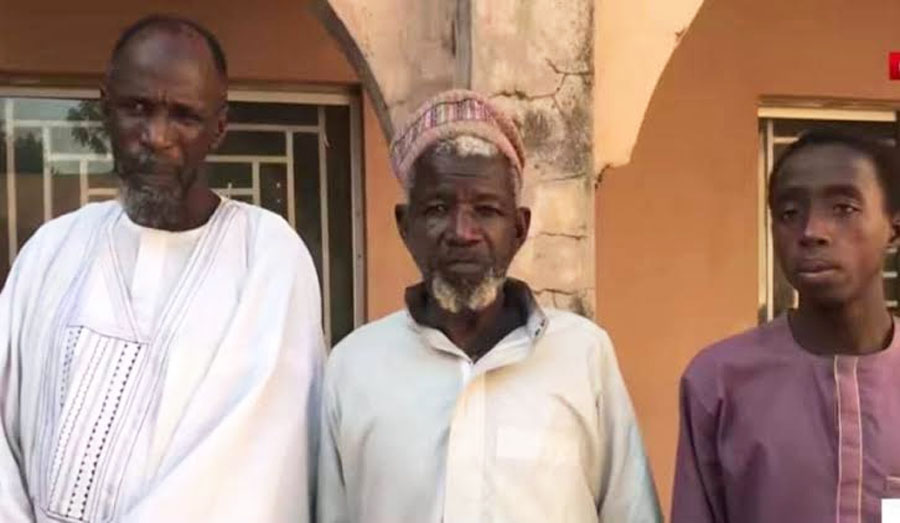
However, three other clerics abducted alongside them on September 12, 2026, are still being held by their captors, with security agencies intensifying efforts to secure their release.
The Zamfara State Commissioner of Police, CP Muhammad Bello, confirmed the rescue on Friday, October 30, during an interview with journalists in Gusau.
Bello said the operation was successful because of the collaboration among the security agencies, which combined intelligence gathering and coordinated tactical operations to locate and rescue the victims.
He explained that the operation involved the ONSA, DSS and police operatives, adding that security personnel were continuing efforts to track down the armed bandits responsible for the abduction.
According to the police commissioner, intelligence supplied by residents and members of affected communities had also been useful in the ongoing operations.
The rescued clerics were among six Islamic scholars kidnapped on September 12 while travelling to Talata Mafara in Zamfara State.
The victims were reportedly intercepted by heavily armed bandits at about 11:30 a.m. along the Dakko-Damri feeder road near Sububu Forest in Bakura Local Government Area, approximately three kilometres from Damri village.
The clerics were travelling to attend a special prayer gathering organised for President Bola Ahmed Tinubu at the residence of former Zamfara State Governor and Director-General of the APC Presidential Campaign Council, Senator Abdul’aziz Yari.
The gathering was intended to offer prayers for the success of Tinubu’s administration and political future ahead of the 2027 general elections.
Following the abduction, the kidnappers reportedly demanded a ransom of N30 million for the release of the clerics.
The incident generated concern among their families, religious communities and residents of Zamfara, particularly as the victims remained in captivity for weeks.
A senior security operative involved in the rescue operation said the three clerics were freed unharmed following intelligence-led security manoeuvres.
They subsequently underwent medical examinations and security debriefing and were reported to be in stable condition.
Security operatives said arrangements were being made to formally hand them over to the Zamfara State Government for reunion with their families.
Meanwhile, the police commissioner said operations would continue until the remaining three clerics were rescued and those responsible for the abduction were brought to justice.
He urged residents to provide security agencies with credible and timely information that could assist in tracking criminal groups operating across the state.
The rescue comes amid persistent security challenges in Zamfara and other parts of north-western Nigeria, where armed groups have continued to carry out kidnappings, attacks on communities and other violent crimes.
The latest development has brought relief to the families of the three rescued clerics, although uncertainty remains over the fate of those still in captivity.
Security agencies have assured that efforts to secure their freedom remain ongoing.
Zamfara Kidnap: Three Imams Regain Freedom After Weeks in Captivity, Three Others Still Held