

News
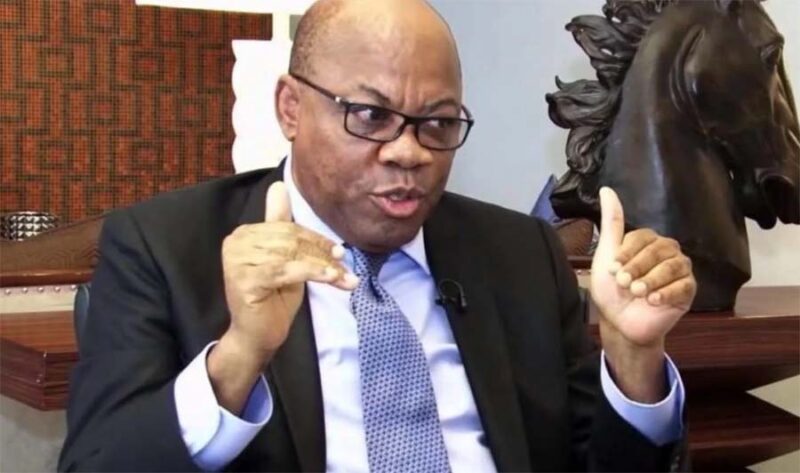
Agbakoba to lawmakers: Nigeria doesn’t need additional state
Agbakoba to lawmakers: Nigeria doesn’t need additional state
A Senior Advocate of Nigeria (SAN), Dr Olisa Agbakoba, has faulted agitation for state creation in the South-East by a senator and some House of Representatives members representing the region, describing the proposal as a misplaced priority.
Agbakoba, a former President of the Nigerian Bar Association (NBA), expressed the view in an interview with the News Agency of Nigeria (NAN) on Sunday in Lagos.
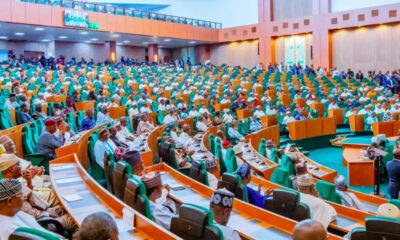
The House of Representatives recently passed for second reading, a bill seeking the creation of Etiti State out of Abia, Anambra, Ebonyi, Enugu and Imo states from the South-East geopolitical zone.
The bill was sponsored by Rep Godwin Ogah, Rep Miriam Onuoha, Rep Kama Nkemkama, Rep Princess Nnabuife and Rep Anayo Onwuegbu.
Leading the debate on the general principles of the bill, Ogah (LP, Abia) said the establishment of Etiti State was not just a matter of administrative convenience, but a step towards ensuring balanced regional development and effective governance.
The lawmaker said the bill was a response to the aspirations of the people of a very important region to the country and aligned with the principles of equity and inclusivity enshrined in the country’s democratic idea.
Similarly, some lawmakers and stakeholders have also called for the creation of Anioma State from states in the South-South and South East regions.
One of those leading the call, Sen.Ned Nwoko (PDP-Delta North) said the creation of Anioma State would correct what he described as the marginalisation of South East geo-political zone.
READ ALSO:
- Sanwo-Olu inaugurates monthly environmental sanitation, seeks residents cooperation
- NDLEA seizes US, UK- bound cocaine, opioids concealed in shoe soles
- [VIDEO] Some religious leaders are more corrupt than public officers – EFCC chairman
According to him, if Anioma State is created, it would increase the population of the South East and increase the land mass as well as the resource base of the region.
Reacting, Agbakoba said Nigeria does not presently need more states.
According to him, instead, lawmakers and other political stakeholders should be concerned about restructuring Nigeria into a regional government to reflect the real diversity of the country.
He added that he was not in support of an additional state because most of the 36 states are economically unviable, insolvent and not capable of bringing about infrastructural development and even paying the proposed minimum wage.
“State creation at this present harsh economic will, no doubt, lead to increase in the number of National Assembly members, ministers, local governments, and others, which would further increase the cost of governance in the country.
“This is coming at a time when most Nigerians are starving due to rise in the food prices. Insurgents, bandits and terrorists are abducting people for ransom in other states of the country.
“Therefore, the National Assembly should, instead, return the country to regionalism by collapsing the 36 states into six to eight regions or geopolitical zones, each of which will have a leader.
“This means that the present Nigeria 1999 Constitution would be amended or a new one written to accommodate this proposal.
“This is because making a new constitution for Nigeria has become an overriding imperative based on the fact that new political realities and conundrums have cropped up in the country,” Agbakoba said.
Agbakoba, a human rights activist, said the only way to resolve the socio-economic and political problems was to amend the 1999 constitution to pave the way for a regional system of government.
He said regional governments were once successfully run with Chief Obafemi Awolowo in charge of the South West, Chief Michael Okpara in charge of South East and Ahmadu Bello in the North.
Agbakoba said since Nigeria left the modernity of regionalism, the states had been unviable, apart from Lagos and Rivers.
Agbakoba said though the impulse to create a sixth state in the South-East was for the purpose of balance, but that the greater good of Nigeria would be felt if regionalism is given a chance.
Agbakoba said the regional system of government would enable the unviable states to come together and become stronger.
He said an average person from the South East would support an additional state in the region, but that anyone who could see the big picture could tell that creation of additional states would not guarantee development.
“This agitation will arise because it is on the basis of the number of states that federal allocation flows.
“So the fact that the South-East has five states means to them that they are losing revenue and that is a one point of view and also an emotional point of their agitation.
“However, a pragmatic developmental point of view, which I go for, is that even if you create a sixth state in the South-East to give them a sense of belonging, will this new state in addition to the 36 states take us towards the path of development?
“Will it reverse the hunger, insecurity, poverty and unemployment in the land? Absolutely not.
“We need to do away from state creation to regional system of government,” he said.
Agbakoba to lawmakers: Nigeria doesn’t need additional state







Education
Niger State Urges Local Communities to Protect Newly Completed Public Schools
Niger State Urges Local Communities to Protect Newly Completed Public Schools
Basic education officials deliver modern classrooms to help children learn safely, kicking off an ambitious statewide renovation drive.
State education leaders in Niger State are calling on neighborhood residents and parent groups to take good care of newly renovated primary schools.
On Wednesday, the head of the Niger State Universal Basic Education Board, Dr. Ibrahim A. Liman, reminded communities that public classrooms belong to everyone, warning that state funding can only make a lasting difference when local people watch over these shared spaces.
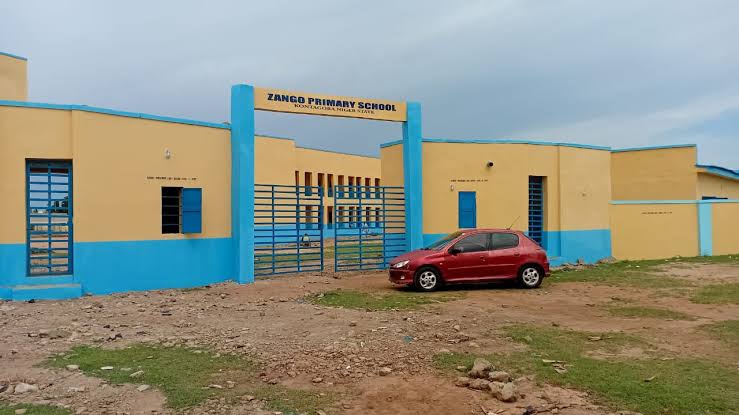
To prepare for handing over the keys, board officials visited Zango Primary School in Kontagora and Richard Lander Primary School in New Bussa. These two locations are the first to finish out of seven model schools currently under construction.
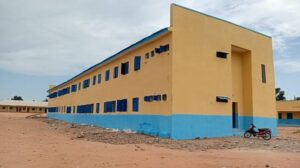
During their visits, team members inspected classrooms to make sure builders followed high safety standards, while encouraging neighbors to keep the grounds secure, tidy, and ready for pupils.
Furthermore, state officials explained that these building projects are part of a larger plan to improve early education across every community. Alongside these new classrooms, the board is starting repair work on about 400 primary schools throughout the state.
In addition to fixing desks and roofs, authorities are upgrading classroom teaching tools and supporting teachers. As a result, children across all backgrounds will have safe, welcoming spaces to learn and grow together.
Niger State Urges Local Communities to Protect Newly Completed Public Schools
Health
Adamawa Health Officials Report 20 Deaths from Suspected Diphtheria Cases
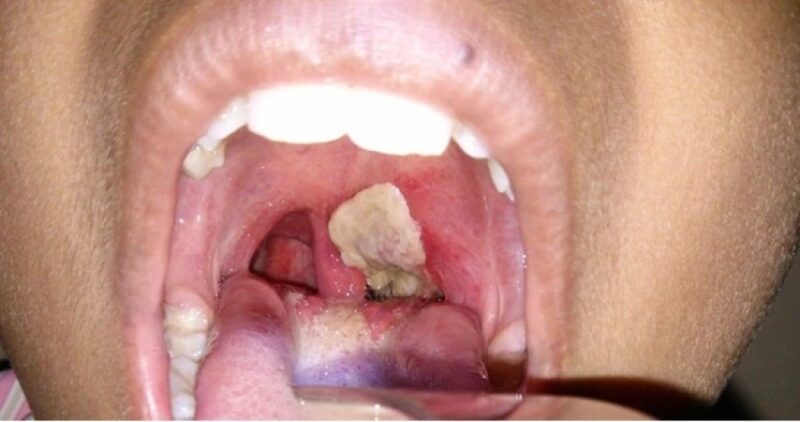
Adamawa Health Officials Report 20 Deaths from Suspected Diphtheria Cases
Parents and caregivers are advised to seek early medical help and update childhood vaccinations as response teams expand outreach.
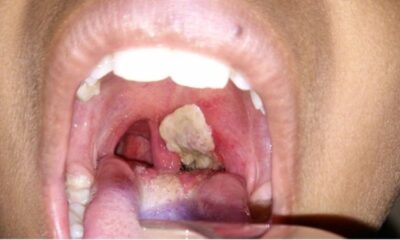
Health authorities in Adamawa State are responding to a diphtheria outbreak that has caused 20 deaths across 13 local government areas. Speaking on Wednesday, State Epidemiologist Jones Steven Kadabiyu confirmed that health workers have recorded 126 suspected cases throughout the state, with six patients currently receiving medical care in local hospitals.
Diphtheria is a serious bacterial illness that spreads through airborne droplets from coughing or close personal contact. It mainly affects the throat and airway, causing sore throats, mild fevers, swollen neck glands, and difficulty swallowing or breathing.
READ ALSO:
- Kara Bridge Repairs, Multiple Crashes Trigger 14-Hour Gridlock on Lagos-Ibadan Expressway
- 2027: Court Gives Atiku Seven Days to Serve Tinubu Through APC in Eligibility Suit
- 2027: Northern Students Back Tinubu, Pledge Campus-to-Campus Mobilisation
Health officials emphasized that the biggest risk to patients has been waiting too long to visit a health center, as some families try informal remedies at home first before seeking professional medical attention.
The state government is working alongside health partners to track new cases, provide specialized antibiotics and treatments, and protect medical workers and family members.
Officials stressed that while diphtheria can affect people of any age, young children are the most vulnerable to serious complications. Parents and guardians are strongly encouraged to ensure their children are up to date on their routine vaccines and to visit the nearest clinic immediately if anyone develops throat swelling or breathing issues.
Adamawa Health Officials Report 20 Deaths from Suspected Diphtheria Cases
News
Blue Line Rail, Hospitals Get Boost as Lagos Approves ₦200bn Bond and Budget Reordering
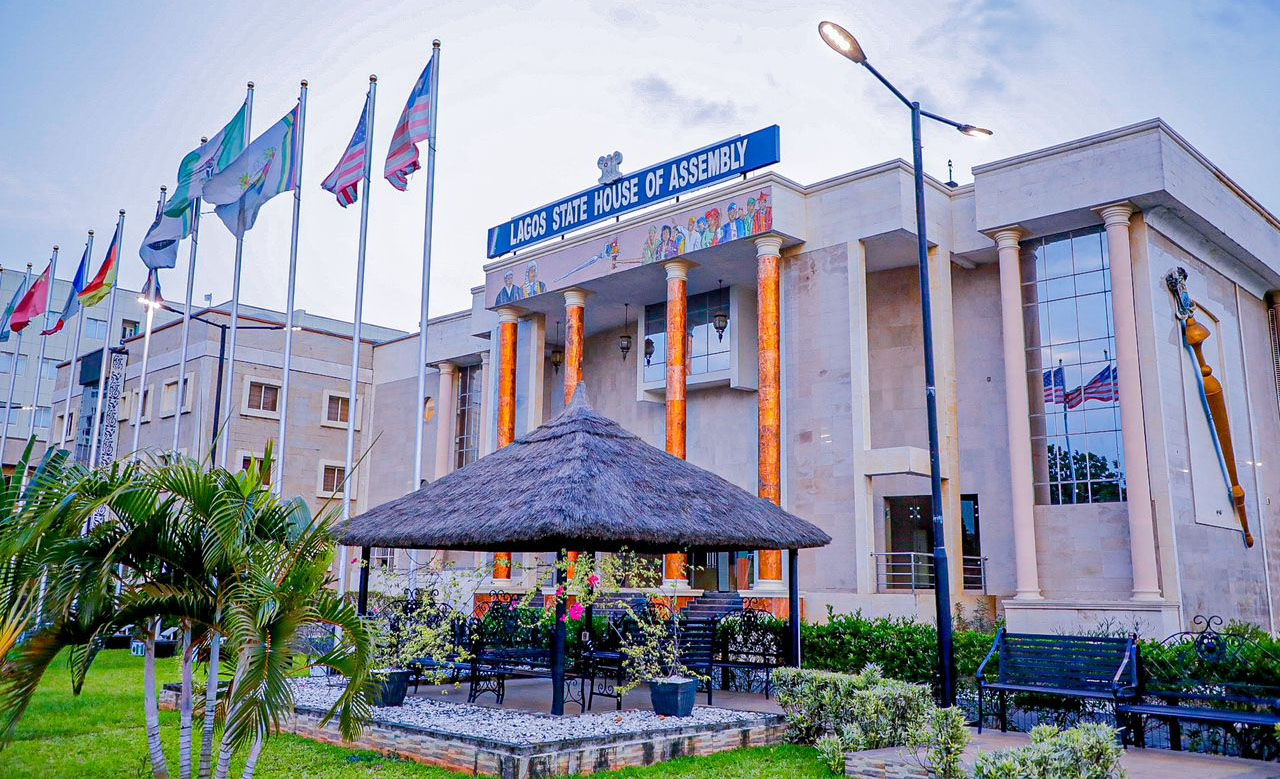
Blue Line Rail, Hospitals Get Boost as Lagos Approves ₦200bn Bond and Budget Reordering
Following Governor Sanwo-Olu’s request, the state legislature approves expanded capital financing for the final months of the fiscal year.
The Lagos State House of Assembly has approved changes to the state’s 2026 spending plan to speed up work on key community infrastructure, including public transit lines, general hospitals, and flood prevention systems.
The decision came after Governor Babajide Sanwo-Olu requested a review of the budget to make sure government funds are directed where they are needed most during the rest of the year.
To support these priority projects, lawmakers agreed to raise the state’s infrastructure bond from ₦150 billion to ₦200 billion. Budget committee chairman Lukmon Olumoh explained that this financial adjustment will help contractors finish essential public facilities faster.
The revised funds will help extend the Blue Line train service between Mile 2 and Trade Fair Station, complete the new Massey Street Children’s Hospital, and finish the 280-bed General Hospital in Ojo.
The amended plan also sets aside funds for fixing potholes on neighborhood roads, clearing drainage channels to prevent flooding, and buying new service vehicles for sanitation and traffic teams.
Lawmakers emphasized that legislative committees will closely monitor how these funds are spent to ensure projects are delivered on schedule and within clear standards. Speaker Mudashiru Obasa confirmed that the approved bill has been sent to the governor to be officially signed into law.
Blue Line Rail, Hospitals Get Boost as Lagos Approves ₦200bn Bond and Budget Reordering
-
 Politics2 days ago
2027: Northern Lecturers Back Tinubu, ASUU Disowns Endorsement
-

 metro2 days ago
Police Arrest Mother Over Alleged Brutal Abuse of 7-Year-Old Girl in Anambra
-

 Sports2 days ago
‘I Was Never the Chosen One’ — Dembele Responds to Mbappe
-
 News3 days ago
Nwifuru Dismisses Cubana Chief Priest as ‘Attention-Seeker’
-
 Politics3 days ago
2027: Sowore Promises ₦500,000 Minimum Wage, Free Education, 24-Hour Electricity
-

 Education2 days ago
JAMB Moves 2027 UTME Time — Here’s What Candidates Need To Know
-
 metro3 days ago
Grand Chief Imam calls for professional communication structure for Rabitoh 1964
-
 Politics2 days ago
2027: APC Governors Reject Wike’s Rainbow Coalition, Insist on Party Loyalty