

Health
Lassa fever cases hit 1,035 in Nigeria, Ondo, Edo, Bauchi lead
Lassa fever cases hit 1,035 in Nigeria, Ondo, Edo, Bauchi lead
Ondo, Edo and Bauchi are the states with the highest number of confirmed Lassa Fever cases between January and October.
This was recorded in the latest Lassa Fever Situation Report published by the Nigeria Centre for Disease Control and Prevention (NCDC) on X on Friday.
Lassa Fever is an acute viral haemorrhagic disease, which has killed at least 174 Nigerians in 2024.
An-update-of-Lassa-fever-outbreak-in-Nigeria_101024_41
According to the report, 28 states have recorded at least one confirmed case across 129 local government areas between January 1 and October 13.
While there were 8,569 suspected cases within this period, only 1,035 confirmed cases have been recorded across these 28 States.
READ ALSO:
- $6.2m fraud: Emefiele awarded contracts without bidding processes, says witness
- Sunday Igboho refutes fraud allegations, arrest warrant
- First Bank says no system upgrade currently ongoing
“68 per cent of all confirmed Lassa fever cases were reported from these three states (Ondo, Edo, and Bauchi) while 32 per cent were reported from 25 states with confirmed Lassa fever cases. Of the 68 per cent confirmed cases, Ondo reported 28 per cent, Edo 23 per cent and Bauchi 17 per cent,” stated the NCDC report.
“Cumulatively from week 1 to 41, 2024, 174 deaths have been reported with a case fatality rate (CFR) of 16.8% which is lower than the CFR for the same period in 2023 (17.2%).”
The report also revealed that the major age group affected by Lassa Fever is between 31 and 40 years old.
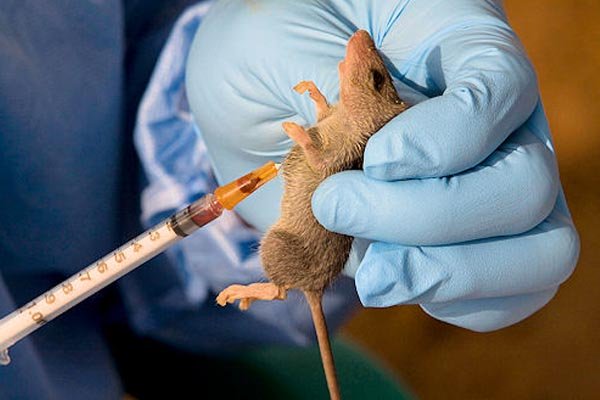
The Lassa virus causes the fever which is mostly transmitted to humans through food and household items contaminated by the faeces or urine of infected rats.
Earlier in 2024, Yakubu Baba, the registrar of the Environmental Health Council of Nigeria (EHCON), advised Nigerians to avoid consuming bush meat while stating that its preparation process does not ensure the meat is free from viruses.
Lassa fever cases hit 1,035 in Nigeria, Ondo, Edo, Bauchi lead










Health
NAFDAC Raises Alarm Over Toxic Pesticides in Beans, Seizes ₦800m Banned Chemicals

The National Agency for Food and Drug Administration and Control (NAFDAC) has raised the alarm over the detection of dangerous pesticide residues in some samples of beans sold in Nigeria, warning that the misuse of agricultural chemicals poses serious risks to public health.
The agency also disclosed that it seized banned agrochemicals worth more than ₦800 million in Ogun, Ondo, Osun and Oyo states in 2025, as part of efforts to prevent prohibited chemicals from entering the food supply chain.
NAFDAC Director-General, Professor Mojisola Adeyeye, disclosed the findings during a media briefing on pesticide safety in Lagos on Friday, October 9, 2026.
According to the agency, a recent market study detected residues of pyrethroids and dimethoate above permitted safety limits in some bean samples, raising concerns about the improper use of pesticides to preserve harvested agricultural produce.
Adeyeye explained that although pesticides play an important role in crop protection, their use must comply with approved regulations and safety instructions.
She warned that the misuse of chemicals, excessive application and failure to observe the prescribed waiting period between pesticide application and harvesting could expose consumers, farmers and the environment to harmful substances.
The NAFDAC chief stressed that a pesticide approved for use on crops in the field is not automatically suitable for preserving harvested food products.
She specifically cautioned against using dimethoate to preserve harvested beans against pests such as weevils, noting that the chemical was not approved for that purpose.
READ ALSO:
- 2027: Ekiti Driver Takes ₦3.5m Loan to Back Tinubu’s Re-election Bid
- 2023 Election: Tinubu’s Camp Dares Obi to Produce Evidence He Won Presidential Poll
- ‘Mad People’: Presidency Fires Back at Amaechi Over Tinubu Re-Election Remarks
While certain pyrethroids are permitted for post-harvest storage under approved conditions, she said users must follow the prescribed instructions and safety requirements.
Adeyeye identified common violations to include applying excessive quantities of pesticides, using products on crops for which they were not approved, harvesting before the recommended waiting period and improperly mixing chemicals.
She also warned against storing pesticides alongside food, animal feed or household items, reusing empty chemical containers for domestic purposes and disposing of pesticide waste carelessly.
NAFDAC Seizes Banned Chemicals Worth ₦800m
Providing details of the agency’s enforcement operations, Adeyeye said NAFDAC seized banned agrochemicals worth more than ₦800 million in Ogun, Ondo, Osun and Oyo states in 2025.
She added that enforcement operations in the North-West between September 2024 and July 2026 resulted in the seizure, interception or recovery of 2,974 cartons of pesticides containing paraquat, valued at approximately ₦148.7 million.
The agency also intercepted 120 cartons of pesticides containing chlorpyrifos, valued at more than ₦17 million, during the same period.
In a separate operation in Kebbi State, authorities intercepted 5,619 cartons containing 67,428 litres of paraquat, alongside 500 cartons of atrazine products.
The agency said the affected chemicals were among products prohibited under its regulatory measures, with the applicable phase-out periods for paraquat, chlorpyrifos and atrazine ending on January 1, 2026.
NAFDAC also disclosed that it sealed four unauthorised pesticide and agrochemical manufacturing facilities in Bichi, Kano State, in July 2026. Officials reportedly discovered unlabelled products, bulk chemicals and packaging materials associated with illegal production.
Adeyeye said suspects had been arrested in connection with enforcement operations, with one case undergoing prosecution.
She attributed the continued circulation of banned pesticides partly to illegal importation, unauthorised local production and distribution through unofficial supply channels.
The agency also announced restrictions on the 100-millilitre pack size of dichlorvos, prohibiting its importation, manufacture and sale in open markets and supermarkets because of concerns about its misuse on agricultural produce and other risks.
NAFDAC Warns Farmers, Dealers and Consumers
Adeyeye urged farmers to purchase pesticides from recognised agro-input dealers, use only approved products and follow label instructions, including recommended quantities and pre-harvest waiting periods.
Manufacturers, importers, distributors and retailers were also warned to comply with regulatory requirements, while businesses involved in illegal production and distribution could face enforcement action and prosecution.
The agency said it was strengthening surveillance, laboratory testing, inspections and collaboration with law enforcement authorities to identify and remove prohibited chemicals from circulation.
It has also trained more than 2,000 agro-input dealers on responsible pesticide handling and application, while expanding its enforcement zonal offices from three to six to improve regulatory coverage.
Deputy Director of Veterinary Medicine and Allied Products at NAFDAC, Dr Idayat Mudshiru, said continued engagement with farmers and other stakeholders was essential to reducing pesticide misuse.
She said the agency was working with industry stakeholders, including CropLife, to improve public awareness and promote safe handling and application of agricultural chemicals.
The agency emphasised that protecting Nigerians from harmful pesticide residues requires coordinated action across the agricultural value chain, from chemical manufacturers and importers to dealers and farmers.
The findings underscore the importance of food safety monitoring and proper pesticide management, particularly for staple foods such as beans that are widely consumed in Nigerian households.
NAFDAC Raises Alarm Over Toxic Pesticides in Beans, Seizes ₦800m Banned Chemicals
Health
NAFDAC Disowns Viral Fake Products List, Warns Nigerians of Misinformation

NAFDAC Disowns Viral Fake Products List, Warns Nigerians of Misinformation
The National Agency for Food and Drug Administration and Control (NAFDAC) has warned Nigerians against circulating a viral social media list alleging that several products sold in the country are fake, adulterated or substandard, saying the list is not an official communication from the agency.
The warning comes amid growing concern among consumers over the authenticity and safety of products available in Nigerian markets, with unverified claims circulating online about food, beverages, medicines and other consumer goods.
NAFDAC cautioned that sharing unconfirmed allegations could mislead the public, trigger unnecessary panic and damage the reputation of legitimate manufacturers, distributors and retailers.
The agency stressed that the appearance of a product or brand on a social media list does not automatically establish that it is counterfeit, adulterated or unsafe for consumption or use.
According to the regulator, claims about the safety or quality of products must be assessed through appropriate regulatory procedures, including investigations, product sampling and laboratory testing where necessary.
NAFDAC also explained that official product alerts and recall notices contain verifiable information about the affected products and any regulatory action taken. Consumers were therefore urged to distinguish between confirmed safety warnings and claims circulated by individuals or unofficial social media accounts.
The agency advised Nigerians to consult its official communication channels for information on product recalls, safety alerts, counterfeit medicines and substandard consumer goods before acting on or sharing such claims.
READ ALSO:
- ‘Mad People’: Presidency Fires Back at Amaechi Over Tinubu Re-Election Remarks
- ‘What Happens on Day 31?’ Atiku Slams Tinubu’s 30-Day Fuel Discount as Election-Laced Package
It further encouraged consumers to report suspected fake or adulterated products to the appropriate authorities for investigation rather than relying solely on viral posts.
NAFDAC warned that the indiscriminate circulation of unverified product allegations could have serious consequences for businesses whose products are wrongly identified, while also making it more difficult for consumers to distinguish genuine safety warnings from misinformation.
The agency’s position highlights the importance of verifying product-related information, particularly when allegations involve widely used brands or essential household items.
Consumers should check the details of any official warning, including the product name, batch number, registration details and instructions issued by the regulator. Where a specific product has been recalled or flagged, the applicable notice should guide consumers on whether to stop using it or take other recommended precautions.
The public is also encouraged to report suspicious products, misleading labels and suspected counterfeit goods through NAFDAC’s official reporting channels.
The agency reiterated the importance of protecting public health and urged Nigerians to verify claims before sharing them online.
Consumers should note that the warning about the viral list does not mean every product named in it has been independently cleared as safe. The status of any particular product should be determined through verified regulatory information and applicable official notices.
NAFDAC Disowns Viral Fake Products List, Warns Nigerians of Misinformation
Health
‘We Are Ignorant, We Don’t Read’ — NAFDAC DG Raises Food Safety Concerns
‘We Are Ignorant, We Don’t Read’ — NAFDAC DG Raises Food Safety Concerns
The Director-General of the National Agency for Food and Drug Administration and Control (NAFDAC), Prof. Mojisola Adeyeye, has said poor understanding of food safety guidelines and regulatory responsibilities remains a major challenge in Nigeria.
Adeyeye made the remarks while explaining the roles of government agencies in regulating food products and agricultural practices across the country.
“We are ignorant in this country. We are very ignorant. We don’t read. We don’t understand,” the NAFDAC DG said.
She explained that several government agencies are responsible for different stages of the food chain, from production on the farm to consumption, stressing that NAFDAC’s mandate primarily covers processed and semi-processed foods.
According to Adeyeye, the Federal Ministry of Agriculture has the primary responsibility for fresh agricultural produce sold in markets.
“NAFDAC mandate is for processed or semi-processed foods. So the oranges you buy in the market, we don’t control the oranges you buy in the market,” she said.
However, she said NAFDAC has regulatory responsibilities when pesticides are used in agricultural production because the agency approves, regulates and controls such products.
Adeyeye said NAFDAC works with the Ministry of Agriculture to train farmers on the proper use of pesticides, including the quantity to apply and the appropriate period between treatment and harvesting.
READ ALSO:
- 2027: Galadima Alleges APC Offering N50m, N200m to Lawmakers to Step Aside
- ‘No Decent Wages, No Credible Elections’ — Sowore Threatens 2027 Boycott
- NSITF Exposes Fake Recruitment Scam, Warns Nigerians Against Fraudsters
She said some farmers may misuse agricultural chemicals because they do not fully understand instructions on pesticide labels.
“We have about 56 per cent illiteracy. If it’s a literate country, they will read: ‘Put one teaspoon in one gallon.’ Sometimes our people don’t understand. And they think the more you put, the better,” she said.
The NAFDAC chief said the agency’s Veterinary Medicine and Allied Products Directorate also trains farmers and other stakeholders on the appropriate use of pesticides.
She, however, noted that NAFDAC cannot independently reach the entire farming population because of the number of farmers across the country.
“We cannot go to one million farmers in Nigeria. NAFDAC cannot do that. It is the Ministry of Agriculture that should be doing that,” Adeyeye said.
She added that while NAFDAC has an obligation to support farmer education because of its role in regulating pesticides, the Ministry of Agriculture should take the lead in educating farmers on fresh produce and agricultural practices.
Adeyeye also said many Nigerians do not understand the specific responsibilities of government agencies involved in food regulation, resulting in misplaced expectations about what NAFDAC can regulate.
The comments come amid continuing concerns over food safety, pesticide misuse, counterfeit products and consumer protection in Nigeria.
Adeyeye disclosed that NAFDAC receives more than 200 complaints from Nigerians through its complaint channels each month. The agency also reported receiving 225 complaints involving suspected counterfeit products in August.
She said complaints from consumers provide important leads for NAFDAC’s investigations and enforcement activities.
The agency has continued to urge Nigerians to pay attention to product information, follow safety instructions and report suspected counterfeit, substandard or unsafe products through its established channels.
‘We Are Ignorant, We Don’t Read’ — NAFDAC DG Raises Food Safety Concerns
-

 metro3 days ago
[UPDATED] 20 NYSC Prospective Corps Members Freed After Seven Days in Captivity
-

 metro2 days ago
EFCC Re-Arraigns Two Over Alleged £110,000 Money Laundering, ₦500m Fraud
-

 Africa2 days ago
FBI Raids Ghana Scam Centre, Detains Over 130 in $10m Fraud Probe
-
metro2 days ago
How Parents Raised Millions to Free 20 Abducted NYSC Members
-

 Sports3 days ago
Ronaldo Pays Emotional Tribute to Messi After Argentina Farewell
-

 metro2 days ago
[UPDATED] Lagos Train Crash: 55-Year-Old Motorist Survives as Honda Car Is Wrecked at PWD Crossing
-

 News2 days ago
World Bank Raises Nigeria Growth Forecast, Demands More Jobs, Poverty Reduction
-

 Politics3 days ago
Killings, Hardship: Northern Islamic Clerics Tell Tinubu to Drop 2027 Ambition