

News
Anambra Debt Row: Presidency Challenges Peter Obi as State Releases N127.4bn Loan Records
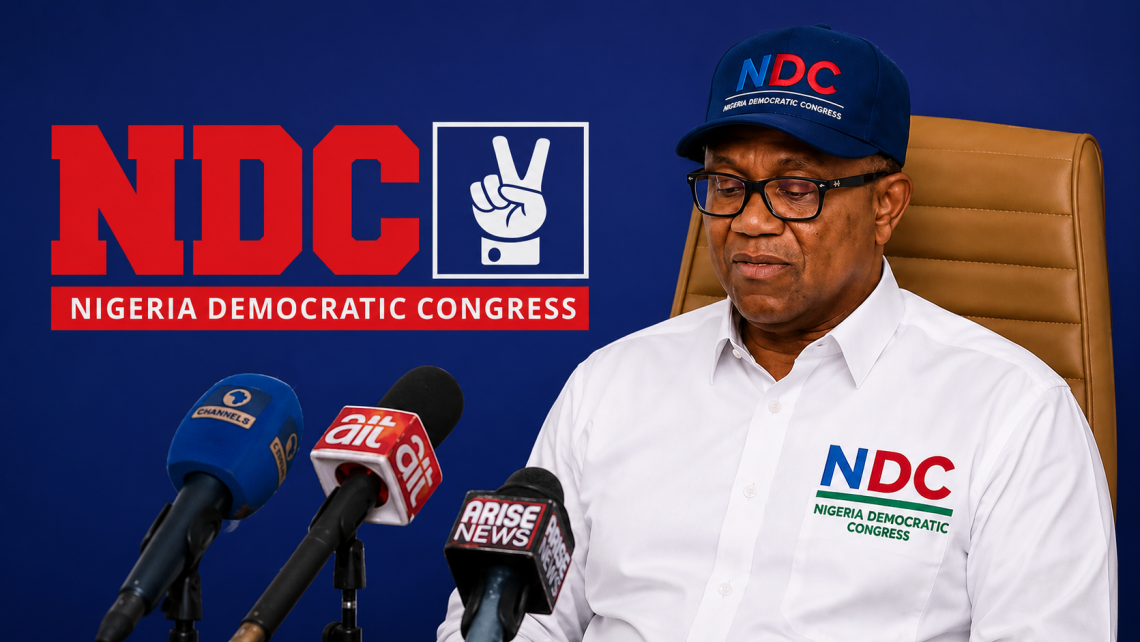
Anambra Debt Row: Presidency Challenges Peter Obi as State Releases N127.4bn Loan Records
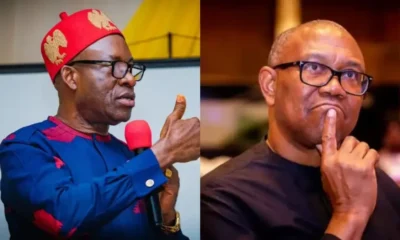
The controversy over the financial record of former Anambra State Governor Peter Obi has intensified after the Anambra State Government released details of eight external loans it said were contracted during his tenure, prompting a fresh challenge from the Presidency.
The dispute centres on whether Obi left Anambra State with outstanding financial obligations when he handed over power to Willie Obiano on March 17, 2014, with the former governor maintaining that his administration cleared the liabilities for which it was responsible.
The latest figures released by the state government put the total external loans contracted during Obi’s administration at $123.77 million, with $92.35 million still outstanding as of June 30, 2026. The state valued the outstanding balance at approximately ₦127.4 billion using the applicable official exchange rate.
The figures were contained in a statement by the Anambra State Commissioner for Information and Value Reorientation, Law Mefor, following Obi’s rejection of claims that his administration left behind unpaid debts, salaries, pensions, gratuities and other liabilities.
The state government said the eight external borrowings were associated with projects covering malaria control, healthcare, education, erosion management, community development and agricultural value-chain development. It also said the current administration continues to make payments towards servicing the loans.
The breakdown released by the state showed that the loans included the Malaria Control Booster Project, the Third National Fadama Development Project, the Health System Development Project II, the State Education Programme Investment Project, the Community and Social Development Project, the Nigeria Erosion and Watershed Management Project and the Value Chain Development Project.
READ ALSO:
- South African Woman Jailed 25 Years for Smuggling 5.75kg Heroin into Nigeria
- Adunni Ade Reveals Christian Fans Unfollowed Her After Publicly Identifying as Muslim
- Jetour Set to Storm Abuja Show with Rugged Luxury T2
The state said the largest outstanding balances were associated with the State Education Programme Investment Project and the Nigeria Erosion and Watershed Management Project, which together accounted for a substantial portion of the reported balance.
The Anambra Government has stressed that its position is not that borrowing by a government is inherently improper. Rather, it said the issue was the identification of financial obligations incurred during previous administrations and the extent to which such obligations remained outstanding and were subsequently serviced by later governments.
The state has also challenged Obi’s account of an alleged ₦2.13 billion ecological fund which he said was available when he left office.
Obi had maintained that the money was released shortly before the end of his tenure for the Oko/Umuchiana erosion project and was deliberately left untouched because it was tied to the project. He also said his administration left more than ₦75 billion in savings and investments.
The Anambra Government, however, disputed the former governor’s description of the account. Mefor said a certified statement from First Bank showed that the account identified by Obi was an Internally Generated Revenue Consolidated Account, and that the records did not contain an inflow or balance corresponding to the ₦2.13 billion ecological fund claimed by the former governor.
The state government also raised issues concerning salary arrears, pensions and gratuities.
Mefor alleged that workers of the former Water Corporation had outstanding salary claims dating back to the period of Obi’s administration and that the current government had been dealing with the obligations through instalment payments.
The state further said Obi’s administration had verified 16 months of salary arrears owed to primary school teachers but paid only five months before leaving office. It said the present administration had subsequently paid about ₦22 billion in inherited gratuity arrears owed to retired state and local government workers and teachers.
Obi has rejected those allegations.
The former governor said his administration cleared more than ₦35 billion in historical gratuities and arrears and handed over the state without outstanding salary, pension or gratuity obligations.
He has also maintained that there were no unpaid liabilities to contractors for projects that had been properly executed and certified before his departure from office. Obi challenged the Anambra Government to provide evidence to support its allegations and said he would withdraw from the 2027 presidential race if it could establish that he left the state with the liabilities being attributed to him.
As the controversy deepened, the Obidient Movement released a copy of what it described as Obi’s 2014 financial handover report.
The document, dated March 17, 2014, reportedly summarised Anambra’s financial position at the end of Obi’s tenure. According to reports on the document, it listed ₦27 billion in local investments, $156 million in foreign-currency investments valued at about ₦26.5 billion, and ₦28.166 billion in certified state and ministry, department and agency balances.
The three figures were reported to total about ₦91.666 billion. After an estimated liability of ₦5 billion was deducted, the document arrived at a reported net balance of ₦86.666 billion.
The release of the handover document has added another layer to the dispute because the document describes the state’s financial position at the point of handover in 2014, while the current Anambra Government is highlighting loans that originated during Obi’s tenure but remained outstanding years after he left office.
The two positions therefore address different aspects of the state’s finances: Obi’s camp is relying on the financial position recorded at handover, while the state government is pointing to the subsequent outstanding balances on external loans and other obligations it says were inherited.
The Presidency has now entered the dispute.
Bayo Onanuga, Special Adviser to President Bola Ahmed Tinubu on Information and Strategy, said the Anambra Government had presented figures and records challenging Obi’s claim that he left the state without outstanding liabilities.
Onanuga asked whether Obi would honour his earlier statement about withdrawing from the 2027 presidential race if evidence emerged contradicting his account of Anambra’s finances.
The Presidency’s intervention has turned the dispute into a broader political issue ahead of the 2027 presidential election, in which Obi is the Nigeria Democratic Congress (NDC) presidential candidate.
Obi’s camp has, however, maintained that the matter should be resolved through documentary evidence rather than political exchanges. His representatives have continued to point to the 2014 handover document and his administration’s account of the financial position it left behind.
At the centre of the controversy is an important distinction between the original amount borrowed and the amount currently outstanding. The Anambra Government says the eight loans totalled $123.77 million when contracted, while $92.35 million remained outstanding as of June 30, 2026. The approximately ₦127.4 billion figure is therefore the reported naira value of the outstanding balance as of that date, not the original amount borrowed.
The dispute remains unresolved publicly, with the Anambra State Government maintaining that it has released records showing outstanding obligations linked to the period of Obi’s administration, while Obi maintains that he handed over the state without the unpaid liabilities alleged against him.
Further clarification will depend on how the underlying loan agreements, debt-servicing records, handover documents and other financial records are interpreted and reconciled.
Anambra Debt Row: Presidency Challenges Peter Obi as State Releases N127.4bn Loan Records







News
‘Dare to Call Tinubu Criminal in Ojota, Oshodi Parks’, Wike’s Aide Mocks Sowore After Ekiti Incident
‘Dare to Call Tinubu Criminal in Ojota, Oshodi Parks’, Wike’s Aide Mocks Sowore After Ekiti Incident
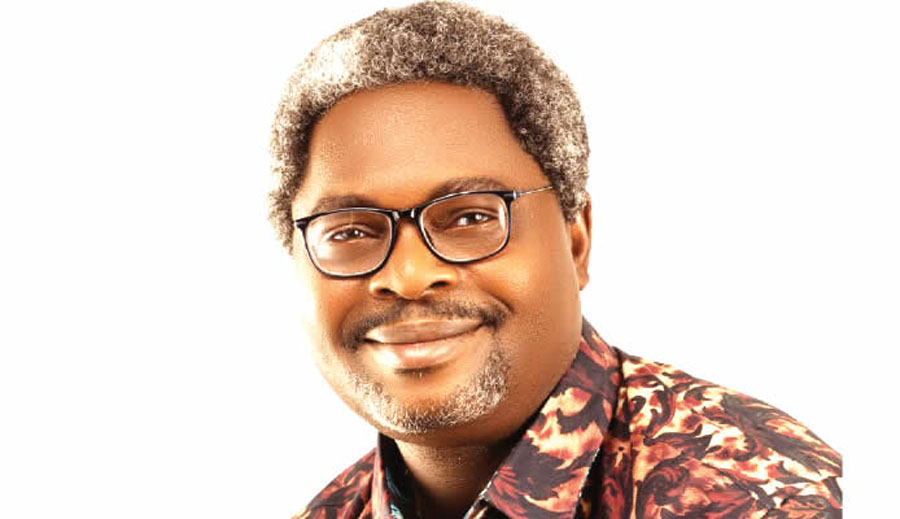
A media aide to the Minister of the Federal Capital Territory, Nyesom Wike, Lere Olayinka, has taken a swipe at African Action Congress (AAC) presidential candidate Omoyele Sowore following the reported attack on the activist and members of his team in Ado-Ekiti, Ekiti State.
Olayinka, Senior Special Assistant on Public Communications and Social Media to Wike, reportedly challenged Sowore to demonstrate his willingness to criticise President Bola Ahmed Tinubu in Lagos motor parks, particularly Ojota, Obalende and Oshodi, which he associated with the President’s political influence.
In a headline published by Daily Post on Sunday, November 1, Olayinka was quoted as daring the activist to call Tinubu a criminal in the three locations.
The reported remarks came amid controversy over the incident involving Sowore and his associates at Tawakalitu Restaurant in the Dalimore area of Ado-Ekiti on Friday, October 30.
Sowore had raised the alarm on social media, alleging that armed men attacked him and members of his team shortly after he participated in a radio interview in the state capital. He also accused operatives of the Department of State Services (DSS) of providing the attackers with information about his location and alleged that the assailants had links to the Ekiti State Government.
The activist initially reported that he had been kidnapped and that his whereabouts were unknown, prompting concerns among his supporters and members of the public.
However, the Ekiti State Police Command disputed the kidnapping claim, saying preliminary information indicated that Sowore and some individuals had been involved in an altercation at a restaurant. The command said its operatives responded to a distress call, rescued those involved and took Sowore to the Police Hospital in Ado-Ekiti for treatment after he sustained an injury.
READ ALSO:
- 2027: ‘Tinubu Must Stay’ Chants Rock Jigawa as NITDA DG Opens Campaign Office
- Trump Steps In as Ghana Demands Justice for 15-Year-Old Boy Shot Dead on Way to School in US
- Adeboye Fires Back at Journalists Over Viral Jonathan Protest Photo, Says It Was Prayer Walk
Sowore rejected the police description of the incident as an altercation, insisting that he and his associates were attacked by armed men. He also accused the police of downplaying the seriousness of the incident.
The controversy took another turn on Saturday when the police announced the arrest of 11 suspects in connection with the incident. According to the command, operatives of its Rapid Response Squad arrested the suspects at their hideout in the Atikankan area of Ado-Ekiti at about 10pm on Friday.
The police said items recovered during the operation included two walkie-talkies, 13 mobile phones, seven ATM cards, two vehicle keys, a flash drive, a mobile internet device and substances suspected to be illicit drugs.
The suspects were taken into custody as investigations continued to establish their individual roles, determine their possible connections with the incident and identify other persons who might have been involved.
The Ekiti State Government also denied allegations linking it to the incident. In a statement issued by the Governor’s Chief Press Secretary, Olayinka Oyebode, the government said it had no involvement and urged the police to conduct a thorough investigation and ensure that anyone found culpable was brought to justice.
Sowore has continued to demand accountability, arguing that the arrest of suspected participants would not be sufficient if those who allegedly planned, financed or coordinated the attack were not identified.
Against this background, Olayinka’s reported comments have added a political dimension to the controversy, drawing attention to the longstanding exchanges between supporters of the Tinubu administration and critics of the President.
Sowore has remained an outspoken critic of the Federal Government, frequently challenging its policies and demanding accountability from public officials. His criticism of the administration has also attracted sharp reactions from political figures and government supporters.
The reported reference to Ojota, Obalende and Oshodi is particularly significant because the locations are associated with prominent transport and commercial activities in Lagos. Olayinka’s reported challenge appeared to question whether Sowore would make similar remarks about Tinubu in those public spaces.
The development has renewed discussions about political tolerance, freedom of expression and the safety of opposition figures and activists who openly criticise government officials.
While political disagreements and sharp exchanges are part of democratic engagement, concerns remain over the use of intimidation, threats or violence against people expressing dissenting views.
The investigation into the Ado-Ekiti incident is ongoing, and the allegations against the arrested suspects have yet to be established in court.
‘Dare to Call Tinubu Criminal in Ojota, Oshodi Parks’, Wike’s Aide Mocks Sowore After Ekiti Incident
News
Tinubu Gets Court Relief as US Judge Rejects Fresh Move in FBI, DEA Case
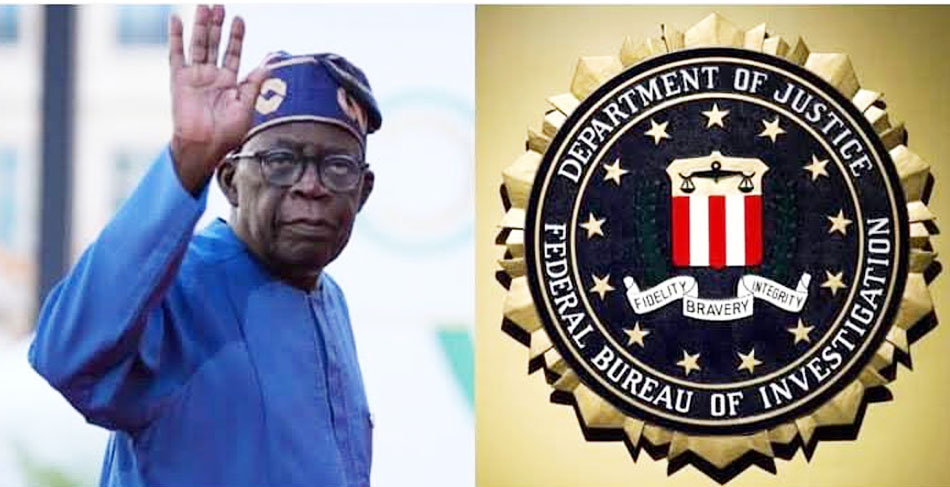
A United States federal court has rejected a fresh attempt by Aaron Greenspan to obtain additional information directly from President Bola Ahmed Tinubu and a Washington-based lobbying firm, DCI Group, in an ongoing legal battle over historical FBI and DEA records.
The ruling, delivered on Friday, October 30, 2026, by the United States District Court for the District of Columbia, dismissed Greenspan’s application to serve additional discovery requests on Tinubu and subpoena documents from DCI Group AZ LLC and/or its parent company.
However, the decision was not an outright victory for the Nigerian President or the American federal agencies, as the court also directed the Federal Bureau of Investigation (FBI) and the Drug Enforcement Administration (DEA) to provide further explanations for withholding certain historical records.
Judge Beryl Howell ruled that Greenspan’s proposed discovery requests were not sufficiently relevant to the central issues in the Freedom of Information Act (FOIA) lawsuit.
The judge emphasised that the application concerned the legal process for obtaining government records and did not establish that Tinubu committed any drug-related offence.
Greenspan, who is representing himself in the lawsuit, had asked the court for permission to serve six interrogatories, four requests for admission and one request for production on Tinubu.
He also sought permission to subpoena documents from DCI Group AZ LLC and/or its parent company.
The proposed discovery was connected to allegations of repeated, large-scale distributed denial-of-service (DDoS) attacks on Greenspan’s website, PlainSite.
Greenspan claimed the alleged cyberattacks disrupted his ability to publish materials relating to the litigation.
He argued that the attacks suggested that some individuals were closely monitoring the case and might have an interest in preventing public access to documents.
However, he did not accuse Tinubu of organising or carrying out the alleged cyberattacks.
In rejecting the application, Judge Howell held that investigating the source of the alleged attacks would not help determine whether the FBI and DEA had conducted adequate searches or lawfully withheld information.
The court consequently found that the proposed discovery failed to meet the relevance and proportionality requirements under American civil procedure rules.
The decision represents another development in the lengthy legal dispute over access to historical American investigative records concerning Tinubu.
The lawsuit, filed on June 12, 2023, followed a series of FOIA requests submitted by Greenspan between 2022 and 2023 to six American government agencies.
The agencies included the FBI, DEA, Central Intelligence Agency (CIA), Internal Revenue Service (IRS), Executive Office for US Attorneys and Department of State.
Greenspan sought investigative records relating to an alleged Chicago-based heroin trafficking and money-laundering operation investigated by American law enforcement agencies in the early 1990s.
Tinubu and another Nigerian, Abiodun Agbele, were among the individuals identified in the requests.
The case took a significant turn in April 2025 when Judge Howell ruled that the FBI and DEA could no longer rely on their earlier refusal to confirm or deny whether the requested records existed.
The judge noted that previous public court documents had already acknowledged aspects of the investigations involving the individuals named in the requests.
The agencies were subsequently required to search for the records and justify any information withheld under applicable FOIA exemptions.
According to the latest court proceedings, the FBI processed 399 pages, releasing 30 pages in full while withholding others entirely or partially. The agency also identified 59 duplicate pages.
The DEA processed 240 pages but did not release any of them in full.
Significantly, Judge Howell observed that none of the records released by either agency contained Tinubu’s name, despite his inclusion in the original requests.
Tinubu had earlier intervened in the proceedings to protect his privacy interests, particularly concerning personal information contained in the historical investigative records.
His legal team argued that sensitive personal information should not be disclosed, maintaining that the President’s privacy interests deserved protection.
However, Judge Howell questioned some of the agencies’ reliance on privacy exemptions, noting that Tinubu was already a public official during the period covered by the records, having been a candidate for and subsequently a member of the Nigerian Senate.
The court also recognised the public interest in understanding how American law enforcement agencies investigated the historical case and handled the records.
Beyond rejecting Greenspan’s discovery application, the judge delivered a mixed decision on the substantive FOIA dispute.
Judge Howell granted the FBI summary judgment concerning the adequacy of its search and its reliance on one statutory exemption but rejected the broader summary judgment applications by both sides on the remaining issues.
The judge particularly questioned some of the FBI and DEA’s explanations for withholding information under statutory exemptions relating to personal privacy, confidential sources and potential harm to individuals.
One issue concerned the FBI’s continued redaction of information from an affidavit by an IRS special agent, Kevin Moss, which had previously appeared in public court records.
The court questioned why some information already available in public documents remained withheld in the agencies’ disclosures.
Judge Howell also found that some of the agencies’ explanations did not adequately demonstrate the foreseeable harm that could result from releasing the disputed information.
Consequently, the FBI and DEA were directed to prepare supplementary declarations explaining their continued withholding of certain records.
The agencies were also ordered to confer with Greenspan and propose an expedited schedule for further proceedings.
The October 30 ruling did not order the immediate release of additional records. Any further disclosure will depend on whether the agencies can provide sufficient legal justification for their withholding decisions and satisfy the court’s requirements.
For Tinubu, the decision means Greenspan cannot use the proposed discovery process to obtain additional information directly from him or DCI Group in the manner requested.
However, the wider legal battle over access to the historical investigative records remains unresolved.
Importantly, the lawsuit is a Freedom of Information Act dispute, not a criminal trial against the Nigerian President. The latest ruling does not establish that Tinubu committed any drug-related offence, nor does it amount to a judicial determination of his guilt or innocence regarding the historical allegations.
The next stage of the proceedings will focus on the supplementary explanations from the FBI and DEA and whether the agencies can justify continuing to withhold the disputed records.
Tinubu Gets Court Relief as US Judge Rejects Fresh Move in FBI, DEA Case
News
2027 Presidency: Allah’s Will Must Prevail, Tinubu Declares in Makkah
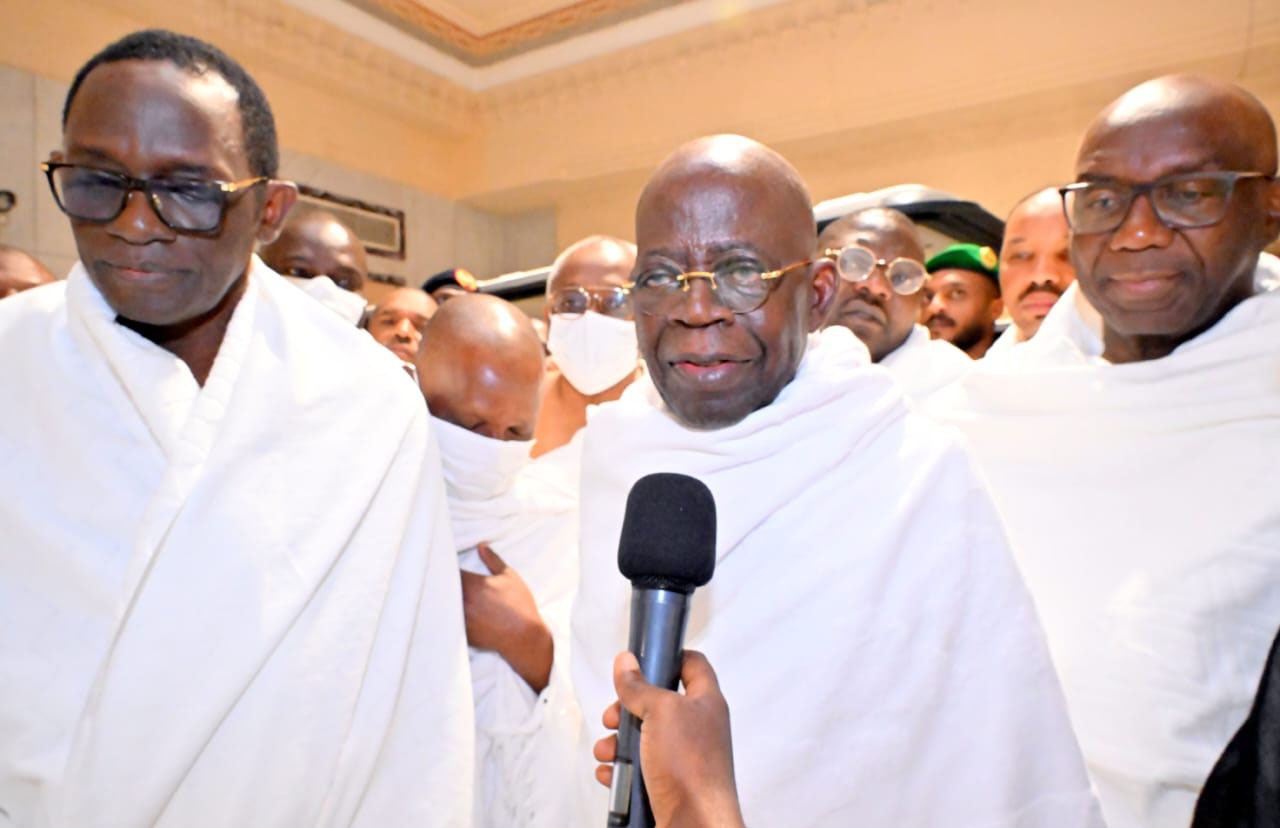
President Bola Ahmed Tinubu has declared that the will of Almighty Allah must prevail in determining who leads Nigeria after the 2027 presidential election, saying his political future ultimately rests in God’s hands.
Tinubu made the declaration in Makkah, Saudi Arabia, shortly after performing the lesser Hajj, known as Umrah, at the Grand Mosque, Masjid al-Haram, on Friday.
The President spoke while responding to journalists who asked about the significance of his return to the holy city after visiting Makkah ahead of the 2023 presidential election, which he won.
Tinubu described the visit as significant, expressing confidence in divine guidance and acknowledging that the outcome of the forthcoming political contest was beyond human control.
“I believe the love of the people, the commitment to the job, and the physical commitment to it. I believe that Allah’s wish in His court must prevail. And there’s no other God but Allah,” he said.
He added that Allah alone determines what a person becomes in life, stressing the importance of faith and prayer as Nigeria approaches another electoral cycle.
The President also described the pilgrimage as a spiritual experience for him and the country, saying he felt fulfilled after completing the religious rites.
“It’s a spiritual thing for me and the country, Nigeria. I’m grateful to Allah for this opportunity,” he said.
READ ALSO:
- Rhodes-Vivour Tackles Lagos Government Over Threat to Seal Residents’ Boreholes
- EPL: Chelsea Hand Manchester United 2-0 Defeat to Deepen Carrick’s Crisis
- Sowore’s Ekiti Clash: How Argument Over Hunger, Tinubu’s Govt Triggered Fight — Source
Tinubu said he and members of his delegation had prayed for Nigeria, particularly for peace, unity, harmony and happiness among citizens.
“We just prayed for our nation. We prayed for everyone to live in harmony, happiness, and faith in God Almighty,” he added.
The President’s comments come as political activities gather momentum ahead of the 2027 general election, in which he is seeking another presidential mandate under the platform of the All Progressives Congress (APC).
Tinubu formally launched his re-election campaign at a rally in Kaduna on October 24, urging supporters to give him another term in office.
His major challengers include former Vice-President Atiku Abubakar, who is associated with the African Democratic Congress, and Peter Obi, the presidential candidate of the Nigeria Democratic Congress, among other political contenders.
The President’s Makkah visit also provided an opportunity for members of his delegation to seek divine intervention for Nigeria, particularly over insecurity, national unity and the conduct of the forthcoming elections.
Chairman of BUA Group, Abdul Samad Rabiu, who accompanied Tinubu, said the delegation had prayed for lasting peace, national unity and a successful electoral process.
Rabiu described the visit as an opportunity to seek God’s intervention at a critical period in the country’s political development.
He said the delegation would continue praying for peaceful, free and fair elections, expressing hope that Nigeria would overcome its challenges.
Governor Babagana Zulum of Borno State also emphasised the need for lasting peace and stability, saying security remained essential to the country’s future and the success of the electoral process.
Zulum said Nigerians needed to work towards national unity and peaceful coexistence, adding that the delegation had prayed for an end to insecurity.
Governor Ahmadu Fintiri of Adamawa State described the pilgrimage as part of a collective effort to seek divine guidance for the country and its electoral process.
He said the delegation had prayed for God to grant Nigerians the leadership and future that would serve their interests.
Governor Ahmad Aliyu of Sokoto State also said the visit provided an opportunity for the country’s leaders to pray for peace, stability and progress.
Meanwhile, Tinubu’s Special Adviser on Media and Special Duties, Tunde Rahman, said the President had maintained a longstanding practice of undertaking spiritual visits to seek divine guidance.
Rahman said he had accompanied Tinubu on such visits since around 2016, adding that the President regularly used the opportunity to pray for himself and the country.
He described the current pilgrimage as particularly important because Nigeria was approaching another general election.
In a separate statement, the President’s Special Adviser on Information and Strategy, Bayo Onanuga, said Tinubu performed the Umrah in the early hours of Friday and offered prayers of gratitude to Allah for Nigeria and its people.
According to the statement, the President prayed for sustainable peace, national unity, harmony and stability, while asking God to guide the country’s leaders and grant Nigeria lasting relief from insecurity and other challenges.
Tinubu also reaffirmed his administration’s commitment to building a peaceful and prosperous country where Nigerians, irrespective of their religious or social backgrounds, could live in safety and dignity.
The President departed Abuja for Saudi Arabia on Thursday, October 29, and is expected to return to Nigeria next week after completing the spiritual exercise.
2027 Presidency: Allah’s Will Must Prevail, Tinubu Declares in Makkah
-
 metro3 days ago
Captured Bandit Exposes Alleged Military Arms Supplier, Claims Gang Collected ₦1bn From Two Customs-Linked Kidnappings
-
 metro1 day ago
Ogun Murder: Suspect Reveals How He Strangled, Macheted Retired Civil Servant Over N3.45m
-
 Politics1 day ago
2027: G100 Coalition Moves to Unite Opposition as Leaders Meet Cardinal Onaiyekan
-
 Africa3 days ago
Midnight Horror : Woman Slaughters Husband, Two Children, Escapes Murder Conviction
-
 metro2 days ago
‘You Must Treat Me With Respect’ – Oshiomhole Blasts Rufai Oseni During Heated Live TV Interview
-

 metro1 day ago
N100,000 Deposit: FG Opens Homeownership Window for Teachers, Nurses, Police Officers
-

 International1 day ago
Romance Scam: FBI Declares Nigerian Woman Wanted, Offers ₦6.7m Reward
-
 metro1 day ago
₦50,000 Monthly Relief: FG Begins Cash Payments to Vulnerable Nigerians