

Politics
APC Defends Betta Edu’s Appointment to Tinubu 2027 Campaign: “It’s an Internal Party Affair”
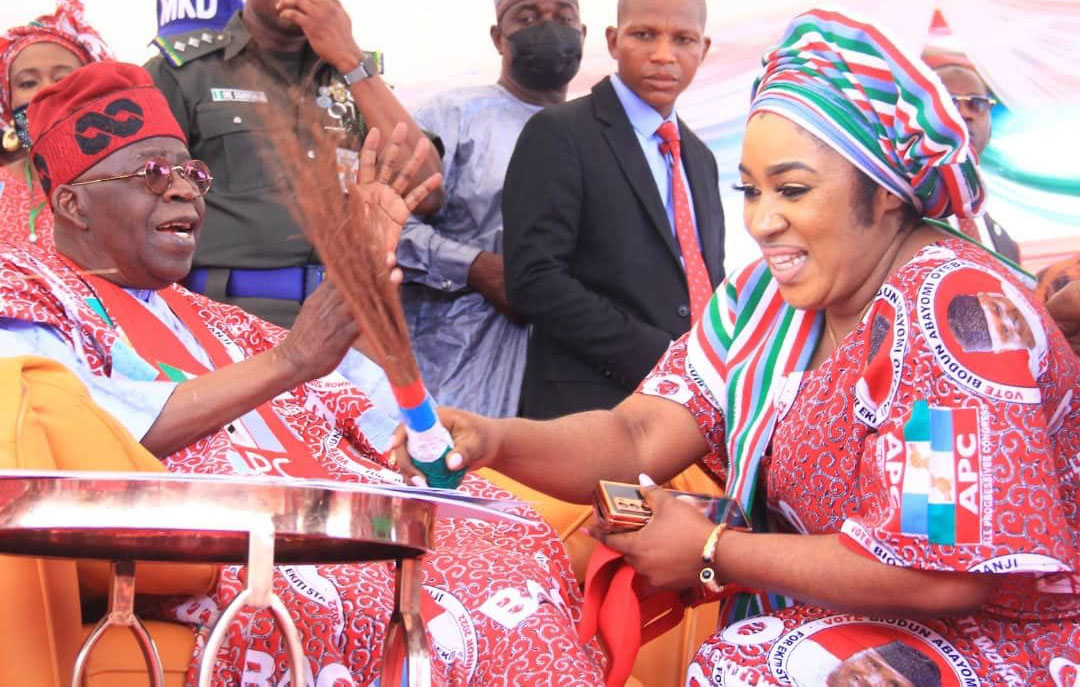
APC Defends Betta Edu’s Appointment to Tinubu 2027 Campaign: “It’s an Internal Party Affair”
The ruling All Progressives Congress (APC) has brushed aside public outcry over the appointment of suspended former Minister Betta Edu to President Bola Tinubu’s 2027 re-election campaign council, insisting the decision is a private party matter that does not require public approval.
The All Progressives Congress Presidential Campaign Council has firmly defended its decision to appoint Betta Edu, the suspended former Minister of Humanitarian Affairs and Poverty Alleviation, to a key role in President Bola Tinubu’s 2027 re-election campaign, despite her ongoing investigation by the Economic and Financial Crimes Commission (EFCC) for an alleged N585 million fraud scandal. Speaking on Channels TV on Monday, Kemi Asekun-Shittu, spokesperson for the APC Presidential Campaign Council, justified the appointment, arguing that it falls strictly within the party’s internal prerogatives and is “not a public thing.”
When pressed on why the party would appoint a figure publicly embroiled in a high-profile corruption case, Asekun-Shittu offered a three-pronged defense. She began by framing the appointment as an internal party decision, stating, “I need you to see it from this angle. It is an internal party affair if we decide that she is going to be useful, and be able to work on behalf of the party, she does have a right. It is not a public thing.” The spokesperson emphasized that the APC, as a political organization, has the discretion to select individuals it deems valuable for its campaign machinery, regardless of their legal standing. She further invoked the constitutional principle of presumption of innocence, arguing that Edu has not been convicted by any court of law. “I’d like to say that for Betta Edu, for example, she has not been found guilty. And it would be unfair to ask her to leave her life or refuse to live until the EFCC declares her,” she said, expressing confidence that there is a “very likely issue that she may not be found guilty” as the investigation unfolds. While defending the appointment, Asekun-Shittu conceded that the EFCC probe remains active, admitting, “That matter is still with the EFCC; it is being handled,” without providing a timeline for when the investigation might conclude.
READ ALSO:
- Adeleke explains two-year extension of UNIOSUN VC’s tenure
- Court restrains NMDPRA from shutting down Dangote Refinery over regulatory dispute
- Saka fires Arsenal to narrow win over Aston Villa in Arteta’s 250th Premier League game
Betta Edu was suspended from her ministerial position in January 2024 following allegations that she directed N585 million in public funds—earmarked for vulnerable citizens—to be diverted into a private bank account. The scandal triggered widespread public outrage and prompted President Tinubu to order a thorough EFCC investigation. The EFCC has since confirmed that it has recovered over N30 billion in connected investigations, though Edu’s specific case remains open. Dele Oyewale, EFCC spokesperson, told the People Gazette: “I cannot give you a one-word answer. But the thing I can say concerning her matter is that investigations are still ongoing.” Despite her suspension and subsequent removal from the cabinet in 2024, Edu was appointed on August 22, 2026 as Director of Women Mobilisation for Tinubu’s 2027 campaign, a role that positions her at the forefront of grassroots outreach to female voters.
The Betta Edu appointment is not an isolated incident, as the 2027 campaign council list, unveiled by Bayo Onanuga, Tinubu’s spokesperson, includes several other figures with significant legal and ethical baggage. Among them is Ngozi Olejeme, appointed as Zonal Director of Election Planning, who is facing trial for alleged N1 billion fraud and was previously declared wanted by the EFCC. Also included are Jolly Nyame and Joshua Dariye, both former governors who have been convicted of looting multi-billion-naira public funds. Additionally, serving public officials such as Zacch Adedeji, the Chairman of the Federal Inland Revenue Service (FIRS), and Tanimu Yakubu, Director-General of the Budget Office, have been named as members, raising concerns over the mixing of governance responsibilities with partisan campaigning. The inclusion of convicted former governors Nyame and Dariye has drawn particular criticism, as both had been found guilty of corruption charges while in office.
The appointments have sparked a wave of criticism from opposition parties, civil society organizations, and legal practitioners. The African Democratic Congress (ADC) condemned the appointments, suggesting the campaign council serves as a “rehabilitation system” for politically exposed persons facing corruption probes, and questioned the government’s commitment to the anti-corruption agenda it campaigned on in 2023. Nigerian lawyers have expressed mixed but largely critical views, with Kano-based lawyer Umar Usman Danbaito telling the People Gazette: “While there may be no legal barrier to the appointments, there are serious moral and ethical concerns. These appointments send bad signals to the electorate and could erode public trust in the government’s anti-corruption fight.” Other legal observers have warned that including serving public officials like the FIRS Chairman and Budget Office Director-General could blur the constitutional lines between governance and partisan campaigning, potentially violating the Code of Conduct for Public Officers.
When contacted for an update on Betta Edu’s investigation, EFCC spokesperson Dele Oyewale declined to provide a definitive timeline, stating only that “investigations are still ongoing.” This lack of resolution—nearly three years after her suspension—has fueled public skepticism about the Nigerian government’s commitment to prosecuting high-profile corruption cases, especially involving political allies, and has raised questions about the effectiveness and independence of the EFCC in handling politically sensitive matters.
Political analysts suggest the APC’s decision to appoint controversial figures reflects a strategy that prioritizes political loyalty and grassroots mobilization capacity over public perception of integrity, signaling a calculated political calculus that values organizational strength and electoral utility above public approval. However, critics warn that this approach could alienate reform-minded voters and undermine President Tinubu’s credibility on anti-corruption—a key campaign promise in 2023 that helped secure his victory. As the 2027 elections approach, the APC campaign council composition is likely to remain a contentious issue, with the opposition expected to weaponize these appointments in their electoral campaigns, framing the ruling party as indifferent to accountability and captured by corrupt interests.
APC Defends Betta Edu’s Appointment to Tinubu 2027 Campaign: “It’s an Internal Party Affair”










Politics
2027: ADC Vows to Collate, Share Polling-Unit Results Despite INEC Warning
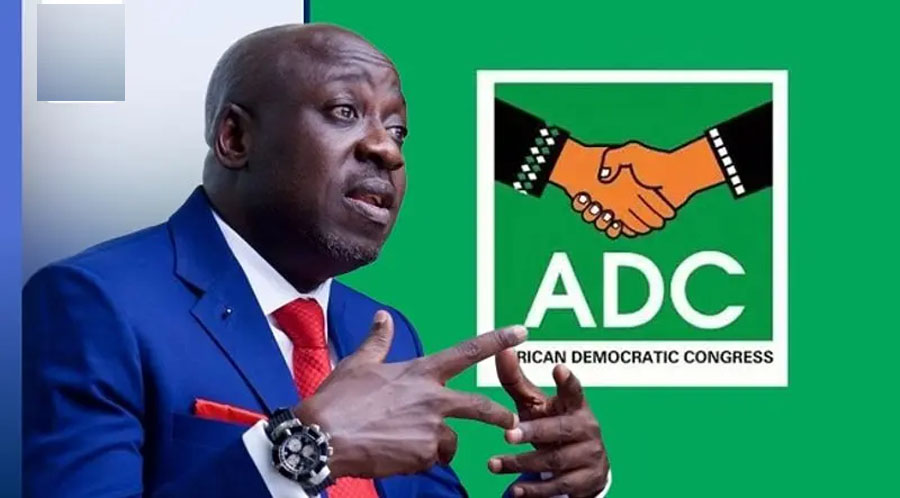
2027: ADC Vows to Collate, Share Polling-Unit Results Despite INEC Warning
The African Democratic Congress (ADC) has vowed to independently document, collate and share polling-unit results during the 2027 general elections, despite a warning from the Independent National Electoral Commission (INEC) against the publication of privately collated results.
The ADC said its plan is aimed at protecting votes cast for its candidates and ensuring that results announced at the end of the electoral process reflect the figures recorded at polling units.
The party’s National Publicity Secretary, Bolaji Abdullahi, said the ADC recognised INEC’s statutory responsibility to collate and officially declare election results, but maintained that citizens and political parties have the right to collect and share information, including election results.
Abdullahi’s position followed a recent warning by INEC Chairman, Professor Joash Amupitan, against the sharing of privately collated election results.
The ADC argued that independently gathering and publishing polling-unit figures does not prevent INEC from carrying out its constitutional responsibility to conduct the election, collate official results and declare winners.
Under Nigeria’s electoral system, INEC conducts the official collation and declaration process through various levels, from the Registration Area and Local Government Area to state and, for the presidential election, the national level.
READ ALSO:
- Court Grants Alleged Fake JAMB Registrar N50m Bail, Sets Strict Conditions
- NESREA to Honour Lagos Baale After Dramatic Rescue of Endangered Sea Turtle
-
How Six Members of a Family Were Murdered in Oyo
The ADC said its independent collation would provide its candidates and supporters with their own record of results from polling units and allow them to compare those figures with results emerging through the official process.
The party has previously said its decision was influenced by the 2023 general elections, when concerns arose over the electronic transmission of results to the INEC Result Viewing Portal (IReV).
Abdullahi had said the party would no longer rely solely on INEC to protect its votes, arguing that political parties must put their own mechanisms in place to monitor results from polling units through the collation process.
The ADC has also raised concerns about the appointment of Returning and Collation Officers for the 2027 elections.
In September, the party called on INEC to review the use of academics who had openly expressed support for political candidates in sensitive electoral positions.
It argued that people who had publicly taken partisan positions should not subsequently be assigned responsibilities involving the collation of results or declaration of winners in elections contested by their preferred candidates.
The party urged INEC to publish the names of proposed Returning and Collation Officers ahead of the elections to allow political parties and members of the public to raise concerns about possible conflicts of interest.
The latest dispute has placed renewed focus on the distinction between independent election monitoring by political parties and the official collation and declaration of results, which remains the responsibility of INEC.
The ADC maintains that its planned collection and publication of polling-unit figures is intended to promote transparency and protect its votes, rather than replace INEC’s official declaration.
As preparations for the 2027 elections intensify, the disagreement highlights the growing debate over how political parties, election observers and citizens should independently monitor results while preserving INEC’s legal authority over the official electoral process.
2027: ADC Vows to Collate, Share Polling-Unit Results Despite INEC Warning
Politics
Killings, Hardship: Northern Islamic Clerics Tell Tinubu to Drop 2027 Ambition
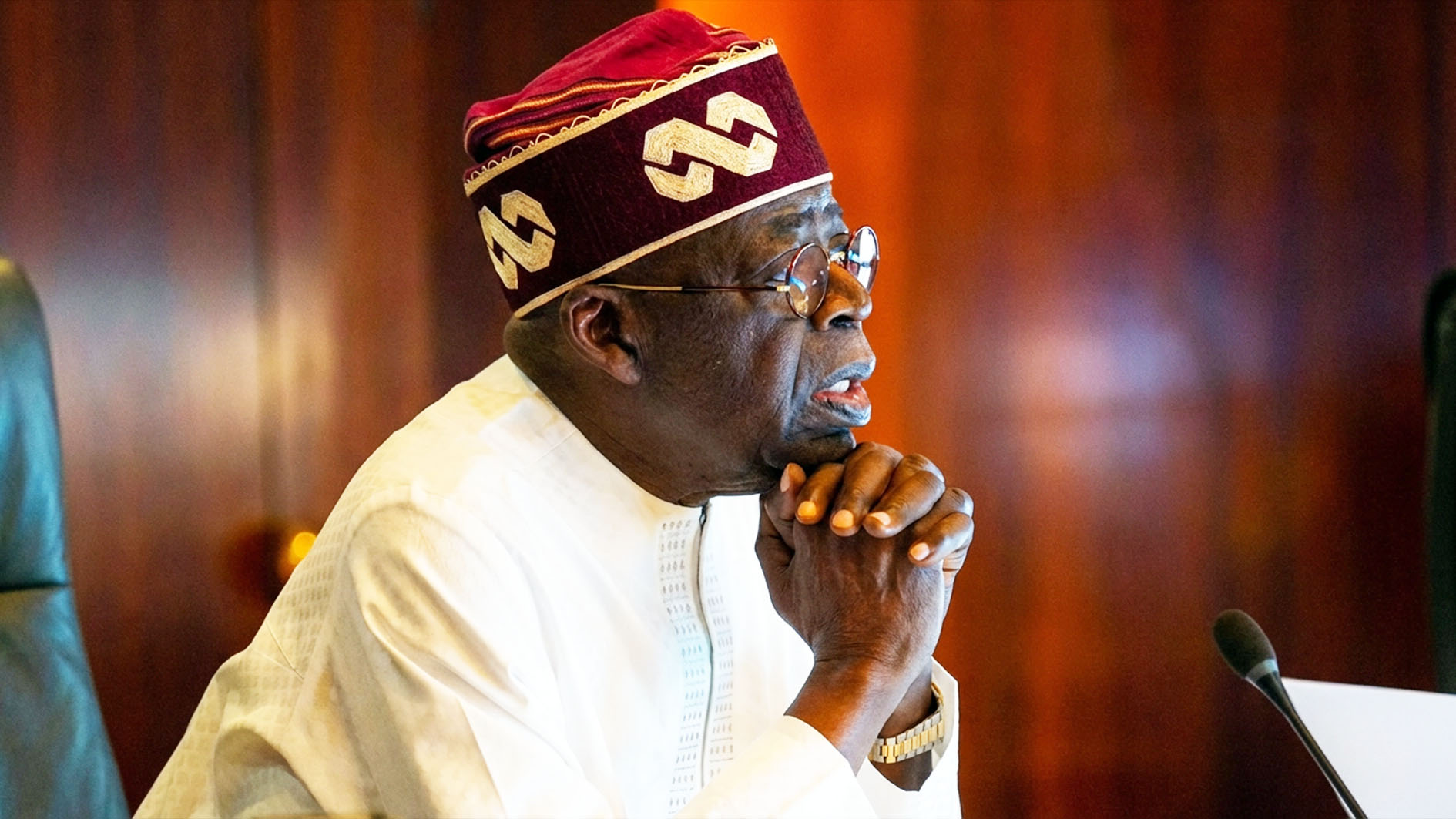
Killings, Hardship: Northern Islamic Clerics Tell Tinubu to Drop 2027 Ambition
More than 1,000 northern Islamic clerics have called on President Bola Ahmed Tinubu to abandon his ambition to seek re-election in 2027, citing persistent killings, kidnappings, terrorism and economic hardship across the country.
The clerics made the demand in a communiqué issued after a national conference in Kano titled “An Assessment of the State of the Nation under President Tinubu and the 2027 General Elections.”
The conference was organised under the Ko Da Naka platform in collaboration with the AFAQ Educational Foundation.
The clerics expressed particular concern over worsening insecurity in the North-West, where communities have continued to face attacks, kidnappings and other forms of violence.
They urged the Federal Government to take stronger and more effective measures to protect lives and property, warning that the security situation should be a major consideration in determining who Nigerians support in the 2027 elections.
The clerics also asked Tinubu to reconsider his plan to seek another term in office.
They said that if the President decides to contest despite what they described as the country’s worsening security and economic challenges, Nigerians should reject his candidacy at the polls.
The group said political leaders must be judged by their performance in office rather than party affiliation, ethnic identity or regional interests.
READ ALSO:
- [UPDATED] 20 NYSC Prospective Corps Members Freed After Seven Days in Captivity
- 2027 Election Cases: CJN Warns Tribunal Judges, Says Conduct Will Be Monitored
- NSCIA Rejects Genocide Claims, Demands Urgent Security Overhaul
The clerics also criticised key economic policies of the Tinubu administration, including the removal of the fuel subsidy, changes to the foreign exchange regime, increases in electricity tariffs and ongoing tax reforms.
They argued that the policies had contributed to rising living costs and increased pressure on households, businesses and vulnerable Nigerians.
According to the clerics, the government should review policies that have increased the cost of living and focus more on improving citizens’ welfare.
They also raised concerns about the continued migration of skilled Nigerian professionals, including doctors, teachers and engineers, to other countries.
The clerics attributed the trend partly to poor working conditions, inadequate facilities, unemployment and economic pressures, urging the government to create better opportunities for professionals to remain in Nigeria.
They further called on Islamic scholars and religious leaders to remain independent and speak against wrongdoing regardless of the political party, ethnicity or religion of those involved.
The clerics urged Nigerians to place national interest above religious, ethnic and political considerations when choosing leaders in 2027.
They said voters should assess political candidates based on their competence, integrity, experience and policies rather than relying solely on party loyalty.
The intervention comes as political parties and presidential aspirants intensify preparations for the 2027 general elections, with insecurity, economic hardship and governance expected to feature prominently in the political debate.
The clerics’ position adds another voice to the growing scrutiny of the Tinubu administration as political activities ahead of the 2027 presidential election gather momentum.
Killings, Hardship: Northern Islamic Clerics Tell Tinubu to Drop 2027 Ambition
Politics
2027: Donald Duke Pledges To Bring Petrol Price Down To N300 Per Litre
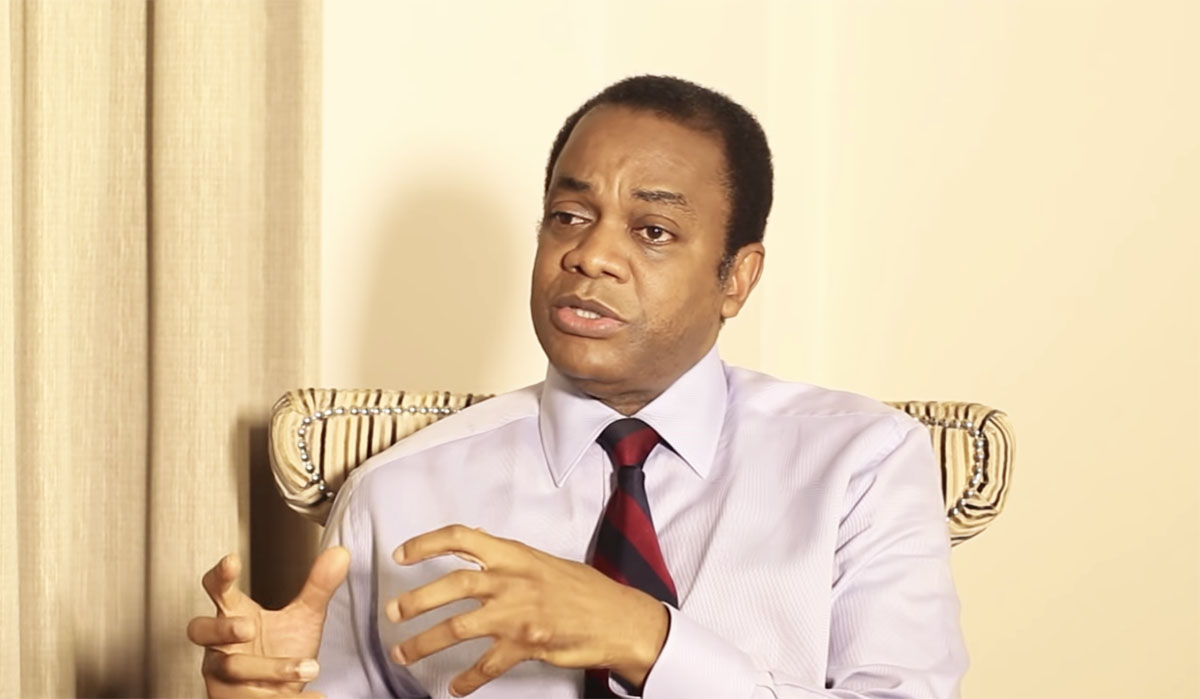
2027: Donald Duke Pledges To Bring Petrol Price Down To N300 Per Litre
Presidential candidate of the Peoples Redemption Party (PRP), Donald Duke, has pledged to work towards reducing the price of petrol to about N300 per litre if elected president in the 2027 presidential election.
Duke, a former governor of Cross River State, made the pledge during an interview on Channels Television’s The Morning Brief, where he outlined his proposed approach to the petroleum sector and Nigeria’s wider economy.
The PRP candidate said petroleum products for domestic consumption should be priced based on the cost of production rather than being fully exposed to international market prices.
He proposed allocating about 600,000 barrels of crude oil per day for domestic consumption, while selling the remaining crude on the international market.
Asked what petrol could cost under his proposed administration, Duke said: “I will try and bring it to about N300.”
He acknowledged that the target could appear ambitious but maintained that his proposed crude allocation and domestic pricing model could make it achievable.
READ ALSO:
- Olu of Warri Denies N2.7tn Pipeline Deal, Demands Evidence From Dokubo
- BREAKING: NLC Shuts Down Abuja Indefinitely Over FCT Teachers’ Promotion Dispute
- Troops Crush Four-Front ISWAP Assault, Kill Over 25 Terrorists In Borno
Duke argued that fuel prices have a direct impact on transportation, businesses and household expenses, making affordable energy important to economic activity.
“Fuel drives your economy. It should be available. It should be affordable,” he said.
The former Cross River governor also indicated that he would pursue a different economic approach from the policies of President Bola Tinubu if elected.
His proposal comes amid continuing debate over petrol prices, fuel subsidy removal, domestic refining and crude oil allocation in Nigeria.
The N300 target is part of Duke’s proposed 2027 economic agenda and would depend on the implementation of the policies he has outlined if he wins the presidential election.
2027: Donald Duke Pledges To Bring Petrol Price Down To N300 Per Litre
-

 metro2 days ago
Ondo Air Tragedy: Soldiers, Families Among 32 Killed In NAF Crash
-
 News3 days ago
President Tinubu Mourns 32 NAF Personnel in Ondo Jet Crash, Orders Immediate Probe
-

 metro2 days ago
Gunmen Open Fire At Lagos Bus Stop, Kill NURTW Member, Injure Three
-

 metro3 days ago
No Survivors Found in Ondo NAF Plane Crash — Ondo Governor
-

 metro2 days ago
Ogun Crash: Nine Die As Bus Collides With Truck On Ijebu-Ode-Ore Road
-

 metro2 days ago
UCH CMD: After Decades Without Muslim, Agunbiade Demands Fair Chance
-

 metro10 hours ago
[UPDATED] 20 NYSC Prospective Corps Members Freed After Seven Days in Captivity
-

 International2 days ago
Kemi Badenoch: I Don’t Want Migrants Turning UK Into Nation Of ‘Little Ghettos’