
metro
Army Reclaims Borno Community, Inflicts Heavy Losses on Boko Haram in Yobe

Army Reclaims Borno Community, Inflicts Heavy Losses on Boko Haram in Yobe
Troops of the Nigerian Army, operating under the Joint Task Force North‑East, Operation HADIN KAI, have successfully recaptured Ngoshe community in Gwoza Local Government Area of Borno State from Boko Haram/ISWAP terrorists, while also neutralising a senior terrorist commander and 19 insurgents during coordinated attacks in Yobe State, the military confirmed on Thursday.
According to Lt. Col. Sani Uba, Media Information Officer of the task force, the military reclaimed Ngoshe after insurgents briefly overran a military position there on March 3, 2026. Reinforcement teams from Forward Operating Base Pulka and the 151 Battalion were immediately deployed, despite an MRAP vehicle striking an improvised explosive device (IED) that damaged two tyres.
A specialised counter-attack led by Brigadier General Nasirudeen Abdullahi, Commander of the 26 Task Force Brigade in Gwoza, forced the terrorists to retreat. Troops recovered AK-47 rifles and a General Purpose Machine Gun (GPMG) barrel, while the Air Component of Operation HADIN KAI provided heavy air support, neutralising additional terrorist elements.
READ ALSO:
- Trump Says Iran’s New Supreme Leader Mojtaba Khamenei Likely Alive but “Damaged”
- Tonto Dikeh Faces ₦200 Million Lawsuit Over Alleged Exorcism of Schoolgirl
- US Army Lt-Colonel Brandon Shah Killed in Old Dominion University Shooting
In Goniri community, Gujba Local Government Area of Yobe State, terrorists launched coordinated attacks from Goniri village and the Ngamdu junction axis, attempting to encircle military positions. Troops responded swiftly with superior firepower and tactical manoeuvres. Over 20 insurgents were killed, including a senior commander identified as Abu Yusu, the Munzir of Dursula, and several weapons, including machine guns, AK-47s, IEDs, bombs, and ammunition, were recovered.
Further clearance operations in the Gwaigomari area within the Timbuktu Triangle uncovered additional insurgent bodies during patrols. Some troops sustained injuries but were promptly evacuated and are reported stable. The military continues aggressive follow-up operations to consolidate control and neutralise remaining militants.
Meanwhile, the Nigerian Air Force (NAF) conducted precision air strikes in the Sambisa general area, killing scores of terrorists and destroying four heavily armed gun trucks. The strikes, guided by intelligence, disrupted militant logistics and operational mobility. Air Marshal Sunday Kelvin Aneke, Chief of Air Staff, reaffirmed the NAF’s commitment to sustained air dominance and joint-force operations, with Air Vice Marshals Precious Amadi and M.C. Ekwueme visiting NAF Base Maiduguri to assess readiness and boost morale.
“The Nigerian Air Force remains focused on dominating the air domain, protecting civilians, and supporting ground forces in consolidating hard-won gains toward lasting security,” Air Marshal Aneke stated.
The operations mark another significant milestone in Nigeria’s fight against terrorism, sending a strong message that Boko Haram/ISWAP insurgents cannot evade intelligence-driven military pressure. The Military High Command commended the troops for their bravery and resilience, urging sustained operations to restore lasting peace in the North-East.
Army Reclaims Borno Community, Inflicts Heavy Losses on Boko Haram in Yobe













metro
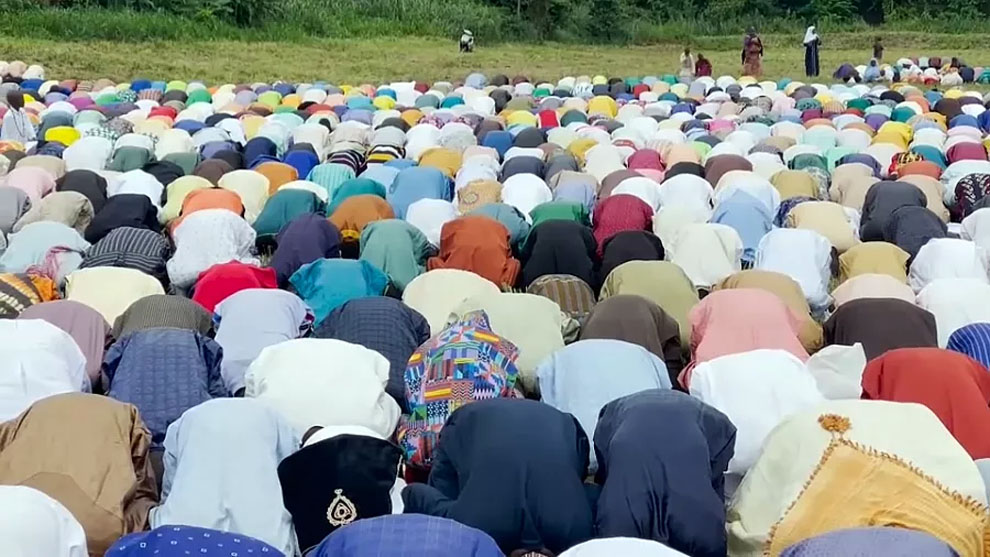
Five Sunnah Acts Muslims Should Observe on Eid al-Fitr
Five Sunnah Acts Muslims Should Observe on Eid al-Fitr
Eid al-Fitr marks the conclusion of the blessed month of Ramadan for Muslims worldwide. After weeks of fasting, reflection, and devotion, Eid is a day of celebration, gratitude, and communal joy. Beyond festive meals, new clothing, and visits with family and friends, Eid carries significant religious meaning, with certain practices recommended by the Prophet Muhammad (peace be upon him) to ensure the day is observed mindfully. These practices, known as Sunnah, guide Muslims in combining spirituality, gratitude, and social connection.
Here are five Sunnah acts recommended for Eid day, enhanced with additional insights from authentic Islamic sources:
1. Take a Bath (Ghusl) Before Eid Prayer
On Eid morning, it is Sunnah to perform Ghusl, a ritual bath, before heading out for the Eid prayer. This act of cleanliness symbolizes physical purification and spiritual readiness for the special day.
Islamic scholars note that just as Muslims prepare for Jumu’ah (Friday) prayers, Eid requires similar attention to personal hygiene. The Prophet ﷺ emphasized presenting oneself in a clean and pleasant state, reflecting respect for the day and the communal worship it entails.
Reference: Narrations in Sunan Abu Dawud and Sahih Muslim highlight the Prophet ﷺ’s practice of bathing before Eid prayers.
READ ALSO:
- Ramadan Day 26: Understanding the Importance of Zakatul Fitr Before Eid
- UK MPs Ask Starmer to Challenge Tinubu Over Killings of Christians in Nigeria
- Trump Urges UK, China, Others to Send Warships as Iran Threatens Strait of Hormuz Oil Route
2. Wear Clean or New Clothes
Another Sunnah practice is to wear clean and presentable clothes for Eid. While wearing new garments is recommended if financially feasible, it is not obligatory. The focus is on neatness, modesty, and expressing the joy of the occasion.
Dressing well for Eid symbolizes gratitude to Allah and reflects the celebratory nature of the day. Traditionally, Muslims would wear their best available clothing to the Eid prayer to honor the communal gathering and the blessings of the month.
3. Eat Before Eid Prayer (for Eid al-Fitr)
For Eid al-Fitr, it is Sunnah to eat a small meal before attending the Eid prayer. The Prophet ﷺ reportedly ate dates or a small portion of food before leaving home. This practice serves as a marker for the conclusion of Ramadan fasting and allows believers to begin the day in a state of nourishment and spiritual reflection.
It is important to note that for Eid al-Adha, the Sunnah differs: the Eid prayer is offered on an empty stomach, with the sacrificial feast taking place afterward.
4. Recite the Eid Takbeer
The Takbeer (Allahu Akbar, Allahu Akbar… La ilaha illa Allah, Allahu Akbar wa Lillah al-Hamd) is a declaration glorifying Allah, recited from the night before Eid until the conclusion of the Eid prayer.
Muslims often recite the Takbeer while traveling to the mosque or during personal devotion at home. It serves as a reminder of Allah’s greatness and reinforces the spiritual purpose behind the Eid celebrations.
Reference: Scholars in Fiqh al-Sunnah recommend the Takbeer for both Eid al-Fitr and Eid al-Adha, emphasizing its communal and spiritual significance.
5. Greet Others and Spread Joy
Eid is a time for strengthening bonds, kindness, and community cohesion. Muslims are encouraged to greet one another with phrases such as “Eid Mubarak” and to visit family, friends, and neighbours.
Sharing in the happiness of the day, giving gifts, and checking on vulnerable community members are all considered Sunnah practices that enhance the communal spirit and reflect the Prophet’s teachings on compassion and unity.
Reference: The Prophet ﷺ said: “The one who greets and shakes hands spreads peace and love among the community.” (Sunan Ibn Majah)
A Day of Gratitude and Reflection
Eid is more than festivity; it is a day of gratitude. Muslims thank Allah for granting the strength to complete Ramadan, for the blessings received, and for the opportunity to grow spiritually. Observing these Sunnah acts transforms Eid from a social celebration into a spiritually enriching day, balancing devotion, generosity, and community engagement.
By performing the Sunnah of bathing, wearing clean clothes, eating before prayer, reciting the Takbeer, and greeting others, Muslims begin Eid with mindfulness, gratitude, and a sense of shared joy.
Five Sunnah Acts Muslims Should Observe on Eid al-Fitr
metro
Ramadan Day 26: Understanding the Importance of Zakatul Fitr Before Eid
Ramadan Day 26: Understanding the Importance of Zakatul Fitr Before Eid
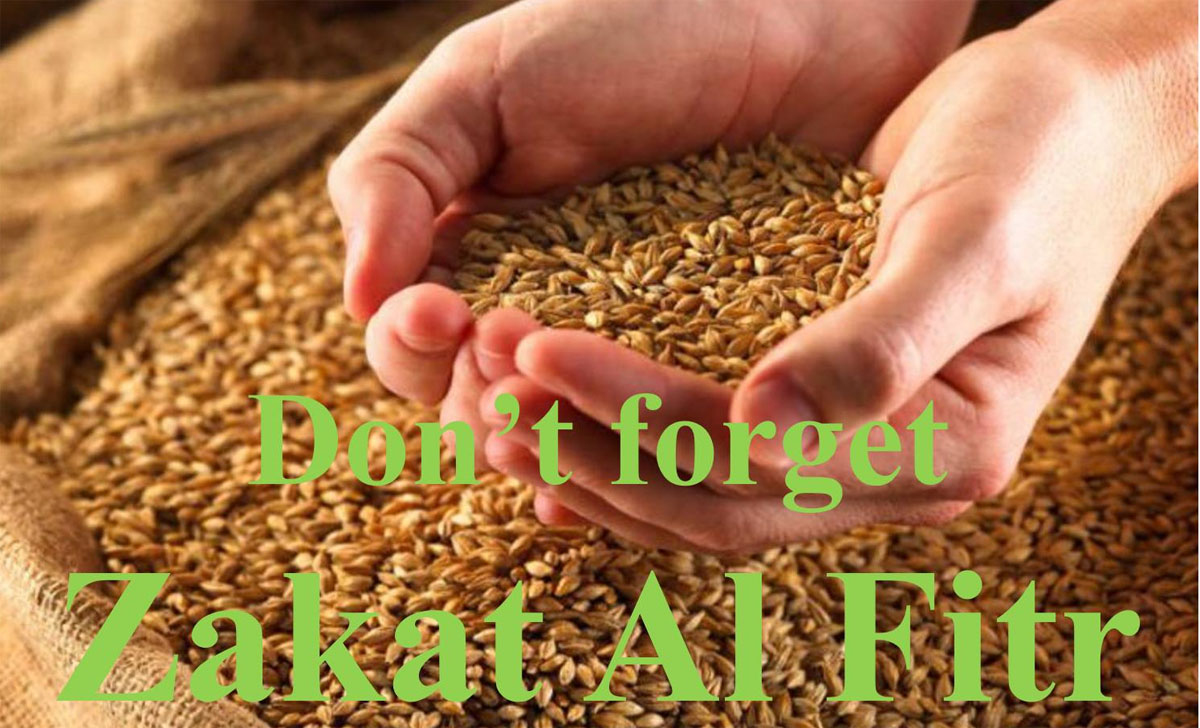
As the holy month of Ramadan draws to a close, Muslims around the world prepare for one of the most important charitable obligations in Islam — Zakatul Fitr. This special charity is performed at the end of Ramadan and represents the spiritual and social completion of fasting.
Unlike other forms of charity, Zakatul Fitr is obligatory for every Muslim who has the financial means. Its purpose is not only to purify the fasting believer but also to ensure that the joy and blessings of Eid al-Fitr are shared with the less privileged in society.
Islam teaches that worship is not limited to personal devotion but must also reflect compassion toward others. Through Zakatul Fitr, the teachings of Ramadan are translated into real acts of generosity that uplift the poor and strengthen community bonds.
The obligation of Zakatul Fitr was established by the Prophet Muhammad (peace be upon him) as a purification for those who fast. A narration reported by Ibn Abbas states that the Prophet prescribed the charity as a means of cleansing the fasting person from idle talk and indecent speech while also serving as food for the poor.
This teaching highlights the dual essence of Zakatul Fitr — spiritual purification and social compassion.
READ ALSO:
- UK MPs Ask Starmer to Challenge Tinubu Over Killings of Christians in Nigeria
- Trump Urges UK, China, Others to Send Warships as Iran Threatens Strait of Hormuz Oil Route
- ADC: Appeal Court Did Not Sack David Mark, Aregbesola
During the month of Ramadan, believers strive to maintain discipline, patience, and righteousness. However, human imperfection means that people may still fall into minor mistakes such as careless speech or impatience. Zakatul Fitr therefore acts as a form of spiritual cleansing that helps perfect the fast and compensate for these shortcomings.
Beyond spiritual purification, the charity plays a vital social role. Islam emphasizes that celebrations such as Eid al-Fitr should not exclude the poor or vulnerable members of society. By making Zakatul Fitr mandatory, the religion ensures that struggling families also have food and resources to celebrate the festival with dignity.
Traditionally, Zakatul Fitr is given in the form of staple foods commonly consumed in a community, such as rice, wheat, dates, barley, or maize. The prescribed amount is one ṣā‘, which scholars estimate to be roughly 2.5 to 3 kilograms of food per person.
The responsibility for paying Zakatul Fitr usually falls on the head of the household, who gives the charity on behalf of all dependents, including children. In this way, the entire family participates in an act of generosity that benefits those in need.
Timing is also an important aspect of the charity. Islamic scholars emphasize that Zakatul Fitr must be distributed before the Eid prayer, allowing the poor to prepare for the celebration. If it is given after the prayer, it may only count as ordinary charity rather than the special Ramadan obligation.
The essence of Zakatul Fitr lies in gratitude, purification, and compassion. After a month of fasting and spiritual reflection, Muslims are reminded that true worship should lead to kindness and generosity toward others.
Ultimately, Zakatul Fitr represents the final act that completes Ramadan. It purifies the fast, strengthens social solidarity, and spreads joy throughout the community as Muslims prepare to celebrate Eid al-Fitr.
Ramadan Day 26: Understanding the Importance of Zakatul Fitr Before Eid
metro
Lagos reintroduces monthly sanitation as waste, flood risks mount

Lagos reintroduces monthly sanitation as waste, flood risks mount
The Lagos State Government has announced the return of the monthly environmental sanitation exercise, marking a revival of a once-familiar civic routine aimed at improving cleanliness and tackling mounting waste management challenges in the state.
The exercise will officially resume on Saturday, April 25, 2026, and will subsequently hold on the last Saturday of every month between 6:30am and 8:30am.
Residents across the state are expected to clean their surroundings, clear drainage channels in front of their homes and ensure proper disposal of waste during the exercise.
The state Commissioner for Environment and Water Resources, Tokunbo Wahab, disclosed the development in a statement on Saturday, urging Lagosians to see the initiative as a shared civic responsibility.
“I am pleased to inform all Lagosians that the monthly environmental sanitation exercise will resume effective Saturday, April 25, 2026, holding on the last Saturday of every month from 6:30am to 8:30am,” Wahab said.
“During this period, residents are enjoined to clean their surroundings, clear drainage channels in their frontages and dispose of waste properly as a civic responsibility.”
According to him, the exercise is part of the state government’s broader efforts to promote environmental hygiene and build a cleaner and flood-resilient city.
READ ALSO:
- ADC: Appeal Court Did Not Sack David Mark, Aregbesola
- Nigerians Among 141 Injured As UAE Intercepts Iranian Missiles
- Old Dominion University Shooting: Terrorism Suspect Had Links to Nigeria-Based ISIS
“This exercise is a collective responsibility and a vital part of our commitment to a cleaner, healthier and flood-resilient Lagos. It shall be backed with the full enforcement weight of the Lagos State Government,” he added.
Wahab explained that the decision signals a return to a long-standing sanitation culture that once formed part of everyday life in the state.
He noted that prior to 2016, residents routinely dedicated time once a month to clean their neighbourhoods and maintain tidy surroundings.
“Once every month, we took our time to clean up our surroundings and then maintain them sparkling. However, for some years, we stopped it,” he said.
The commissioner observed that the absence of the exercise had contributed to growing environmental pressures, including indiscriminate refuse disposal and blocked drainage channels.
“Now, waste and environmental challenges have become an existential challenge to us as a state. It has taken us over a year of discussions to agree that it is time to reintroduce the monthly environmental sanitation,” he said.
Appealing for cooperation, Wahab urged residents to devote a few hours each month to environmental cleanliness, noting that many markets in the state already observe weekly sanitation exercises.
The monthly environmental sanitation exercise, which was previously observed between 7 a.m. and 10 a.m. on the last Saturday of every month, was suspended in November 2016 following a court ruling that restricted the enforcement of movement bans during the exercise.
Its suspension later coincided with increasing waste management concerns across parts of the state, including clogged drainage systems and indiscriminate dumping of refuse.
Lagos reintroduces monthly sanitation as waste, flood risks mount

-

 Entertainment2 days ago
Broda Shaggi Reportedly Shot While Filming Skit in Ogun, Hospitalised
-

 metro1 day ago
Viral Video: Igbinedion Education Centre Expels Students Over Assault on Classmate
-

 metro3 days ago
Tracy Ohiri Retracts Allegations Against Umahi, Issues Public Apology
-

 metro1 day ago
Popular Pastor Agbala Gabriel Faces Fraud, Sexual Allegations
-

 metro2 days ago
King Mitchy Apologises to Seyi Tinubu, Ooni of Ife, VeryDarkMan After Online Controversy
-

 International1 day ago
Iranian Missile Strike Damages Five US Refueling Tanks at Saudi Air Base
-

 Business3 days ago
NNPC Cuts Petrol Price to ₦1,130 in Lagos, ₦1,165 in Abuja
-

 metro1 day ago
Anambra Govt Arrests Native Doctor Accused of Luring Youths With Ritual Wealth