

metro
Ramadan Day 26: Understanding the Importance of Zakatul Fitr Before Eid
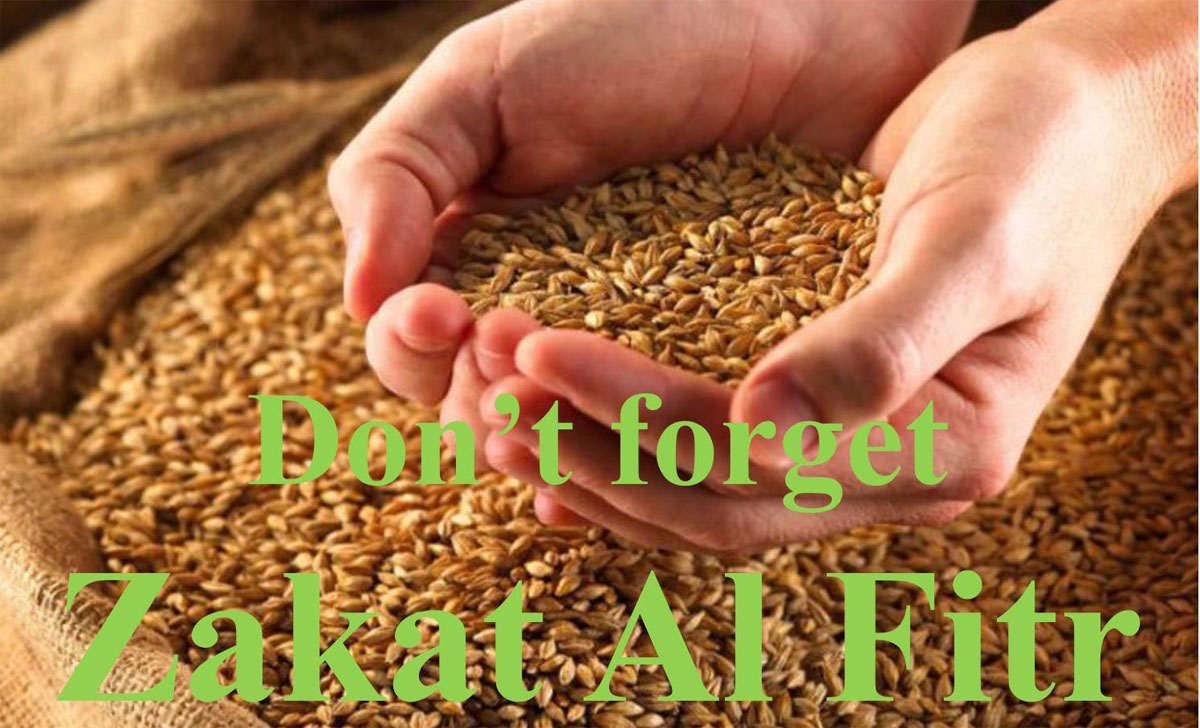
Ramadan Day 26: Understanding the Importance of Zakatul Fitr Before Eid
As the holy month of Ramadan draws to a close, Muslims around the world prepare for one of the most important charitable obligations in Islam — Zakatul Fitr. This special charity is performed at the end of Ramadan and represents the spiritual and social completion of fasting.
Unlike other forms of charity, Zakatul Fitr is obligatory for every Muslim who has the financial means. Its purpose is not only to purify the fasting believer but also to ensure that the joy and blessings of Eid al-Fitr are shared with the less privileged in society.
Islam teaches that worship is not limited to personal devotion but must also reflect compassion toward others. Through Zakatul Fitr, the teachings of Ramadan are translated into real acts of generosity that uplift the poor and strengthen community bonds.
The obligation of Zakatul Fitr was established by the Prophet Muhammad (peace be upon him) as a purification for those who fast. A narration reported by Ibn Abbas states that the Prophet prescribed the charity as a means of cleansing the fasting person from idle talk and indecent speech while also serving as food for the poor.
This teaching highlights the dual essence of Zakatul Fitr — spiritual purification and social compassion.
READ ALSO:
- UK MPs Ask Starmer to Challenge Tinubu Over Killings of Christians in Nigeria
- Trump Urges UK, China, Others to Send Warships as Iran Threatens Strait of Hormuz Oil Route
- ADC: Appeal Court Did Not Sack David Mark, Aregbesola
During the month of Ramadan, believers strive to maintain discipline, patience, and righteousness. However, human imperfection means that people may still fall into minor mistakes such as careless speech or impatience. Zakatul Fitr therefore acts as a form of spiritual cleansing that helps perfect the fast and compensate for these shortcomings.
Beyond spiritual purification, the charity plays a vital social role. Islam emphasizes that celebrations such as Eid al-Fitr should not exclude the poor or vulnerable members of society. By making Zakatul Fitr mandatory, the religion ensures that struggling families also have food and resources to celebrate the festival with dignity.
Traditionally, Zakatul Fitr is given in the form of staple foods commonly consumed in a community, such as rice, wheat, dates, barley, or maize. The prescribed amount is one ṣā‘, which scholars estimate to be roughly 2.5 to 3 kilograms of food per person.
The responsibility for paying Zakatul Fitr usually falls on the head of the household, who gives the charity on behalf of all dependents, including children. In this way, the entire family participates in an act of generosity that benefits those in need.
Timing is also an important aspect of the charity. Islamic scholars emphasize that Zakatul Fitr must be distributed before the Eid prayer, allowing the poor to prepare for the celebration. If it is given after the prayer, it may only count as ordinary charity rather than the special Ramadan obligation.
The essence of Zakatul Fitr lies in gratitude, purification, and compassion. After a month of fasting and spiritual reflection, Muslims are reminded that true worship should lead to kindness and generosity toward others.
Ultimately, Zakatul Fitr represents the final act that completes Ramadan. It purifies the fast, strengthens social solidarity, and spreads joy throughout the community as Muslims prepare to celebrate Eid al-Fitr.
Ramadan Day 26: Understanding the Importance of Zakatul Fitr Before Eid








metro
N1m Minimum Wage Will Collapse Nigeria’s Economy, Ajaero Warns
N1m Minimum Wage Will Collapse Nigeria’s Economy, Ajaero Warns
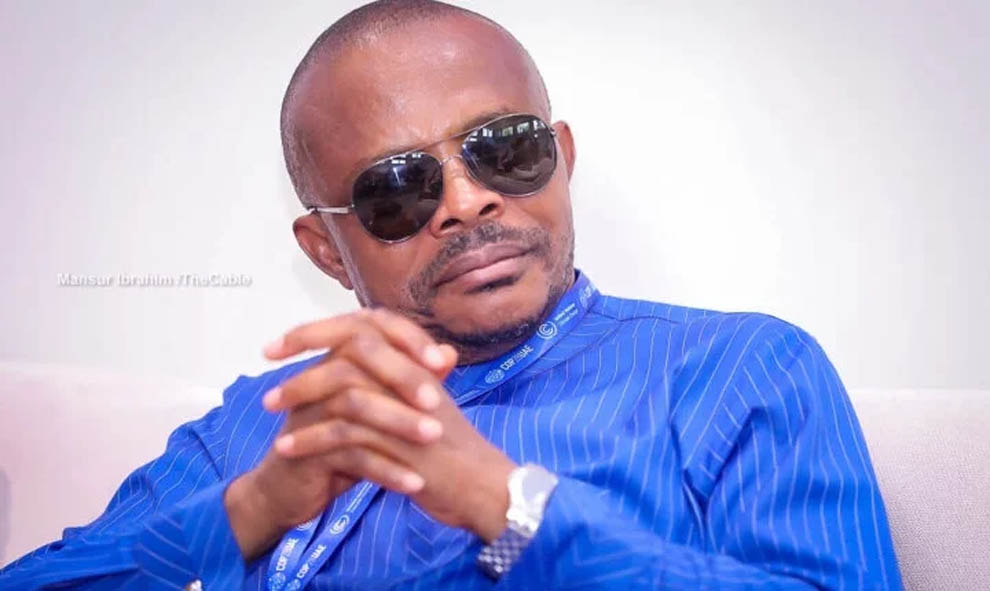
The President of the Nigeria Labour Congress (NLC), Joe Ajaero, has warned that raising Nigeria’s national minimum wage to ₦1 million without addressing the country’s economic challenges could collapse the economy.
Ajaero made the remarks during an interview on Channels Television on Thursday, October 29, 2026, amid renewed discussions over workers’ salaries and the rising cost of living.
“N1,000,000 minimum wage will collapse the Nigerian economy,” the NLC president said.
He argued that Nigeria’s problem goes beyond the amount workers receive as salaries, stressing that the government must prioritise restoring the purchasing power of the naira and reducing the cost of essential goods and services.
According to Ajaero, a substantial increase in wages would not necessarily improve workers’ living standards if inflation continued to erode the value of their earnings.
He maintained that workers needed a stable currency and an economy in which their salaries could adequately cover basic necessities, including food, housing and transportation.
The labour leader’s comments come as Nigerian workers face mounting financial pressure from rising petrol prices and other living expenses. Labour unions have repeatedly argued that the current ₦70,000 national minimum wage, signed into law in July 2024, is insufficient to meet workers’ basic needs under prevailing economic conditions.
READ ALSO:
- Ajaero Fires Back at TUC Over Rejection of FG’s ₦70,000 Allowance
- Ijeh Barracks Mosque: Police Promise to Monitor Reconstruction as MURIC Urges Calm
- 2027: Akpabio Says Tinubu’s Online Critics Are Paid, Mobilises Northern Youths
Ajaero’s position does not amount to an endorsement of the existing wage level. Rather, he has argued that wage negotiations must be accompanied by measures that tackle inflation and improve the value of workers’ incomes.
The NLC has also pushed for fresh minimum-wage negotiations, insisting that discussions should begin before the current wage agreement expires in 2027. The union has maintained that the government should not delay the process while workers continue to struggle with rising costs.
The debate has intensified following the Federal Government’s approval of a ₦70,000 monthly transport allowance for eligible public servants for six months, beginning in November 2026. The arrangement followed a conciliation meeting with the NLC.
The allowance has, however, generated disagreement within organised labour, with the Trade Union Congress (TUC) rejecting the temporary intervention and calling instead for a more substantial salary increase.
Ajaero’s warning adds another dimension to the debate over how Nigeria can improve workers’ earnings without worsening the economic pressures affecting households, employers and government finances.
The central issue, according to his argument, is not simply how high the minimum wage should be, but whether workers’ earnings can retain enough value to provide a decent standard of living.
No new national minimum-wage figure has been agreed upon by the Federal Government and organised labour as of Thursday, October 29, 2026.
N1m Minimum Wage Will Collapse Nigeria’s Economy, Ajaero Warns
metro
Ajaero Fires Back at TUC Over Rejection of FG’s ₦70,000 Allowance
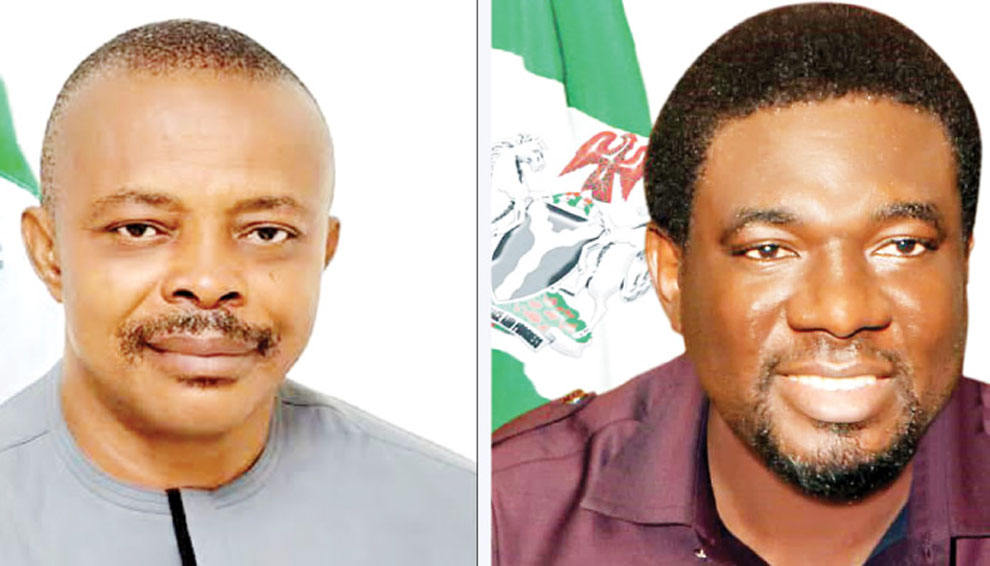
The President of the Nigeria Labour Congress (NLC), Joe Ajaero, has criticised the Trade Union Congress (TUC) for rejecting the Federal Government’s proposed ₦70,000 monthly transport allowance for public servants, arguing that the congress was not involved in the negotiations that produced the agreement.
Ajaero said the NLC had made it clear from the outset that it was negotiating independently with the Federal Government, describing the TUC’s opposition to the outcome as surprising.
Speaking on Channels Television’s Morning Brief on Thursday, Ajaero questioned why the TUC was challenging an agreement it neither negotiated nor signed.
“Why is TUC challenging what was gotten for the workers when we stated clearly that NLC was acting alone?” he asked.
He added: “The agreement was not signed by TUC, and you don’t kick against something that you didn’t negotiate, you never asked for.”
Ajaero said he would have preferred the TUC to demand a higher allowance than the NLC, allowing both labour centres to push for better terms during negotiations with the government.
“I would have preferred a situation whereby if NLC was asking for one naira, TUC would be asking for 10 naira, and probably the government would harmonise it,” he said.
READ ALSO:
- Ijeh Barracks Mosque: Police Promise to Monitor Reconstruction as MURIC Urges Calm
- 2027: Akpabio Says Tinubu’s Online Critics Are Paid, Mobilises Northern Youths
- 2027 Election: PRP Asks Court to Bar APC From Rivers Governorship Race
The disagreement follows the Federal Government’s approval of a ₦70,000 monthly transport allowance for eligible public servants for six months, beginning in November 2026. The agreement was reached at a conciliation meeting between the government and the NLC on October 27.
The TUC rejected the arrangement, arguing that a temporary allowance would not provide lasting relief from rising living costs. In a statement issued by its President, Festus Osifo, and Secretary-General, Nuhu Toro, the congress called for an immediate salary increase instead.
The TUC argued that the government could raise the pay of the lowest-paid worker to ₦300,000, citing higher minimum wages in some states. It also raised concerns over outstanding obligations under previous wage awards and the delay in implementing agreements affecting health workers.
Ajaero said the disagreement over the timing of a fresh minimum-wage review had also contributed to the separate negotiations. He maintained that the NLC believed the relevant process should begin immediately rather than wait until August 2027, as he said the TUC had proposed.
The NLC president argued that a wage increase must follow a formal negotiation process rather than be granted without one.
The dispute highlights a widening difference between Nigeria’s two major labour centres over how best to secure relief for workers amid rising transport, food and other living costs.
While the NLC has accepted the six-month allowance arrangement, the TUC insists that temporary payments are insufficient and is demanding more sustainable wage increases and the fulfilment of outstanding government agreements.
The Federal Government’s arrangement also provides for payment of outstanding peculiar allowance arrears in three equal monthly instalments beginning in November. A separate agreement covers outstanding allowances for health workers.
The controversy comes as the Federal Government and the TUC prepare for further discussions on economic hardship, workers’ welfare and other labour concerns.
Ajaero Fires Back at TUC Over Rejection of FG’s ₦70,000 Allowance
metro
Atiku Challenges Tinubu Over Mecca Trip, Demands Daily Photo, Video Proof
Atiku Challenges Tinubu Over Mecca Trip, Demands Daily Photo, Video Proof
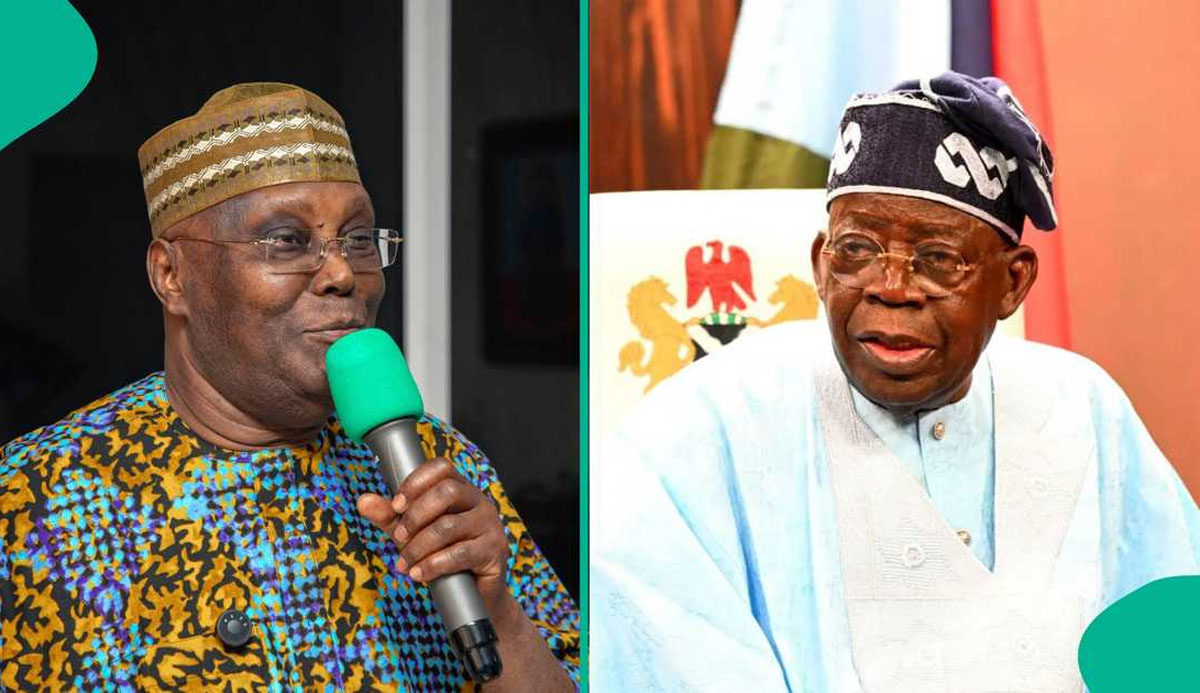
Former Vice-President Atiku Abubakar has challenged President Bola Ahmed Tinubu to provide daily, verifiable photographic and video evidence of his presence in Makkah, Saudi Arabia, during his announced Umrah pilgrimage, questioning whether the trip could include an unannounced visit to France.
Atiku made the demand in a statement issued on Wednesday by Phrank Shaibu, Director of Strategic Communication of the African Democratic Congress (ADC) Presidential Campaign Council.
The opposition leader alleged that information available to him suggested Tinubu might make a brief appearance in Makkah before travelling to France. However, he did not publicly provide evidence to substantiate the allegation.
Atiku called on the Presidency to release clear, current and date-stamped photographs and videos each day showing Tinubu at the Kaaba, the sacred structure at the centre of the Grand Mosque in Makkah, and participating in the religious rites associated with Umrah.
He argued that Nigerians deserved verifiable information about the President’s whereabouts, daily engagements and the purpose of the trip, particularly because the journey had been presented as an opportunity to pray for the country.
READ ALSO:
- Yobe Court Jails 20-Year-Old Man Seven Years for Sex with 16-Year-Old Girl
- 2027 Poll: Opposition Alleges Plot to Force INEC to Shift Election Date
- Liverpool Survive Chelsea Penalty Drama to Reach Carabao Cup Quarter-Finals
Atiku also raised questions about the President’s health and a reported $20 billion loan request involving a French business partner, urging the Presidency to clarify the issues and disclose Tinubu’s full itinerary.
The former Vice-President said he and other Nigerians would join the President in praying for the country’s peace and progress. He, however, cautioned against invoking religion without sincerity.
“No one should invoke the name of Almighty Allah in vain,” Atiku said, according to the statement.
He maintained that a presidential trip presented as a spiritual mission for Nigeria was a matter of public interest, adding that citizens were entitled to know the President’s official engagements and how the journey was being funded.
The Presidency had earlier announced that Tinubu would depart Abuja on Thursday, October 29, for Makkah to perform Umrah, an Islamic pilgrimage that can be undertaken at any time of the year.
Bayo Onanuga, the President’s Special Adviser on Information and Strategy, said the visit would provide Tinubu with an opportunity for spiritual reflection, devotion and prayers for Nigeria’s peace, unity, stability and progress.
According to the announcement, the President was expected to return to Nigeria the following week after completing the pilgrimage.
The Presidency’s announcement identified Makkah as the destination for the religious exercise. As of the latest reports, Atiku’s allegation of a possible onward journey to France had not been independently verified.
The dispute comes amid heightened political scrutiny as Nigeria approaches the 2027 general election, with opposition figures increasingly questioning the administration’s decisions, public spending and transparency.
Atiku Challenges Tinubu Over Mecca Trip, Demands Daily Photo, Video Proof
-

 metro2 days ago
Cancelled Wedding: Man Sues Ex-Fiancée’s Father Over Unpaid ₦70,000 Dowry
-

 Auto2 days ago
Car of the Year, other top honours up for grabs as NAJA Awards race begins
-
 metro2 days ago
Nigerian Navy Recruitment 2026: October 31 Deadline, Full Requirements and How to Apply
-

 metro3 days ago
IKEDC Blames National Grid for Two-Week Power Crisis in Ishaga, Oke-Ayo
-

 Sports2 days ago
KANE ENDS 25-YEAR WAIT! England Captain Wins 2026 Ballon d’Or After Stunning 73-Goal Season
-
 metro3 days ago
Oyo Govt Draws Battle Line With Soun, Rejects Suspension of Ogbomoso Balogun
-

 metro2 days ago
Man, Teenage Girl Found Dead in Toyota Corolla as Police Begin Investigation
-
 metro1 day ago
₦110.4bn Fraud Trial: EFCC Witness Traces Company Inflows To Kogi LG Accounts