

News
Petrol Subsidy: Presidency Rejects Atiku’s Plan, Says No Going Back
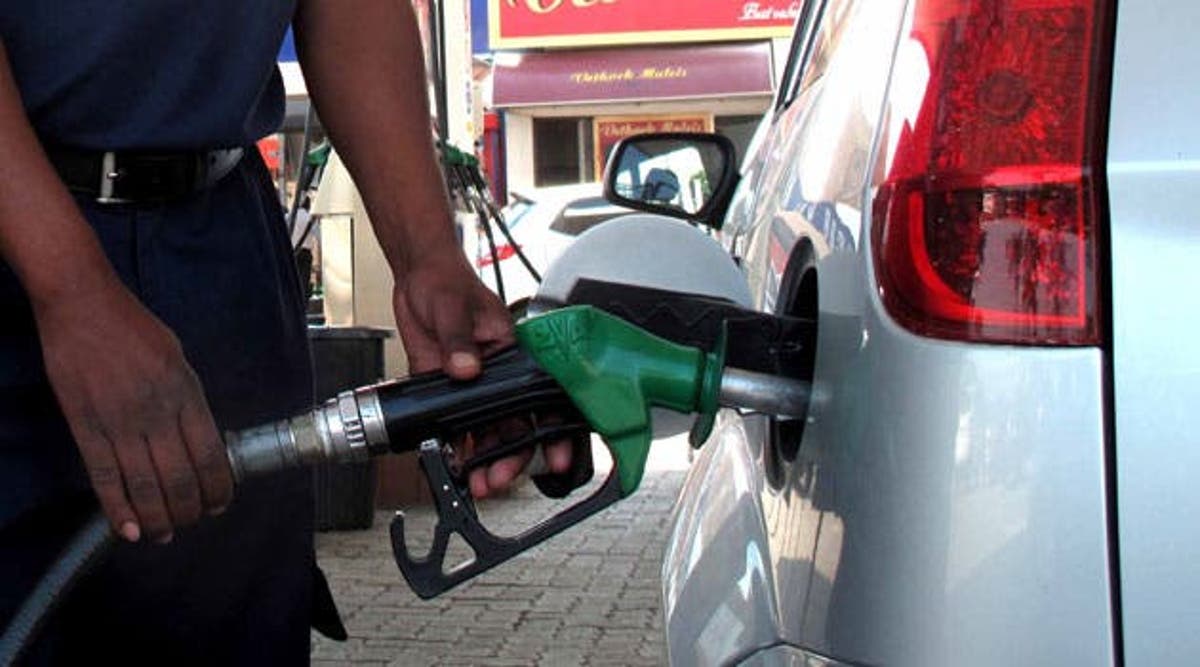
Petrol Subsidy: Presidency Rejects Atiku’s Plan, Says No Going Back
The Presidency has ruled out any return to the petrol subsidy regime, insisting that the Federal Government will not reverse the policy despite renewed calls by African Democratic Congress (ADC) presidential candidate Atiku Abubakar for government intervention to reduce the cost of petrol.
The renewed disagreement has pushed fuel subsidy removal back to the centre of Nigeria’s political debate ahead of the 2027 presidential election, with the Tinubu administration defending the reform while Atiku argues that Nigerians have borne the brunt of higher fuel prices without receiving sufficient benefits from the savings generated by the policy.
The Presidency said there would be no going back to the old subsidy system, arguing that restoring it would undermine the economic reforms introduced by President Bola Ahmed Tinubu and could weaken investment in Nigeria’s emerging domestic refining industry.
The government’s position followed Atiku’s renewed advocacy for a form of petrol subsidy, which his camp says would be targeted at domestic production rather than a return to the opaque system that previously consumed huge public funds.
Atiku had earlier pledged to restore petrol subsidy if elected president in 2027. His spokesman, Paul Ibe, subsequently explained that the proposed intervention would initially be used to support households and businesses, revive economic activity and improve productivity before being gradually phased out.
Atiku has argued that the immediate priority should be to reduce the pressure that high petrol prices have placed on households, businesses and the wider economy.
His position has evolved into a proposal for a more targeted intervention linked to domestic production. Under the proposed framework, government support would be directed towards crude supplied to Nigerian refineries in order to lower the cost of locally produced petrol rather than returning to the previous broad subsidy structure.
The proposal has nevertheless attracted criticism from the Federal Government and supporters of the current market-based approach.
The Presidency maintains that subsidy removal was necessary because the former system placed an unsustainable financial burden on the government and created opportunities for abuse.
READ ALSO:
- JAMB Takes Over HND Admissions in Polytechnics, Health Institutions Nationwide
- SERAP Threatens Legal Action Over ₦126bn INEC Electoral Funds
- Why I Gave Peter Obi My Vehicle During Benue Visit — Ortom
President Tinubu announced the removal of petrol subsidy on May 29, 2023, shortly after taking office, declaring that the subsidy was gone.
The decision immediately triggered a sharp increase in petrol prices and contributed to higher transportation and logistics costs, with the effects spreading across food prices and other areas of the economy.
The Federal Government, however, has consistently argued that the policy freed resources that would otherwise have continued to finance petrol consumption rather than infrastructure and public services.
According to figures cited by the government, the removal of the subsidy generated N15.8 trillion in resources for the federation between June 2023 and December 2025.
The government says the resources strengthened the finances of the federal, state and local governments and created additional fiscal space for public spending.
Critics, however, have questioned whether the financial gains have translated sufficiently into improvements in the living standards of ordinary Nigerians.
That disagreement is at the heart of the emerging 2027 fuel subsidy debate.
Atiku has argued that Nigerians should be able to see tangible benefits from the money saved by the removal of subsidy, particularly in the areas of transportation, food prices, electricity, healthcare, education and employment.
The former vice-president has also called for accountability over funds previously spent under the subsidy regime, insisting that anyone who diverted public money should be held responsible.
The Presidency, meanwhile, argues that reversing the policy would create uncertainty for investors who have committed billions of dollars to Nigeria’s downstream petroleum sector.
The government has particularly pointed to the expansion of domestic refining capacity, including the Dangote Refinery, as evidence that the petroleum sector is gradually moving away from dependence on imported refined products.
The Dangote Refinery has continued to expand its operations and has announced plans to increase its processing capacity significantly as it ramps up production.
The refinery has also increased its purchases of Nigerian crude, strengthening its position as a major supplier of refined petroleum products to the domestic market.
The development has strengthened the government’s argument that Nigeria should allow the domestic refining industry to grow under a market-oriented petroleum pricing system.
The Presidency fears that a return to government-controlled petrol prices could distort the market and discourage private investment in refineries.
READ ALSO:
- Sanders Urges Trump, Xi to Halt AI Race, Ban Superintelligence
- DSS warns Osun churches, mosques, markets over alleged terrorist attack plot ahead of 2027
- ‘Tinubu Will Win Again in 2027’ — Charismatic Bishops’ Secretary
The government has also maintained that the country cannot sustainably return to a situation where public funds are used to bridge the difference between the market cost of petrol and an artificially lower pump price.
The debate is further complicated by changing conditions in the global oil market and Nigeria’s increasing domestic refining capacity.
Industry groups have also highlighted the potential benefits of the post-subsidy environment, particularly the increased role of local refineries and changes in the downstream petroleum market.
Atiku’s camp, however, insists that a carefully designed intervention does not necessarily mean a return to the old subsidy regime.
Paul Ibe has said an Atiku administration would use the intervention as a temporary measure while working towards conditions that would eventually make subsidy unnecessary.
Atiku has also sought to distinguish his proposal from the subsidy arrangement that existed before 2023, arguing for a production-based subsidy that would support domestic refining and help bring down the cost of petrol for consumers.
The disagreement has therefore shifted from a simple question of whether subsidy should exist to a broader debate over how petrol should be priced, who should bear the cost and whether government should intervene in the market.
For the Tinubu administration, the priority is to sustain subsidy removal, increase domestic refining and allow market forces to determine petroleum prices.
For Atiku, government intervention may be necessary to cushion consumers and businesses while Nigeria builds a more productive and competitive economy.
The issue has become particularly politically sensitive because petrol remains a major driver of transportation and logistics costs in Nigeria.
When petrol prices rise, the effects are felt by commercial transport operators, manufacturers, farmers, traders and households.
The high cost of moving goods from farms and factories to markets also contributes to broader inflationary pressure, making the fuel-price debate inseparable from the wider cost-of-living crisis.
The Federal Government has responded with alternative energy and transport initiatives, including efforts to expand compressed natural gas (CNG) use as a cheaper alternative to petrol and diesel for transportation.
The administration has argued that such measures are intended to reduce Nigerians’ dependence on petrol and gradually soften the impact of the subsidy removal.
But opposition parties and critics continue to argue that the pace of relief has not matched the scale of the hardship caused by higher energy and transportation costs.
The issue is consequently expected to feature prominently in political campaigns as parties present competing economic programmes to Nigerian voters ahead of 2027.
For now, the Presidency has made its position clear: there will be no return to the old petrol subsidy regime under the Tinubu administration.
Atiku, meanwhile, continues to defend a targeted intervention that his camp says would reduce petrol prices, support domestic production and eventually be phased out.
The competing positions are likely to keep petrol subsidy removal, fuel prices and domestic refining at the centre of Nigeria’s economic and political debate as the country moves closer to the 2027 presidential election.
Petrol Subsidy: Presidency Rejects Atiku’s Plan, Says No Going Back









News
Cocaine Trafficking: Court Denies KC Luxury Bail Over Missing Medical Certificate
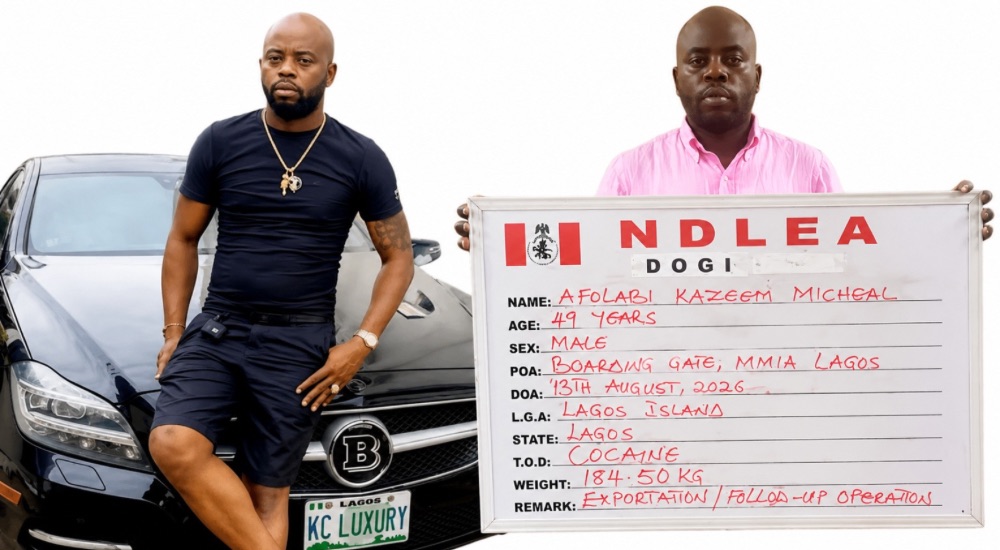
The Federal High Court in Lagos has rejected the bail application of Nigerian businessman and social media influencer Afolabi Kazeem Michael, popularly known as KC Luxury, over alleged cocaine trafficking and money laundering, ruling that the defence failed to provide sufficient medical evidence to justify his release.
Justice Musa Kakaki delivered the ruling on Wednesday, October 28, 2026, holding that the application lacked the necessary medical certificate to establish special circumstances warranting bail on health grounds.
“There is no medical certificate to warrant the court to grant him bail,” the judge said.
He added that a defendant claiming to require special medical attention should provide an expert assessment explaining the condition and the need for the requested treatment.
KC Luxury’s lawyer, Emefo Etudo, had asked the court to release his client so he could receive specialised treatment at the Lagos University Teaching Hospital (LUTH). The defence argued that his health had deteriorated and that he required medical attention beyond what was available at the facility where he was being held.
READ ALSO:
- After AfDB Tenure, Adesina Offers to Help Tinubu Drive Nigeria’s Growth
- Why Nigeria Needs Fresh $21.7bn Loan Despite Rising Debt Burden – Finance Minister
- Emeka Ike Loses ₦10bn Privacy Suit Against Wike’s Aide, INEC
The application followed concerns about the defendant’s health after he was brought to the court premises in an ambulance on October 23 while receiving oxygen.
During that proceeding, a nurse attached to the Police Hospital in Falomo, Lagos, told the court that KC Luxury had been admitted on October 7 and diagnosed with asthma and sepsis.
The nurse said the defendant remained inside the ambulance because he was receiving oxygen and could not safely be moved into the courtroom.
The defence also alleged that KC Luxury had suffered a collapsed lung and needed specialist care. However, the prosecution opposed the bail request, arguing that the medical evidence did not establish that his condition could not be managed while in custody.
In his ruling, Justice Kakaki reviewed the medical exhibits submitted by the defence but held that they did not sufficiently establish the special circumstances required to grant bail.
The judge also noted that the defence had failed to demonstrate a material change in circumstances that would justify reconsidering the application.
He questioned the argument that KC Luxury needed treatment at LUTH without sufficient evidence showing that the hospital or other available medical facilities could not adequately manage his condition.
Despite refusing bail, the court directed officials of the Ikoyi Custodial Centre to ensure that the defendant had unrestricted access to doctors and medical specialists for examination and treatment.
The judge also ordered an accelerated hearing of the case and adjourned proceedings until November 2, 2026, for the commencement of trial.
KC Luxury is standing trial alongside Boniface Freeman Ochoche Sule and Ikechukwu Ekugo Patriarch on a 22-count charge filed by the National Drug Law Enforcement Agency (NDLEA).
The charges include allegations of conspiring to export 184.5 kilogrammes of cocaine to the United Kingdom and money laundering. The defendants have pleaded not guilty.
According to the NDLEA, the cocaine was intercepted at a courier facility in Lagos before it could be exported. The agency also accused the defendants of involvement in financial transactions and asset acquisitions allegedly connected to the suspected drug operation.
The defendants have yet to be convicted, and the allegations remain before the court.
The latest ruling means KC Luxury will remain in custody while the criminal proceedings continue, with the court directing that his medical needs be addressed during detention.
Cocaine Trafficking: Court Denies KC Luxury Bail Over Missing Medical Certificate
News
After AfDB Tenure, Adesina Offers to Help Tinubu Drive Nigeria’s Growth
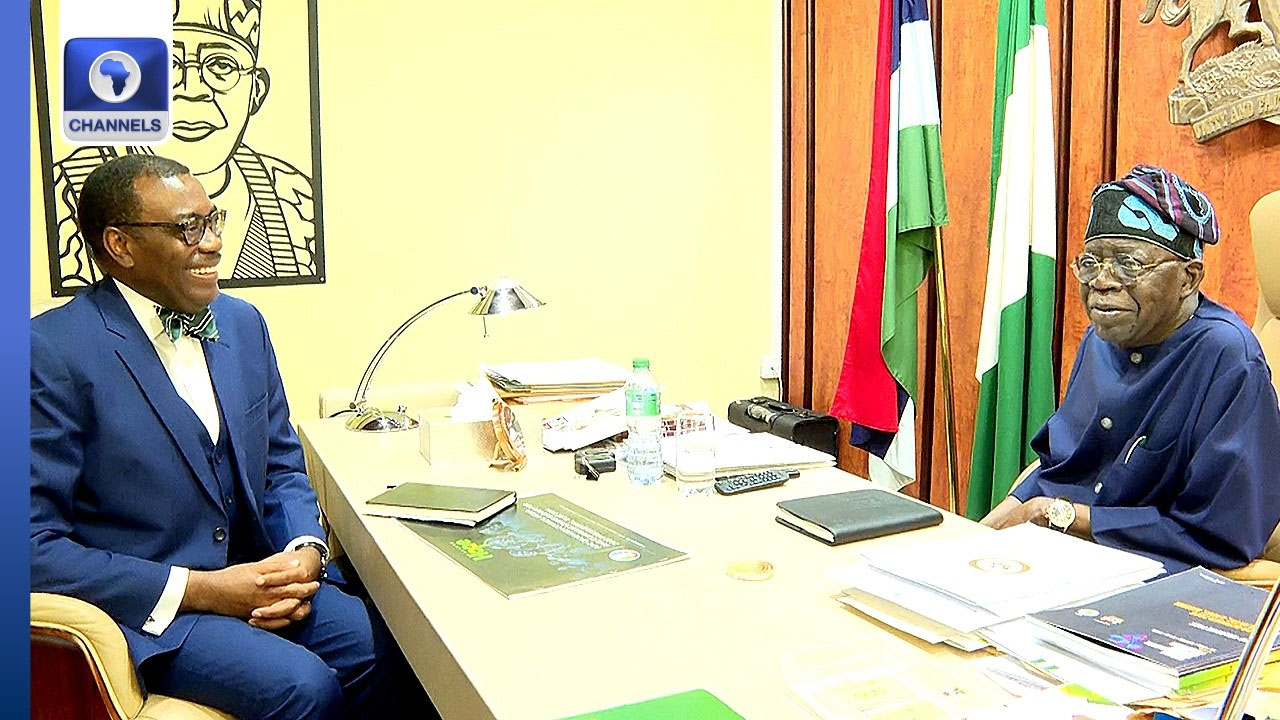
Former President of the African Development Bank (AfDB), Akinwumi Adesina, has declared his readiness to contribute to Nigeria’s development in any capacity deemed appropriate by President Bola Ahmed Tinubu, while clarifying that he is not seeking a government appointment.
Adesina made the declaration on Tuesday after meeting Tinubu at the Presidential Villa in Abuja, where he briefed the President on his 10-year tenure at the continental development finance institution and its financial support for Nigeria.
The former AfDB president said his willingness to serve was motivated by patriotism and a sense of responsibility to his country, rather than a desire to secure a political position.
“I’m fully able to help Nigeria in any capacity. I’ve always had that. My heart is always at home,” he told journalists after the meeting.
He added that he was prepared to contribute wherever the President considered his experience and expertise useful.
“In any capacity that His Excellency feels I can help, I can help in anything. I’m not looking for a job. I’m not looking for anything. I’m just here to help,” Adesina said.
“It’s my country. I have a duty, an obligation and a responsibility to do so, and I will.”
Adesina briefs Tinubu on AfDB achievements
Adesina explained that the visit was an opportunity to formally inform Tinubu that he had completed his two terms as AfDB president and to present an account of the bank’s achievements during his leadership.
READ ALSO:
- Why Nigeria Needs Fresh $21.7bn Loan Despite Rising Debt Burden – Finance Minister
- Emeka Ike Loses ₦10bn Privacy Suit Against Wike’s Aide, INEC
- 2027: APC Chieftain Boasts Tinubu Will Defeat Atiku Even in His Polling Unit
He said the bank provided approximately $7 billion in financing to Nigeria between 2015 and 2025, compared with total financing of $11.1 billion since it began operations in Nigeria in 1971.
According to him, the financing provided during his decade at the helm represented approximately 63 per cent of the bank’s cumulative support to Nigeria over the period.
Adesina said Tinubu expressed satisfaction with the bank’s contributions and the projects supported during his tenure.
The former Nigerian minister of agriculture led the AfDB from 2015 until September 2025, completing two terms as the institution’s president. He was the first Nigerian to occupy the position.
Adesina commends Tinubu’s economic reforms
During the meeting, Adesina also commended Tinubu’s economic reforms, particularly the removal of the petrol subsidy and the harmonisation of foreign exchange windows.
He described the measures as difficult but important decisions, arguing that they were beginning to produce results in some areas of the economy.
According to him, foreign exchange availability had improved, portfolio investors were returning to the country, and inflation was trending downwards.
However, he acknowledged that prices remained high, meaning many Nigerians continued to face pressure from the cost of living.
Adesina also cited improved assessments from some international credit-rating agencies, which he said reflected changing perceptions of Nigeria’s economic outlook.
Despite these developments, he cautioned that economic stabilisation was only the beginning of a broader transformation process.
“You have to also now move from the issue of the reforms and stabilisation straight into structural transformation and also growth and prosperity,” he said.
He argued that Nigeria must now focus on translating economic reforms into stronger productivity, expanded economic opportunities and improved living standards.
Former AfDB chief urges focus on growth and prosperity
Adesina’s remarks place emphasis on the need to move beyond macroeconomic adjustments towards policies that deliver tangible benefits for households and businesses.
His comments come amid continuing debate over the impact of the Tinubu administration’s reforms, including the removal of fuel subsidies and changes to the foreign exchange market.
While the government has defended the measures as necessary to stabilise public finances and improve economic efficiency, higher living costs have remained a concern for many Nigerians.
Adesina did not announce any specific government role he was prepared to take up, and the Presidency did not announce an appointment following the meeting.
Instead, the former AfDB president reiterated his willingness to contribute his experience in development finance, agriculture and economic transformation whenever the President considered his services necessary.
After AfDB Tenure, Adesina Offers to Help Tinubu Drive Nigeria’s Growth
News
Why Nigeria Needs Fresh $21.7bn Loan Despite Rising Debt Burden – Finance Minister
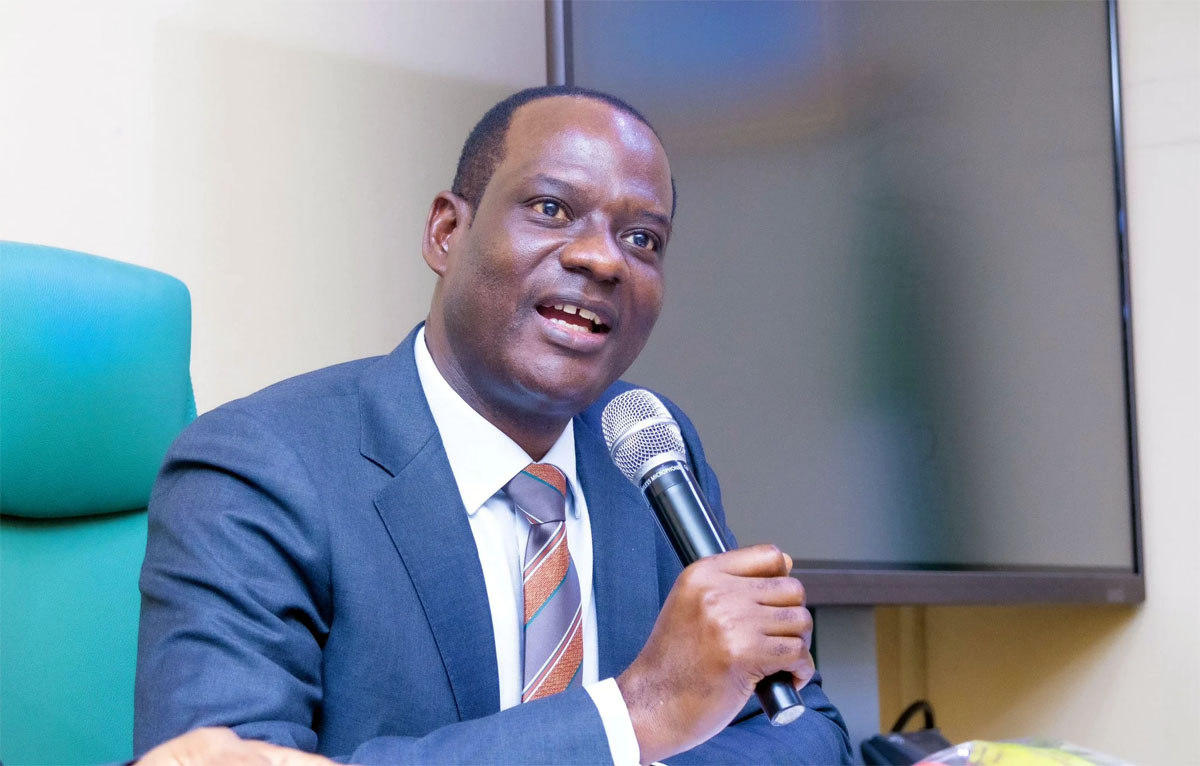
Why Nigeria Needs Fresh $21.7bn Loan Despite Rising Debt Burden – Finance Minister
The Federal Government has defended its plan to secure about $21.7 billion in fresh external loans, saying additional financing is needed to bridge Nigeria’s infrastructure funding gap, support economic growth and finance critical development projects across the country.
The proposed borrowing plan, covering 2026 and 2027, comprises $20.52 billion and €1.045 billion, equivalent to approximately $21.7 billion.
President Bola Ahmed Tinubu submitted the request to the National Assembly, arguing that Nigeria requires substantial investment to address infrastructure shortages and sustain economic development.
The proposed facilities would support projects and programmes in power, transportation, healthcare, education, agriculture, water supply, security and employment generation, as well as reforms to public financial management.
According to the President, the projects underwent technical and economic evaluations and are expected to create jobs, promote skills acquisition and entrepreneurship, reduce poverty and strengthen food security.
He said external borrowing had become necessary because the financial resources required to close Nigeria’s infrastructure deficit exceeded what the government could adequately provide from existing funding sources.
The request is subject to legislative approval and has not yet received final authorisation.
Why the government says Nigeria needs more loans
The administration’s main argument is that inadequate infrastructure continues to constrain productivity, investment and economic growth. It maintains that borrowing can provide the capital needed to finance projects that would otherwise face funding delays.
READ ALSO:
- Emeka Ike Loses ₦10bn Privacy Suit Against Wike’s Aide, INEC
- 2027: APC Chieftain Boasts Tinubu Will Defeat Atiku Even in His Polling Unit
- Awujale Succession: Abiodun Promises New Ijebuland Monarch Before May 29, 2027
Electricity, transport networks, healthcare facilities, education and water infrastructure are among the sectors expected to benefit from the proposed financing.
The government also argues that investment in these areas could stimulate economic activities, improve access to essential services and generate employment across the 36 states and the Federal Capital Territory.
However, the economic benefits will depend on whether the projects are completed on schedule, remain within budget and deliver returns sufficient to justify their financing costs.
Nigeria’s debt profile raises concerns
The proposed borrowing comes amid growing scrutiny of the country’s public debt.
Figures from the Debt Management Office show that Nigeria’s total public debt stood at ₦166.79 trillion at the end of June 2026, compared with ₦87.38 trillion in June 2023.
The increase has intensified debate over the government’s borrowing strategy, although the rise in the naira value of external debt has also been influenced by exchange-rate depreciation.
If the proposed facilities are fully approved and disbursed, they would add to Nigeria’s existing obligations, with the eventual impact depending on exchange rates, repayment terms and other changes in the debt stock.
Economists and business groups have therefore called for greater transparency about the individual projects to be financed, their costs, expected returns and repayment arrangements.
The Association of Small Business Owners of Nigeria has warned that new borrowing should be tied to projects capable of generating measurable economic benefits, including jobs, productivity and government revenue.
Questions over previous borrowing
The latest request has also prompted questions about the implementation of projects funded by earlier loans and the government’s outstanding obligations to contractors.
Senator Victor Umeh, who represents Anambra Central, questioned why contractors executing capital projects were still awaiting payment despite previous legislative approvals for borrowing.
He argued that the government needed to demonstrate how earlier facilities had been used and explain why budgeted projects remained underfunded.
Former Vice-President Atiku Abubakar, the presidential candidate of the African Democratic Congress, also urged the National Assembly to suspend consideration of the request until the government provides comprehensive information about the projects, contractors, costs, loan terms and repayment obligations.
The concerns centre on whether additional borrowing will produce sufficient economic returns or increase the pressure on public finances without delivering commensurate development benefits.
National Assembly to scrutinise request
The President’s proposal has been referred to the relevant National Assembly committees for consideration.
The legislative review is expected to examine the proposed facilities and their intended uses before lawmakers decide whether to approve the request.
The government maintains that the financing is necessary to address infrastructure shortages and support development, while critics insist that the administration must demonstrate the value of previous loans and provide clearer details of the new projects.
Ultimately, the justification for the proposed $21.7 billion borrowing plan will depend not only on the infrastructure needs identified by the government but also on the terms of the loans, the transparency of project selection, the effectiveness of implementation and Nigeria’s ability to meet its repayment obligations.
Why Nigeria Needs Fresh $21.7bn Loan Despite Rising Debt Burden – Finance Minister
-
 metro2 days ago
Cancelled Wedding: Man Sues Ex-Fiancée’s Father Over Unpaid ₦70,000 Dowry
-

 Auto2 days ago
Car of the Year, other top honours up for grabs as NAJA Awards race begins
-

 Sports2 days ago
KANE ENDS 25-YEAR WAIT! England Captain Wins 2026 Ballon d’Or After Stunning 73-Goal Season
-

 metro3 days ago
School Bus Driver Turns Kidnapper, Collects ₦503,000 Ransom, Rapes 14-Year-Old Delta Student
-

 metro2 days ago
IKEDC Blames National Grid for Two-Week Power Crisis in Ishaga, Oke-Ayo
-
 metro1 day ago
Nigerian Navy Recruitment 2026: October 31 Deadline, Full Requirements and How to Apply
-

 metro3 days ago
Massacre in Taraba: Death Toll Soars to 48 as Fleeing Villagers Drown in Desperate Escape
-
 metro2 days ago
EFCC Busts Four Illegal Lithium Plants in Ogun, Arrests 14 Chinese Nationals