

Education
ASUP says new polytechnic service scheme won’t favour HND holders

ASUP says new polytechnic service scheme won’t favour HND holders
The Academic Staff Union of Polytechnics (ASUP), Federal Polytechnic Bauchi Chapter, has voiced concerns regarding the newly introduced Polytechnic Service Scheme.
The union, pointing out several contentious issues in the approved scheme, fears it will exacerbate the marginalization of Higher National Diploma (HND) holders compared to their counterparts with university degrees.
During an emergency congress held at the Senator Ali Wakili Complex, ASUP Secretariat in FPTB on Wednesday, Acting Chairman Esther Adebitan expressed that the scheme further entrenches discrimination against HND certificate holders in contrast to university graduates.
Adebitan emphasised that the Union fully supports the resolution issued by the Federal Ministry of Education and the National Board for Technical Education (NBTE), which gives a 15-day ultimatum to suspend the scheme in compliance with existing labour laws or face industrial action.
She said: “We affirm that Polytechnics cannot discriminate against its products in the manner prescribed in this document.”
“This is evident in the provision of discriminatory entry points into the Lecturer cadre for degree holders and HND holders; lowering the career progression bar of holders of HND both in the teaching and non-teaching cadres; discrimination against holders of HND in the appointment of Registrars and Bursars irrespective of their possession of higher level certificates; classification of technologists as non-teaching staff and so on.”
She mentioned that having deliberated extensively on the contents of the ‘controversial document’ and after further scrutiny by the Union’s Think Tank Committee, as well as the Council of National, Officers (CNO) of the Union, at the 110th meeting of the Union’s NEC, it hereby communicates the following specific findings:
“The document approved as Scheme of Service for Polytechnics contains significant and fundamental deviations from the document prepared by stakeholders in the sector and coordinated through a series of consultative engagements by the NBTE for over 6 years.”
“The document’s approval route which gave rise to the significant and contentious alterations is legally questionable as the role of The Office of The Head of Civil Service of The Federation as an approving authority is challengeable.
READ ALSO:
- President Tinubu swears in 8 new Permanent Secretaries
- CJN vows to deal with judges giving conflicting court orders
- Another attack on Benue community claims 10 lives
“Our conviction is that The Head of Civil Service of The Federation cannot be preparing or approving a document on career development of staff including assessment of such staff for career growth when she is neither an employer nor regulator.”
“The status of Nigerian Polytechnics was again brought to question by this controversial document. The tertiary educational institution status of Polytechnics is settled in different laws and policy instruments.”
“Therefore, the introduction of sub-tertiary level qualifications like in this instance the National Skills Qualifications (NSQ) as mandatory conditions for academic staff career growth is a misnomer as the possession of NSQ has no meaningful contribution to the delivery of the contents of the curricula of the different programs offered at the tertiary education level in Polytechnics.”
She stated further: “The contentious document curiously, unjustifiably and unacceptably elongates the career progression steps of the Lecturer cadre from a 7-step to a 9-step career development cadre and at the same time added an extra year for promotion to the final two levels.”
“This implies that anyone on the lecturer cadre will now endure a minimum of 26 tortuous years from the base to the highest level. This is not acceptable, particularly in view of the fact that this deviates from the norm in other sub-sectors and that the retirement age in the sector remains unchanged.”
“The unfair career progression guide in the sector particularly as it affects the teaching and non-teaching staff cadres is a recipe for crises as such is not reflective of the remuneration accruing to the cadres”
“The document was manifest with a proliferation of directorates with unsustainable financial implications on the overhead of the institutions. Equally, we view it as an act of duplicity for the NBTE to enter into a questionable Memorandum of Understanding with the Pharmacists Council of Nigeria on the issue of the status of the HND program in Pharmaceutical Technology run by Polytechnics, while at the same time creating a cadre which requires manpower of same qualification. This contradiction is unfortunate.”
“The release of documents by the NBTE subtly amending some provisions and seeking approval for amendment of others amounts to an admission of guilt and a halfhearted attempt at lifting the mourning mood in the sector imposed by the release of the contentious scheme of service.
“This is unsatisfactory and self-indicting on the commitment of the NBTE to the ideals and aspirations of the Nigeria Polytechnic System.”
.
The Nation







Education
FG Orders Polytechnics to Scrap Non-Technical Courses, Restricts BTech Degrees
FG Orders Polytechnics to Scrap Non-Technical Courses, Restricts BTech Degrees
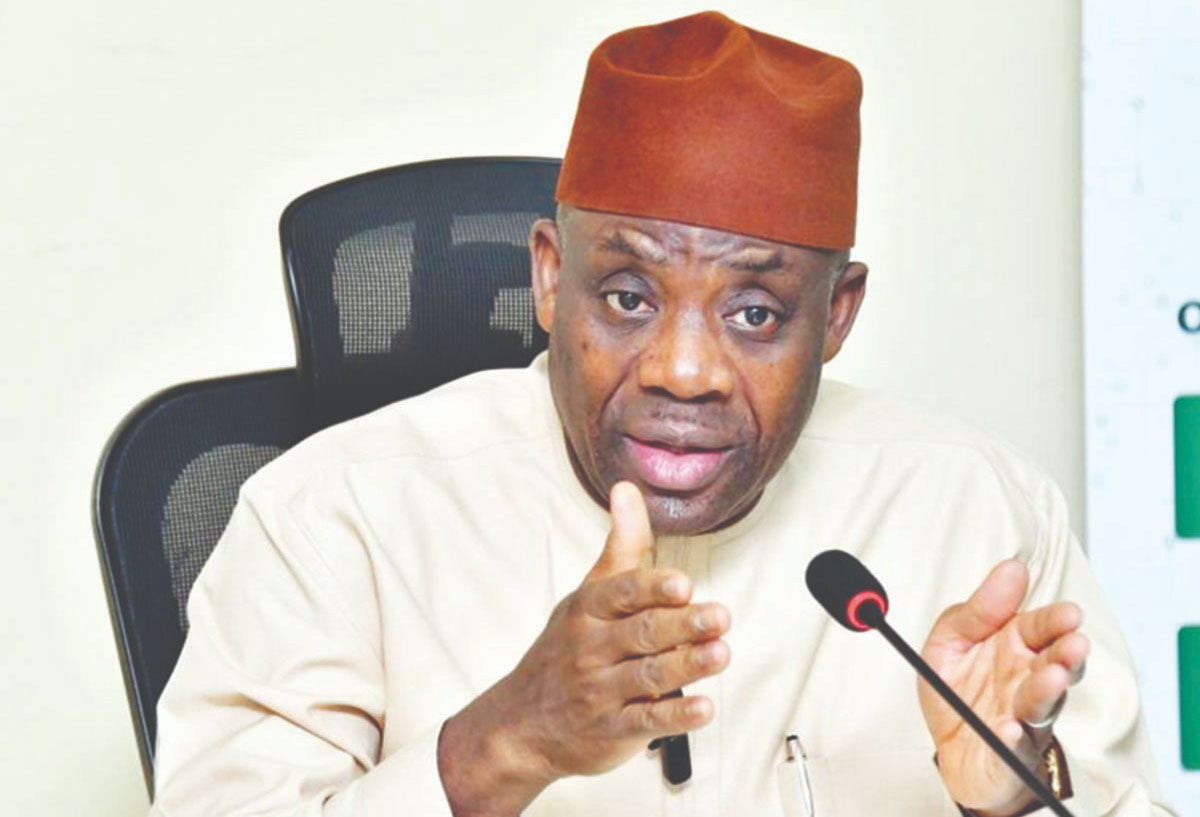
The Federal Government has directed polytechnics across Nigeria to gradually phase out non-technical programmes that fall outside their statutory mandate, as part of a comprehensive reform of the country’s technical and vocational education sector. The Minister of Education, Dr. Tunji Alausa, issued the directive on Thursday in Abuja while inaugurating the Governing Board of the National Board for Technical Education (NBTE), which had operated without a substantive board for more than five years. The minister also urged institutions under the NBTE’s regulatory oversight to strengthen their focus on applied sciences, engineering, technology and innovation.
Alausa criticised polytechnic leaders for straying from their original mandate, noting that more than 50 percent of courses currently offered fall under management and social sciences. According to the minister, programmes such as accounting, mass communication and other management-related courses now outweigh technical and engineering disciplines, thereby weakening the relevance of polytechnic graduates in the labour market. The minister stressed that Technical and Vocational Education and Training (TVET) is no longer an alternative pathway to university education but a strategic national priority. He noted that no nation can achieve meaningful industrialisation without a strong base of technicians, technologists, artisans, fabricators, automation specialists, machine operators and other skilled professionals. The government is deliberately shifting the nation’s education system from an overdependence on paper qualifications to producing competent, innovative and highly skilled graduates equipped to drive industrialisation, entrepreneurship and national productivity.
As part of the reform, ongoing amendments to the Polytechnic Act would enable polytechnics to award Bachelor of Technology (BTech) degrees in science, technology and engineering programmes, while non-science programmes will continue under the Higher National Diploma (HND) framework. The proposed reform is intended to end the long-standing dichotomy between HND and Bachelor’s degrees, a policy shift many education experts have described as a watershed moment for technical and vocational education in Nigeria. The minister assured stakeholders that strict quality assurance measures would be enforced to ensure that degrees awarded by polytechnics meet global standards. The reform follows years of advocacy and legislative efforts to address the systemic discrimination faced by HND holders in career progression and employment, a policy shift that aligns with President Bola Ahmed Tinubu’s Renewed Hope Agenda.
READ ALSO:
- Osun Account Freeze: EFCC Insists It Has 72-Hour Power Without Court Order
- Osun Election: ‘Prepare to Sign Your Uncle as Dancer’ — Uzodimma Fires Back at Davido
- Abuja Earth Tremor: Minister Orders Hourly Monitoring, Assures Residents of Safety
Alausa outlined four key priorities for the newly inaugurated Governing Board. The board is to provide strategic leadership, sound policy direction and effective oversight while maintaining a clear distinction between governance and management by allowing the Executive Secretary and Management Team to handle day-to-day administration. The board is to accelerate implementation of the Recognition of Prior Learning (RPL) framework in collaboration with the Industrial Training Fund to formally recognise and certify the competencies of skilled artisans under the National Skills Qualification Framework. The minister explained that the initiative would enhance employability, expand access to finance, create opportunities for government contracts and strengthen labour mobility within the ECOWAS region. Alausa called for comprehensive modernisation through Outcome-Based Education, with programmes reflecting the realities of Industry 4.0 by integrating digital technologies, automation, artificial intelligence, green technologies, advanced manufacturing systems and other emerging competencies. The minister also directed the board to ensure that public resources, capital projects, intervention funds, research initiatives and institutional investments translate into measurable improvements in skills acquisition, institutional performance, youth employment and national productivity.
Responding on behalf of the Governing Board, its Chairman, Professor Babatunde L. Salako, expressed appreciation to President Bola Ahmed Tinubu and the Minister of Education for the confidence reposed in the Board. He pledged the Board’s unwavering support for the Renewed Hope Agenda and the Minister’s reform initiatives, assuring that members would work diligently to expand opportunities for young Nigerians to acquire relevant technical skills, promote innovation and nurture a new generation of entrepreneurs and job creators. Professor Salako further identified changing the long-held perception of technical education as a second-choice option as one of the Board’s foremost responsibilities. He stressed the need for sustained public enlightenment to encourage parents, students and the wider society to embrace TVET as a respected pathway to employment, entrepreneurship and national development.
In a related policy shift, the Federal Government has scrapped the Unified Tertiary Matriculation Examination (UTME) requirement for admission into Nigerian Certificate in Education (NCE) programmes and National Diploma non-technology agriculture and agriculture-related courses. The decision followed data showing declining enrolment in Colleges of Education, Polytechnics and agriculture-related programmes across the country. The UTME waiver is aimed at reviving technical, agricultural and teacher education while expanding access to tertiary education for young Nigerians.
The minister charged governing councils, rectors and academic boards to urgently review and restructure their academic offerings to align with approved educational standards and national development priorities. Regulatory agencies have been directed to strengthen monitoring and enforcement, ensuring that polytechnics comply with approved mandates and stop operating outside their defined scope. Institutions that fail to comply with the new directives risk sanctions, the minister warned, adding that the future of Nigeria’s workforce depends largely on a strong, focused and skills-oriented polytechnic system.
FG Orders Polytechnics to Scrap Non-Technical Courses, Restricts BTech Degrees
Education
BREAKING: 61.54% Pass Rate as WAEC Releases 2026 WASSCE Results – How to Check Results
BREAKING: 61.54% Pass Rate as WAEC Releases 2026 WASSCE Results – How to Check Results
The West African Examinations Council (WAEC) has officially released the results of the 2026 West African Senior School Certificate Examination (WASSCE) for school candidates. This announcement was made on Wednesday via a post on the council’s official X (formerly Twitter) handle, directing candidates to begin checking their results online. According to the Head of WAEC Nigeria National Office, Dr. Amos Josiah Dangut, a total of 1,200,514 candidates — representing 61.54% of those who sat the exam — obtained credits and above in at least five subjects, including English Language and Mathematics. He noted that this figure represents a slight 1.42% decrease compared to the 2025 examination results. A total of 1,959,668 candidates registered for the examination from over 24,000 schools across Nigeria and other West African countries, with 1,950,726 eventually sitting for the test. The exams were conducted from April 24 to June 19, 2026. Of the 1.2 million candidates who met the university admission benchmark, 558,883 (28.65%) were male, while 641,631 (32.89%) were female. Overall, female participation edged out males, with 997,267 females (51.12%) compared to 953,459 males (48.88%).
WAEC also announced that the results of 167,486 candidates (8.59%) have been withheld over various allegations of examination malpractice. Dr. Dangut noted that the use of mobile phones in examination halls and organised cheating were among the infractions cited. This figure represents a decline from the 9.7% malpractice rate recorded in 2025. Some supervisors and invigilators suspected of assisting candidates in malpractice have been arrested and will be disciplined.
READ ALSO:
- Army Arrests Two Soldiers for Acting as Bouncers at TikToker Peller’s Lavish Lagos Wedding
- Canada Deports 205 Nigerians, 10,607 Illegal Immigrants in June Crackdown
- 2027: Sultan of Sokoto Dismisses Claims of Backing Tinubu’s Re-election
The council confirmed that 1,834,695 candidates (94.05%) have had their results fully processed and released, while the results of 116,031 candidates are still being processed due to candidate-related errors. A total of 1,213 candidates with special needs participated in the examination, including 137 visually impaired candidates and 491 candidates with hearing impairment.
Here are the steps to check your 2026 WAEC result:
Step 1: Get Your Serial Number and PIN
Before you can check your result, you need a Serial Number and PIN. If you don’t have them, you can recover them on the WAEC website:
-
Visit waec.org.
-
Click the “Serial Number and PIN” menu at the top of the page.
-
Select the 2026 examination year and the appropriate diet.
-
Enter your examination number and the National Identification Number (NIN) you used during registration.
-
Enter your email address and phone number to receive a One-Time Password (OTP).
-
Enter the OTP to recover your Serial Number and PIN.
Alternatively, you can purchase a new WAEC result checker e-PIN for ₦5,000 by visiting waeconline.org and following the payment instructions. Scratch cards from previous years remain valid and can be used up to five times.
Option 1: Check Online via the WAEC Website
Step 2: Visit the WAEC result portal
Go to waecdirect.org.
Step 3: Enter your examination number
Type your 10-digit examination number (7-digit centre number + 3-digit candidate number).
Step 4: Select the examination year
Choose 2026 from the dropdown menu.
Step 5: Select the examination type
Choose School Candidate Result.
Step 6: Enter your Serial Number and PIN
Input the Serial Number and PIN you recovered or purchased.
Step 7: Submit
Click the Submit button. Your result will appear on the screen and can be printed or saved.
Option 2: Check via the WAEC Mobile App
You can also check your result using the official WAEC Result Checker app:
-
Download the WAEC Result Checker app from the Google Play Store.
-
Open the app.
-
Enter your examination number, select 2026 as the year, and enter your Serial Number and PIN.
-
Submit to view and download your result.
Option 3: Check by SMS (No Internet Required)
If you do not have internet access, you can check your result via SMS on MTN, Glo, or Airtel networks:
-
Type your message in this format:
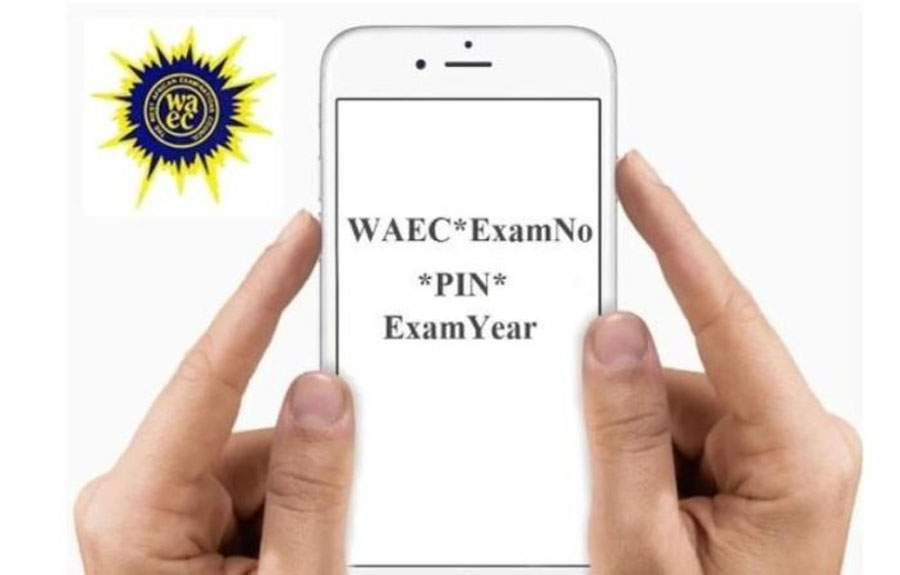
WAEC[Examination Number][PIN]2026
Example:WAEC4123456789*123456789012*2026 -
Send the message to 32327.
-
Standard SMS charges apply.
BREAKING: 61.54% Pass Rate as WAEC Releases 2026 WASSCE Results – How to Check Results
Education
UNIOSUN ranks third among state universities in latest Webometrics ranking
UNIOSUN ranks third among state universities in latest Webometrics ranking
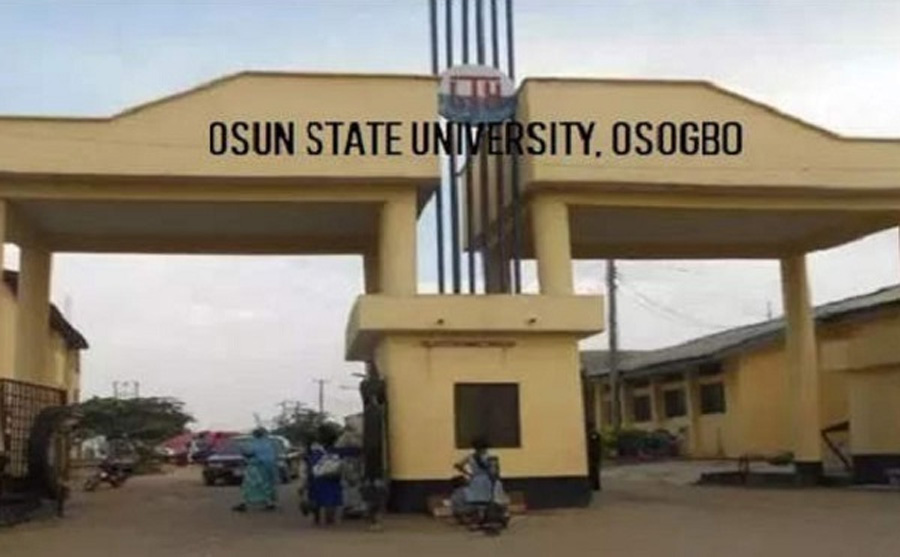
Osun State University, Osogbo, has emerged as the third-best state-owned university in Nigeria in the July 2026 edition of the Webometrics Ranking of World Universities.
The institution also secured the 19th position among all universities in Nigeria, according to the latest ranking released by Webometrics, an international university ranking platform that assesses higher institutions based on their web presence, research visibility and academic impact.
In a statement made available on Monday, the university said the achievement reflects its sustained investment in quality teaching, impactful research, innovation and digital visibility.
The university added that it was also ranked 17th in Nigeria in the 2026 uniRank National University Ranking, another international assessment of higher education institutions.
Reacting to the development, the management described the rankings as a reflection of the commitment of its governing council, management, academic and non-academic staff, students and alumni to advancing the institution’s vision of becoming a globally competitive university.
READ ALSO:
- FRSC Boss: Tinubu’s CNG, EV Drive Creating Jobs, Attracting Investment
- Lanre Shittu Motors Leads Drive to Steer Lagos Students Away from Crime, Donates books to public Schools
-
State police: Shari’ah Council urges caution, wider consultations
According to the university, the recognition will further strengthen its resolve to sustain excellence in teaching, research, community service and international collaborations.
Webometrics, published by the Cybermetrics Lab of the Spanish National Research Council, releases its rankings twice a year, evaluating universities based on indicators such as research excellence, openness, visibility and the impact of their online academic content.
Established by the Osun State Government in 2006, UNIOSUN has continued to expand its academic programmes, research output and international partnerships, earning recognition among Nigeria’s leading public universities.
UNIOSUN ranks third among state universities in latest Webometrics ranking
-

 News3 days ago
Tinubu Meets Jim Ovia, NELFUND CEO at Aso Rock as Student Loans Hit ₦303bn
-

 Education3 days ago
BREAKING: 61.54% Pass Rate as WAEC Releases 2026 WASSCE Results – How to Check Results
-

 metro3 days ago
Police Probe AIG Jimoh Over VeryDarkMan’s Corruption Allegations
-

 metro3 days ago
N78 Million Solar Inverters, 410 Cattle, 10 Guns Recovered as Kaduna Police Arrest 25 Suspects
-

 metro3 days ago
Boat Operators Rescue Woman Who Jumped Into Lagos Lagoon From Carter Bridge
-

 Sports2 days ago
Super Falcons Thrash Egypt 6-2, Book WAFCON Quarter-Final Date with Cameroon
-

 metro3 days ago
Primate Ayodele Predicts Obi, Kwankwaso Will ‘Go Nowhere’ in 2027
-

 metro3 days ago
Tinubu Approves Historic 30–80% Military Pay Rise, N924bn Annual Wage Bill