
Entertainment
Ayinde Barrister: Prophet without honour (2)










Entertainment
Iyabo Ojo Quits Mediation Between Funke Akindele, Toyin Abraham
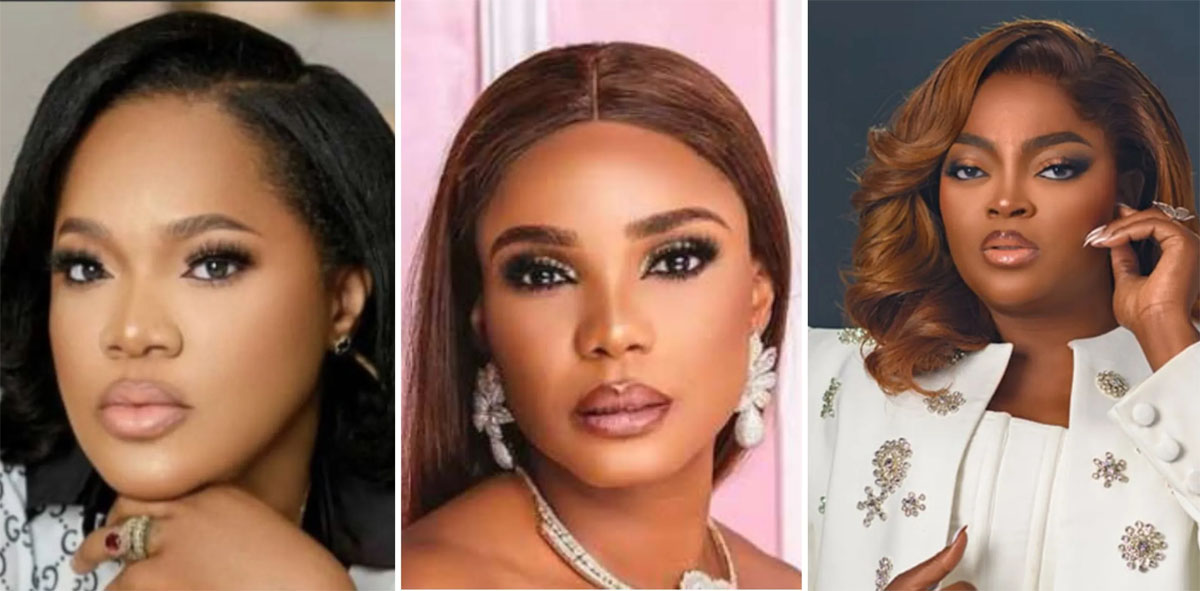
Iyabo Ojo Quits Mediation Between Funke Akindele, Toyin Abraham
Nollywood actress and filmmaker Iyabo Ojo has announced that she will no longer act as a mediator in the ongoing dispute between fellow stars Funke Akindele and Toyin Abraham, citing her inability to resolve the tensions despite her best efforts. She made the disclosure in a detailed post on her Instagram page on Tuesday, addressing criticisms of her involvement and clarifying her past efforts to reconcile the actresses.
Ojo explained that her friendship with Akindele spans several years and has had ups and downs. She admitted to previously publicly criticising Akindele over a movie issue, which she later regretted, but the two reconciled. She then took deliberate steps to broker peace between Akindele and Abraham, at times pleading with both to embrace harmony, which they reportedly did for a period.
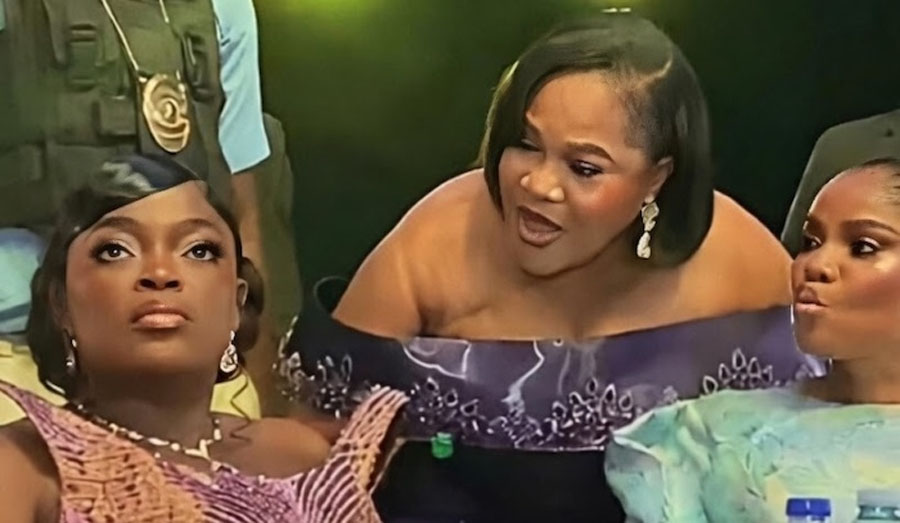
Awkward Moment At Iyabo Ojo Premiere As Funke Akindele Appears To Snub Toyin Abraham
The actress noted that the reconciliation came with an agreement that any future disputes should be resolved privately and off social media. However, she said the arrangement fell apart last December after Abraham raised complaints about alleged sabotage affecting her movie, which sparked renewed tensions and fan speculation against Akindele.
READ ALSO:
- Nigerian Man Gets 15-Year US Prison Term for $1.5M Romance Scam
- Céline Dion Announces Stage Comeback After Four-Year Health Battle
- Senate Passes ₦68.32trn 2026 Budget, Increases Tinubu’s Proposal
The situation escalated following the premiere of Ojo’s new film The Return of Arinzo at the Balmoral Event Centre in Lagos, where a viral video showed Abraham greeting colleagues while Akindele appeared to ignore her. The incident sparked widespread debate on social media, with fans questioning whether past differences had resurfaced. Ojo also clarified that Abraham had originally been cast in her film but withdrew due to exhaustion and travel commitments, causing last-minute script changes.
Despite her repeated attempts, Ojo said she can no longer intervene in the feud. “Honestly, all this saddened me because the sky is big enough for all. I have tried my best, but at this point, I can’t beg anyone anymore. I honestly don’t want to get involved anymore,” she wrote. She urged fans to respect her decision, emphasising that when both parties are ready, they will reconcile on their own terms.
Ojo also promoted her film, confirming that The Return of Arinzo is set to premiere nationwide in cinemas from April 3. The renewed public attention on Akindele and Abraham’s relationship highlights the growing interest in Nollywood celebrity dynamics and the challenges of managing personal conflicts in the public eye.
Iyabo Ojo Quits Mediation Between Funke Akindele, Toyin Abraham
Entertainment
Céline Dion Announces Stage Comeback After Four-Year Health Battle
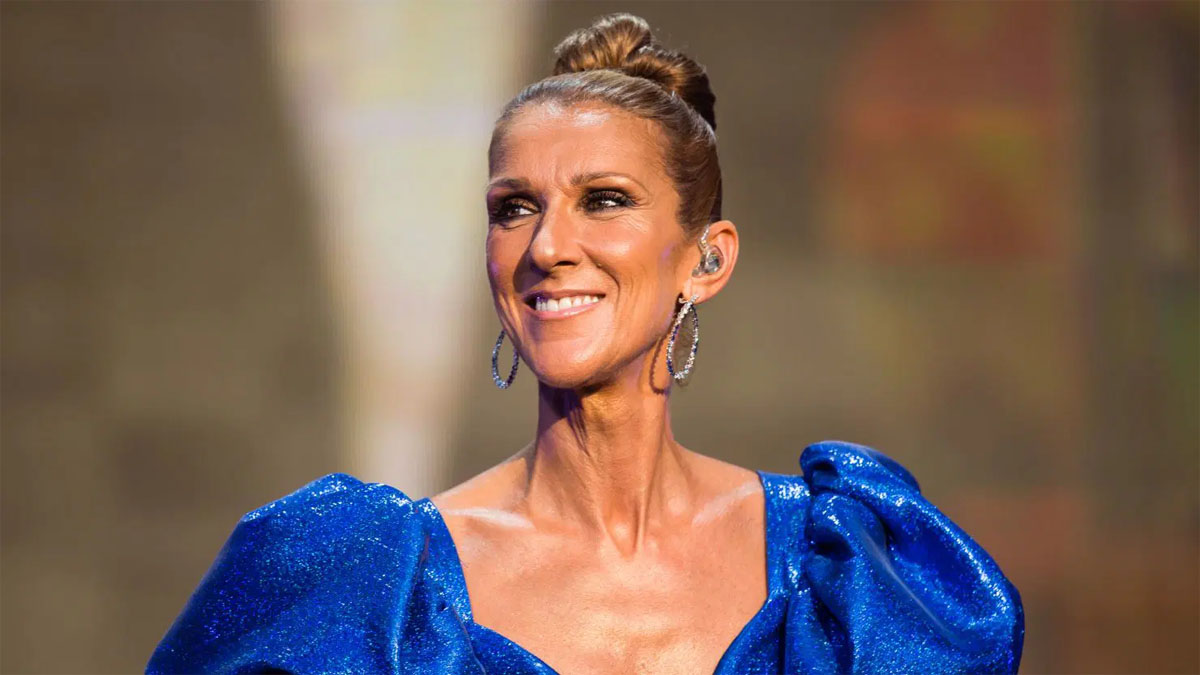
Céline Dion Announces Stage Comeback After Four-Year Health Battle
Global music icon Céline Dion has officially announced her return to singing and live performances, four years after stepping away from the stage due to a rare neurological condition.
In a heartfelt video shared on her Instagram page on Monday to mark her 58th birthday, the Grammy-winning singer told fans she is recovering steadily and ready to reconnect with audiences.
“I want to let you know that I’m doing great, managing my health, I’m feeling good, I’m singing again, even doing a little bit of dancing,” she said, expressing gratitude for the overwhelming support she received during her health struggles.
She also confirmed a major comeback project titled ‘Celine Dion Paris 2026’, a 10-show concert residency scheduled to begin in September in Paris, with presale tickets opening on April 7. The shows are expected to take place at the Paris La Défense Arena, marking her first full-scale return to the stage since 2022.
READ ALSO:
- Senate Passes ₦68.32trn 2026 Budget, Increases Tinubu’s Proposal
- FG Raises Gas Price to $2.18/MMBtu, Signals Fresh Economic Pressure for Nigerians
- Court Orders Final Forfeiture of Jeremiah Useni’s UK Property to FG
Dion’s return follows her diagnosis with Stiff-Person Syndrome, a rare and chronic neurological disorder she publicly disclosed in December 2022. The condition causes severe muscle stiffness, spasms, and mobility challenges, significantly affecting her ability to perform.
At the time, she was forced to cancel her “Courage World Tour”, including multiple shows across Europe, after revealing that the illness had impacted her ability to walk and sing.
In a 2024 interview with NBC News, Dion described the condition as extremely painful, likening it to “someone’s strangling you,” highlighting how it affected her vocal cords and breathing.
Her health journey was further documented in the 2024 film I Am: Céline Dion, where she openly shared emotional moments and the physical toll of the illness. In the trailer, she emphasized her determination to return to performing, saying, “If I can’t run, I’ll walk. If I can’t walk, I’ll crawl. I won’t stop.”
Despite the challenges, Dion has gradually returned to public life, including a widely praised appearance at the 2024 Summer Olympics opening ceremony, which reignited speculation about her comeback.
Her upcoming Paris residency is being seen as a major milestone, not only in her career but also in her recovery. Industry watchers say the carefully structured performance schedule reflects efforts to balance her health with the physical demands of live shows.
Widely regarded as one of the best-selling artists of all time, Dion has sold over 200 million records worldwide. Her iconic hit My Heart Will Go On—the theme from the blockbuster film Titanic—remains one of the most streamed songs globally, with hundreds of millions of plays across platforms like Spotify.
Fans around the world have welcomed the announcement as one of the most anticipated comebacks in recent music history, with expectations already building for sold-out shows and a possible global tour if her recovery continues positively.
Céline Dion Announces Stage Comeback After Four-Year Health Battle
Entertainment
Funke Akindele, Toyin Abraham Spark Reactions Over Alleged Snub at Iyabo Ojo’s Premiere
Funke Akindele, Toyin Abraham Spark Reactions Over Alleged Snub at Iyabo Ojo’s Premiere
Nollywood heavyweights Funke Akindele and Toyin Abraham have ignited widespread conversation online following an alleged snub at a star-studded movie premiere hosted by Iyabo Ojo in Lagos.
The viral video from the event shows Abraham approaching a table where Akindele sat with Ojo and other guests. While some attendees acknowledged her greeting, Akindele appeared not to respond, maintaining a calm and composed expression throughout the brief interaction.
The clip quickly gained traction across social media platforms, with many viewers interpreting the moment as a snub, while others argued it may have been a misunderstanding in a crowded and busy environment.
Reactions have remained sharply divided. Some critics described the perceived action as unnecessary at a public event, while supporters insisted that such moments can easily be misread, especially during high-profile gatherings.
READ ALSO:
- NCC Orders MTN, Other Telcos to Compensate Subscribers for Poor Network Service
- Abuja Convention: Wike PDP Faction Confirms Mohammed as Chairman, Anyanwu as Secretary
- Debate as OPM Pastor Marries Autistic Man to Older Woman
The situation has also revived long-standing discussions about a possible Nollywood rivalry between the two actresses. Over the years, fans have frequently compared their box-office performances, particularly during cinema release periods, despite both stars maintaining professionalism in public.
Adding to the intrigue, social media users resurfaced past exchanges between the actresses, suggesting that the incident may reflect deeper tensions. However, others have cautioned against drawing conclusions from a short clip.
Following the controversy, reports indicate that Abraham unfollowed Akindele on Instagram and shared a now-deleted post hinting she may stop greeting her colleague publicly. This development has further fueled online debates and speculation.
Despite the growing buzz, neither Akindele nor Abraham has issued an official statement addressing the incident.
As discussions continue, several fans and commentators have called for restraint, urging the public not to escalate tensions or turn the situation into online hostility.
Ultimately, the episode highlights how quickly celebrity moments can trend online, shaping narratives and fueling conversations within Nigeria’s entertainment industry.
Funke Akindele, Toyin Abraham Spark Reactions Over Alleged Snub at Iyabo Ojo’s Premiere

-

 Entertainment1 day ago
Funke Akindele, Toyin Abraham Spark Reactions Over Alleged Snub at Iyabo Ojo’s Premiere
-

 metro2 days ago
Jos Attack: Plateau Govt Declares 48-Hour Curfew After Deadly Assault
-

 Education18 hours ago
WAEC Releases 2026 WASSCE Timetable for School Candidates
-

 Auto14 hours ago
Lagos NURTW Chairman Sego Distributes Exotic Cars, Luxury Items to Cabinet Members (Video)
-
 News1 day ago
UK Raises Visa Costs, Tightens Immigration Rules From April 8
-

 International2 days ago
Iran Threatens US-Linked Universities in Middle East Amid Escalating Tensions
-

 metro2 days ago
From Royal Wedding to Courtroom War: Gana’s Son, Wife in Explosive Split
-

 Auto2 days ago
Motoring World marks 30 years, set to rally industry leaders in Lagos
You must be logged in to post a comment Login