

News
Blessing Olajide Rape & Death: Saraki, Nigerians Call For Justice (Photos)

Olajide Omowunmi Blessing, a 300- level Agricultural Science Department of the University of Ilorin, was raped & murdered at her Ilorin home where she resided with her elder sister.
On late Blessing Omowunmi Olajide’s gruesome murder, the CP Kwara has assured that, everything legally possibly is being done to unearth the perpetrators of this heinous crime. He adviced that anybody with any useful information should make such available to the police, please.
Kwara State Governor, Abdulrahman Abdulrazaq
I mourn the shocking and utterly condemnable reported rape and murder of Miss Olajide Omowumi Blessing, a 300-level student of the University of Ilorin by some yet-to-be-identified persons.
The development is heart-wrenching and absolutely unacceptable. Such antisocial and despicable behaviour will never be acceptable to all people of good conscience, and all of us will unite to fight this to a logical conclusion. I call on the security agencies to get to the root of this dastardly act with a view to bringing the mindless perpetrators to book. I similarly call on anyone with valuable information to volunteer same to the security agencies,
I sincerely commiserate with the parents of the deceased, her course/ housemates, and the university community on this sad incident, while praying the Almighty God to repose her soul. I join every person of good conscience to seek justice for Blessing so that such callous action and its perpetrators will never find a foothold in our society. I hereby send strong warnings that we will not tolerate indiscriminate violence against any person, much less the girl child. Enough is enough! The security agencies will get the perpetrators to pay heavily for this crime.
Abubakar Bukola Saraki, CON
#JusticeForBlessing
I condemn in the strongest possible terms the rape and killing of Miss Blessing Olajide, a 300-level student of Agricultural Science at the University of Ilorin.
This act, which is evil, disgusting, and despicable in every sense, must be promptly investigated by the Police and the school authorities — so that the perpetrators are brought to justice.
The Kwara State government must work to ensure that this act does not go unpunished — as this will serve as a deterrent in the future and will assuage the fears of young women across our state who want to pursue their education.
It is my hope that the family of Miss Olajide finds the strength from Almighty God that they need at this difficult time as they mourn the passing of their young and promising daughter and sister.
Amen.
-ABS
Kwara State First Lady, Ambassador Mrs. Olufolake Abdulrazaq
I received with great shock the news of the rape and subsequent murder of a promising 300 level student of University of Ilorin, Miss Blessing Olajide in her residence, Tanke area Ilorin.
The rape and gruesome murder of Miss Blessing by some yet to be identified persons is a cruel and barbaric act that offends human sensibility in its entirety and no society will tolerate or allow such evil acts to thrive.
I appeal to the @PoliceNG and other security agencies in the State for thorough and speedy investigation into the circumstances that led to the death of Miss Blessing, to ensure that all perpetrators of this act are made to face the full wrath of the law.
The gender-based violence stakeholders in the state will also serve as a pressure group to ensure that justice is served and will propose measures to ensure the safety of our young ones and in particular university students in the state.
While praying for the repose of the soul of the deceased, my heartfelt sympathy and condolences go to the friends and family of Blessing, her course mates, and the entire Unilorin Community for the colossal loss.
I also urge our young people to be vigilant and conscious of the company they keep.
Unilorin Students Union
JUSTICE FOR BLESSING
Focused Unilorites,
We are so sad to have received the news about the death of one our colleagues, Olajide Blessing, a 300 level student of Faculty of Agriculture who was raped and gruesomely murdered on the eve of Wednesday; June 2, 2021.
We use this opportunity to condemn this despicable act. As a Union, we will embark on a visit to the family and friends of the deceased to convey our condolence messages on behalf of all Unilorites and we pray that God grant the family, friends and all Unilorites fortitude to bear this unfortunate and irreparable loss.
The issue has been taken up by the law enforcement agency and a robust investigation has commenced to ensure that justice is attained for Blessing. We urge every Unilorites that have vital information regarding this incident to visit the nearest police station for proper briefings to aid the investigation process and help nip the perpetrators in the buds as we assure you of maximum safety.
We plead with all fellow colleagues to remain calm while being security conscious to allow police conduct their investigation. Be rest assured that we are part of the process and will not rest until justice is secured.
VC condemns rape, murder of Unilorin student
The Vice-Chancellor of the University of Ilorin, Prof. Sulyman Age Abdulkareem, has condemned the reported rape and murder of a 300 Level student of the institution, Miss Blessing Omowumi Olajide, at a location outside the University campus.
Prof. Abdulkareem, in his reaction to the unfortunate incident through the University’s Director of Corporate Affairs, Mr. Kunle Akogun, said that the University management received the report of the incident with a heavy heart, saying that the incident was not only ugly but also absolutely unacceptable and must be condemned by people of good conscience.
While sympathising with relations, friends and colleagues of the deceased, the Vice-Chancellor assured that the University would work with security agencies to get to the root of the matter and expose the perpetrators of the heinous crime.
Prof. Abdulkareem urged students of the University to always be vigilant and conscious of their environment.
He also admonished the students to be wary of the kind of friends they keep places they visit and ensure they report strange faces or irregular movements in their areas to the school authorities or security agencies in order to preserve their dignity, integrity and safety.
He restated the commitment of the University management to ensure the general safety of the students and staff both within and outside the school.

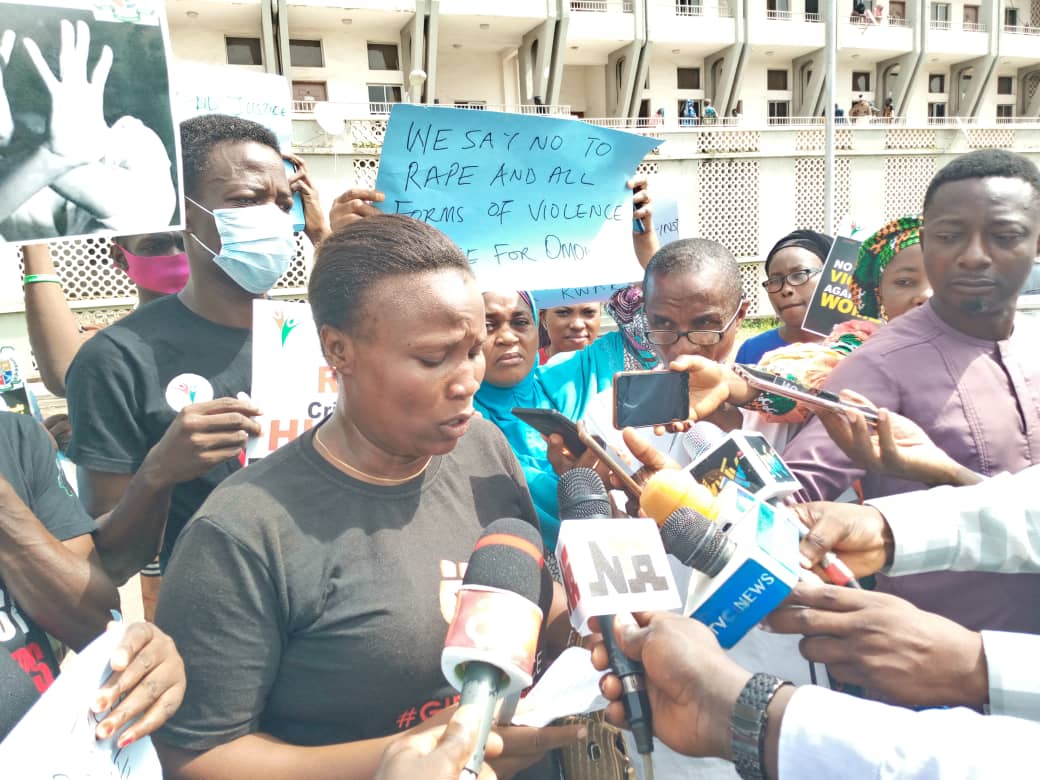
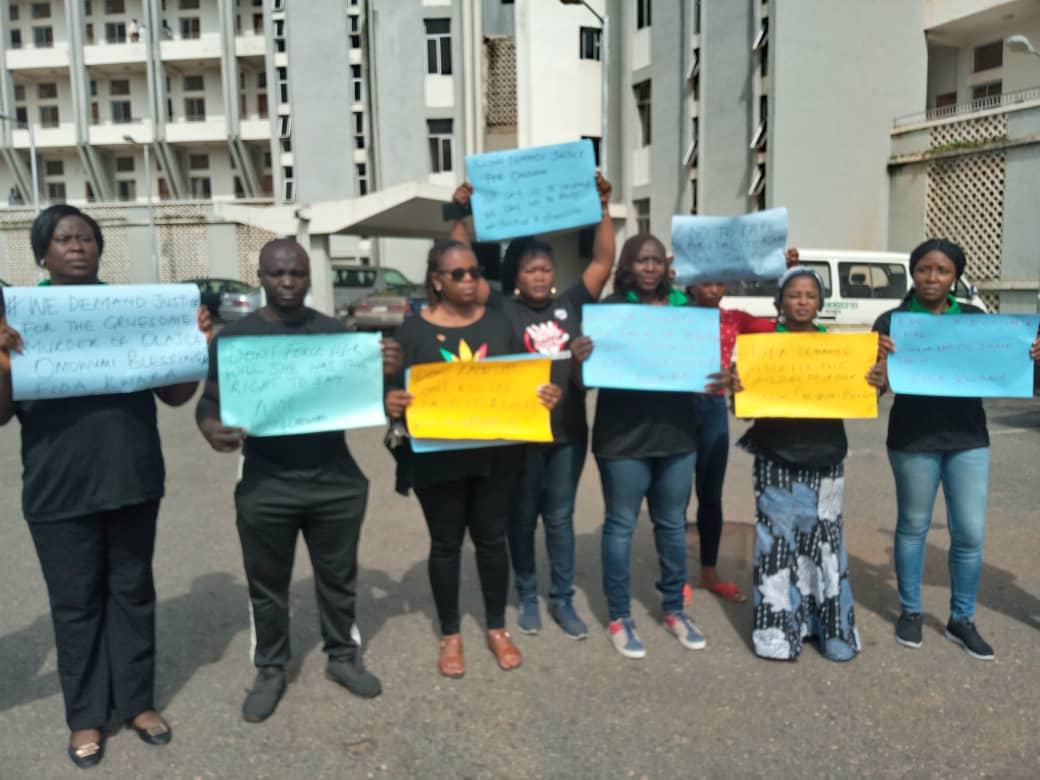
Civil rights activists are demanding justice for Blessing Olajide, a 300 level University of Ilorin undergraduate who was raped and murdered by yet-to-be-identified rapists.
The rights activists who protested in Ilorin described the rape as one too many.

International
Truly Depraved Rapist Jailed for 17 Years After Violent Attack on Woman
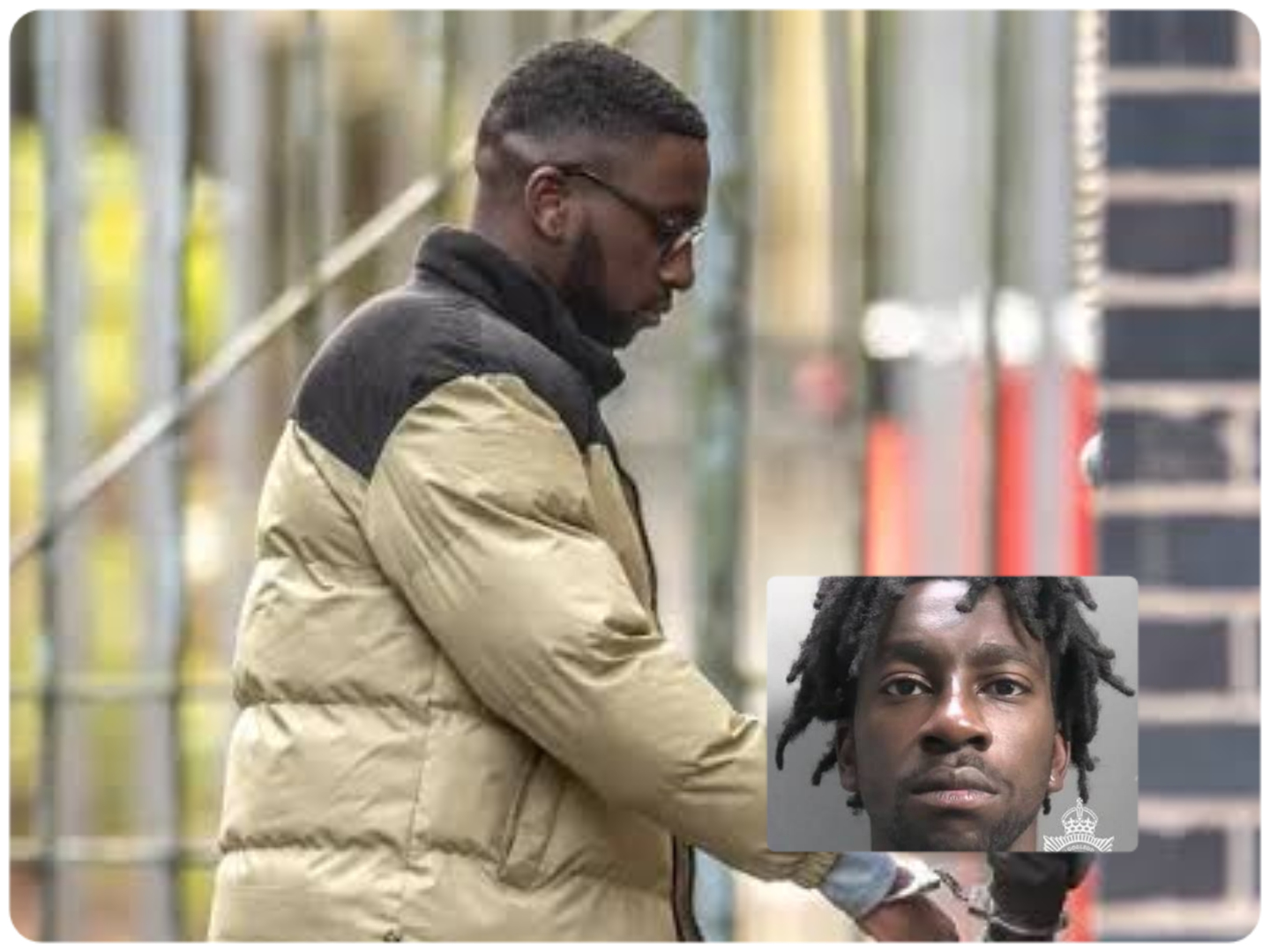
A 24-year-old Nigerian national, Gift Oladele, dragged a young woman into woodland and violently raped her has been jailed for 17 years after a judge described his actions as “truly depraved”.
Gift Oladele carried out the attack in Wrexham, North Wales, in September last year after approaching the victim, who was 19 at the time, as she walked home from a night out.
Oladele was convicted of rape and sexual assault at Mold Crown Court in March. He was sentenced on Thursday.
How the Attack Happened
The court heard that Oladele approached the woman and her friends outside a takeaway in Wrexham city centre. He initially appeared friendly and flirtatious before offering to walk home with her.
According to prosecutor James Coutts, Oladele accompanied the woman until they reached an isolated area, where he grabbed her by the mouth and forced her into the woods.
He then carried out a violent rape.
“She described being terrified,” Coutts told the court. “She did what she thought she needed to do to get through the attack.”
Oladele threatened to find and harm the victim if she reported the rape. He also threatened to take photographs of her and post them online.
Despite the threats, the woman returned home and immediately told her parents, who contacted the police.
Oladele was arrested the following day at his cousin’s home in Wrexham. Officers said he had attempted to hide a mobile phone, which contained searches relating to sexual attacks.
The court heard that Oladele had a “fascination in forced sexual abuse and rape” and that he appeared to be acting out a fantasy shown in the videos he had searched for.
Victim Describes Lasting Trauma
In a victim impact statement, the woman told the court that she continued to wake up from nightmares in which Oladele had tracked her down.
“I’m petrified,” she said.
She also described taking medication to prevent HIV infection after the assault and suffering long-term emotional and psychological effects.
“I feel ashamed, and somehow damaged, since what he did to me,” she said.
“The emotional impact has been very significant.
“I can’t go anywhere on my own anymore.
“I feel unsafe.”
Judge Simon Mills praised the woman for her courage during and after the attack.
“You showed exceptional courage during the incident and afterwards,” he told her.
Previous Conviction and Deportation Appeal
At the time of the Wrexham attack, Oladele was already on bail over another rape allegation in Manchester dating from November 2024.
He had also been jailed in 2022 for a sexually motivated attack.
The court heard that Oladele was later due to be deported to Nigeria but successfully challenged the decision on human rights grounds.
An immigration tribunal judge described the deportation case as “finely balanced”, acknowledging the seriousness of Oladele’s previous offence and the public interest in deporting foreign criminals.
However, the tribunal also considered his ties to the United Kingdom, where he had grown up, and the consequences of relocating to Nigeria.
The Home Office made two attempts to appeal the decision, but both appeals were rejected.
Judge Calls Defendant Dangerous
During sentencing, The Judge described Oladele’s actions as “truly depraved”.
“You subjected her to a terrible violation,” he said.
“You are a dangerous offender.”
The judge said Oladele posed an exceptionally high risk of harm to young women and had shown “absolutely no remorse whatsoever”.
The Home Office described the case as horrific and said Oladele’s imprisonment was the right outcome.
The victim’s account has highlighted not only the brutality of the attack but also the lasting fear and emotional damage that sexual violence can cause long after the offender has been convicted.
News
Missing Billions: Lawmakers Summon NNPCL and 146 Marketers Over ₦432bn Downstream Debt
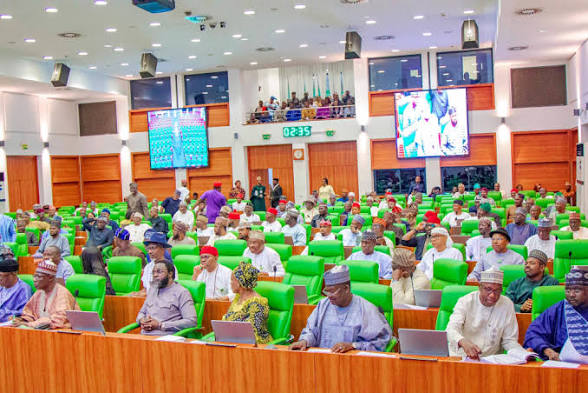
Nigeria’s federal lawmakers are putting the downstream energy sector under the microscope after audit records revealed that state oil firm NNPCL and private fuel marketers have piled up at least ₦432 billion in unpaid regulatory obligations.
The House of Representatives Public Accounts Committee (PAC) confirmed the formal probe this week, following persistent warnings raised in the Auditor-General’s 2023 and 2024 annual reports.
Regulatory Levies Left Unpaid
The mountain of debt has accumulated over a six-year period from 2017 to 2023, remaining largely uncollected despite the country’s tight fiscal squeeze.
READ ALSO:
Cheap Alcohol Fuels Banditry NAFDAC Chief Stands Firm on Sachet Ban
Fresh Blackout Hits Abuja as Apo Substation Transformer Trips
More Than 1,000 Migrants Rescued Off West Africa in One Week
The liabilities consist of statutory fees meant to fund national energy infrastructure, including the 1% Midstream and Downstream Gas Infrastructure Fund, National Transport Average fees, Balancing Allowances, and lingering credit balances from import and coastal operations.
Audit records track a steep rise in default:
- The 2023 audit initially captured ₦392 billion in total arrears, with NNPCL carrying over ₦162 billion and commercial marketers responsible for ₦230 billion.
- The 2024 report revealed that private marketer debt alone had swelled to ₦432 billion, separate from state-owned NNPCL liabilities.
- Regulatory data from the NMDPRA confirms that 146 companies affiliated with DAPPMAN and MEMAN owed ₦327 billion by 2025.
No Hiding Place for Defaulters
PAC Chairman, Rep. Bamidele Salam, made it clear that parliament expects compliance from corporate leaders, issuing a firm directive against corporate stonewalling.
Salam emphasized that the committee will scrutinize why statutory revenues were permitted to sit idle without vigorous enforcement from the NMDPRA. Defaulters will be forced to present audit trails detailing every transaction, outstanding balances, and proof of any remittances made to date.
For lawmakers, the objective is unambiguous: plug commercial leakages, enforce fiscal discipline, and recover every outstanding naira owed to the federation.
News
Fresh Blackout Hits Abuja as Apo Substation Transformer Trips
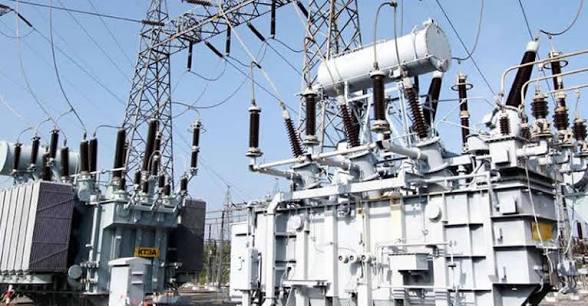
Parts of the nation’s capital have once again been plunged into darkness following an early-morning equipment failure at the Apo Transmission Substation on Wednesday.
The Transmission Company of Nigeria (TCN) confirmed the outage, attributing the disruption to the tripping of a 100MVA TR4 power transformer at its 132kV/33kV facility. Preliminary findings trace the failure to an oil spillage on the transformer’s red-phase High Voltage (HV) bushing, which forced four critical 33kV feeders, H31, H33, H35, and H37 offline.
READ ALSO:
Cheap Alcohol Fuels Banditry NAFDAC Chief Stands Firm on Sachet Ban
Missing Billions: Lawmakers Summon NNPCL and 146 Marketers Over ₦432bn Downstream Debt
More Than 1,000 Migrants Rescued Off West Africa in One Week
In an official public notice, the transmission utility stated that technical teams are already mobilized on-site:
“The Transmission Company of Nigeria, TCN, hereby informs the public that the 100MVA TR4 transformer at the 132/33kV Apo Transmission Substation tripped in the early hours of today. Our maintenance crew are already carrying out a detailed investigation on the transformer to ascertain the exact cause of the tripping, to enable us effect repairs and restore the transformer.”
Following the grid disruption, the Abuja Electricity Distribution Company (AEDC) confirmed power losses across several major districts, including the Apo Legislative Quarters, Lokogoma, and Apo Resettlement.
The latest breakdown adds to a pattern of recurring supply interruptions across Abuja, coming just days after scheduled maintenance works left residents grappling with low generation and prolonged blackouts.
-

 Auto3 days ago
Kaduna to Lead Govt Patronage of Local Vehicles as Sani Unveils Peugeot 5008
-

 metro2 days ago
El-Rufai Demands ₦10bn from Defence Minister Over Southern Kaduna Killings Allegation
-

 metro3 days ago
Socialite Igho ‘Tiny’ Ubiribo Dies After Penis Enlargement Surgery
-

 metro2 days ago
Catholic priest leaves priesthood, weds Kenyan woman after 12 years in Kenya
-

 News2 days ago
Lagos Moves to Slash Agency Fees, Curb Rent Hikes With New Tenancy Bill
-

 metro2 days ago
Oyoland Grand Chief Imam Celebrates Dr Sharafudeen Raji for Service to Islam
-

 Politics2 days ago
Why Did Peter Obi Attend Seyi Makinde’s Campaign Launch? Here’s What He Said
-

 metro2 days ago
No US Case Against Tinubu, Family Enjoy Unimpeded Transit for UNGA — Ambassador Ibrahim