
News
Borno murder: My comment was to avoid future occurrence, says Garba Shehu
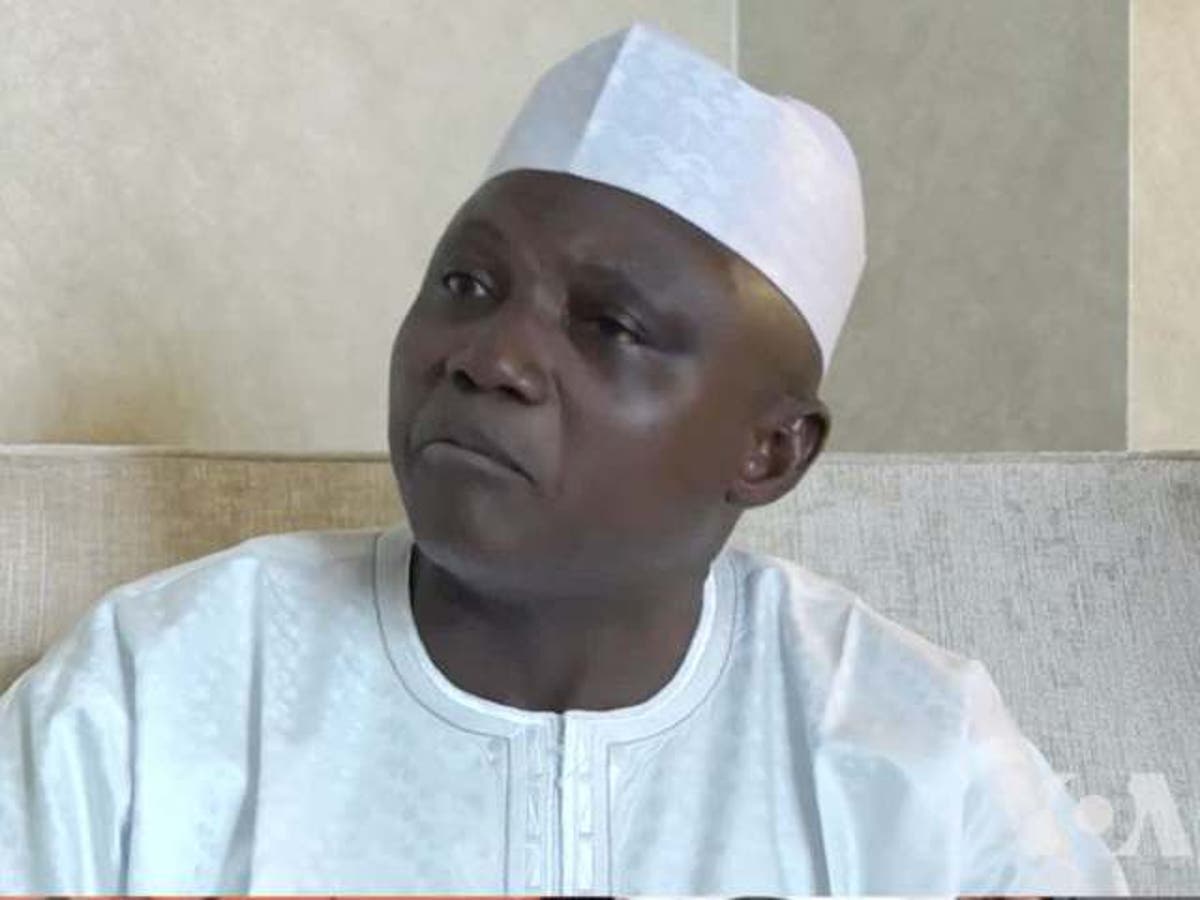
Presidential spokesman, Garba Shehu, says his comment that the 43 farmers killed in Borno State did not get military clearance to visit their farms was a response to a question on security operations in the North-East.
Suspected Boko Haram members Saturday attacked Zabarmari community in the Jere Local Government Area of Borno, killing the farmers in a gruesome way.
Shehu told the BBC on Monday that farmers and residents ought to get security clearance before visiting certain areas in Borno, adding that the military was in “full control” of all parts of the state.
His comment, however, sparked outrage on social media, as many Nigerians interpreted this to blaming the farmers for the murder.
But in a series of tweets later on Monday, the presidential spokesperson explained that Zabarmari marshlands are filled with land mines and movement is usually subjected to “military oversight”.
He said as a human, he could not have said the victims deserved their fate for “ignoring security clearance”.
“Today, I found myself leading the trends in the social media for the wrong reasons. The State of Borno is essentially a military zone up till now that we are talking and much of what people do, much of where they go are governed by the exigencies of security,” he wrote.
“Routinely, traders, administration officials and even UN agencies get the green light to go to many of the areas to avoid trouble. Information from security agencies says that the Zabarmari marshlands are infested with land mines and movements in around those areas subject to military oversight.
“No one is delighted with the massacre in Zabarmari and there is nothing anybody will gain by playing blame games. The question I tried to answer on BBC was: did the security sign off on the area as being free of mines and terrorists? The honest answer is, no.
“I was merely explaining the mode of military operations in the war zone of the North-East. There are areas that are still volatile that require security clearance which is intended to put people out of harm’s way.
“When tragedies occur, questions arise in terms of how something happened in order to avoid future recurrence. Informing the military of our movements in an area of volatility and uncertainty is intended to preserve public safety.
“Explaining why something happened doesn’t mean I have no sympathy for the victims. I was just explaining the military procedures on the safe movement of the people and not supporting the death of the victims.”








News
Human Rights Lawyer Warns Against Targeting Children, Hospitals in U.S – Israel Military Action

Human Rights Lawyer Warns Against Targeting Children, Hospitals in U.S – Israel Military Action
Human rights lawyer Deji Adeyanju has urged the United States and Israel to fully respect international humanitarian law and the Geneva Conventions in their ongoing military action against Iran, warning that targeting civilians, children, hospitals and other protected populations constitutes a serious violation of the laws of war.
Speaking in a statement on Monday, Adeyanju said that even amid heightened conflict, combatants have clear legal obligations under international law to distinguish between military targets and civilians. He noted that deliberate attacks on non‑combatants and protected infrastructure such as hospitals and schools are prohibited under global legal norms aimed at minimizing human suffering during armed conflict. This framework is central to the Geneva Conventions and their Additional Protocols, which require parties to a conflict to take all feasible precautions to safeguard civilians and avoid harm to civilian objects.
“The United States and Israel must respect the Geneva Convention in their war with Iran. Children, hospitals, the civil population and vulnerable people must not be targeted,” Adeyanju said, emphasizing that failure to uphold these principles could amount to serious violations under international law.
READ ALSO:
- Several U.S. Warplanes Crash in Kuwait Amid Ongoing Iranian Strikes
- Wike Blasts Kingibe Over FCT Council Election Remarks
- Israeli Airstrikes Kill 31 in Lebanon as Hezbollah Loses Senior Figures
International humanitarian law (IHL) — the body of legal rules that govern armed conflict — protects those who are not taking part in hostilities, including civilians, medical personnel and humanitarian workers, and restricts how warfare may be conducted. Under IHL, parties must always distinguish between combatants and civilians and refrain from deliberate attacks on civilian objects even if military activity is occurring nearby.
Adeyanju’s appeal comes amid sharp escalations in the Middle East, where recent U.S. and Israeli military strikes inside Iran have sparked retaliatory attacks by Tehran and heightened fears of a wider regional conflict involving multiple state and non‑state actors. Various international actors, including the European Union, have called for “maximum restraint” and full compliance with international law in responding to the crisis, urging the protection of civilian lives and strict adherence to humanitarian norms.
Similarly, international legal and humanitarian organisations, such as the International Committee of the Red Cross (ICRC) and the United Nations human rights chief, have reiterated that the laws of war apply regardless of the political objectives of the parties involved, and that the safety of civilians must remain paramount. They have called for all sides to uphold the rules of armed conflict and protect medical personnel, hospitals, homes and schools from attack.
Critics of the escalation have underscored the devastating toll that indiscriminate or disproportionate use of force can have on civilian populations, not only in the immediate conflict zone but also across neighbouring regions struggling with displacement, economic instability and humanitarian needs.
Adeyanju stressed that adherence to international humanitarian law and the Geneva Conventions is not merely aspirational but a legal and moral obligation for all parties in hostilities. He reiterated that the protection of innocent lives, especially children and vulnerable civilians, should remain central to any legitimate military action and urged greater international accountability for violations.
Human Rights Lawyer Warns Against Targeting Children, Hospitals in U.S – Israel Military Action
News
Presidency Denies Alleged Poison Plot Against President Tinubu, Calls Viral Report Fake
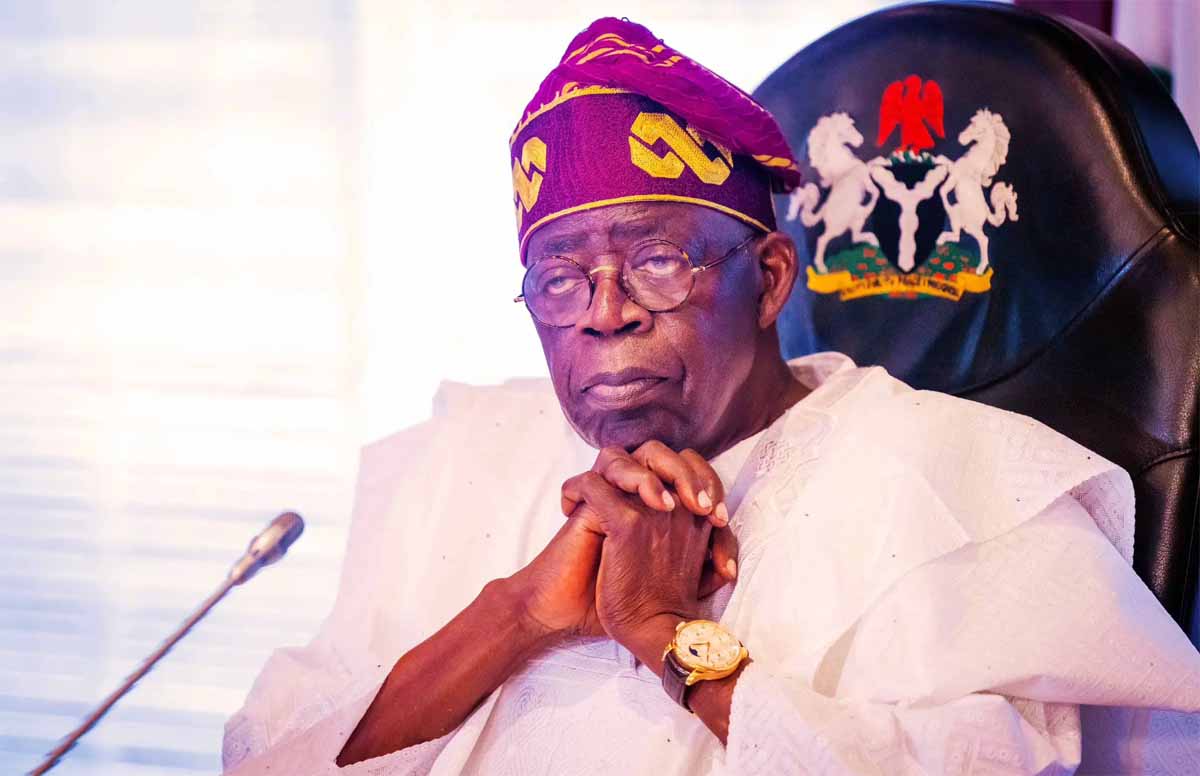
Presidency Denies Alleged Poison Plot Against President Tinubu, Calls Viral Report Fake
The Presidency of Nigeria has firmly denied claims circulating online that a chef at the Aso Rock Presidential Villa attempted to poison President Bola Ahmed Tinubu, describing the viral report as false, misleading, and fabricated.
In a statement released on Sunday, the Special Adviser to the President on Information and Strategy, Bayo Onanuga, dismissed the social media video suggesting that security operatives had arrested a kitchen staff member in connection with an alleged poisoning attempt. The statement emphasised that the report is “fake news” with no credible source or evidence.
The viral video, which gained significant traction across social media platforms, alleged that intelligence reports uncovered suspicious activities in the presidential kitchen, prompting the deployment of special security units and the launch of a covert investigation. However, the Presidency categorically refuted these claims, stating:
“There was no attempt to poison the President, and no kitchen staff member was arrested in connection with any such plot. The story being circulated is entirely fabricated and should be disregarded.”
READ ALSO:
- Saudi Arabia Denies Lobbying US to Strike Iran as Gulf States Respond to Escalation
- NDLEA Dismantles Meth Lab, Arrests Long‑Wanted Drug Kingpin in Imo
- Military Kills Boko Haram/ISWAP Insurgents, Recovers Weapons, Armed Drone in Borno
Officials clarified that the video consisted of unrelated clips combined with a dramatic voice-over, likely aimed at creating panic and generating online engagement. The statement urged members of the public, journalists, and media outlets to verify information through official channels before sharing sensitive claims, particularly those involving national security.
Security analysts noted that misinformation targeting high-profile political figures can spread rapidly online, often fueled by sensational narratives, and warned that such false reports could undermine public trust in national institutions.
As of the filing of this report, no security agency has independently confirmed the alleged incident. Multiple reputable news outlets have reinforced the official denial, highlighting that the alleged poisoning attempt did not occur.
The Presidency reiterated its commitment to transparency and responsible communication, assuring Nigerians that any genuine security threats involving the President would be addressed through proper official channels. Citizens are advised to remain calm and avoid amplifying unverified information capable of causing panic or destabilising public discourse.
Presidency Denies Alleged Poison Plot Against President Tinubu, Calls Viral Report Fake
News
INEC: Perfect Election Not Possible in 2027, but Poll Will Be Nigeria’s Best — Amupitan
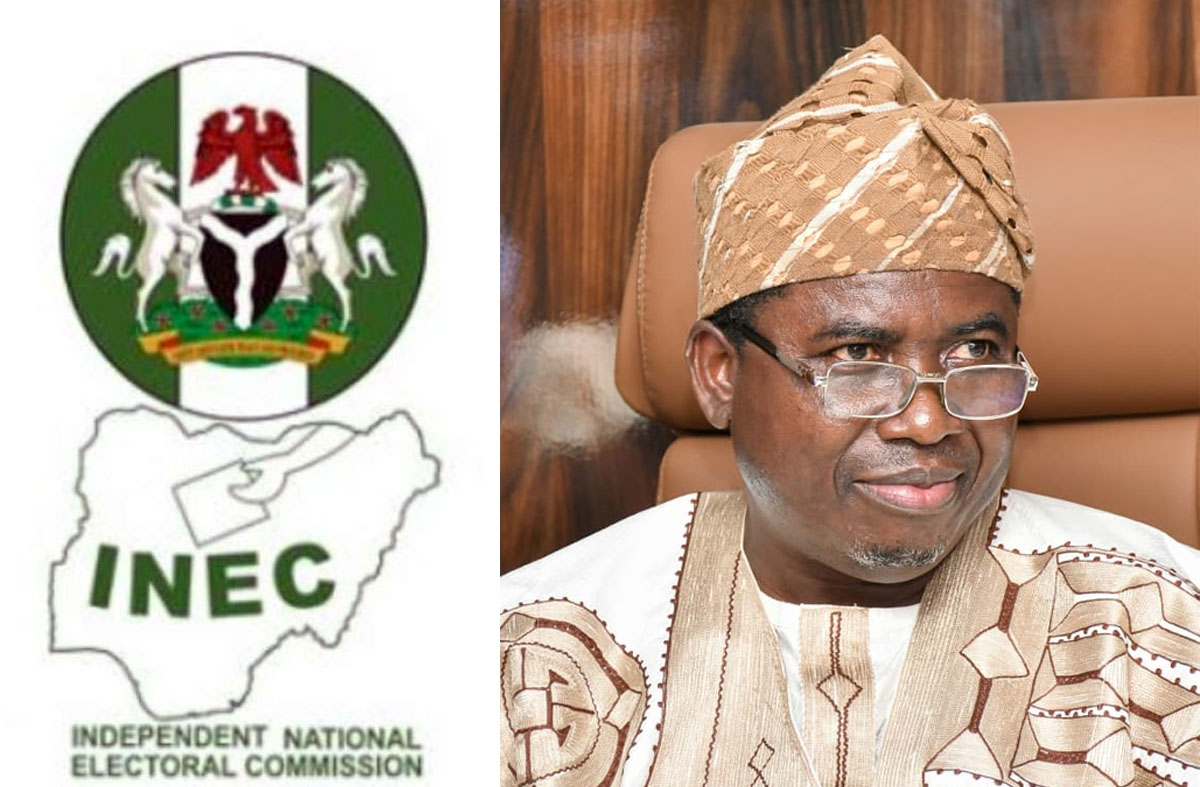
INEC: Perfect Election Not Possible in 2027, but Poll Will Be Nigeria’s Best — Amupitan
The Chairman of the Independent National Electoral Commission (INEC), Joash Ojo Amupitan, has said the commission cannot guarantee a completely flawless election in 2027, especially with regard to real-time electronic transmission of results, but assured Nigerians that the polls would mark a major improvement over previous elections.
Amupitan spoke at a Citizens’ Townhall Meeting organised by the Civil Society Network on Election Integrity in Abuja, where he acknowledged logistical, technical, and human limitations in large-scale elections, stressing that absolute perfection is unrealistic anywhere in the world.
He explained that while INEC has the capacity to electronically transmit results, delays may still occur due to network and operational factors. Using a banking analogy, he said results may be successfully transmitted even if they do not appear instantly, warning against interpreting such delays as evidence of manipulation.
Reflecting on the 2023 general elections, Amupitan admitted that while INEC tested its technology during state and off-cycle polls, it failed to adequately test nationwide, simultaneous transmission during the presidential election. He said this gap has now been identified and would be fully addressed before 2027 through extensive system testing and stress simulations.
READ ALSO:
- Nigeria Fuel Prices May Rise as Middle East Crisis Deepens
- ICPC Says It Found Wiretapping Devices in El-Rufai’s Abuja Residence
- Lagos Announces Traffic Diversions for Ogunnusi Road Reconstruction in Ikeja
He added that the credibility of any election depends largely on logistics and result management, citing the recent FCT Area Council elections, where results were declared promptly in five councils, while delays occurred in one ward in Kuje. According to him, an election should be judged successful if it starts on time, is peaceful, and results are transparently managed and declared according to law.
Amupitan also called for simpler language in the Electoral Act 2026, arguing that clearer provisions would help citizens better understand electoral rules and reduce post-election disputes.
Despite the challenges, the INEC chairman expressed optimism that the 2027 elections would be Nigeria’s most credible yet, noting that voters are more informed, politically aware, and technologically savvy than ever before.
Reactions from Civil Society and Political Parties
Reacting to Amupitan’s comments, civil society organisations welcomed INEC’s admission of past shortcomings but urged the commission to translate promises into concrete reforms.
The Executive Director of YIAGA Africa, Samson Itodo, said acknowledging limitations was a positive step, but warned that public trust hinges on consistent transparency, especially around result transmission and communication with voters on election night.
Similarly, the Centre for Democracy and Development (CDD) said INEC must prioritise logistics, voter education, and accountability for electoral offenders to avoid a repeat of controversies seen in previous elections.
From the political space, the Peoples Democratic Party (PDP) said INEC’s statement reinforced the need for stronger legal safeguards and independent oversight, warning that technological failures could be exploited by desperate politicians.
The ruling All Progressives Congress (APC), however, urged Nigerians to focus on reforms already underway, saying early preparation and improved testing could restore confidence in the electoral process.
INEC: Perfect Election Not Possible in 2027, but Poll Will Be Nigeria’s Best — Amupitan

-

 International2 days ago
Ayatollah Ali Khamenei, Iran’s Supreme Leader, Dies After U.S.–Israeli Strikes
-
 International2 days ago
Iran: US, Israel launch another strikes, Commander, Defence leader, five other top officials killed
-

 International3 days ago
Middle East on Edge as Iran Retaliates Against Israel, U.S Bases
-

 International2 days ago
Kamala Harris Slams Trump for Dragging U.S. Into ‘Unwanted War’ in Iran Conflict
-

 metro2 days ago
Hajj, Umrah Are for Muslims Only – Scholar Urges NAHCON to Tighten Screening
-
 International1 day ago
Iran Retaliates: Gulf States Allied With US Hit by Missiles, Drones
-
 International1 day ago
Saudi Arabia Denies Lobbying US to Strike Iran as Gulf States Respond to Escalation
-

 International2 days ago
BREAKING: Iran Forms Three-Member Leadership Council to Steer Country After Khamenei’s Death
You must be logged in to post a comment Login