

Africa
BREAKING: War imminent as ECOWAS orders military action against Niger junta
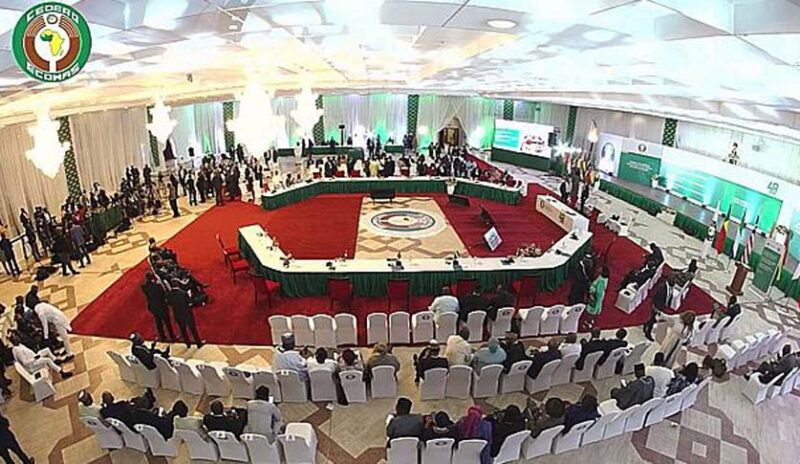
BREAKING: ECOWAS orders immediate military action against Niger junta
The Economic Community of West African States has ordered its standby force to restore constitutional order in the Niger Republic.
The President of ECOWAS, Omar Alieu Touray, made the declaration while reading the resolution of ECOWAS on the Niger coup at the ECOWAS Extraordinary meeting in Abuja on Thursday.
It also called on the African Union, AU, partner countries, and institutions to support the resolution taken by the sub-regional body.
READ ALSO:
-
FG approves use of hijab in Federal Government Colleges
-
Malaysia bans Swatch watches over celebration of LGBTQ rights
-
JUST IN: Harry Kane set to join Bundesliga gaint club as Tottenham agree to £86.4m deal
ECOWAS said all efforts made to dialogue with Niger Republic military junta have been defiantly rejected by coup leaders as they condemn the continuous detention of President Mohamed Bazoum and his family members.
The resolution partly reads, “Direct the committee of the Chief of Defence Staff to activate the ECOWAS standby force with all its elements immediately.
“Order the deployment of the ECOWAS stand-by force to restore constitutional order in the Republic of Niger.
“Underscore its continued commitment to the restoration of constitutional order through peaceful means.”
BREAKING: ECOWAS orders immediate military action against Niger junta











Africa
Shakahola Massacre: Kenyan Court Jails Doomsday Pastor 200 Years Over 191 Deaths
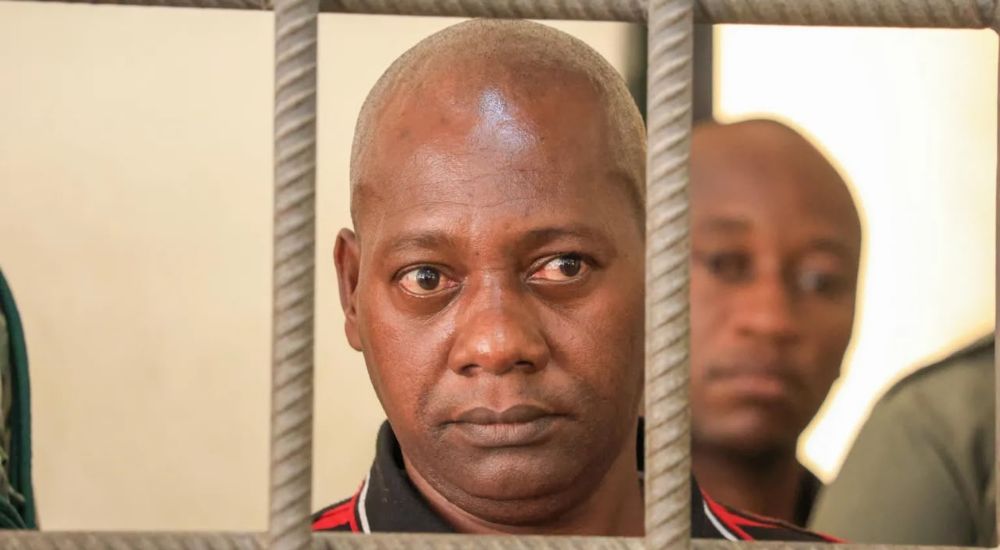
A Kenyan High Court has sentenced controversial preacher Paul Nthenge Mackenzie to 200 years in prison for his role in the deaths of 191 people, including 190 children, in one of the country’s deadliest religious cult tragedies.
The sentence was handed down on Friday, November 6, 2026, by Justice Diana Kavedza of the High Court in Mombasa, following Mackenzie’s conviction for orchestrating the deaths of his followers through starvation and direct killings.
Mackenzie, the leader of the Good News International Church, was found guilty of directing followers to starve themselves and their children to death in the belief that doing so would enable them to meet Jesus before the end of the world.
The court held that Mackenzie bore primary criminal responsibility for the deaths, having allegedly relocated his followers to the remote Shakahola settlement in Kilifi County, where he established and enforced an extreme fasting programme.
According to the judgment, the 200-year prison sentence comprises two separate 100-year terms: one for murder by starvation and another for murder through direct homicide. The court ordered the sentences to run consecutively.
Of the 191 victims covered by the murder trial, 183 died from starvation, including 182 children and one adult, while eight other children were killed through direct violence, including suffocation, strangulation and blunt-force injuries.
Justice Kavedza described the killings as calculated and rejected Mackenzie’s defence that his followers had voluntarily chosen to fast.
The court found that the victims were subjected to an organised system of religious indoctrination and coercion, with children among the first to be targeted.
The judge also highlighted the treatment of children who resisted the fasting instructions, noting that some were reportedly restrained, locked up and beaten when they attempted to eat or drink.
In one particularly disturbing finding, the court heard that a baby survived for only 12 days after birth after being denied its mother’s milk and left to die.
Mackenzie was not the only person convicted in connection with the tragedy. Twenty-eight other defendants were found guilty alongside him and handed lengthy prison sentences for their respective roles in the killings.
READ ALSO:
- Nasarawa Murder: Two Arrested as Police Recover Burnt Body from Dry Well
- Kunle Afod Breaks Silence on Marriage Crisis, Cheating Allegations, Sex Toys
- NDLEA Arraigns Two Mexicans, Four Nigerians Over Secret Meth Lab in Oyo Forest
His assistant pastor and deputy, Smart Deri Mwakalama, received 160 years in prison.
According to the sentencing breakdown, 14 other convicts also received 160-year prison terms, while 10 were sentenced to 140 years each. Michael Mweri Baya received 100 years, while Enos Amanya Ngala and Pastor Lucas Owino Ogola were sentenced to 10 years each.
The court considered the individual roles played by the defendants, the gravity of their offences and the vulnerability of the victims when determining their sentences.
The prosecution had sought the death penalty for Mackenzie and life imprisonment for his accomplices. However, his lawyer, Lawrence Obonyo, announced plans to appeal, arguing that the lengthy sentences effectively amounted to life imprisonment.
The tragedy, popularly known as the Shakahola massacre, came to international attention in April 2023 after Kenyan authorities began uncovering mass graves in Shakahola Forest, near Malindi in coastal Kilifi County.
Investigations revealed that Mackenzie had allegedly persuaded followers to abandon conventional lifestyles, relocate to the remote forest and observe extreme fasting as a means of attaining salvation.
Some members reportedly abandoned their homes and moved into the forest, where they lived in makeshift structures and followed the preacher’s instructions.
The court established that the fasting programme was enforced through a structured hierarchy. Guards allegedly prevented followers from escaping, while those who resisted were beaten, restrained or confined.
Children were reportedly instructed to fast first, followed by young people, women and men.
Investigators recovered hundreds of bodies from shallow graves and other locations across the settlement. Some victims were reportedly buried alive, while others died from starvation or physical violence.
The prosecution relied on extensive forensic and medical evidence, DNA analysis, digital recordings, physical exhibits and witness testimonies to establish the circumstances surrounding the deaths.
The trial reportedly involved 120 prosecution witnesses and nine defence witnesses, with the court also considering post-mortem examinations and eyewitness accounts.
Although 191 deaths formed the basis of the murder trial, the wider Shakahola investigation uncovered a much larger tragedy.
Authorities recovered 448 bodies from the forest, according to Reuters, while other official records have cited different figures as investigations and identification exercises progressed.
More than 60 bodies were reportedly identified and handed over to relatives for burial, while many others remained unidentified.
Mackenzie is also facing separate allegations involving another 52 deaths discovered at a different location, approximately 30 kilometres from Shakahola Forest. That matter is being handled separately, and the allegations should not be confused with the 191 deaths covered by the latest judgment.
The discovery of the mass graves triggered widespread outrage in Kenya and raised serious questions about the failure of security and government institutions to prevent the tragedy.
Mackenzie had reportedly come under the attention of law enforcement agencies as far back as 2017 over allegations of radicalisation. His church was shut down in 2019, but he subsequently relocated his activities to Shakahola.
Following the discovery of the graves in 2023, Kenyan President William Ruto acknowledged the government’s failure to prevent the deaths and called for stronger measures against religious extremism.
The sentencing has renewed calls for tighter oversight of religious organisations and improved protection for vulnerable people, particularly children.
For families who lost relatives, however, the lengthy prison terms cannot undo the devastating consequences of the tragedy.
The case has become a landmark development in Kenya’s efforts to prosecute religious extremism and prevent religious teachings from being used to justify violence, coercion and mass killings.
Shakahola Massacre: Kenyan Court Jails Doomsday Pastor 200 Years Over 191 Deaths
Africa
Nike Faces Religious Backlash as Libya’s Grand Mufti Bans Muslims From Buying, Wearing Products
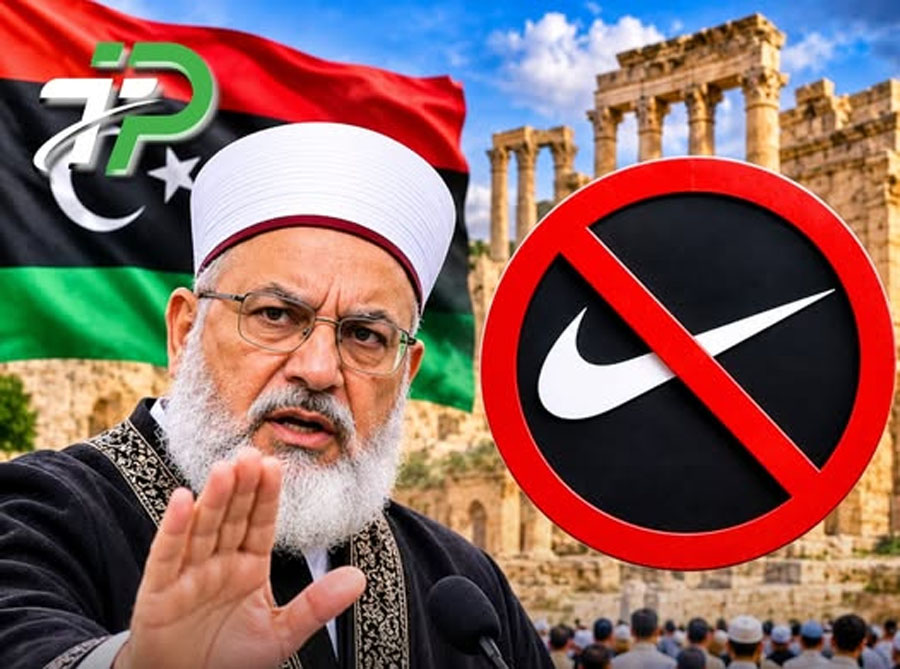
Libya’s highest Islamic religious authority has issued a fatwa prohibiting Muslims from buying, selling or wearing Nike products, accusing the American sportswear company of promoting symbols associated with polytheism and supporting Israel.
The religious ruling, issued by Dar al-Ifta and approved by Libya’s Grand Mufti, Sheikh Sadiq al-Gharyani, has called on Muslims to avoid the global sportswear brand, citing concerns over the origins of its name, its iconic logo and the company’s alleged links to Israel.
The decision has drawn attention to the influence of religious authorities on consumer choices and the growing calls for boycotts of international companies over the Israeli-Palestinian conflict.
According to reports, the ruling, identified as Fatwa No. 6697, followed an inquiry seeking clarification on whether Muslims could wear clothing bearing the Nike name and logo.
In its response, the religious authority argued that the name Nike originated from the ancient Greek goddess of victory, while the company’s famous swoosh logo was inspired by the wings of the mythological figure.
The institution maintained that displaying the brand’s name and logo amounted to promoting symbols associated with the worship of multiple gods, which it considers incompatible with Islamic teachings.
It consequently declared the purchase, sale and wearing of Nike-branded products religiously impermissible, urging Muslims to avoid the company.
Dar al-Ifta also accused Nike of supporting Israel, linking its latest position to the wider campaign encouraging Muslims to boycott companies alleged to have connections with or support for Israel.
The authority referred to an earlier position adopted by its Council for Research and Sharia Studies on November 5, 2023, which called on Muslims to boycott Western companies considered supportive of Israel during the war in Gaza.
The council had urged Muslims to avoid purchasing non-essential products from companies identified as supporting Israel, particularly luxury goods and other items considered unnecessary.
The latest ruling therefore combines religious objections to Nike’s branding with the institution’s position on the Israeli-Palestinian conflict.
READ ALSO:
- Iran Unveils ‘We Will Kill Trump’ Billboard in Tehran Amid Rising Tensions With US
- Tinubu’s Re-election: Osun APC Leaders Reject Oyebamiji-Led Campaign Council
- Tragedy: Spanish Footballer Jesús de Miguel Dies at 30 After On-Field Collision
However, the fatwa should not be confused with a government-imposed ban on Nike products in Libya. It represents a religious ruling by Dar al-Ifta and does not, by itself, establish a legally enforceable prohibition or specify criminal penalties for consumers and retailers.
Although Dar al-Ifta wields considerable religious influence in the country, its religious opinions are distinct from government regulations.
The latest decision is also not the first time the institution has raised religious objections to the branding of an international luxury company.
Dar al-Ifta previously issued a ruling against wearing jewellery and watches bearing the four-leaf clover design associated with French luxury brand Van Cleef & Arpels.
The institution argued that the design was connected with beliefs and practices it considered inconsistent with Islamic teachings.
The latest development comes amid wider debates over religious conservatism, consumer boycotts and the influence of Islamic authorities on public life in Libya.
It also reflects the continuing international controversy surrounding companies accused by activists and campaign groups of maintaining business relationships or taking positions perceived to support Israel.
Nike, one of the world’s biggest sportswear manufacturers, is known for its footwear, clothing and sporting equipment, with its swoosh logo recognised internationally.
The implications of the fatwa for Nike’s business activities and retail market in Libya remain unclear.
Nike Faces Religious Backlash as Libya’s Grand Mufti Bans Muslims From Buying, Wearing Products
Africa
Midnight Horror : Woman Slaughters Husband, Two Children, Escapes Murder Conviction
Midnight Horror : Woman Slaughters Husband, Two Children, Escapes Murder Conviction
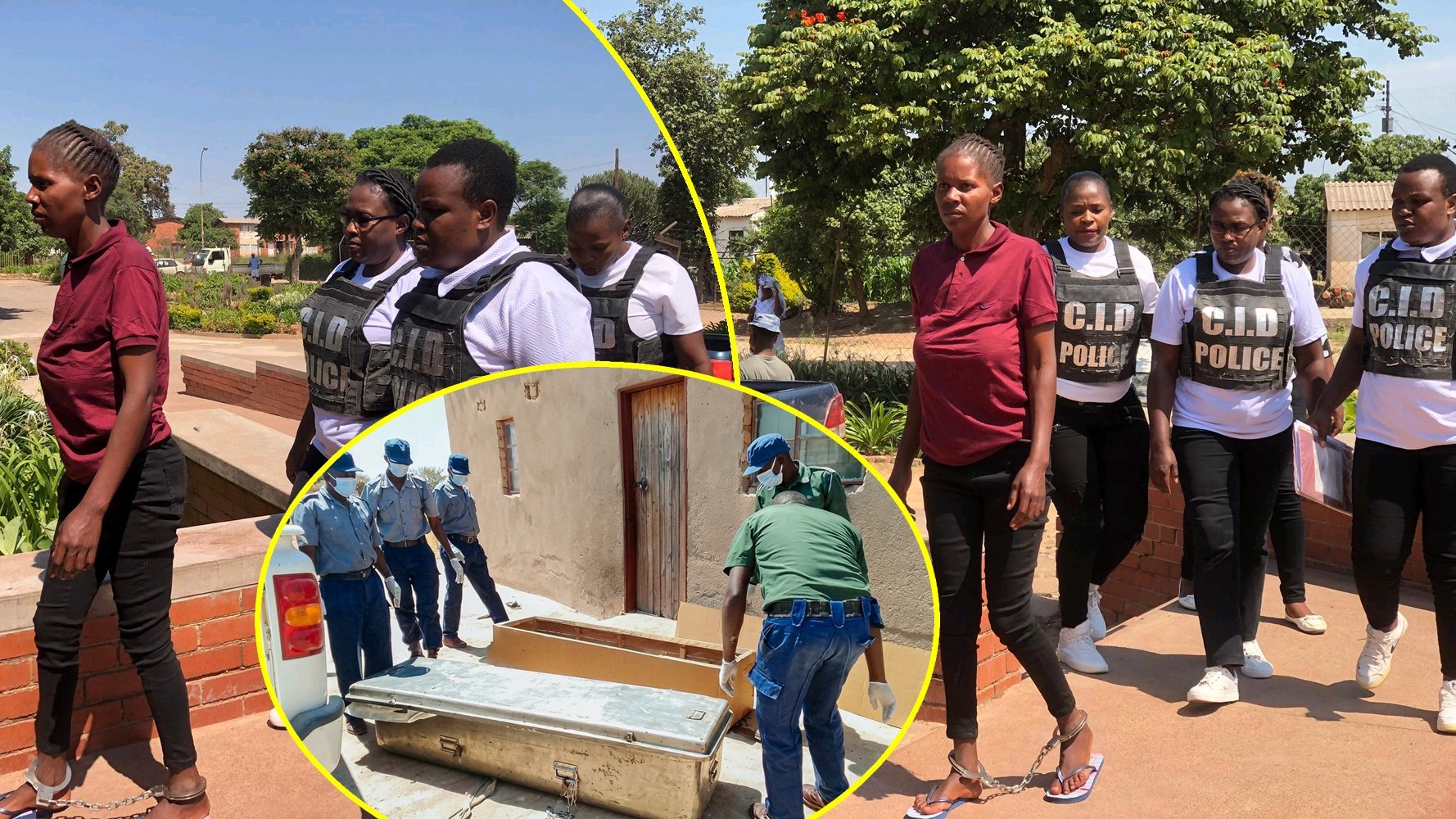
A Zimbabwean woman who killed her husband and two young children after reportedly struggling with severe financial hardship has been acquitted of three murder charges by the High Court in Bulawayo following psychiatric findings that she was suffering from a mental disorder when the killings occurred.
The woman, identified as 34-year-old Happiness Chimbangu, appeared before Justice Donald Ndirowei over the deaths of her husband, Edwin Chimbangu, 35, their four-year-old son, Promise, and their seven-month-old daughter, Prudence.
However, the court ruled that she could not be held criminally responsible for the killings because of her mental condition at the time of the incident.
According to details presented before the court, the tragic incident occurred in the early hours of January 30, 2025, at the family’s residence in Cowdray Park, a suburb of Bulawayo, Zimbabwe.
The court heard that Chimbangu had expressed suicidal thoughts the previous day, January 29, when she visited her mother’s residence at about 3pm and asked her to take care of her two children, saying she intended to end her life.
Her mother reportedly counselled her before she returned to her matrimonial home.
Concerned about her condition, her husband later contacted his mother-in-law at about 10pm, asking her to come to their residence because his wife was again displaying suicidal tendencies.
The woman’s mother subsequently arrived with a relative, while two church members, identified as Jethro Sibanda and Shepherd Ndlovu, also joined the family to counsel her.
The group reportedly spent several hours speaking with Chimbangu in an attempt to calm her down.
They eventually left shortly after midnight after believing that she had recovered and was no longer a danger to herself.
However, the situation reportedly took a devastating turn barely 10 minutes after they departed.
The court heard that at about 12.10am on January 30, Chimbangu realised that her husband and children had fallen asleep before picking up a metal digging tool, commonly described as a metal digger, inside the house.
She allegedly attacked her husband, striking him on the head and killing him instantly.
She subsequently attacked their four-year-old son, inflicting fatal injuries to his back, face and head, before turning on the seven-month-old baby girl and striking her on the face and head.
All three victims died in the attack.
The court further heard that at about 2am, Chimbangu went to her uncle and confessed that she had killed her husband and children.
Her uncle, identified as Moyo, reportedly took her to a police station and reported the incident, leading to her arrest.
Police officers who visited the residence recovered the bloodstained metal tool allegedly used in the attack.
Following her arrest, Chimbangu was referred for psychiatric evaluation at Mlondolozi High Security Prison in Bulawayo.
Medical examinations conducted by a doctor identified as Dr Chinova in February 2025, May 22, 2025, and September 30, 2025, reportedly established that she was suffering from a mental disorder.
Further court proceedings established that she had been suffering from schizoaffective disorder when she committed the offences and was mentally incapacitated to the extent that she could not be held criminally responsible for her actions.
Both the prosecution and defence reportedly agreed that she should receive a special verdict under Section 29 of Zimbabwe’s Mental Health Act.
Justice Ndirowei consequently found her not guilty of the three murder charges on account of her mental condition.
However, the ruling did not mean that she was immediately released from custody.
The judge ordered that Chimbangu remain at Mlondolozi for psychiatric treatment and continued management until she is certified mentally fit by a medical doctor.
The case has renewed attention on the importance of recognising and responding appropriately to severe mental health crises, particularly when individuals exhibit suicidal tendencies or other warning signs that could place themselves and members of their families at risk.
Midnight Horror : Woman Slaughters Husband, Two Children, Escapes Murder Conviction
-

 metro2 days ago
₦50,000 Relief Fund: FG Reveals Criteria for Selecting Beneficiaries
-

 Business3 days ago
EFCC, NMDPRA Raid Chinese-Linked Illegal Refinery in Ogun, Uncover 90,000-Litre Underground Tanks
-
 News2 days ago
Sultan Honours MURIC Founder Ishaq Akintola for Decades of Religious Rights Advocacy
-

 metro1 day ago
NNPCL Slashes Petrol Price By Up To ₦80, Sells At ₦1,325 Per Litre In Abuja
-

 News1 day ago
ADC Heads to Appeal, Insists Mark, Aregbesola Remain Party Leaders Despite Court Ruling
-

 Politics2 days ago
Trouble in ADC as Momodu, South-West Leaders Raise Alarm Over Atiku Campaign
-

 Politics3 days ago
2027: Obasanjo’s Son Joins Tinubu’s Re-Election Movement, Reveals 12-Year APC Loyalty
-

 Insurance2 days ago
Continental Reinsurance Strengthens IPO Appeal As Major Shareholder Commits To Five-Year Stake Retention