

Africa
Tinubu Urges ECOWAS to Condemn Afrophobic Attacks in South Africa
Tinubu Urges ECOWAS to Condemn Afrophobic Attacks in South Africa
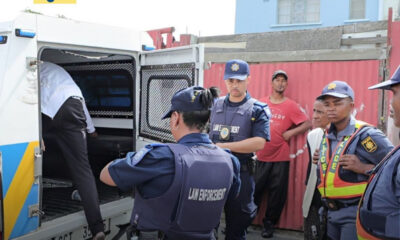
President Bola Tinubu has called on the Economic Community of West African States (ECOWAS) to present a united front against Afrophobic attacks in South Africa, urging the regional bloc to escalate the matter to the African Union and reminding South Africa of the sacrifices made by other African nations during its liberation struggle.
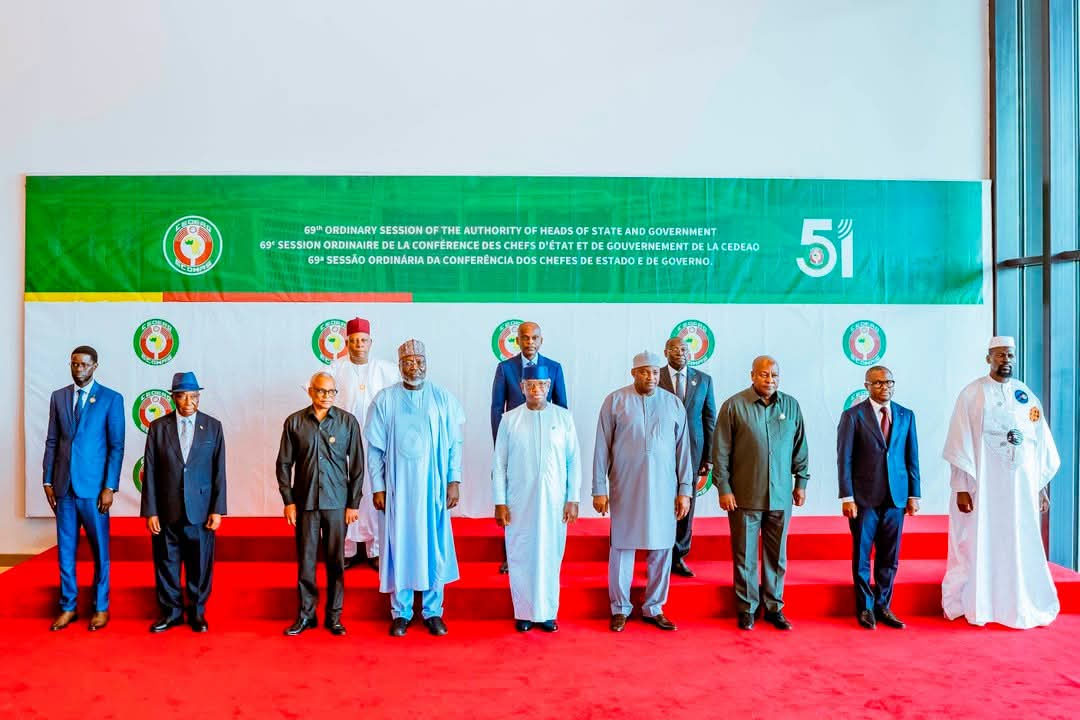
President Tinubu, represented by Vice President Kashim Shettima, made the appeal during the 69th Ordinary Session of the ECOWAS Authority of Heads of State and Government held on Sunday in Lungi, Sierra Leone. The summit, hosted by Sierra Leone’s President Julius Maada Bio, brought together regional leaders to deliberate on political, economic, and security issues affecting West Africa. The gathering provided a platform for leaders to address pressing concerns, including the rising wave of xenophobic violence targeting African migrants in South Africa, which has drawn widespread condemnation across the continent.
The President condemned, in the strongest terms, the recent attacks on Nigerian citizens and other Africans in the Republic of South Africa. “As already stated by His Excellency, the President of Ghana, ECOWAS should present a united voice in this condemnation,” Tinubu said through Vice President Shettima. He further urged the regional body to table the matter before the next session of the Authority of Heads of State and Government of the African Union, saying this would “send a clear message that this type of intolerance is totally unacceptable under any guise.” Tinubu reminded South Africa that the freedom it currently enjoys was the result of the sacrifices and liberation efforts of African countries, including Nigeria, which played a significant role in the anti-apartheid struggle. He disclosed that the Nigerian Government had already evacuated over 1,490 of its citizens from harm’s way in seven batches and was prepared to engage further on the matter. The evacuations, which began in June following the outbreak of violence, were completed with the arrival of 305 returnees in Lagos on July 15, bringing the total number of evacuees to 1,490. The attacks have strained diplomatic relations between Nigeria and South Africa, with Nigeria’s Minister of Foreign Affairs, Bianca Odumegwu-Ojukwu, previously hinting that Nigeria could consider retaliatory measures.
READ ALSO:
- Boko Haram Abducts Pastor’s Wife, Three Children in Borno
- 139 Million Nigerians in Poverty Despite Three Years of Tinubu’s Reforms – World Bank
- APC Chieftain Tells Atiku to Quit 2027 Race, Citing His Past Stance on Zoning
Beyond the security concerns, Tinubu reaffirmed Nigeria’s commitment to the principles enshrined in the ECOWAS Protocol on Democracy and Good Governance and other regional frameworks. He also assured that Nigeria remained committed to the setting up of the Counter Terrorism Force and the strengthening of the ECOWAS Standby Force “with a view to enhancing counter-terrorism cooperation, intelligence sharing, joint security operations, and preventive diplomacy to safeguard peace and stability across our region.” President Tinubu further warned against the temptation to tamper with constitutional term limits, stating that “the most effective tool against unconstitutional changes of government and mass protests that is capable of undermining good order is for us to enthrone good governance that delivers more tangible benefits to our citizens.” The President also declared Nigeria’s support for the newly developed ECOWAS Compact for the Future of Regional Integration, describing it as a framework that would strengthen cooperation among member states. He said the compact reflects the region’s commitment to rebuilding public trust in institutions and ensuring that regional integration remains relevant despite emerging geopolitical challenges.
Earlier, President Julius Maada Bio and the Chairman of ECOWAS explained that the summit was organised to reflect on where ECOWAS has come from and where the community must go next. Bio stated that West Africa must enter a new era with confidence, strategic clarity, and stronger determination to shape its own destiny, noting that “dependency narrows the very freedom that challenging partnership is meant to strengthen.” The President of the ECOWAS Commission, Omar Touray, reiterated the resolve of the regional body to strengthen governance and accountability across institutions and deepen policy coordination among member states. He said the commission had reintroduced democratic governance and electoral support mechanisms while strengthening regional responses to security and humanitarian challenges.
A major highlight of the summit was the signing of the Inter-Governmental Agreement for the African Atlantic Gas Pipeline project by the authority. The pipeline, estimated to cost $25 billion, is designed to transport up to 30 billion cubic metres of natural gas annually from Nigeria through 13 West African countries to Morocco, connecting to the European gas network. A dedicated ceremony will subsequently be held in Morocco, during which Morocco and Mauritania will jointly sign the agreement in the presence of Nigeria’s president. United Nations Deputy Secretary-General, Amina Mohammed, also addressed the summit, stressing that the international body has an obligation to support the region in combating terrorism and all forms of crime against humanity. “The United Nations Security Council must clearly hear the voice of Africa and stand behind the solutions that Africa offers,” she said, underscoring the importance of African-led solutions to the continent’s challenges.
Tinubu Urges ECOWAS to Condemn Afrophobic Attacks in South Africa








Africa
Nairobi Mother Says Husband Abandoned Her During Childbirth, Paid Dowry for Another Woman
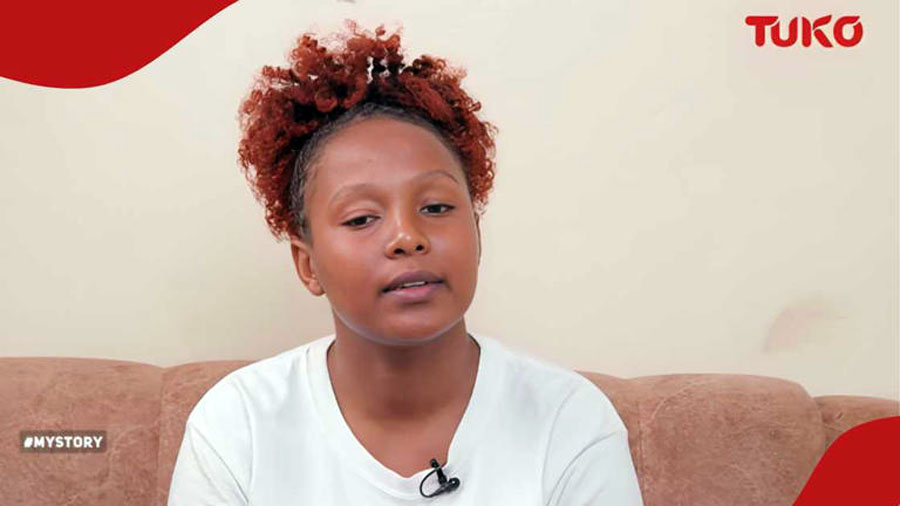
A Kenyan mother has recounted the emotional and financial hardship she allegedly endured after her husband left her struggling to pay hospital bills following childbirth, only for her to later discover signs that he was preparing to marry another woman.
Salome Wambui, a mother of two from Njoro in Nakuru County, Kenya, said she moved to Nairobi in 2024 to build a home with her husband after dating him for about a year. However, she told Kenyan news outlet TUKO.co.ke that their relationship deteriorated during her pregnancy, leaving her increasingly isolated and struggling to meet basic needs.
According to Salome, her husband began spending less time at home after taking up work driving public service vehicles along the Kitengela route. She said he eventually visited only about once a week and declined her suggestion that they relocate closer to his workplace.
The situation became more difficult when Salome was five months pregnant and lost her grandmother, who had raised her following her mother’s death. She said her husband did not attend the burial and later told her he intended to move out.
Having left her job in Nakuru when she relocated to Nairobi, Salome said she had no steady income to support herself as her pregnancy progressed. Her sister became an important source of assistance, helping her with food and other basic needs.
Salome said she began experiencing frequent bleeding when she was pregnant, raising concerns about her health and that of her unborn child. She eventually gave birth about a month before her expected delivery date after doctors induced labour.
READ ALSO:
- Akpabio Under Fire as Senators Move to Secure His Return as Senate President in 2027
- Lamine Yamal Shines as Barcelona Thrash Real Betis 5-2
- Tinubu Scraps Recruitment Waiver Requirement for Federal Universities
The most distressing experience, according to her account, came when she needed money to pay the hospital admission deposit. She said she contacted her husband, but he claimed he had been arrested in Athi River and did not provide the money she needed.
With the hospital bill still outstanding, Salome said she approached a woman who operated an M-Pesa shop in the building and borrowed money to pay the deposit. She gave birth that night.
Her husband reportedly visited the following day, saw the newborn and left without providing money for the immediate expenses.
Salome said she subsequently had to borrow more money to settle the discharge bill and meet basic needs for herself and the baby. She also discovered that some household belongings, including a television, gas cylinder and cooker, were missing from their home.
According to her account, her husband returned when the baby was about six weeks old and brought back the television. They lived together for approximately another month before he left again, later taking the television away.
As the debts accumulated, Salome said she eventually sold her refrigerator to repay people who had assisted her during her hospital stay. She recalled that her husband questioned her decision to sell the appliance without consulting him, despite the financial difficulties she said she had faced.
Her suspicions about another woman reportedly grew after she noticed that her husband was protective of his phone. Salome said she later saw messages between him and another woman’s mother that appeared to indicate money was being sent following requests.
She contrasted the alleged financial support with what she received during her pregnancy, saying her husband gave her about KSh150 a day and did not buy supplies for the expected baby.
Salome said she sometimes skipped meals to save money for baby clothes, relying on her sister and other people for assistance.
The situation took another turn about a month after her husband left for good. Salome said she came across a photograph he had posted showing him dressed in matching outfits with another woman. She suspected that a dowry ceremony had taken place, although the details of the reported ceremony were not independently established in her account.
She also said she later learnt that her husband had converted to Islam and changed his name.
Salome, who had worked in different jobs in Nakuru before moving to Nairobi, said she had expected marriage to offer stability and an opportunity to raise a family. Instead, she said, she was left to care for her children while depending heavily on her sister’s support.
Despite the experience, Salome said she did not want to resume the relationship, explaining that the future she had hoped to build with her husband had not materialised.
Her account highlights the financial pressure, emotional distress and practical challenges she says she experienced during pregnancy, childbirth and the breakdown of her marriage. She is now focused on raising her children and rebuilding her life.
‘Nairobi Mother Says Husband Abandoned Her During Childbirth, Paid Dowry for Another Woman
Africa
Djibouti Boat Disaster: 139 Migrants Dead, Dozens Missing
Djibouti Boat Disaster: 139 Migrants Dead, Dozens Missing
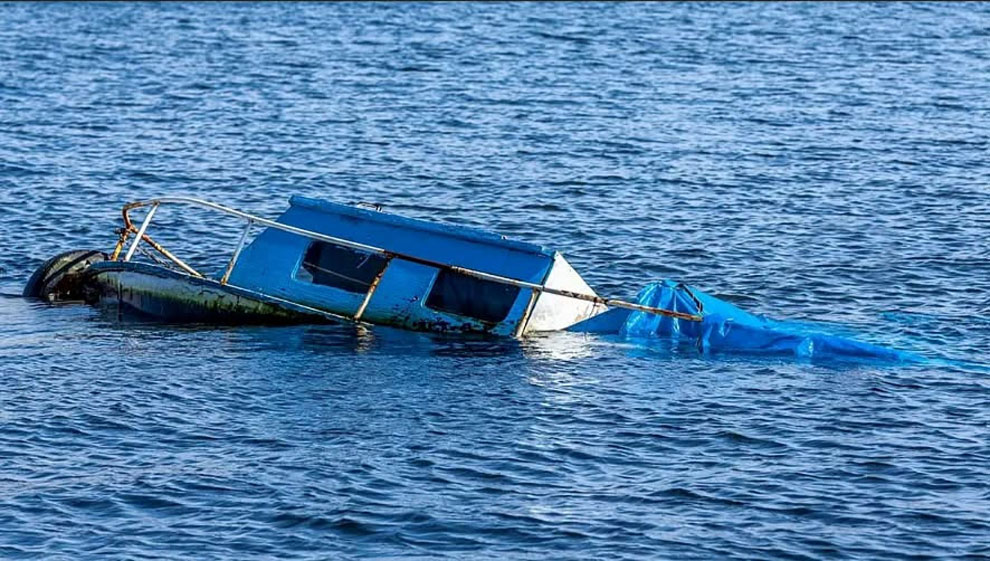
At least 139 migrants, including 15 children, have died after an overcrowded boat capsized off the coast of Djibouti while carrying passengers towards Yemen, in one of the deadliest recent disasters along the migration route to Gulf countries.
The International Organization for Migration (IOM), a United Nations agency, said the vessel was carrying more than 300 people when it overturned near Guhere, north of Obock, during the night of October 8–9, 2026.
Initial reports put the death toll at 109, including 15 children, with more than 116 people missing. Subsequent reporting by Reuters and the Associated Press cited an updated toll of at least 139 dead, with about 84 people still missing. The figures may continue to change as authorities verify recoveries and survivors.
The boat was reportedly carrying around 305 people, according to the IOM’s later account. At least 82 people survived the disaster, although early reports gave a slightly different survivor count.
The 15 children among the initially reported dead comprised nine girls and six boys. The IOM also reported that 52 of the bodies recovered were men and 42 were women.
The vessel capsized shortly after setting out on the perilous journey across the waters separating Djibouti and Yemen. Survivors said the boat was overcrowded, while the IOM described the incident as a devastating reminder of the dangers confronting people attempting the crossing.
The agency’s Chief of Mission in Djibouti, Alexandre Coissac, said its teams were working with local authorities to provide emergency assistance to survivors and affected families.
READ ALSO:
- Oshiomhole Accuses Umahi of Bias in Road Projects, Demands Repairs Before New Construction
- 2027: Pantami Breaks Silence as INEC Excludes Him From Final Gombe Governorship List
- US Names 24 More Nigerians in Fresh Fraud, Money Laundering Crackdown
- How Bauchi Court Jailed Three 21 Years Each for Abducting Seven Children
Djiboutian authorities continued search-and-rescue operations as concerns mounted over the fate of those still missing. Local authorities were also providing medical care and arranging burials for recovered bodies.
The IOM said survivors were receiving assistance at its migrant response centre in Obock, including healthcare, food and psychosocial support.
The tragedy highlights the risks faced by migrants travelling along the Eastern Route, which connects the Horn of Africa to Yemen and, for many, onward destinations in the Gulf region.
Many people undertaking the journey are from Ethiopia and Somalia. They seek employment and better living conditions, while others are fleeing insecurity, conflict, drought and other hardships.
Despite the dangers, migrants continue to cross the Bab el-Mandeb Strait in the hope of reaching wealthier Gulf countries. The journey exposes them to shipwrecks, trafficking, exploitation and other serious threats.
The risks have been compounded by instability in Yemen, where fighting continues between the internationally recognised government and Houthi forces, alongside wider regional tensions. Meanwhile, renewed conflict and difficult living conditions in parts of Ethiopia have added to the pressures driving people to leave.
According to the IOM, more than 900 migrants died or went missing along the Eastern Route in 2025, as the number of people attempting the journey increased.
The UN agency has called for greater support for Djibouti’s response, including search-and-rescue operations and emergency assistance for migrants.
The latest shipwreck has renewed calls for safer and legal migration pathways, as humanitarian agencies warn that people will continue to risk dangerous sea crossings while seeking security and economic opportunities.
As recovery operations continue, the final death toll may rise further as authorities verify missing-person reports and establish the number of people who were aboard the vessel.
Djibouti Boat Disaster: 139 Migrants Dead, Dozens Missing
Africa
FBI Raids Ghana Scam Centre, Detains Over 130 in $10m Fraud Probe
FBI Raids Ghana Scam Centre, Detains Over 130 in $10m Fraud Probe
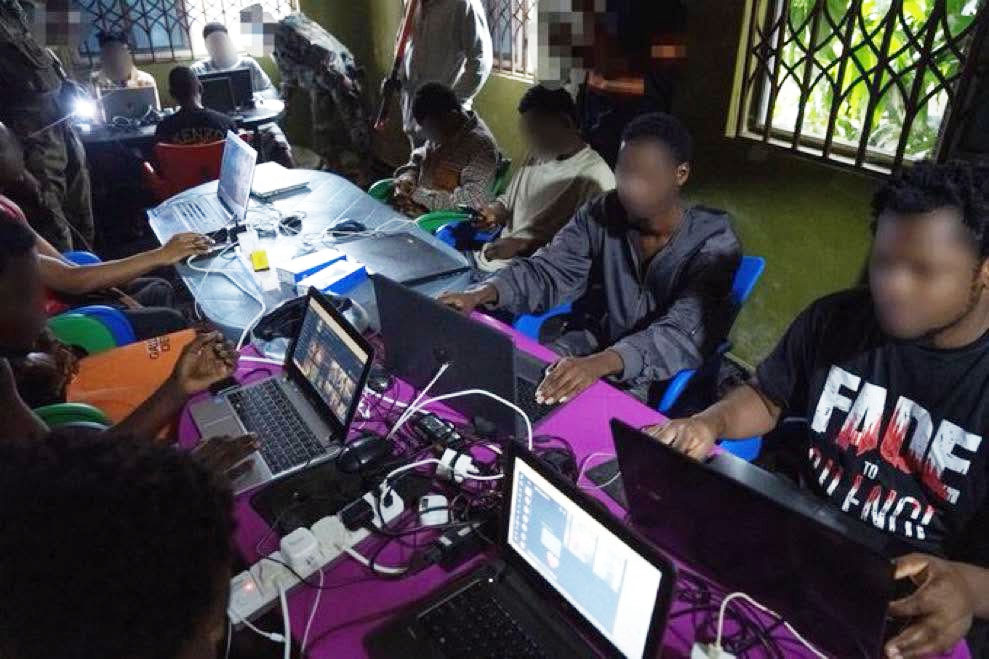
The Federal Bureau of Investigation (FBI) has raided a suspected scam centre in Ghana, detaining more than 130 people and uncovering nearly $10 million in identified losses linked to an international fraud operation targeting Americans.
The operation, carried out under the FBI’s Operation Blackout, also led to the seizure of more than 300 electronic devices, while investigators identified 89 victims, FBI Director Kash Patel said.
Patel announced the operation on Thursday, saying the Ghana raid was part of the FBI’s wider campaign against transnational scam networks operating through so-called scam compounds.
However, the FBI has not classified everyone detained as a suspected fraudster.
Patel specifically said the more than 130 people arrested or detained included victims who are expected to be repatriated to their home countries, suggesting that some people found at the facility may have been trafficked into the operation rather than involved in running the scams.
The FBI has not disclosed the exact location of the Ghana operation, the identities or nationalities of those detained, or the Ghanaian agencies that participated in the raid.
It also remains unclear how many of those detained will face criminal charges in Ghana or possible prosecution or extradition proceedings in the United States.
Patel said the investigation was continuing, warning that scam compounds are increasingly being used to target American citizens and inflict substantial financial losses.
READ ALSO:
- Court Grants Alleged Fake JAMB Registrar N50m Bail, Sets Strict Conditions
- NESREA to Honour Lagos Baale After Dramatic Rescue of Endangered Sea Turtle
- How Six Members of a Family Were Murdered in Oyo
The Ghana operation is the latest action under Operation Blackout, which the FBI says is targeting organised fraud networks around the world.
According to Patel, the broader operation has so far resulted in roughly $17 billion in assets seized, hundreds of alleged scammers arrested and thousands of trafficked workers freed.
More than 10,000 Americans have also reportedly been warned before losing money, with the FBI estimating that about $670 million in losses were prevented.
The Ghana raid comes amid growing concern over the international expansion of online fraud and scam compounds, with law-enforcement agencies increasingly reporting links between cyber-enabled fraud and human trafficking.
In such operations, workers can be recruited through false employment offers and allegedly transported or coerced into participating in online fraud against victims in other countries.
Ghana has previously cooperated with U.S. authorities in investigations involving transnational fraud.
In July 2026, Ghanaian national Frederick Kumi, also known as Abu Trica, was extradited to the United States after being arrested in Ghana in December 2025. U.S. prosecutors accused him of participating in a romance-fraud network that allegedly targeted more than 80 elderly Americans and caused losses exceeding $8 million.
The extradition involved cooperation between Ghanaian authorities and several U.S. and Ghanaian law-enforcement bodies, including the FBI’s Legal Attaché Office in Accra.
The latest FBI operation also comes as international enforcement agencies increase pressure on scam networks operating outside traditional fraud hotspots in Southeast Asia.
The FBI has not released further details about the Ghana raid, and the investigation remains ongoing.
The bureau is expected to provide additional information as investigators establish the roles of those detained and determine which individuals, if any, will face prosecution.
Those accused of criminal offences are presumed innocent unless proven guilty in court.
FBI Raids Ghana Scam Centre, Detains Over 130 in $10m Fraud Probe
-

 metro3 days ago
FG Begins Rollout of 3,700 Telecom Towers to Connect 20m Nigerians
-
 Education3 days ago
Tinubu Scraps Recruitment Waiver Requirement for Federal Universities
-

 metro3 days ago
Oyo Baby Trafficking Scandal: Mother, Doctor Arrested Over Alleged ₦2m Sale of Infant
-
 metro3 days ago
Gunmen Kill Two Policemen, Raze Station, Patrol Van in Daring Attack on Aba Police Division
-
 metro3 days ago
IBEDC Announces Major Power Outage in Ogun Region Over Network Load Restriction
-
 News3 days ago
Akpabio Under Fire as Senators Move to Secure His Return as Senate President in 2027
-

 Sports3 days ago
Lamine Yamal Shines as Barcelona Thrash Real Betis 5-2
-
 metro3 days ago
Kano: Soldiers Kill Two Kidnappers, Rescue Victim, Recover ₦10m