

International
BREAKING: Israel Launches Pre‑emptive Strike on Iran, Explosions Reported Across Tehran
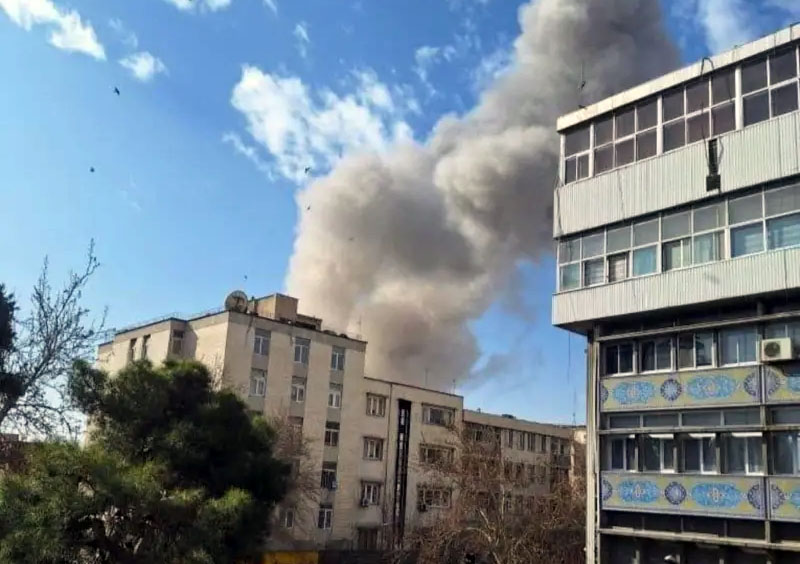
BREAKING: Israel Launches Pre‑emptive Strike on Iran, Explosions Reported Across Tehran
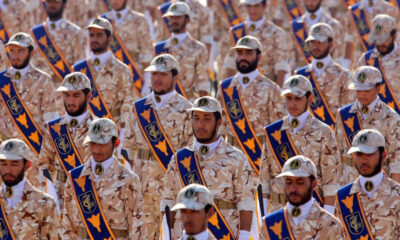
Israel has launched a pre‑emptive military attack on Iran, with explosions rocking the capital, Tehran, in an escalation that marks one of the most serious direct confrontations between the two nations in years. The strike occurred early Saturday, February 28, 2026, amid heightening tensions over Iran’s nuclear and missile programmes and ongoing diplomatic pressure from the United States and its allies. (Reuters)
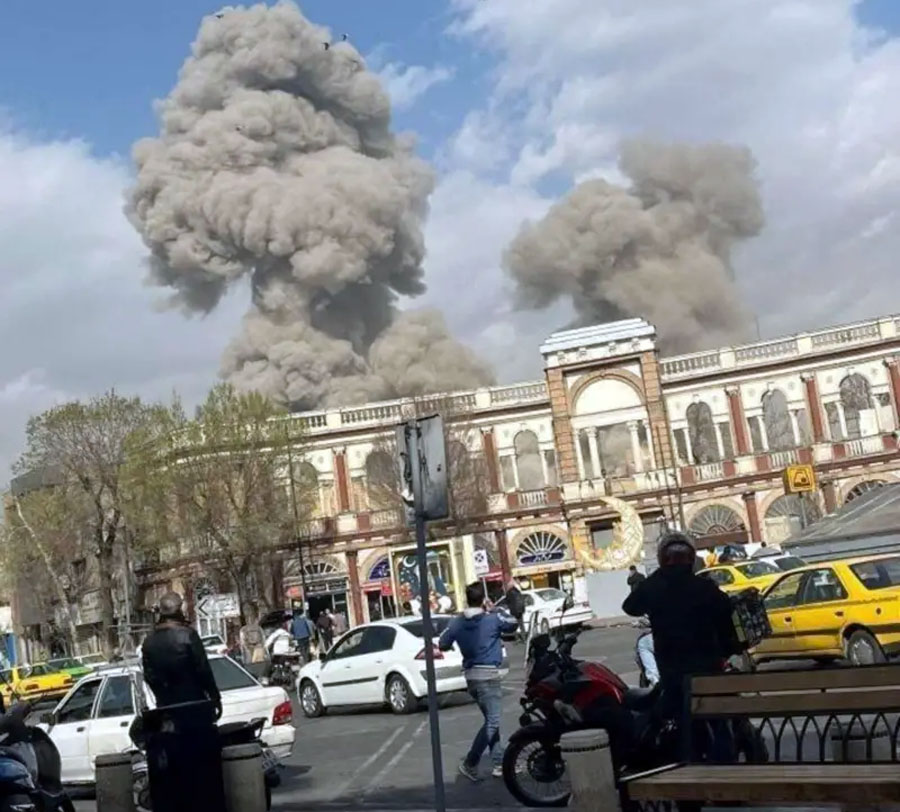
Hassan Abad Square
Israel Katz, Israel’s Defence Minister, confirmed that the country had carried out a “pre‑emptive attack” against Iran “to remove threats” to its national security, without providing detailed information on specific targets. Explosions were reported in multiple parts of Tehran, including areas near University Street and the Jomhouri district, with thick plumes of smoke visible over the city skyline. Iranian state media acknowledged the blasts but gave no immediate explanation or casualty figures. (Arab News)
Concurrently, the Israel Defence Forces issued alerts and sirens rang out across Israel, with authorities warning the public of the possibility of missile or drone retaliation from Iran. The Israeli military described its warnings as proactive measures to prepare civilians for potential attacks amid the rapidly escalating situation. Israel also closed its airspace to civilian flights and declared a state of emergency nationwide, urging residents to remain near protected spaces. (Khaleej Times)
READ ALSO:
- Popular Brain Supplement Amino Acid May Reduce Longevity in Men
- Amnesty Exposes Alleged Torture, Extortion, Deaths at Imo Police Tiger Base
- REVEALED: How Dispute Over VIP Police Protection, State Policing Led to Egbetokun’s Exit as IGP
The attack represents a dramatic intensification of an already volatile standoff between Tehran and Jerusalem, with Iran’s nuclear ambitions at the centre of international concern. In recent months, the United States and other Western nations have increased pressure on Iran through diplomatic and military deployments, including fighter jets and warships in the region, aimed at curbing Iran’s nuclear enrichment and missile development — disputes Tehran says are misunderstood or misrepresented. (ITVX)
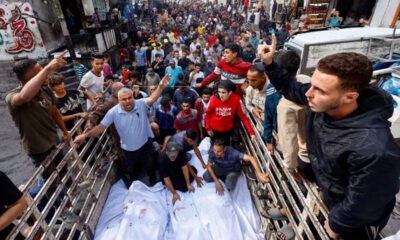
At this stage, no verified information has been released about casualties or the scale of damage in Tehran, and there has been no formal response from the Iranian government. The global community is watching closely as analysts warn that such actions could further inflame regional tensions and risk drawing neighboring countries into broader conflict. (The Times of India)
The situation is fast‑moving, and further updates are expected as more verified information becomes available.
BREAKING: Israel Launches Pre‑emptive Strike on Iran, Explosions Reported Across Tehran








International
Ninth Body Discovered in South Africa: Nigeria Issues Urgent Safety Alert to Nationals
Ninth Body Discovered in South Africa: Nigeria Issues Urgent Safety Alert to Nationals
Police cordon off Kempton Park and post a $56,000 combined bounty as the Nigerian Consulate warns citizens to exercise heightened vigilance.
South African police recovered the body of a ninth woman on Thursday along a roadside in Dawn Park, intensifying public alarm and prompting the Nigerian Consulate-General in Johannesburg to issue an emergency safety advisory to its citizens.
In response to the discoveries, law enforcement teams placed Kempton Park in the Ekurhuleni municipality under lockdown and established roadblocks to inspect vehicles and restrict suspect movement.
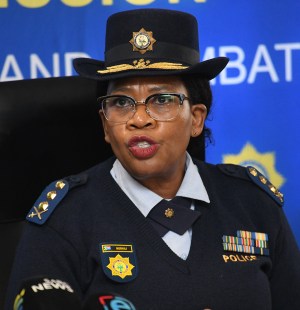
Deputy Police Chief Tebello Mosikili declared during a press conference that authorities will deploy specialized investigative units to track down those responsible.
To accelerate breakthroughs, police offered a 400,000 rand ($25,000) reward for credible tips, while South Africa’s Democratic Alliance provided an additional $31,000, establishing a combined bounty of $56,000.
Detectives are now evaluating forensic evidence to determine whether one perpetrator committed the murders or whether independent offenders copied earlier attacks.
Meanwhile, the Nigerian Consulate-General urged Nigerian residents, especially women and young people who commute, exercise, or study around Ekurhuleni, to take deliberate personal precautions.
The mission advised community members to travel in groups, stay clear of isolated trails, and share real-time travel details with trusted family members.
Furthermore, diplomatic officials emphasized that safety precautions must not shift the burden of crime prevention onto women, calling on South African authorities to ensure thorough investigations and justice for every victim.
Ninth Body Discovered in South Africa: Nigeria Issues Urgent Safety Alert to Nationals
Health
Fiji Declares National HIV Emergency as Diagnoses Surge Sixteenfold
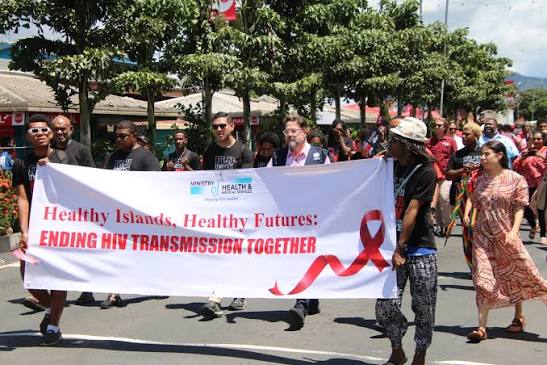
Fiji Declares National HIV Emergency as Diagnoses Surge Sixteenfold
Authorities launch a multi-agency public health campaign to expand free testing, treatment, and harm-reduction services
Fiji has announced a nationwide health response to address a significant rise in HIV cases and ensure that all residents can access essential medical care.
On Wednesday, Health Minister Dr. Atonio Lalabalavu shared the emergency declaration, explaining that national agencies are joining forces to provide rapid medical support, expand testing, and protect community well-being across the islands.
Official reports indicate that about one in every 60 adults in Fiji currently lives with HIV, following an increase in new infections over recent years. Health specialists explain that the virus spreads primarily through intimate sexual contact and shared needles among individuals using illicit substances.
Additionally, routine screenings revealed that two out of every 100 expecting mothers carry the virus, highlighting an urgent need for early maternal healthcare to protect newborns from infection.
To safeguard public health, authorities are delivering free daily treatments, distributing protective preventive medications, and setting up clean needle programs to stop infections before they start.
Furthermore, global partners, including Australia, New Zealand, India, and United Nations health bodies are providing financial resources and medical supplies to back the local effort.
By encouraging open community conversations and delivering accessible healthcare without judgment, health workers aim to ensure that everyone receives the care and dignity they deserve.
Fiji Declares National HIV Emergency as Diagnoses Surge Sixteenfold
International
Kim Yo-jong: Only ‘Idiots’ Think North Korea Will Give Up Nuclear Weapons

-

 International2 days ago
Islamic Council Condemns Attempted Attack on Holy City of Mecca
-
 News2 days ago
Keep Politics Out of My Office — Ogbomoso Grand Chief Imam Warns Politicians, Bloggers
-
 metro2 days ago
Niger Mosque Abductions: Terrorists Execute 30 of 500 Captive Muslim Worshippers
-

 Entertainment2 days ago
BREAKING: Olu Jacobs Dies at 84, Atiku Mourns Cultural Icon
-
 metro3 days ago
Fatal NURTW Leadership Clash in Osun Leaves Two Dead; State Orders Park Shut Down
-
 Business1 day ago
Fuel Prices Climb to ₦1,500 per Litre Across Nigeria, Sparking Calls for Urgent Action
-

 News2 days ago
Blue Line Rail, Hospitals Get Boost as Lagos Approves ₦200bn Bond and Budget Reordering
-
 News1 day ago
OAU Investigates Death of Final-Year Student as Police Begin Probe