

Auto
Changan CS55, Kia Seltos take top SUV honours at 2025 NAJA Auto Awards
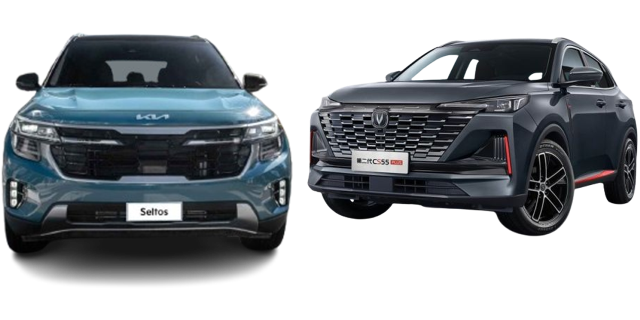
Changan CS55, Kia Seltos take top SUV honours at 2025 NAJA Auto Awards
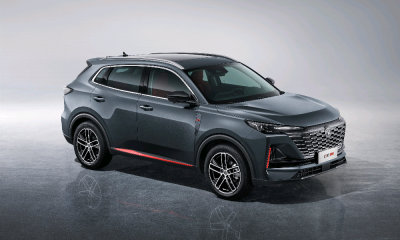
Changan CS55 and Kia Seltos have clinched top honours at the 2025 Nigeria Auto Journalists Association (NAJA) International Auto Awards, winning Midsize SUV of the Year and Compact SUV of the Year, respectively.
The awards were announced at a recent well-attended ceremony held at the Oriental Hotel, Victoria Island, Lagos, which brought together key stakeholders across Nigeria’s automotive value chain to celebrate excellence, resilience and innovation in the industry.
Changan CS55’s latest recognition comes after its impressive performance at last year’s 17th edition of the awards, where it was crowned Nigeria’s New Car of the Year.
At the 2025 ceremony, the compact crossover SUV edged out strong contenders such as the Kia Sonet and Chery Tiggo to secure the coveted Midsize SUV title.
Changan vehicles are marketed and assembled in Nigeria by Mikano Motors, reinforcing the growing impact of local assembly in the country’s automotive sector.
In the Compact SUV category, the Kia Seltos emerged winner, beating notable competitors such as the Toyota Prado, Changan CS55 and Chery Tiggo.
READ ALSO:
- Ojuelegba Bridge Gridlock as Container Truck Overturns in Surulere, Lagos
- Troops Foil Kidnapping on Otukpo–Enugu Expressway, Rescue Passengers in Benue
- Davido Joins Accord Party, Aligns With Uncle, Osun Governor Ademola Adeleke
Industry analysts have described the Seltos as a compelling blend of practicality and style, praising its bold design, versatility and appeal to modern drivers.
Other corporate winners at the event are the Mikano Group, which was named Auto Company of the Year; Iron Products Industries (IPI) Limited, honoured as Truck Assembler/Body Builder of the Year; Lanre Shittu Motors (JAC), awarded Truck Plant of the Year; and Innoson Vehicle Manufacturing (IVM), which won Passenger Car Assembly Plant of the Year.
These recognitions highlighted the depth and growing strength of indigenous participation in Nigeria’s automotive industry.
Speaking at the ceremony, the Director-General of the National Automotive Design and Development Council (NADDC), Otunba Joseph Osanipin, commended NAJA for sustaining a credible platform promoting excellence and accountability within the sector.
In his welcome address, NAJA Chairman Mr Theodore Opara described the awards as a benchmark for performance in Nigeria’s evolving automotive ecosystem, noting that the industry continues to adapt amid policy reforms, technological advancements and changing consumer expectations.
The 2025 NAJA International Auto Awards once again underscored the critical role of leading brands in strengthening Nigeria’s transportation and industrial backbone, while celebrating outstanding achievements across the nation’s automotive landscape.
Changan CS55, Kia Seltos take top SUV honours at 2025 NAJA Auto Awards


Auto
X90 Plus Leads Jetour’s Abuja Drive for Bigger SUV Market Share
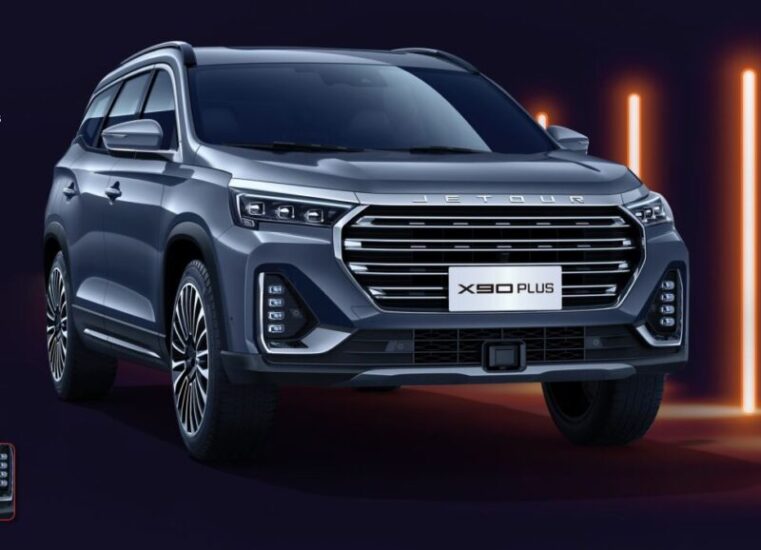
X90 Plus Leads Jetour’s Abuja Drive for Bigger SUV Market Share
Jetour Nigeria is taking its premium SUV battle to Abuja, with the seven-seater X90 Plus set to headline the Jetour Experience Abuja from September 22 to 24, as the automaker moves to capture a larger share of Nigeria’s fast-growing high-end family SUV market.
The three-day motoring showcase will give prospective buyers, families and auto enthusiasts in the Federal Capital Territory and neighbouring states an opportunity to experience the X90 Plus and other models in the Jetour range through test drives and hands-on demonstrations.
The Abuja showcase follows the success of the brand’s earlier Jetour Experience in Lagos, where strong customer interest, inquiries and sales momentum reportedly encouraged the company to take the initiative to the Federal Capital Territory.
Jetour Nigeria said growing demand from customers in Abuja and neighbouring states was a major factor behind the decision to expand the experience to the northern market.
Positioned as a full-sized family SUV, the X90 Plus is designed for executives and families seeking a combination of space, technology, performance and comfort without the price tag associated with some luxury SUVs.
The model is offered with 1.6-litre and 2.0-litre turbocharged engines paired with a seven-speed dual-clutch transmission. The powertrain produces up to 254 horsepower and 390Nm of torque.
Inside the cabin, the X90 Plus features a 12.3-inch LCD touchscreen infotainment system, panoramic sunroof, Sony premium audio system and wireless charging.
Its safety and driver-assistance features include a 360-degree panoramic camera, Forward Collision Warning, Lane Departure Warning and electronic stability systems.
Jetour’s growing profile in Nigeria has also earned the brand recognition from the Nigeria Auto Journalists Association (NAJA), which named it Fastest Growing Auto Brand, while it was also recognised as Auto Brand of the Year at the Nigeria Transport Lecture.
To support its expanding customer base, Jetour Nigeria, the sole authorised distributor, operates through seven accredited dealer partners across the country: Elizade Nigeria Limited, Mandilas Autos, R.T. Briscoe Motors, Germaine Auto Centre, Kojo Motors, Tab Autos Limited and New Era Auto Vehicle Services Limited.
The Abuja Experience is expected to provide Jetour with another platform to engage potential customers and reinforce its position in Nigeria’s increasingly competitive SUV market.
Auto
Jetour Takes Award-Winning Dashing, Other SUVs to Abuja
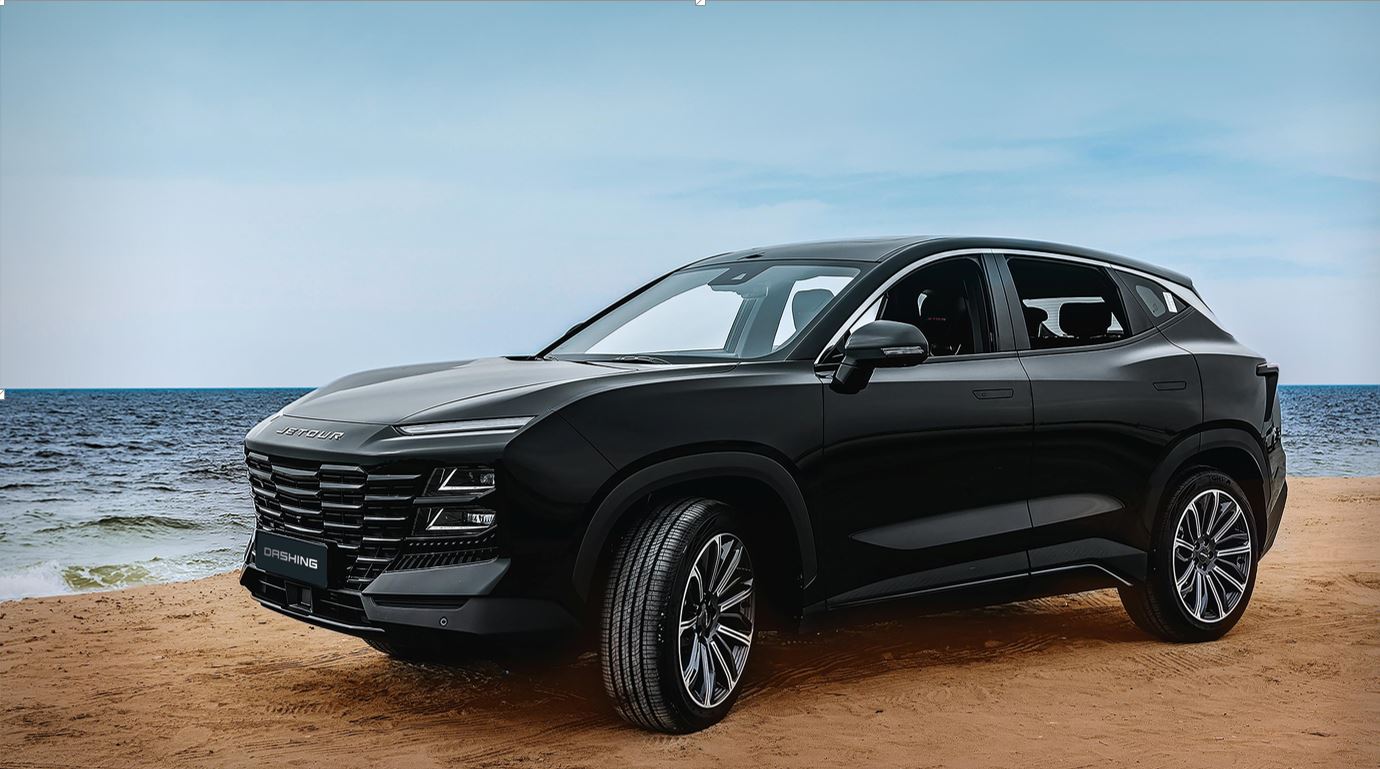
Jetour Takes Award-Winning Dashing, Other SUVs to Abuja
Motorists in Abuja are set for a close encounter with Jetour’s award-winning Dashing and other models as Jetour Nigeria moves to deepen its foothold in the nation’s capital with the Jetour Experience Abuja, beginning September 22.
The three-day motoring event, which runs until September 24, is expected to draw prospective buyers and automobile enthusiasts to a hands-on experience featuring test drives, product demonstrations and direct engagement with Jetour’s seven authorised dealers and product specialists.
The participating dealer network comprises Elizade Nigeria Limited, Kojo Motors, Mandilas Autos, Germaine Auto Centre, R.T. Briscoe, Tab Autos and New Era Auto Vehicle Services Limited.
READ ALSO:
- Police Arrest Woman Over Alleged Drug Trafficking in Delta
- Dangote raises petrol price 6.7% to N1,350/litre
- Anambra Police Arrest Woman Over Alleged Sexual Abuse of Child, Rescue Four
The Abuja Experience follows the success of the Lagos edition, which attracted thousands of visitors for test drives and direct engagement with product specialists. According to the organisers, strong demand and inquiries from motorists in Abuja and neighbouring states prompted the expansion of the event to the Federal Capital Territory.
The Dashing has gained attention in Nigeria’s competitive compact SUV segment for its combination of modern styling, technology, performance and competitive pricing.
The SUV is available with 1.5-litre and 1.6-litre turbocharged engines, producing up to 145kW of power and 290Nm of torque, paired with six- or seven-speed dual-clutch transmissions.
Its features include a 15.6-inch central touchscreen infotainment system, panoramic sunroof, wireless charging and smartphone integration.
For safety, the vehicle comes with a 360-degree surround-view camera, automatic emergency braking, lane departure warning, blind-spot detection and multiple airbags.
Beyond vehicle sales, the authorised dealers provide warranty, genuine spare parts and after-sales support to Jetour customers across their respective locations.
The Abuja Experience is expected to strengthen customer engagement and give motorists in the FCT a closer look at Jetour’s growing range of vehicles, while further expanding the brand’s footprint in the northern market.
Jetour Takes Award-Winning Dashing, Other SUVs to Abuja
Auto
Jetour T2 PHEV Storms Abuja as Jetour Steps Up Nigeria Expansion

Jetour T2 PHEV Storms Abuja as Jetour Steps Up Nigeria Expansion
Abuja is set for a major dose of electrified motoring as Jetour Nigeria takes its technologically advanced T2 Plug-in Hybrid Electric Vehicle (PHEV) to the nation’s capital for an experiential showcase aimed at deepening the brand’s growing footprint in Nigeria.
The Jetour T2 PHEV will headline the Jetour Experience Abuja, scheduled for September 22 to 24, 2026, following the strong reception recorded at the brand’s Lagos edition earlier this year, where customer participation, test drives and sales enquiries reportedly surged.
The move to Abuja, according to Jetour Nigeria, was largely driven by growing demand from motorists in the Federal Capital Territory who have been seeking an opportunity to experience the brand’s latest vehicles, particularly the T2 PHEV.
The Abuja activation will feature test drives, product demonstrations and interactions with Jetour’s technical and sales teams, giving prospective buyers first-hand access to the SUV and its plug-in hybrid technology.
Jetour Nigeria, the sole authorised distributor of the brand in the country, is also leveraging an expanding nationwide dealer network comprising Elizade Nigeria Limited, New Era AutoVehicle Services Limited, Kojo Motors, Germaine Auto Centre, TAB Autos Limited, R.T. Briscoe Motors and Mandilas Autos to strengthen sales and after-sales support across key markets.
READ ALSO:
- Obi Explains Why He Won’t Step Down for Atiku in 2027
- ASUU Threatens Nationwide Strike Over Unpaid Salaries, Unimplemented Agreement
- FG to Give Students 100MB Free Data Daily From October 1
The company said the decision to stage the Abuja experience was also driven by requests from patrons and prospective customers in the capital who want an opportunity to experience Jetour’s latest products, including the technologically advanced T2 PHEV.
The Jetour T2 PHEV combines rugged SUV capability with hybrid efficiency, advanced technology and comprehensive safety features, positioning it as an attractive option for Nigerian motorists seeking performance, comfort and improved fuel economy.
Since its entry into the Nigerian market, Jetour has recorded growing acceptance, with its SUV range gaining popularity among families, professionals and adventure enthusiasts.
The brand’s expanding customer base has been supported by competitive pricing, after-sales service and vehicles engineered to cope with diverse road and driving conditions across Nigeria.
Jetour’s growing reputation has also been reinforced by a number of local and international recognitions spanning product quality, design, innovation and customer satisfaction.
Its vehicles have also earned strong global safety ratings, with the T2 achieving a 5-Star NCAP safety rating, placing it among vehicles meeting high benchmarks for occupant safety.
The Abuja event is expected to feature test drives, product demonstrations and direct interactions with Jetour’s technical and sales teams, giving visitors an opportunity to experience the brand’s products and understand the technology behind the T2 PHEV.
Beyond showcasing its expanding SUV lineup, Jetour said the Abuja activation reflects its commitment to bringing the brand’s ownership and customer experience closer to motorists across Nigeria.
With the Federal Capital Territory as its next destination, Jetour is looking to build on the momentum generated in Lagos while deepening its footprint in one of Nigeria’s most important automotive markets.
Jetour T2 PHEV Storms Abuja as Jetour Steps Up Nigeria Expansion
-

 metro3 days ago
Ondo Herbal Drink Tragedy: Survivor Vows Never to Drink Again as Death Toll Tops 30
-
 Business3 days ago
Dangote: ₦525 Refinery Shares Could Rise to ₦10,000
-

 metro3 days ago
Sokoto Cleric Stabbed Twice in Neck After Juma’at Prayer, Attacker Killed
-
 News2 days ago
SERAP Threatens Legal Action Over ₦126bn INEC Electoral Funds
-

 metro3 days ago
MURIC fires back at Peter Obi: Forget Sallah ceremony, free Nigerian Muslims
-

 metro3 days ago
Abia Police Arrest Father, Three Others Over Alleged Attempt to Sell 16-Month-Old Daughter
-

 International3 days ago
Trump Tells Supporters to ‘Cheat Like Hell’ Ahead of US Election
-
 metro3 days ago
FG Targets 2 Million Creative Jobs by 2030