

News
Fake CSP, cleric among alleged invaders of Odili’s home

Fourteen suspects, including a fake Chief Superintendent of Police(CSP), Lawrence Ajodo, who laid siege to the Abuja home of Supreme Court Justice Mary Odili were yesterday paraded by the Police.
Ajodo described himself as a consultant on recoveries to the Attorney-General of Federation and Minister of Justice, Abubakar Malami. He was found with Police and Economic and Financial Crimes Commission (EFCC) identity cards.
Malami has, however, distanced himself from the fake police officer and alleged mastermind of the October 29 siege.
Rivers State Governor Nyesom Wike condemned the invasion, alleging that the Federal Government is intimidating the judiciary ahead of 2023 elections.
Force Public Relations Officer (FPRO) Frank Mba, who paraded the suspects at the Force Criminal Investigation Department (FCID) Headquarters, Area 10, Abuja, said seven other suspects, including two soldiers, are still at large.
Mba said the suspects with different professional backgrounds were members of a criminal syndicate that operated as law enforcement officers. One of them is a herbalist and an Islamic prayer warrior, Ali Ibrahim. A journalist, Stanley Nkwaezema, was also among those paraded.
READ ALSO:
- Missing Vanguard reporter found dead
- Nigerians can look after themselves if infrastructure is in place – Buhari
- EFCC arrests ex-Edo governor Lucky Igbinedion over N1.6bn fraud
The FPRO, who described the suspects as “loose cannons and document forgers”, said they conspired to raid Odili’s residence on learning that the jurist had foreign currencies.
He commended the resistance by the security personnel deployed in Odili’s home for not allowing the suspects access to the premises.
Mba said it would have been a huge embarrassment to the country if the suspects had succeeded.
Ajodo confessed that he was not a policeman, does not work with the EFCC, and was not detailed by anyone for the botched task.
He also admitted to having forged Malami’s signature on the EFCC identity card found on him.
His words: ”I work for Malami as a consultant on recoveries. There are five of us. I was given 18 accounts to recover, though Malami did not send me to this mission. I am a banking expert with a specialty in finance and forensic.”
Ajodo also claimed that there was a mix-up during the siege, adding that the search warrant they obtained from a chief magistrate’s court was “supposed to be for No 9 but it read No 7.”
The herbalist, who served as the syndicate’s whistleblower, said he was contracted by Justice Odili’s godson, whose name he did not give.
Ibrahim confessed that after he conducted prayers and got a revelation that there was money in Odili’s residence, he proceeded to swear an affidavit to that effect at the office of the EFCC.
He claimed that Ajodo diverted the affidavit to the Ministry of Justice and later led a team on a surveillance mission to Odili’s residence before the siege.
Ibrahim said: ”I am the whistleblower and I swore an affidavit that millions of money were stashed in that house. I was introduced as an Islamic prayer warrior to the godson of Justice Odili and I prayed there on October 13. I prayed to know if the story that there was money in the house was true.
“So, after the prayers, I decided to go through the EFCC as a formal channel and I was interviewed and interrogated.
“However, I ended up in the Ministry of Justice because Ajodo told me it was the same thing; that the EFCC is under the ministry.
“We went for surveillance before the raid. I took him (Ajodo) to the address and directed them to Justice Odili’s house.”
Nkwazema, who described himself as a Contributing Editor with ThisDay, said he was following a lead on recovery of assets brought to him by one of the suspects, Alex Onyekwere, a lawyer.
He said he followed the lead for three days before joining the team for the raid. However, he claimed he did not enter the premises.
In a statement shortly after the parade, Malami described Ajodo claim as “an orchestrated attempt to stir unnecessary controversies and public apprehension.”
He urged the Police and other relevant security agencies to get to the root of the siege to Odili’s home.
“This is a case of a drowning man scavenging for a dying partner. We are happy to note that investigation has commenced to unravel the circumstances and personalities behind the invasion and sponsored,” he said in a statement by his spokesman, Umar Gwandu.
The statement added: ”It only takes the imagination of evil minds to assume or think that the Honourable Attorney General of the Federation and Minister of Justice will descend so low to engage a quack or fake police officer to serve as his consultant.
“This is a case of a drowning man scavenging for a dying partner. We are happy to note that investigation has commenced to unravel the circumstances and personalities behind the invasion and sponsored campaign of calumny against the Honourable Attorney General of the Federation and Minister of Justice.
“We ask the suspect to present documents of engagements where he worked as a consultant to the Attorney- General of the Federation and Minister of Justice, whether in past or now.
Also, THISDAY said in a statement by its Managing Editor, Bolaji Adebiyi, that Nkwazema was neither its staff member nor a contributing editor.
It added that Nkwazema resigned more than 15 years ago after serving as one its Sports correspondents.
The statement reads: “The attention of the management of THISDAY Newspapers has been drawn to the news making the rounds that Mr. Stanley Nkwazema, one of those suspected to have invaded the home of Justice Mary Odili claimed to be a staff and Contributing Editor of THISDAY.
“Contrary to his claim, Mr. Nkwazema is neither a staff member of THISDAY nor a contributing editor. He was a Sports correspondent and resigned more than 15 years ago.
“However, occasionally, he, like hundreds of other readers of the newspaper, sends for publication articles and analyses and is usually obliged, a privilege ThisDay gives to some of its ex-staff members. That does not in any way make him a staff member and Contributing Editor of THISDAY.
“Since his resignation, THISDAY had at no time contracted Mr. Nkwazema to investigate any story, and we know nothing of his alleged investigation of a story leading to the raid of the residence of Hon. Justice Odili.
“The police authorities and the general public should therefore note that Mr. Nkwazema, whatever may be his involvement in this matter, was not on any reportorial assignment in any shape or form on behalf of THISDAY.”
The Nation









News
Adunni Ade Reveals Christian Fans Unfollowed Her After Publicly Identifying as Muslim
Adunni Ade Reveals Christian Fans Unfollowed Her After Publicly Identifying as Muslim
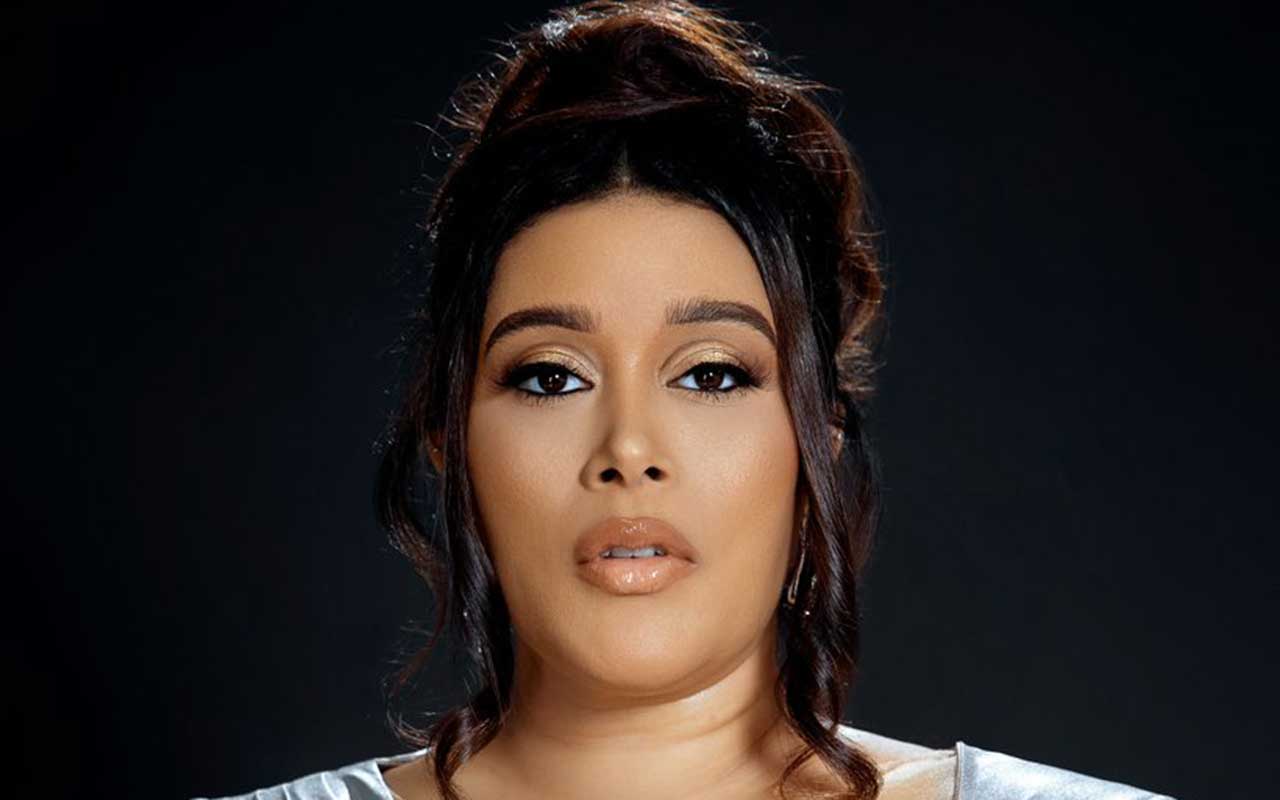
Nollywood actress Adunni Ade has opened up about the reaction she received after publicly identifying as a Muslim, revealing that some of her Christian fans unfollowed her because of her religious identity.
The actress said she initially found it difficult to openly discuss her faith because of what she described as the pressures associated with being a public figure in the Nollywood industry.
According to Ade, publicly identifying as a Muslim within the Nigerian film industry can be difficult, and she described the situation as “almost forbidden” based on her personal experience.
She explained that she eventually became tired of keeping her religious identity private and decided to be open about her faith.
Ade said the decision came with consequences, including losing some followers and receiving messages from people who questioned her choice.
“Some people unfollowed me. I got DMs from people trying to cast out spirits. Some people prayed for me,” she said while discussing her experience.
However, the actress added that she also received considerable support from Muslims, many of whom welcomed her more warmly after she publicly acknowledged her faith.
READ ALSO:
- Raphinha Runs Riot as Barcelona Thrash Racing Santander 7-2
- 2027: Sowore Rejects Utomi’s Coalition Talks, Says AAC Won’t Join Opposition Alliance
- Sani Abacha’s Son Emerges Kano PDP Governorship Candidate for 2027
Ade stressed that her decision to practise Islam should not be interpreted as an attack on Christianity or Christians.
She said she had experienced both Christian and Muslim religious environments and was not suggesting that Christianity was a bad religion. Rather, she explained that Islam was the faith that worked for her personally.
The actress’ comments have renewed attention on her long-standing and publicly discussed religious journey, which has included experiences with both Christianity and Islam.
Ade had previously spoken about her faith in 2020, explaining that she was born and raised Muslim but grew up in a family where different religious traditions were represented.
She said her father allowed his children to choose their preferred religion, while members of her extended family included both Christians and Muslims.
The actress also disclosed that she attended different Christian churches, including Mountain of Fire and Miracles Ministries (MFM), Redeemed Christian Church of God (RCCG), Christ Living Apostolic Ministry (CLAM) and Christ Apostolic Church (CAC).
Ade said she later returned to Islam on December 31, 2016, after reflecting on her religious identity and concerns about how people might react to her decision.
She said at the time that returning to Islam made her feel happier and more fulfilled.
Her religious identity also came under renewed public discussion in 2026 after she was seen attending an event at a Celestial Church of Christ in Lagos.
Following questions from social media users about whether she had returned to Christianity, Ade clarified that she remained a practising Muslim.
She explained that her presence at the church-related event was connected to her professional relationship with the celebrant and was not evidence of a change in her religion.
Ade’s latest comments therefore provide further context to a faith journey she has discussed publicly over several years.
While describing her experience as difficult at times, she maintained that her decision to openly identify as a Muslim was ultimately a personal one.
Her statement that being openly Muslim in Nollywood is “almost forbidden” reflects her personal experience and perception; it should not be taken as evidence of a formal industry-wide rule restricting actors from publicly identifying with a particular religion.
The actress’ disclosure has also highlighted the wider challenges public figures can face when personal beliefs become subjects of public discussion, particularly in an industry where celebrities often maintain diverse fan bases with different religious and cultural backgrounds.
Adunni Ade Reveals Christian Fans Unfollowed Her After Publicly Identifying as Muslim
News
FG Targets 95% NIN Coverage by December 2026
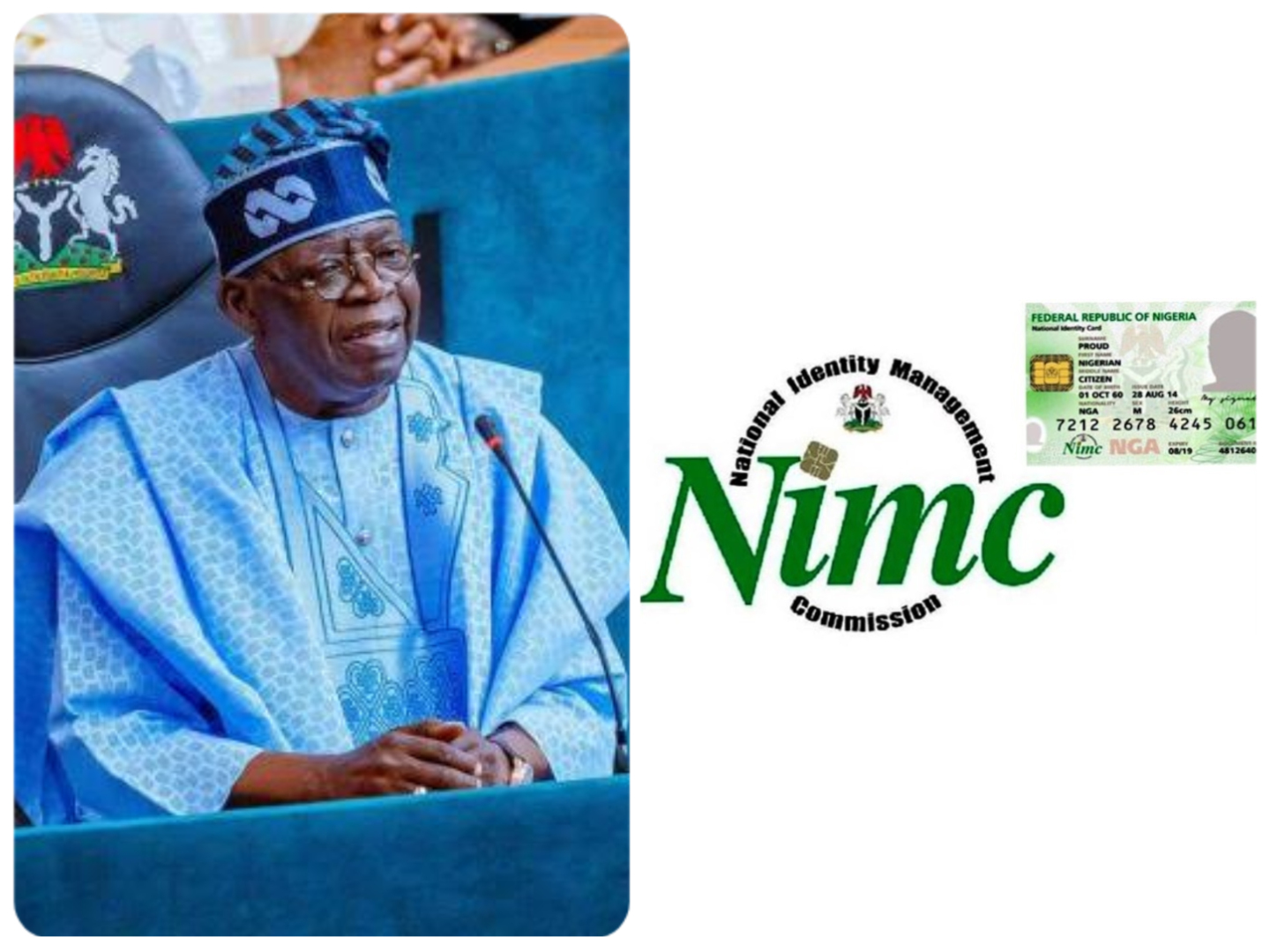
FG Targets 95% NIN Coverage by December 2026
The Federal Government is targeting 95 per cent National Identification Number (NIN) coverage nationwide by December 2026 as it expands Nigeria’s digital identity system.
President Bola Tinubu announced the target during the 2026 National Identity Day celebration in Abuja, where he was represented by Chief of Staff Femi Gbajabiamila.
The President said NIN enrolment had risen to about 142 million, up from more than 80 million recorded when his administration came into office.
To reach the new target, the government plans to expand registration through ward-level enrolment, mobile registration initiatives and licensed agents. Reports from the event said free enrolment is being extended to all 8,809 wards across the country.
Identity System for Digital Economy
Tinubu said the government wants to build an identity infrastructure that can support Nigeria’s growing digital economy.
He said a secure national identity could make it easier to access services while supporting areas such as digital banking, healthcare, transportation and government programmes.
The President also said the expansion must go hand in hand with safeguards for citizens’ privacy and dignity.
Beyond enrolment numbers, he said the government was working towards a more connected digital public system, including electronic health records, e-transport services and a more coordinated national data architecture.
The NIMC’s ongoing expansion therefore aims not only to register more Nigerians and legal residents, but also to make the identity system a key part of how people access digital and public services.
FG Targets 95% NIN Coverage by December 2026
News
OAU Investigates Death of Final-Year Student as Police Begin Probe
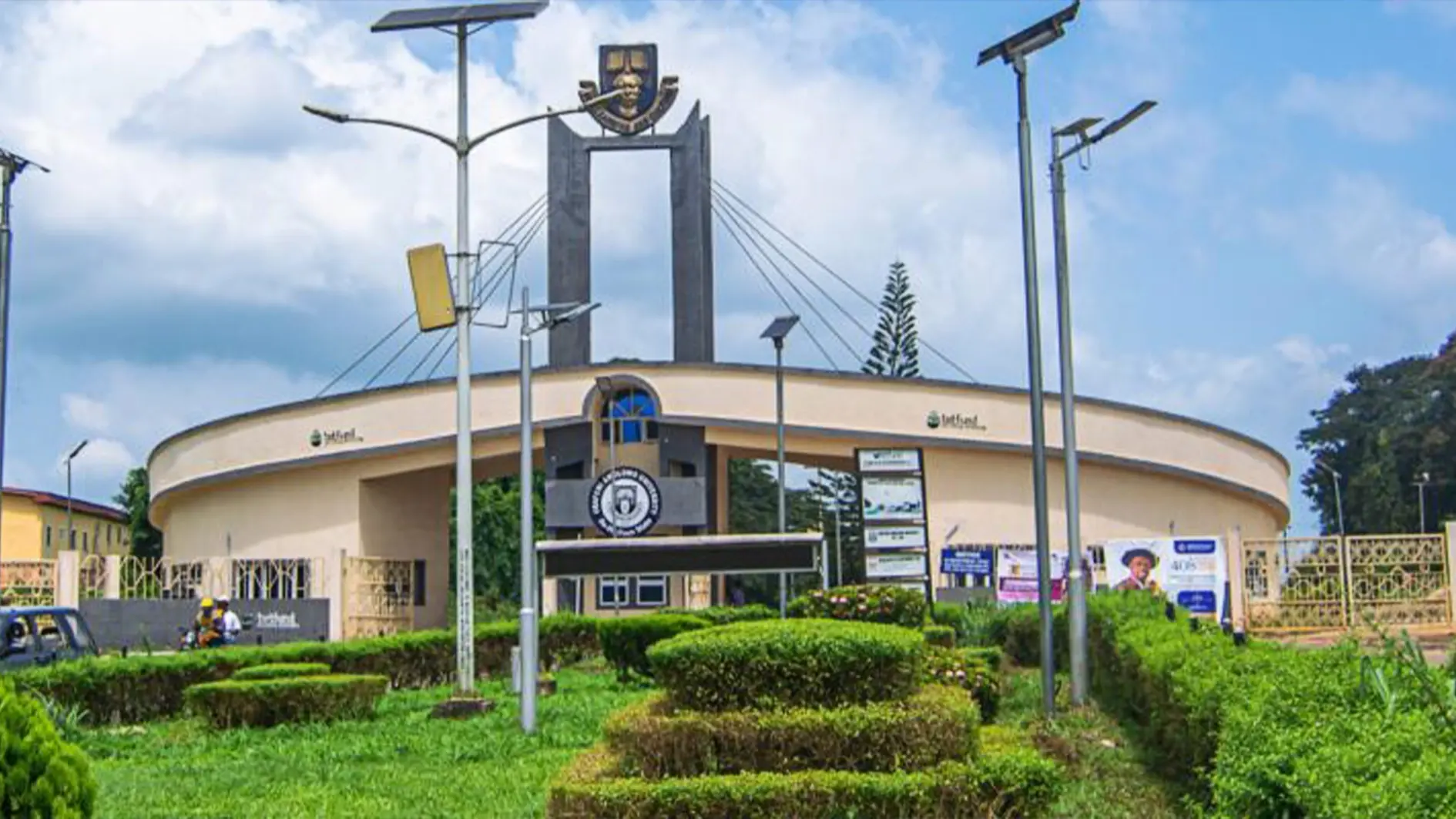
OAU Investigates Death of Final-Year Student as Police Begin Probe
Obafemi Awolowo University (OAU), Ile-Ife, Osun State, is investigating the death of a final-year student of the institution.
The student, Oluwole Oluwosegun, was studying Materials Science and Engineering at the university.
According to the university’s Public Relations Officer, Olarewaju Abiodun, the incident occurred on Tuesday afternoon at the student’s off-campus residence around the Damico area of Ooni Layout, Ile-Ife.
After receiving the report, the university’s Quick Response and Security (QRS) Team went to the location. The team also contacted the Nigeria Police, after which officers from the ‘A’ Division in Moore, Ile-Ife, joined them at the scene.
The university later took the student to its Health Centre, where a medical doctor confirmed his death.
READ ALSO:
- 57-Year-Old Man Arrested Over Sexual Abuse of Stepdaughter in Edo
- US-Based Nigerian Lawyers Disbarred: Full List of Fraud, Theft and Misconduct Cases
- Katsina Police Rescue Two Kidnapped Women, Arrest Suspected Kidnappers
Police Begin Investigation
Following the incident, university authorities handed relevant information and items recovered from the scene to the police to support their investigation.
The police have since begun inquiries into the circumstances surrounding the student’s death.
Meanwhile, the university said it had informed the appropriate student affairs authorities to provide necessary follow-up, particularly regarding the welfare and emotional support of students affected by the incident.
Vice-Chancellor Professor Simeon Bamire also expressed condolences to the student’s family, friends, classmates and colleagues.
The university further encouraged students facing severe emotional distress, relationship difficulties, financial pressure or other personal challenges to seek help from trusted people and available university support services.
Professor Bamire reaffirmed the institution’s commitment to the welfare of its students and staff, stressing that no student should feel they must face overwhelming difficulties alone.
OAU Investigates Death of Final-Year Student as Police Begin Probe
-

 Politics3 days ago
2027: Northern Lecturers Back Tinubu, ASUU Disowns Endorsement
-

 metro3 days ago
Police Arrest Mother Over Alleged Brutal Abuse of 7-Year-Old Girl in Anambra
-

 Sports2 days ago
‘I Was Never the Chosen One’ — Dembele Responds to Mbappe
-

 International1 day ago
Islamic Council Condemns Attempted Attack on Holy City of Mecca
-

 metro2 days ago
Lagos Power Outage: Ikeja Electric Blames TCN as Businesses, Homes Groan
-

 Education2 days ago
JAMB Moves 2027 UTME Time — Here’s What Candidates Need To Know
-
 News1 day ago
Keep Politics Out of My Office — Ogbomoso Grand Chief Imam Warns Politicians, Bloggers
-
 Politics2 days ago
2027: APC Governors Reject Wike’s Rainbow Coalition, Insist on Party Loyalty