
International
Famine spreads in Gaza, UN to host two-state solution conference
Famine spreads in Gaza, UN to host two-state solution conference
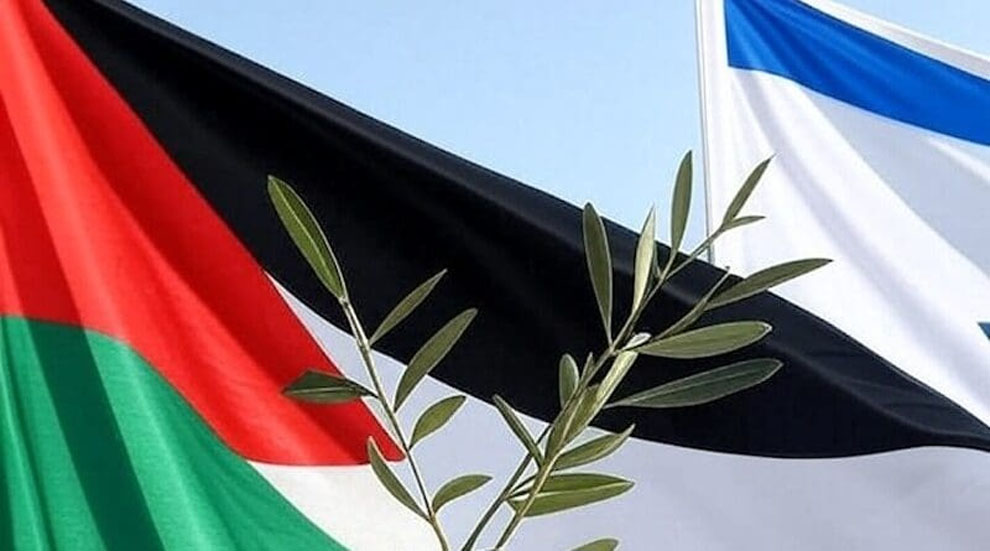
NEW YORK: As the international community braces for the two-state solution conference in New York on July 28-29, co-chaired by Saudi Arabia and France, expectations are high for renewed political will to end decades of conflict and push forward a viable peace. The conference arrives amid worsening humanitarian conditions in Gaza and a historic diplomatic shift: France’s decision to formally recognize Palestine as a state.
The event — officially titled the High-Level International Conference for the Peaceful Settlement of the Question of Palestine and the Implementation of the Two-State Solution — is being described as both urgent and historic.
The backdrop is grim: since the Oct. 7, 2023 Hamas attacks that killed approximately 1,200 Israelis, including 50 French nationals, the war in Gaza has taken an unimaginable toll. More than 56,000 Palestinians have died, and the Gaza Strip’s infrastructure and social fabric are in ruins.
From the outset, Saudi Arabia has underscored that recognizing the State of Palestine is not merely symbolic but a “strategic necessity” for regional peace. Ahead of the conference, Foreign Minister Prince Faisal bin Farhan issued a statement saying that the kingdom “spares no effort in supporting all endeavors aimed at achieving just peace in the region and globally. It consistently stresses the importance of implementing the two-state solution through political, diplomatic, and international efforts, as it is a strategic choice that ensures regional and global peace and security.
“From this standpoint came the Kingdom’s presidency — together with the French Republic — of the international conference at the ministerial level to settle the Palestinian issue peacefully.”
He stressed that the conference is aimed at pushing toward the implementation of international legitimacy resolutions that call for the establishment of a two-state solution “where the Palestinian people can exercise their right to self-determination. This will bring peace and stability to the region and support sustainable development and prosperity.”
READ ALSO:
- Charlie Boy does not deserve a bus stop in Lagos
- More governors to join APC, says Gov Sule
- 2025 budget funding under pressure as oil output under-performs in half year
Riyadh had intensified efforts to galvanize international consensus ahead of the summit. Manal Radwan, counselor at the Saudi Ministry of Foreign Affairs, said that a just resolution to the Palestinian question is “the cornerstone of a new regional order based on mutual recognition and coexistence.”
Slovenia’s permanent representative to the UN, Samuel Zbogar, told Arab News: “The main goal of the conference is to mobilize concrete political, security, and economic support for the implementation of the two-state solution. This should result in an independent, sovereign, and democratic Palestinian state that will coexist in peace and security with Israel.”
Slovenia was one of 10 countries that during Israel’s continuing war on Gaza has formally recognized Palestine, alongside Ireland, Spain and Norway.
UK Ambassador to the UN Barbara Woodward also underlined the importance of the summit. She told Arab News: “The United Kingdom is resolute in our commitment to a two-state solution and my foreign secretary has been clear that we are prepared to take further action to prevent the forcible erosion of the only viable path to lasting peace. Next week’s conference, co-chaired by France and Saudi Arabia, is a vital opportunity to demonstrate the strength of international resolve to secure a better future for Israelis, Palestinians and the region.”
One of the most consequential developments ahead of the summit is President Emmanuel Macron’s July 24 announcement that France will formally recognize Palestine, with the official declaration to be made at the UN General Assembly in September.
“There is no alternative,” Macron said on X. “We must immediately secure a ceasefire, release all hostages, and provide massive humanitarian aid to Gaza. But above all, we must build the State of Palestine … demilitarized, viable, and coexisting with Israel in full recognition and peace.”
Reactions were swift. The Palestinian Authority welcomed the decision, calling it a step toward justice and international legitimacy. Hussein Al Sheikh, vice president of the PLO, praised France’s “commitment to international law and Palestinian rights.”
Israel condemned the move. Prime Minister Benjamin Netanyahu said it “rewards terrorism” and accused France of helping to legitimize what could become “an Iranian proxy state.” Israeli Defense Minister Israel Katz called the decision “a disgrace.”
The United States also criticized France’s stance. Secretary of State Marco Rubio said it would embolden Hamas and complicate peace efforts.
Despite the pushback, analysts say France’s move could tip the balance internationally. Already, 147 of 193 UN member states — nearly 75 percent — recognize Palestine, including nearly all of Asia, Africa, Latin America, and the Middle East. France would be the first G7 country to join that group. The US, Canada, Australia, Germany, and the UK still do not, citing the need for direct negotiations with Israel.
A French diplomatic official briefing journalists ahead of the summit described it as the start of a broader process, not a one-off event. The goal: revive the political momentum for a two-state outcome, even as that vision faces historic setbacks.
READ ALSO:
- Survivors narrate how bandits killed scores of captives in Zamfara
- Abductors demand N20m to release kidnapped law student
- Nigerians react to court approval female corpers wearing of skirt
The conference will center around four key thematic areas, or “baskets,” intended to remove obstacles to implementing a Palestinian state:
The first basket will focus on recognition of Palestine. France, Saudi Arabia, and their partners will seek to rally additional countries to formally recognize Palestinian statehood. Recognition, the organizers argue, will strengthen moderate voices, most notably the Palestinian Authority, and help push back against radical and extremist factions such as Hamas.
The second area involves normalization and regional integration. While no new normalization agreements are expected, Arab and Muslim states will be encouraged to reaffirm their readiness to normalize relations with Israel — but only if credible progress is made toward Palestinian statehood. The message is that full diplomatic, economic, and security integration in the region is within reach — if peace is pursued.
The third pillar is the reform of Palestinian governance. President Mahmoud Abbas has reportedly pledged a series of major reforms in a letter to the conference organizers. These include a public condemnation of the Octo. 7 attacks, support for the unconditional release of hostages, and a commitment to disarm Hamas. Abbas has also vowed to end the controversial “pay-for-slay” program, under which stipends are paid to families of convicted attackers, and to reform Palestinian educational materials, including textbooks. Most significantly, Abbas has pledged to hold elections within a year, and to ensure that any future Palestinian state would be fully demilitarized — a long-standing Israeli demand.
The fourth and final basket centers on the disarmament and exclusion of Hamas. Conference organizers underline that Hamas must have no role in the future Palestinian state — a stance shared by Israel, France, and many others. Disarmament is being framed as essential to any secure and lasting peace.
The conference will convene foreign ministers and diplomats from dozens of countries and will build upon the work of eight working groups, each focusing on areas such as security, humanitarian aid, and post-war reconstruction.
In parallel, widespread international criticism of Israel’s conduct in Gaza is mounting. On July 21, the foreign ministers of 26 countries, including Canada, the UK, France, Japan, and most of the EU, jointly declared:
“The war in Gaza must end now … The suffering of civilians has reached new depths. The Israeli government’s aid delivery model is dangerous and deprives Gazans of human dignity … Permanent forced displacement is a violation of international law.”
They urged an immediate ceasefire, humanitarian access, and rejected Israel’s settlement expansion plans, including the E1 project, which would bisect any future Palestinian state.
A follow-up summit is planned in September at the UN General Assembly, to be co-chaired by President Macron and Saudi Crown Prince Mohammed bin Salman. For now, all eyes are on New York, where the July conference may offer the last best hope to revive a solution that once seemed within reach — but now hangs by a thread.
Famine spreads in Gaza, UN to host two-state solution conference
ARAB NEWS





International
US Warns Iran Against Closing Strait of Hormuz, Cites “Severe Consequences”
US Warns Iran Against Closing Strait of Hormuz, Cites “Severe Consequences”
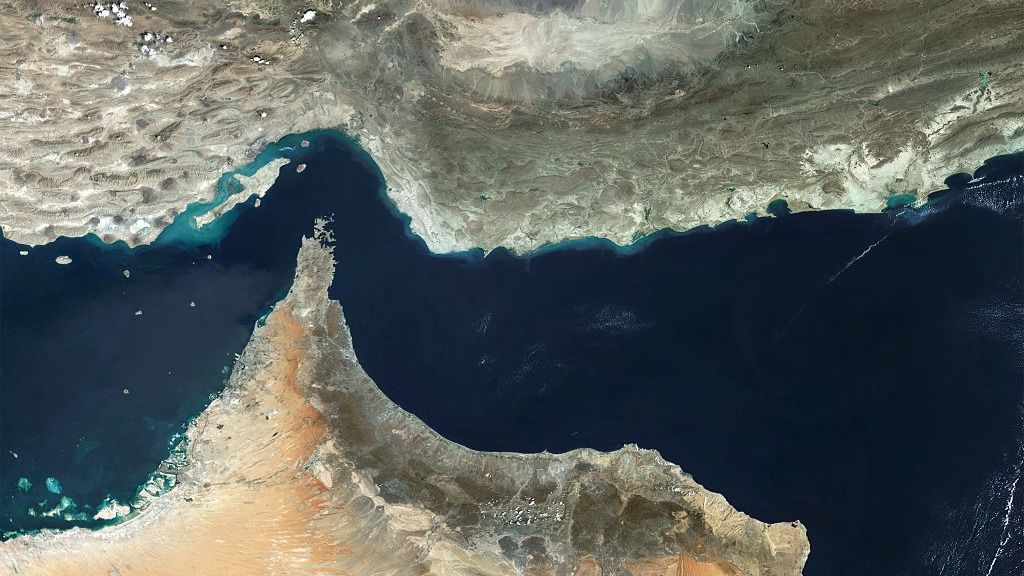
Washington, D.C. — The United States has issued a strong warning to Iran over any potential move to shut down the strategic Strait of Hormuz following ongoing military operations in the region, with Secretary of State Marco Rubio cautioning that such an action would attract “severe consequences.”
Rubio, speaking amid heightened tensions in the Middle East, stressed that the vital waterway must remain open to global shipping, describing any attempt by Iran to block access as unacceptable and destabilising.
“The Strait of Hormuz is an international waterway that must remain open,” Rubio said. “If Iran chooses to close it after military operations conclude, it will face serious consequences. The United States will ensure that freedom of navigation is maintained.”
The Strait of Hormuz is one of the world’s most critical oil transit routes, serving as a gateway for nearly a fifth of global petroleum supplies. Any disruption to its operations could send shockwaves through international energy markets and significantly impact global trade.
Tensions have escalated in recent days following military developments involving the United States and its regional allies, alongside growing concerns over Iran’s response. Analysts say Tehran has previously hinted at the possibility of leveraging the strait as a strategic pressure point during periods of conflict.
READ ALSO:
- China Thanks ‘Relevant Parties’ as Ships Cross Strait of Hormuz Amid Tensions
- Osimhen Among Highest-Paid African Footballers in 2026 — See Full List
- Lagos NURTW Chairman Sego Distributes Exotic Cars, Luxury Items to Cabinet Members (Video)
Security experts warn that a closure of the narrow waterway could trigger a broader regional crisis, potentially drawing in global powers and leading to military confrontations at sea. The U.S. Navy, which maintains a strong presence in the region, has historically conducted operations to safeguard commercial shipping routes.
While Iranian officials have not formally announced any decision to block the strait, past rhetoric from Tehran has included threats to disrupt maritime traffic if its national interests are threatened.
In response, U.S. officials reiterated their commitment to maintaining stability and ensuring the uninterrupted flow of commerce. Rubio emphasised that any move to interfere with international shipping lanes would not only affect the United States but also have far-reaching consequences for the global economy.
Observers note that the warning underscores the strategic importance of the Strait of Hormuz and highlights the fragile security situation in the Gulf region. With tensions still simmering, diplomatic efforts are expected to continue alongside military preparedness.
As the situation unfolds, the international community remains watchful, with many nations urging restraint to avoid further escalation in an already volatile region.
US Warns Iran Against Closing Strait of Hormuz, Cites “Severe Consequences”
International
China Thanks ‘Relevant Parties’ as Ships Cross Strait of Hormuz Amid Tensions

China Thanks ‘Relevant Parties’ as Ships Cross Strait of Hormuz Amid Tensions
The government of China has confirmed that three Chinese vessels successfully transited the Strait of Hormuz, expressing appreciation to “relevant parties” for facilitating their safe passage amid heightened geopolitical tensions in the Gulf region.
Speaking on Tuesday, Chinese Foreign Ministry spokesperson Mao Ning described the strait as a “vital corridor for global trade and energy supplies,” reiterating Beijing’s call for an immediate ceasefire and de-escalation of hostilities in the region.
“We express our gratitude to the relevant parties for the assistance provided,” Mao said, without identifying the actors involved, in what analysts interpret as a diplomatic acknowledgment of coordinated security efforts in the waterway.
Chinese Ships Navigate High-Risk Waters
Ship-tracking data confirmed that at least two container vessels operated by COSCO Shipping exited the Gulf on Monday, completing a second attempt after aborting an earlier departure days before due to security concerns. The vessels reportedly sailed in tight formation and at increased speeds, heading toward the Gulf of Oman — a sign of heightened caution amid ongoing threats.
According to maritime data analyst Rebecca Gerdes of Kpler, the ships are among the first non-Iranian container vessels to successfully leave the Persian Gulf since the escalation of conflict, highlighting a cautious reopening of one of the world’s most critical shipping lanes.
READ ALSO:
- Osimhen Among Highest-Paid African Footballers in 2026 — See Full List
- Lagos NURTW Chairman Sego Distributes Exotic Cars, Luxury Items to Cabinet Members (Video)
- Canada Raises Permanent Residence, Citizenship Fees for Nigerians, Others
COSCO had earlier announced on March 25 that it would resume container bookings for shipments between Asia and Gulf destinations, including the United Arab Emirates, Saudi Arabia, Qatar, Kuwait, and Iraq, signaling cautious confidence in maritime security conditions.
Strait of Hormuz Under Pressure
The Strait of Hormuz — through which nearly one-fifth of global oil supply typically flows — has faced significant disruption since the outbreak of hostilities involving Iran, the United States, and Israel beginning in late February.
Security threats, including missile strikes, naval incidents, floating mines, and drone activity, have forced many shipping companies to halt or delay operations, leaving hundreds of vessels stranded and disrupting exports such as Saudi crude oil and Qatari liquefied natural gas.
Despite the risks, some vessels have cautiously resumed transit. Reports indicate that a Greek-operated oil tanker carrying Saudi crude recently exited the Gulf, while Indian-flagged LPG carriers also navigated the route successfully.
To mitigate risks, shipping operators have adopted defensive navigation strategies, including sailing at night, increasing speed, and in some cases switching off tracking transponders to reduce visibility.
China Pushes for Stability
China’s acknowledgment of assistance reflects its broader diplomatic stance, as Beijing continues to advocate for dialogue, restraint, and stability in the Gulf. As one of the world’s largest energy importers, China has a strategic interest in keeping the Strait of Hormuz open and secure.
Analysts say the successful transit of Chinese vessels signals a fragile but important development in global shipping, suggesting that limited movement may resume if security conditions improve — though risks remain high.
China Thanks ‘Relevant Parties’ as Ships Cross Strait of Hormuz Amid Tensions
International
Canada Raises Permanent Residence, Citizenship Fees for Nigerians, Others
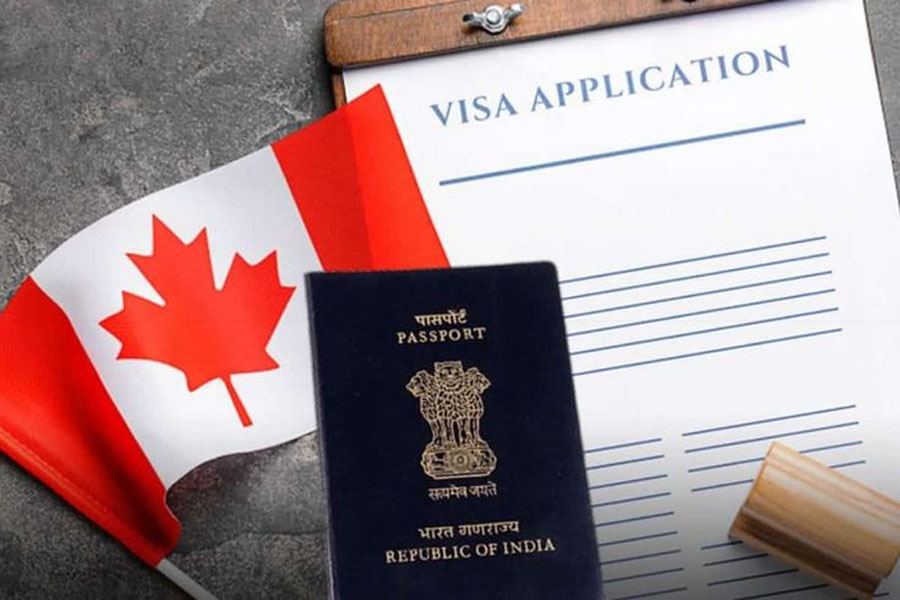
Canada Raises Permanent Residence, Citizenship Fees for Nigerians, Others
The Government of Canada has announced a significant increase in immigration fees, affecting Nigerians and other foreign nationals seeking permanent residence or Canadian citizenship. The fee hike will take effect on April 30, 2026, for permanent residence applications, while citizenship fees will rise slightly earlier, according to Immigration, Refugees and Citizenship Canada (IRCC).
The agency said the adjustments are part of a routine review to maintain efficient and timely immigration services, keep pace with inflation, and respond to growing demand. Applications received on or after the effective dates will be subject to the new fee structure.
Under the updated schedule, the Right of Permanent Residence Fee will increase from CA$575 to CA$600, while the Provincial Nominee Programme fee rises from CA$950 to CA$990. Business Class applications will see a jump of CA$85, moving from CA$1,810 to CA$1,895, and Family Class applications will increase from CA$545 to CA$570.
READ ALSO:
- Plateau Palm Sunday Massacre: US Lawmaker Warns Nigeria
- Cars Torched as South Africans Protest Alleged Nigerian ‘Igbo King’ Coronation
- AI Facial Recognition Error: Grandmother Wrongfully Jailed for Five Months
Other categories affected include Protected Persons and applications on Humanitarian and Compassionate Grounds or Public Policy Measures, each rising from CA$635 to CA$660. Permit Holders will pay CA$390, up from CA$375, and the Right of Citizenship Fee increases from CA$119.75 to CA$123, effective March 31, 2026.
The IRCC explained that under the Immigration and Refugee Protection Regulations, immigration fees are reviewed every two years to ensure they cover program costs and sustain service delivery standards. While the increases are modest in some categories, the cumulative impact may be substantial for families or applicants submitting multiple applications.
Canada continues to be a preferred destination for Nigerians and other global migrants seeking work, study, or permanent settlement. Experts advise prospective applicants to submit applications before the fee hike to avoid higher costs, particularly for permanent residence, business class, and family sponsorship applications.
Canada Raises Permanent Residence, Citizenship Fees for Nigerians, Others

-

 Entertainment20 hours ago
Funke Akindele, Toyin Abraham Spark Reactions Over Alleged Snub at Iyabo Ojo’s Premiere
-

 metro1 day ago
Jos Attack: Plateau Govt Declares 48-Hour Curfew After Deadly Assault
-

 metro3 days ago
Tragedy in Aramoko: Trailer Rams Residential Building, Kills 300‑Level Student
-

 Entertainment3 days ago
Nollywood Actress Declares Love for Ibrahim Chatta, Offers to Pay Her Own Dowry
-

 Entertainment3 days ago
Streamer Peller Escorted Out of Alake of Egbaland’s Palace in Abeokuta
-

 metro3 days ago
ADC Chairman’s Daughter Joins Pro-Tinubu Campaign Organisation
-
 News21 hours ago
UK Raises Visa Costs, Tightens Immigration Rules From April 8
-

 Education5 hours ago
WAEC Releases 2026 WASSCE Timetable for School Candidates