
Business
Fear of gas scarcity heightens as NLNG declares force majeure

There is apprehension in many homes and companies over imminent gas scarcity following the Nigeria Liquefied and Natural Gas company’s declaration of force majeure due to widespread flooding that has disrupted supply.
The company announced the force majeure on Monday.
Force majeure is a common clause in contracts which essentially frees both parties from liability or obligation when an extraordinary event or circumstance beyond the control of the parties, such as a war, strike, riot, crime, epidemic or sudden legal changes prevents one or both parties from fulfilling their obligations under the contract.
Reuters reported that the declaration could worsen Nigeria’s cash crunch and would curtail global gas supply as Europe and others struggle to replace Russian exports due to the invasion of Ukraine in February.
The NLNG said all of its upstream gas suppliers had declared force majeure, forcing it to make the declaration as well.
Spokesperson for the NLGN, Andy Odeh, said, “The notice by the gas suppliers was a result of high floodwater levels in their operational areas, leading to a shut-in of gas production which has caused significant disruption of gas supply to NLNG.”
Odeh said the NLNG was determining the extent of the disruption and would try to mitigate the impact of the force majeure.
The government agencies have warned that the flooding, caused by unusually heavy rains and the release of water from a dam in Cameroon, could continue into November.
The NLNG’s supply has already been limited due to oil theft that has cut output from what is typically Africa’s largest exporter. The NLNG exported about 18 cargoes in September, according to Refinitiv data.
Nigeria relies on fossil fuel exports for 90 per cent of its foreign exchange and roughly half its budget. Crude oil exports fell below one million barrels per day on average in August, the lowest level since the 1980s, due to theft that has exceeded 80 per cent on certain pipelines.




Business
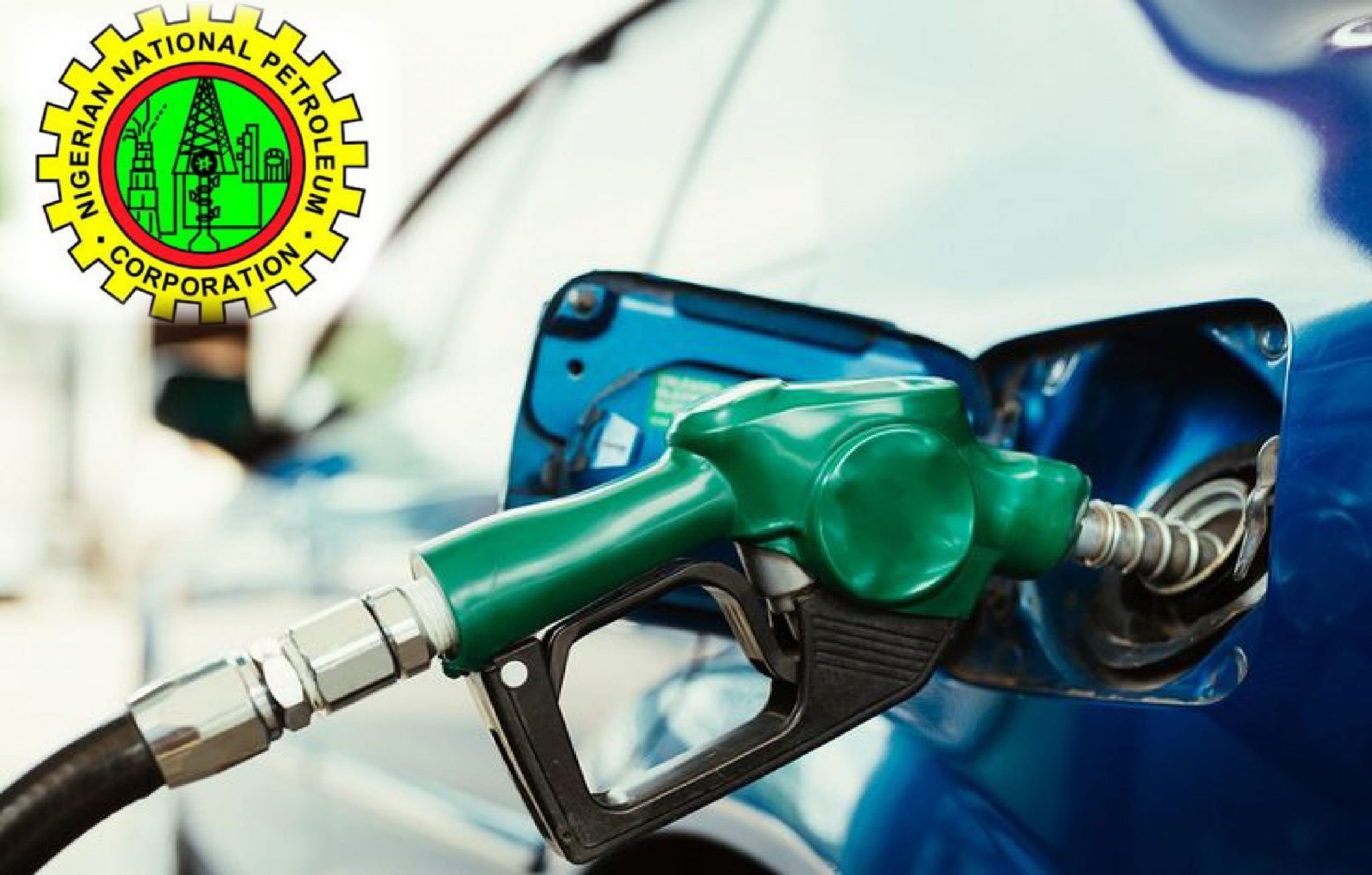
NNPCL, Marketers Increase Petrol Price Again Within 24 Hours After Dangote Refinery Hike
NNPCL, Marketers Increase Petrol Price Again Within 24 Hours After Dangote Refinery Hike
The Nigerian National Petroleum Company Limited and several independent filling stations across Nigeria have increased the pump price of Premium Motor Spirit (PMS) for the second time in less than 24 hours, following a fresh hike in the gantry price by Dangote Petroleum Refinery.
The development has led to another round of adjustments at retail outlets nationwide, with petrol prices now exceeding ₦1,040 per litre in some parts of the country, particularly in major cities.
Dangote refinery gantry price triggers increase
Industry sources said the latest increase was triggered after Dangote Refinery raised its ex-gantry price of petrol to about ₦995 per litre, up from around ₦874 per litre, forcing marketers and distributors to adjust their retail prices.
The gantry price refers to the amount marketers pay to lift products directly from the refinery before adding transportation, distribution and retail margins.
Following the adjustment, many filling stations immediately reviewed their pump prices upward.
READ ALSO:
- Police Arrest More Suspects Over Killing of Ajiran of Agungi’s Son in Lagos
- Iran Fires Missiles as Mojtaba Khamenei Succeeds Father as Supreme Leader
- Oil Prices Will Drop When Destruction of Iran Nuclear Threat Is Over — Trump
New pump prices across stations
Checks at filling stations in Lagos, Abuja and other cities showed that:
- Some NNPCL retail outlets now sell petrol at about ₦1,040 per litre.
- Independent marketers are selling between ₦1,050 and ₦1,057 per litre, depending on location and logistics costs.
- A few stations are already approaching ₦1,080 per litre in high-cost distribution areas.
The adjustment represents the second increase within 24 hours, reflecting the rapid reaction of marketers to rising depot prices.
Rising crude prices and market pressures
Energy analysts attribute the price hike to several factors, including:
- Rising global crude oil prices
- Increased operational and logistics costs
- Market-driven pricing under Nigeria’s petrol deregulation policy
Since the removal of fuel subsidy by the Federal Government in 2023, petrol prices have largely been determined by market forces rather than government-controlled pricing.
Public reaction
The latest increase has sparked concerns among motorists, transport operators and small businesses, many of whom say the rising cost of petrol will further increase transportation fares and the general cost of living.
Transport unions in some cities have already hinted that fares may be reviewed if the price trend continues.
Economic analysts warn that persistent increases in petrol prices could worsen inflationary pressures, given the heavy dependence of Nigeria’s economy on petrol-powered transportation and generators.
NNPCL, Marketers Increase Petrol Price Again Within 24 Hours After Dangote Refinery Hike
Railway
NRC seeks state backing for railway police, unveils plan to electrify rail lines
NRC seeks state backing for railway police, unveils plan to electrify rail lines
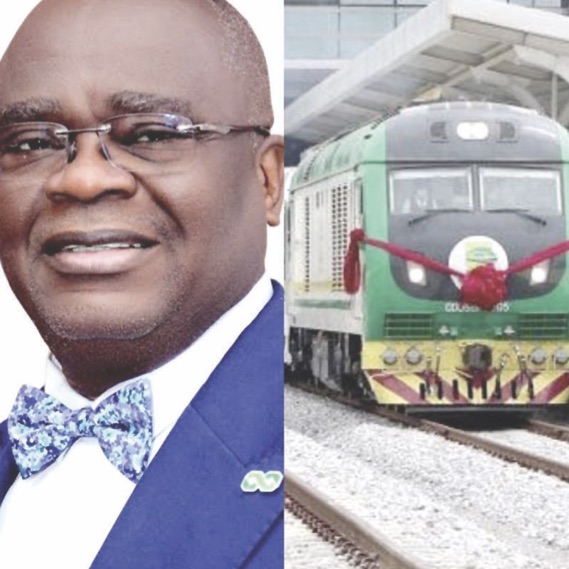
The Managing Director of the Nigerian Railway Corporation (NRC), Kayode Opeifa, has called for stronger collaboration between state governments and the railway police, warning that safeguarding rail infrastructure is central to protecting Nigeria’s mobility corridors and sustaining economic growth.
Speaking on Sunrise Daily, a flagship programme on Channels Television, on Saturday, Opeifa said the railway police currently operate in 26 states and should be treated by state governments as an integral part of their local security architecture.
According to him, rail lines cut across multiple states and serve as critical national assets whose protection requires coordinated security efforts beyond federal agencies alone.
“The security of railway infrastructure is tied to the security of our mobility corridors,” he said, urging state authorities to actively support the Railway Police to prevent vandalism and other threats to the network.
Drawing from his experience as a former commissioner in Lagos, Opeifa recalled how Railway Police personnel once assisted the state government during the cleanup of the Oshodi transport hub, describing it as an example of how inter-agency collaboration can protect strategic public infrastructure.
“The history of the Nigerian Railway Corporation is the history of Nigeria itself,” he said, noting that the challenges facing the rail system often mirror broader national development issues.
Opeifa traced the current wave of railway modernisation to 2015, when the country began shifting from narrow gauge to modern standard gauge rail lines under the administration of former President Muhammadu Buhari.
He noted that several landmark rail projects were delivered during that period, including the Abuja–Kaduna Railway, Warri–Itakpe line, Abuja Rail Mass Transit and the Lagos–Ibadan Railway, while work also began on the ambitious Port Harcourt–Maiduguri corridor.
The NRC boss also highlighted the constitutional amendment that moved railway from the Exclusive Legislative List to the Concurrent List, saying the reform has opened the door for states such as Lagos, Kano, Ogun and Plateau to participate more actively in rail development.
He disclosed that the corporation has developed a national rail map that shows how emerging state rail projects can connect with the national rail network to create a more integrated transport system.
As part of its long-term strategy, Opeifa revealed that the NRC plans to electrify major rail corridors within the next five years, starting with Warri and Lagos where gas resources could support power generation for electric train operations.
He said electrification would improve efficiency, reduce operating costs and align Nigeria’s railway operations with global best practices.
Beyond infrastructure expansion, the NRC chief also addressed operational challenges such as ticket racketeering, attributing the problem largely to high passenger demand.
To curb the practice, he said the corporation has introduced a double verification process for passengers—one check at the waiting area and another during boarding—which has significantly reduced illegal ticket sales.
Opeifa further assured travellers that security on the Abuja–Kaduna corridor remains strong, noting that train operations and station activities are monitored from a central control room. He added that the corporation plans to replicate similar monitoring systems on other routes.
In response to rising passenger traffic, he disclosed that the number of daily trips on the Abuja–Kaduna Train Service has been increased to three.
Looking ahead, Opeifa said the corporation is also exploring ways to harness the tourism and entertainment potential of railway services, promising that the NRC will continue expanding operations while positioning rail transport as a key driver of national integration and economic development.
Auto
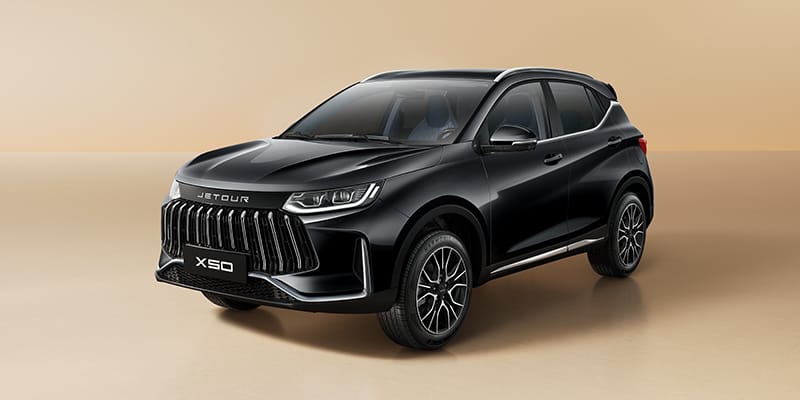
Jetour shakes Compact SUV segment with loaded X50
Jetour shakes Compact SUV segment with loaded X50
Jetour Nigeria says its aim at introducing the current X50 model is to disrupt the compact Sports Utility Vehicle (SUV) segment in the nation’s automobile market. And that it s currently doing.
The Jetour X50 stands out as a feature-rich compact SUV, designed to deliver a high level of safety, technology and comfort for everyday driving.
Built with a strong focus on occupant protection, the vehicle is equipped with multiple airbags for the driver and passengers, ensuring all-round safety while on the road.
Supporting these passive safety features are advanced electronic systems that enhance stability and control. Vehicle Stability Control helps the SUV remain balanced in challenging conditions, while the Electronic Parking Brake and Auto Hold system improve ease of use in traffic and during parking.
Driver confidence is further boosted by the availability of a 360-degree surrounding camera and parking sensors, which provide improved visibility in tight spaces.
To address common on-road safety concerns, the X50 incorporates a range of intelligent driver-assistance features. Blind Spot Detection reduces the risk of unseen vehicles, while Lane Change Assist and Rear Traffic Alert offer added protection during lane changes and reversing.
Additional security features such as automatic door locking, an alarm system and power windows contribute to peace of mind.
Inside the cabin, comfort and convenience take centre stage. Smart entry with a push-start button simplifies vehicle access, while selectable drive modes—Eco, Normal and Sport—allow drivers to adapt performance to different driving conditions.
Cruise control adds extra comfort on longer journeys.The infotainment system features a 10.5-inch display with Bluetooth connectivity, voice command, phone mirroring, Apple CarPlay and Android Auto, ensuring seamless connectivity on the move.
A wireless charger keeps devices powered without cables. Premium interior appointments include leather seats, a power-adjustable driver’s seat, automatic air conditioning with rear vents, an electric sunroof option and a six-speaker audio system.
Power comes from a 1.5-litre turbocharged four-cylinder engine paired with a dual-clutch transmission, offering a balance of responsive performance and fuel efficiency.
With its aerodynamic design and practical five-seat layout, the Jetour X50 combines modern features with everyday usability, backed by reliable after-sales support and technical assistance.
Its accredited dealers spread across Nigeria are Elizade Nigeria Limited, New Era AutoVehicle Services Limited, Kojo Motors, Germaine Auto Centre, Tab Autos Limited, R. T. Briscoe Motors and Mandilas Autos.

-

 metro2 days ago
Daniel Bwala Faces Backlash After Al Jazeera Interview With Mehdi Hasan
-
 News2 days ago
Tinubu Approves Salary, Allowance Increase for Nigerian Armed Forces
-
 Business1 day ago
NNPCL, Marketers Increase Petrol Price Again Within 24 Hours After Dangote Refinery Hike
-
 International2 days ago
Top 10 Strongest Militaries in the World in 2026 – Full Ranking
-
 metro17 hours ago
Viral Video Shows Man Disarming Robbers After Minna Bank Heist, ₦10m Stolen
-
 metro1 day ago
EFCC Intercepts Wife of Federal High Court Chief Judge With $160,000 Cash
-
 metro2 days ago
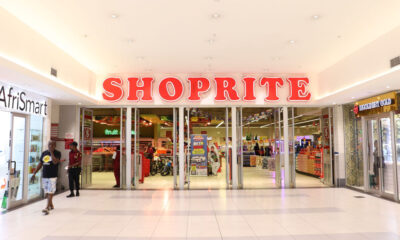
Nigeria’s Mall Retail Falters as Shoprite Completes Shutdown After 20 Years
-

 metro11 hours ago
Tragedy in Ibadan as Woman, 26, Dies at Boyfriend’s Residence