

News
FG Reduces Gas To Power Price From $2.50 To $2.18

The Federal Government has announced the reduction of the price of gas to power from $2.50 to $2.18 with immediate effect.
Gas to power is measured in Standard cubic feet (scuf). It initially sold at $2.50 per scuf.
While declaring open the 2021 Gas Sector Stakeholders Forum organised by the Gas Aggregation Company of Nigeria (GACN) and the Nigerian National Petroleum Corporation (NNPC) for the Ajaokuta-Kaduna-Kano (AKK) gas pipeline project holding in Kano, Minister of state for Petroleum Resources, Timipre Sylva, announced the price reduction, which he said was an offshoot of a negotiation between the federal government and the organised labour.
The minister said the forum is geared towards sensitizing the Northern part of Nigeria of the opportunities that will come with the revamping of moribund industries in Kano and other states in the corridor of the pipeline.
He noted that experts have estimated that it will take two-three years to revamp these industries to function at optimal level and this will come at the right time when the AKK project is delivered in 2023.
While speaking at the event also, the Minister of Power, Mamman Saleh, thanked the federal government for the reduction of the gas price.
Represented by Abba Aliyu, his Special Assistant on Policy, Saleh noted that the power sector uses more than 60% of the gas currently generated in the country to generate electricity and as such the price reduction will assist the federal government’s goal of delivering sustainable power for the country.

News
FG Opens Nationwide Youth Registration, Targets Nigerians Aged 15–35
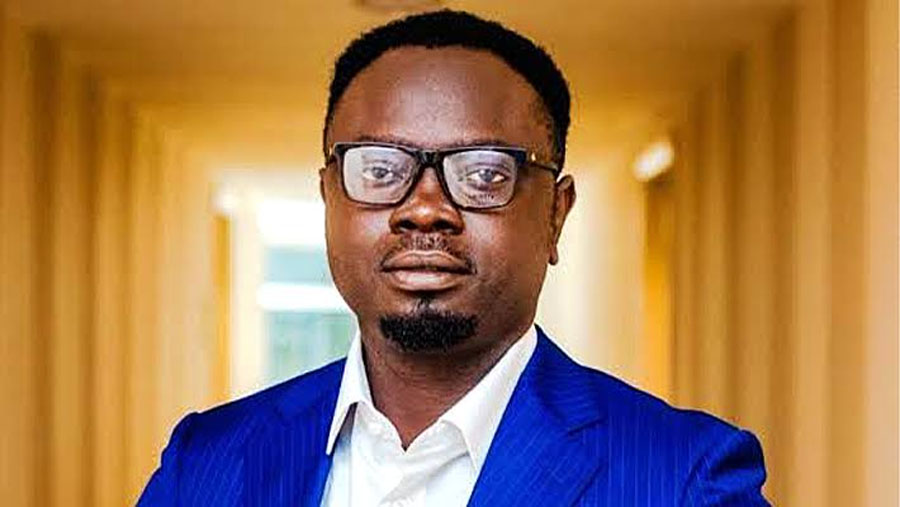
FG Opens Nationwide Youth Registration, Targets Nigerians Aged 15–35
The Federal Government has commenced nationwide registration of Nigerians aged 15 to 35 under the National Youth Data Bank (NYDB), a new initiative designed to build a reliable database of young people and support access to jobs, skills training, internships, entrepreneurship and other opportunities.
Minister of Youth Development, Ayodele Olawande, announced the commencement of the exercise as the government launched the National Youth Data Bank, saying accurate youth data would help improve the planning, targeting and delivery of government programmes.
The NYDB is designed to capture information on young Nigerians, including their education, skills, employment, entrepreneurship and other demographic characteristics. The official platform says the database is intended to provide a centralised and continuously updated picture of Nigeria’s youth population.
The government said the initiative is not an electoral registration exercise but a youth development programme aimed at improving how government identifies young people and connects them with relevant opportunities.
The registration covers young Nigerians in different sectors and settings, including those in schools, the informal sector, agriculture, sports, creative industries and technology.
READ ALSO:
- Dangote Draws Battle Lines as Fuel Import Fight Heads Back to Court
- Tinubu Returns After 30 Days in Europe, Says ‘I’m Healthy and Ready to Work’
- NMDPRA Moves Against Fuel Pump Fraud, Threatens Licence Revocation
A key part of the exercise is the establishment of approved NYDB registration centres or cluster points. According to the official NYDB platform, young Nigerians can register at approved locations within their state, Local Government Area (LGA), school or other specially designated locations.
This means that not every school, LGA office or public facility is automatically a registration centre. Applicants are expected to use approved NYDB cluster points, where trained registration personnel will guide them through the process.
The exercise is being extended across Nigeria’s 36 states and the Federal Capital Territory, with the programme designed to reach young people in rural and underserved communities as well as those in urban areas.
The registration process begins with a visit to an approved NYDB cluster point, followed by an eligibility check and the creation of a youth profile. Participants are then required to confirm the information provided before completing the registration.
The 15 to 35 age bracket is the target population for the data-bank exercise. The database is expected to be updated continuously to maintain current information on eligible young Nigerians.
The Federal Ministry of Youth Development says the information gathered will help government understand where young people are located, what qualifications and skills they have, whether they are employed or seeking opportunities, and what forms of support may be required.
The NYDB platform identifies education, skills, employment, entrepreneurship, civic participation and health among the key areas of information being developed to strengthen youth-focused planning and interventions.
The initiative is also expected to improve the ability of government and authorised partners to identify young people who may be missing from existing datasets, particularly those in rural communities and underserved groups.
The Federal Ministry of Youth Development has separately announced plans for a National Youth Confab 2026, scheduled to begin in October, with participation expected from young Nigerians across the country’s 360 federal constituencies.
For Nigerians within the 15–35 age bracket, the government is therefore encouraging participation through the approved NYDB registration centres as the nationwide exercise expands.
FG Opens Nationwide Youth Registration, Targets Nigerians Aged 15–35
News
Tinubu Returns After 30 Days in Europe, Says ‘I’m Healthy and Ready to Work’
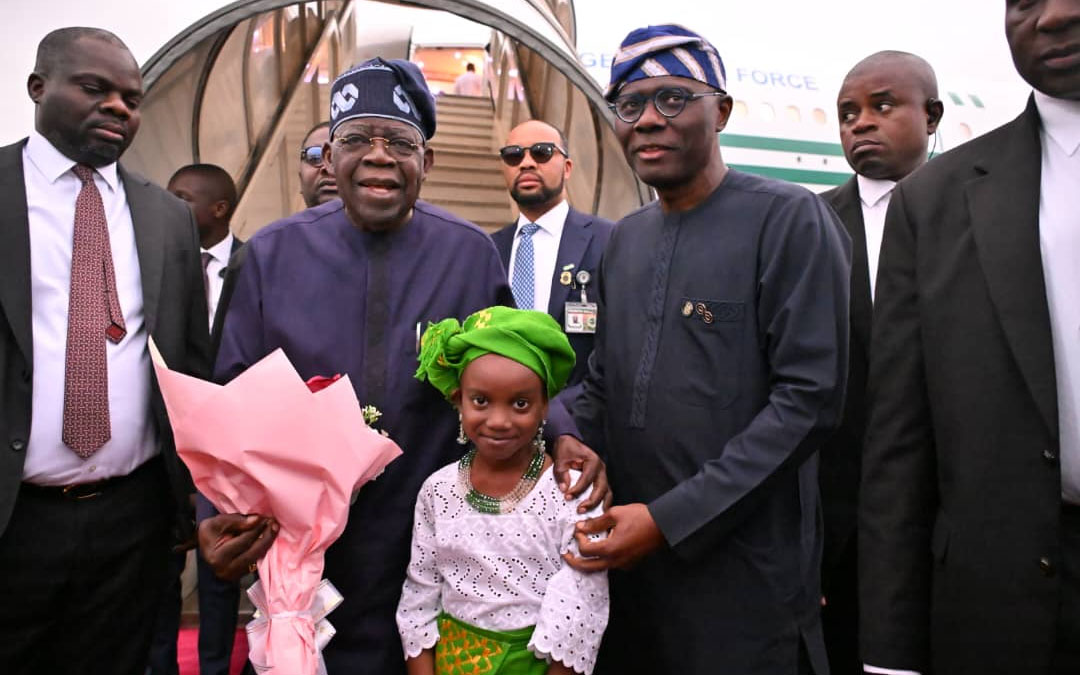
Tinubu Returns After 30 Days in Europe, Says ‘I’m Healthy and Ready to Work’
President Bola Ahmed Tinubu has returned to Nigeria after spending about 30 days in Europe, declaring that he is healthy, sound and ready to work after his extended working vacation.
Tinubu arrived at the Presidential Wing of the Murtala Muhammed International Airport, Lagos, at about 6:22pm on Tuesday after departing Paris, France, where he spent the final part of his trip.
Speaking briefly after his arrival, the President said he had enjoyed his time abroad and dismissed concerns about his health.
“I enjoyed myself,” Tinubu said when asked about his trip.
Asked whether he was ready to resume work, he replied: “Ready to kick. Ready to work. There’s nothing wrong.” He also described himself as “healthy, sound and ready to go.”
Tinubu left Nigeria on August 30 for what was initially announced as a three-week working vacation. He spent time in London before travelling to Paris, with the Presidency later announcing an extension of his stay.
During the European trip, Tinubu maintained contact with Nigerian officials and continued to receive updates on government affairs, according to the Presidency.
READ ALSO:
- NMDPRA Moves Against Fuel Pump Fraud, Threatens Licence Revocation
- $2.1m Land Suit: Court Orders Wike’s Son to Produce American Passport
- Two Nigerians Jailed 15 Years Over $2.4m US Cyber Fraud
While in Paris, he held a private dinner with French President Emmanuel Macron at the Élysée Palace and met French businessman Vincent Bolloré and executives of the Bolloré Group.
He also witnessed the signing of an agreement involving the Ogun State Government and DP World for the proposed development of the Gateway Deep Sea Port and Blue Marine Economic Zone. The Presidency has described the proposed project as a $7 billion investment.
Tinubu’s extended stay abroad attracted public debate, particularly after he did not personally attend the 81st United Nations General Assembly (UNGA) in New York.
Vice President Kashim Shettima represented Nigeria at the UNGA and delivered the country’s national statement.
The Presidency defended the arrangement, maintaining that Tinubu remained in charge of government and continued to direct affairs while abroad.
His return to Nigeria through Lagos also comes ahead of the country’s 66th Independence Day celebrations on October 1.
Tinubu is expected to attend the premiere of MKO, a documentary on the life of the late businessman and pro-democracy campaigner MKO Abiola, at the Wole Soyinka National Theatre in Iganmu, Lagos.
The film features archival material and interviews with prominent Nigerians, including former military leaders Ibrahim Babangida and Abdulsalami Abubakar, former President Olusegun Obasanjo, Nobel laureate Wole Soyinka and Tinubu.
Tinubu’s return brings his extended European working vacation to an end, with the President expected to resume his regular official engagements as the administration enters the final quarter of 2026.
Tinubu Returns After 30 Days in Europe, Says ‘I’m Healthy and Ready to Work’
News
Breaking: Tinubu Ends Extended European Vacation, Departs Paris for Nigeria
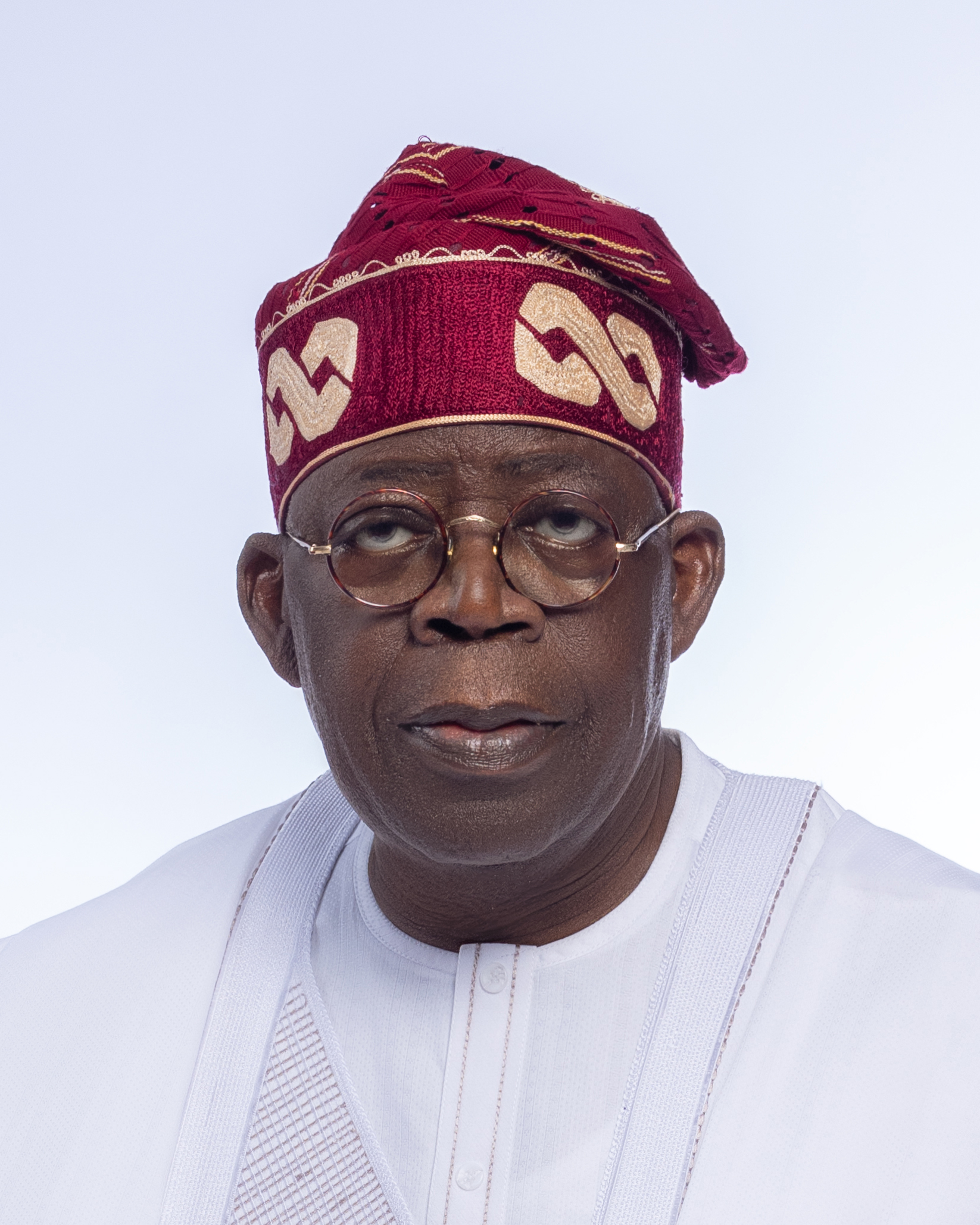
Breaking: Tinubu Ends Extended European Vacation, Departs Paris for Nigeria
President Bola Ahmed Tinubu has departed Paris, France, for Nigeria, bringing to an end his extended working vacation in Europe, with his aircraft expected to arrive at the Murtala Muhammed International Airport, Lagos, later Tuesday.
The President left Abuja on August 30 for London to begin his working vacation and subsequently moved to Paris, where he held official engagements, including meetings with French President Emmanuel Macron and business leaders.
His stay, initially expected to last about three weeks, was extended by the Presidency, which announced on September 21 that Tinubu would return to Nigeria after a few additional days.
In a statement on Tuesday, Special Adviser to the President on Information and Strategy, Bayo Onanuga, confirmed that Tinubu had departed Paris for Nigeria.
Onanuga said the President’s aircraft was expected to touch down in Lagos later in the day.
According to the presidential spokesman, Tinubu chose to return through Lagos to honour the memory of the late Chief Moshood Kashimawo Olawale Abiola, widely associated with the struggle for the restoration of democratic rule in Nigeria.
The President is also expected to participate in activities surrounding Nigeria’s 66th Independence Anniversary on October 1 before returning to Abuja.
Tinubu’s prolonged absence from the country had generated public debate, particularly after he did not personally attend the 81st United Nations General Assembly in New York, where Vice President Kashim Shettima represented Nigeria.
The Presidency, however, maintained that Tinubu remained engaged with the affairs of government throughout his stay abroad. It said he continued to issue directives and conduct official business remotely while Vice President Shettima and other senior government officials represented him at various engagements.
During his stay in France, Tinubu also held talks with Vincent Bolloré of the Bolloré Group on expanded investments in Nigeria’s creative and digital economy. The State House said the discussions covered areas including film, entertainment, fibre-optic infrastructure and related sectors.
His return comes as the administration continues to focus on its economic reform programme, infrastructure development, energy transition and investment drive.
The President is expected to remain in Lagos for the Independence anniversary activities before returning to Abuja.
-
 metro1 day ago
Osogbo Food Bonanza Turns Nightmare as Discount Vendor Vanishes With Customers’ Millions
-

 metro2 days ago
24 Hours in Darkness: Iju Ishaga Residents, Businesses Count Losses as Ikeja Electric Fails to Restore Power
-

 metro3 days ago
Passenger Dies After Jumping From Moving Bus In Lagos
-
 Politics3 days ago
APC Sweeps Enugu LG Election, Wins All 17 Chairmanship, 260 Councillorship Seats
-

 News2 days ago
Agbede Mourns Baba Alado, Says Mushin Has Lost Pillar of Peace
-
 Education1 day ago
FG Releases 2026–2028 Approved Textbooks, Introduces QR Codes for Tracking
-

 Sports24 hours ago
Nigeria XI vs Guinea-Bissau: Awoniyi, Lookman, Adams Lead Super Eagles Attack
-

 metro24 hours ago
Hamzat Clarifies Lagos Traffic ‘Lifestyle’ Remark After Backlash