

News
FG to phase out electricity subsidy from 2027 as power sector debts rise
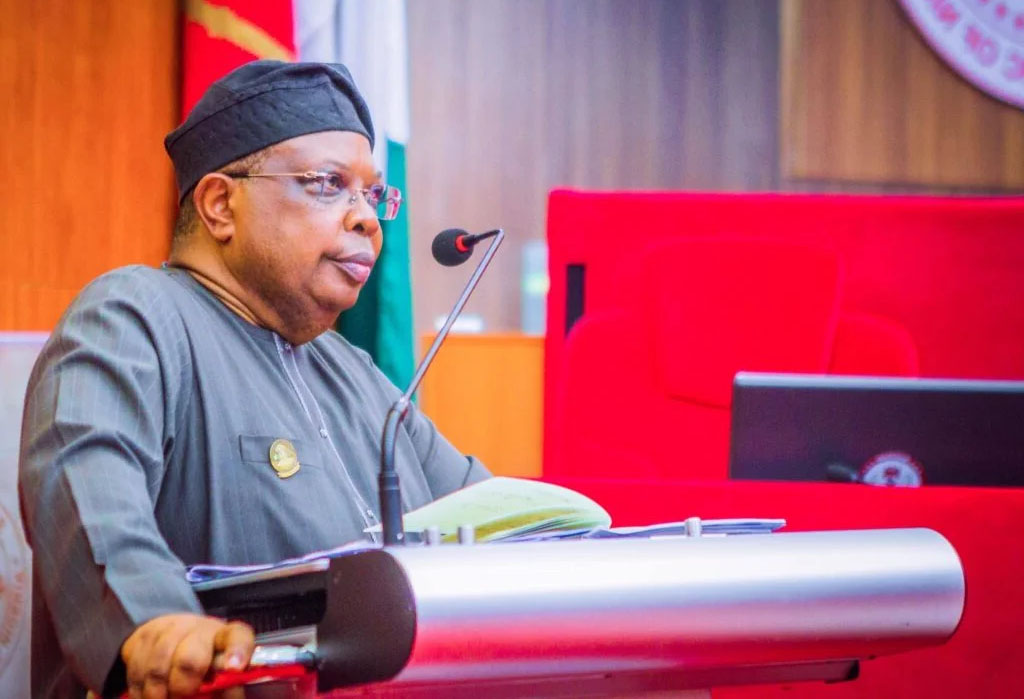
FG to phase out electricity subsidy from 2027 as power sector debts rise
The Federal Government has announced plans to gradually phase out electricity subsidies from 2027 as part of efforts to address rising debts in the power sector, improve financial sustainability and strengthen electricity supply across the country.
Minister of Power Joseph Tegbe disclosed the plan during a media interactive session on Friday, saying the government would introduce the changes gradually while ensuring that Nigerians continue to have access to electricity.
Tegbe said the Federal Government had received a mandate from President Bola Tinubu to clear outstanding debts in the electricity industry and establish a sustainable system that would prevent the accumulation of new obligations.
“We have the mandate of Mr President to clear the legacy debt and come up with sustainable structures to make sure this doesn’t pile up any more,” the minister said.
He expressed confidence that the government would bring an end to the current electricity subsidy arrangement in 2027 while working to improve the quality and reliability of power supply.
“I promise you, next year, by God’s grace, we will put a stop to this so-called subsidy in the power sector,” Tegbe said.
The minister assured consumers that the planned reforms would not result in a loss of access to electricity services.
According to him, the government’s objective is to reduce the financial burden created by the subsidy system while improving the performance of the electricity sector.
READ ALSO:
- At least 43 migrants die as 49,000 cross into Spain’s Ceuta enclave
- Segun Aina assumes office as JAMB registrar, vows to protect examination integrity
- Rivers police arrest 50-year-old man over alleged defilement of two minors
“Mr President, we will not deprive Nigeria of anything. We’ll make sure Nigerian consumers continue to have power and improve power services,” he added.
Tegbe also stated that there was no immediate plan to increase electricity tariffs, despite concerns that the proposed phase-out of subsidies could lead to higher electricity bills.
However, the minister did not provide details on the timetable for the subsidy withdrawal, the categories of consumers that may be affected or the measures that would be introduced to protect low-income and vulnerable households.
The planned reform comes amid growing concerns over the financial challenges facing Nigeria’s electricity industry.
The Federal Government previously estimated the cost of electricity subsidies at about ₦3 trillion as of February 2024, while power generation companies, known as GenCos, have continued to report significant unpaid obligations.
The Association of Power Generation Companies has said electricity generation companies are owed about ₦6.5 trillion, raising concerns about the financial health of the sector and its ability to sustain electricity generation.
The outstanding debts include unpaid invoices and other obligations linked to electricity supplied to the national grid.
To address the problem, President Tinubu recently approved a ₦4 trillion power sector debt reduction programme aimed at settling verified legacy debts and improving liquidity across the electricity value chain.
The programme is expected to support the payment of outstanding obligations owed to power generation companies and other participants in the sector.
In January 2026, the Federal Government issued an inaugural ₦501 billion bond under the Presidential Power Sector Debt Reduction Programme.
The bond was designed to help settle verified debts owed to electricity generation companies and support efforts to stabilise the sector.
On July 20, the government announced a second tranche of about ₦729 billion to settle additional verified debts owed to power generation companies.
The debt-settlement programme is expected to reduce financial pressure on electricity producers and improve their capacity to maintain operations, pay gas suppliers and invest in power infrastructure.
The proposed subsidy phase-out also aligns with recommendations by the International Monetary Fund (IMF), which has encouraged Nigeria to gradually reduce broad electricity subsidies and adopt more targeted support for households that need assistance.
Supporters of the reform argue that reducing subsidies could improve the financial viability of the electricity market, attract private investment and help power companies maintain and expand infrastructure.
However, consumer groups and businesses have raised concerns that higher electricity costs could increase financial pressure on households and raise operating expenses for companies.
The impact of the proposed reform may depend on the government’s ability to improve electricity supply, expand access to prepaid meters, reduce estimated billing and ensure that consumers receive better services.
Earlier this year, President Tinubu also directed ministries, departments and agencies to apply existing electricity laws in determining how subsidy costs should be shared among the federal, state and local governments in the 2026 budget.
The move is expected to support a more coordinated approach to electricity financing following reforms that expanded the role of state governments in electricity generation, transmission and distribution.
As the 2027 target approaches, the Federal Government is expected to provide more details on the implementation framework, consumer protection measures and the steps that will be taken to prevent the reforms from causing undue hardship.
The government will also face growing pressure to ensure that improvements in electricity generation, transmission and distribution accompany the gradual withdrawal of subsidies.
For many consumers, the success of the policy may ultimately be measured by whether it delivers more reliable electricity, fair billing, improved customer service and better value for money.
FG to phase out electricity subsidy from 2027 as power sector debts rise






Interview
“Not as Corrupt as the World Thinks”: Reno Omokri Defends Nigeria’s Image and Safety
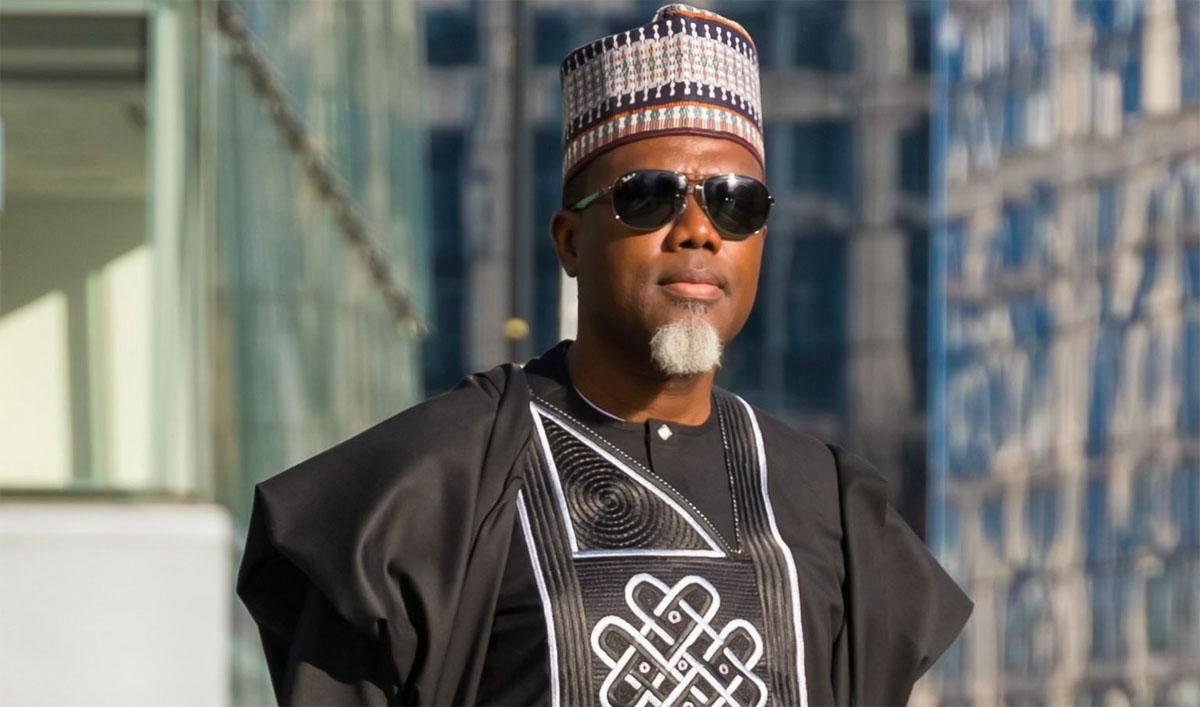
Citing economic growth and safe public festivals, Reno Omokri urges the nation to tell its own story rather than rely on external perception indexes.
Nigeria is not nearly as corrupt or unsafe as foreign reports claim, according to Reno Omokri, Nigeria’s Ambassador-designate to Mexico. In a television interview on Channels Television, Omokri explained that international assessment groups often misunderstand Nigerian customs because they apply global benchmarks that ignore local traditions.
A central issue, Omokri noted, is how different cultures view appreciation. In Nigerian society, offering a gift to say thank you to an official who provides excellent service is a familiar sign of respect, much like tipping in other parts of the world.
However, international observers often label this practice as corruption. Omokri stated that the country needs to share its own experiences directly with the world rather than allowing outside groups to set a negative narrative.
Omokri also defended the country’s safety record by pointing to Lagos, where the economy has expanded steadily and major cultural events draw massive crowds.
He highlighted the annual holiday season in Lagos, which brings more than one million visitors together peacefully each year. For Omokri, these vibrant events show that everyday life in Nigeria is full of energy, community warmth, and safety.
News
‘Jobs Must Not Be Based on Connections’ — Oyintiloye Tells FCC
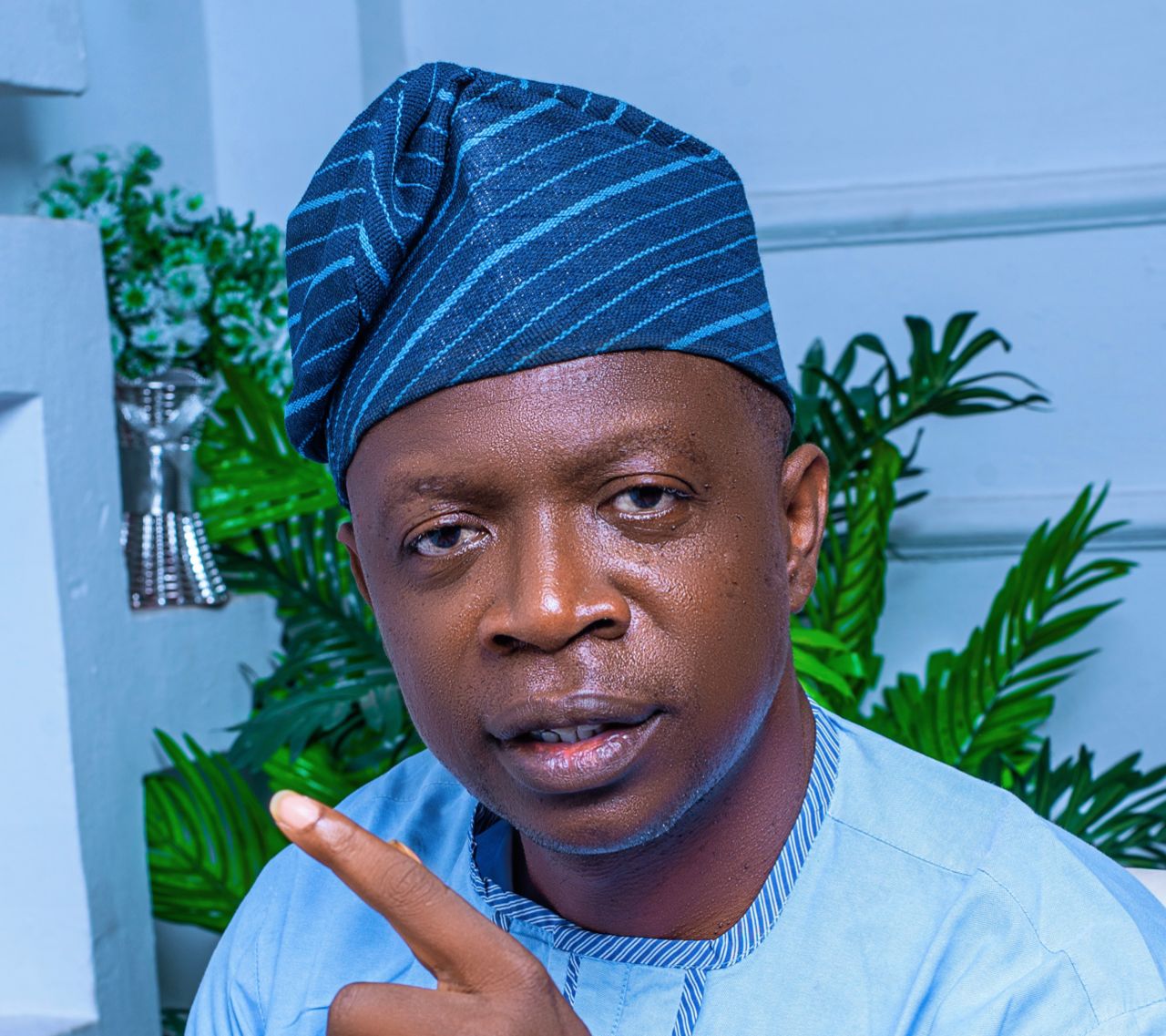
Calls for greater transparency in the distribution of federal employment opportunities have intensified, with APC chieftain Olatunbosun Oyintiloye urging the Federal Character Commission to ensure that recruitment is not influenced by powerful individuals.
Oyintiloye, speaking in Osogbo, Osun State, appealed to the commission’s Executive Chairman, Ayo Hulayat Omidiran, to stand firm against intimidation or pressure while carrying out her responsibilities.
According to him, the credibility of federal recruitment depends on giving qualified Nigerians a fair chance, regardless of their background or connections.
He said the FCC should strengthen its oversight of recruitment processes and prevent situations where applicants are disadvantaged through manipulation or other improper practices.
“The FCC must adopt a renewed commitment to building a commission where merit, fairness and the principles of federal character guide the management of employment opportunities across the public service” Oyintiloye said.
His appeal comes shortly after Omidiran publicly reiterated that federal government jobs were not for sale and that employment opportunities should be available to Nigerians regardless of social status.
Oyintiloye said the position of the FCC was particularly important because of its constitutional responsibility to promote equitable representation in federal institutions.
He also praised the commission for addressing concerns over fairness in recruitment and allegations of corrupt practices, saying greater openness could help rebuild public confidence.
The APC chieftain further urged the commission to ensure that recruitment opportunities are communicated clearly and that qualified applicants from all parts of the country are given an equitable chance.
He expressed confidence that reforms under Omidiran could strengthen the FCC’s credibility, while encouraging job seekers to rely on legitimate recruitment announcements rather than individuals claiming to have connections within the commission.
The FCC itself has warned Nigerians about people offering supposed shortcuts into federal employment, stressing that it does not sell jobs or select candidates for federal appointments.
News
Nwifuru Dismisses Cubana Chief Priest as ‘Attention-Seeker’
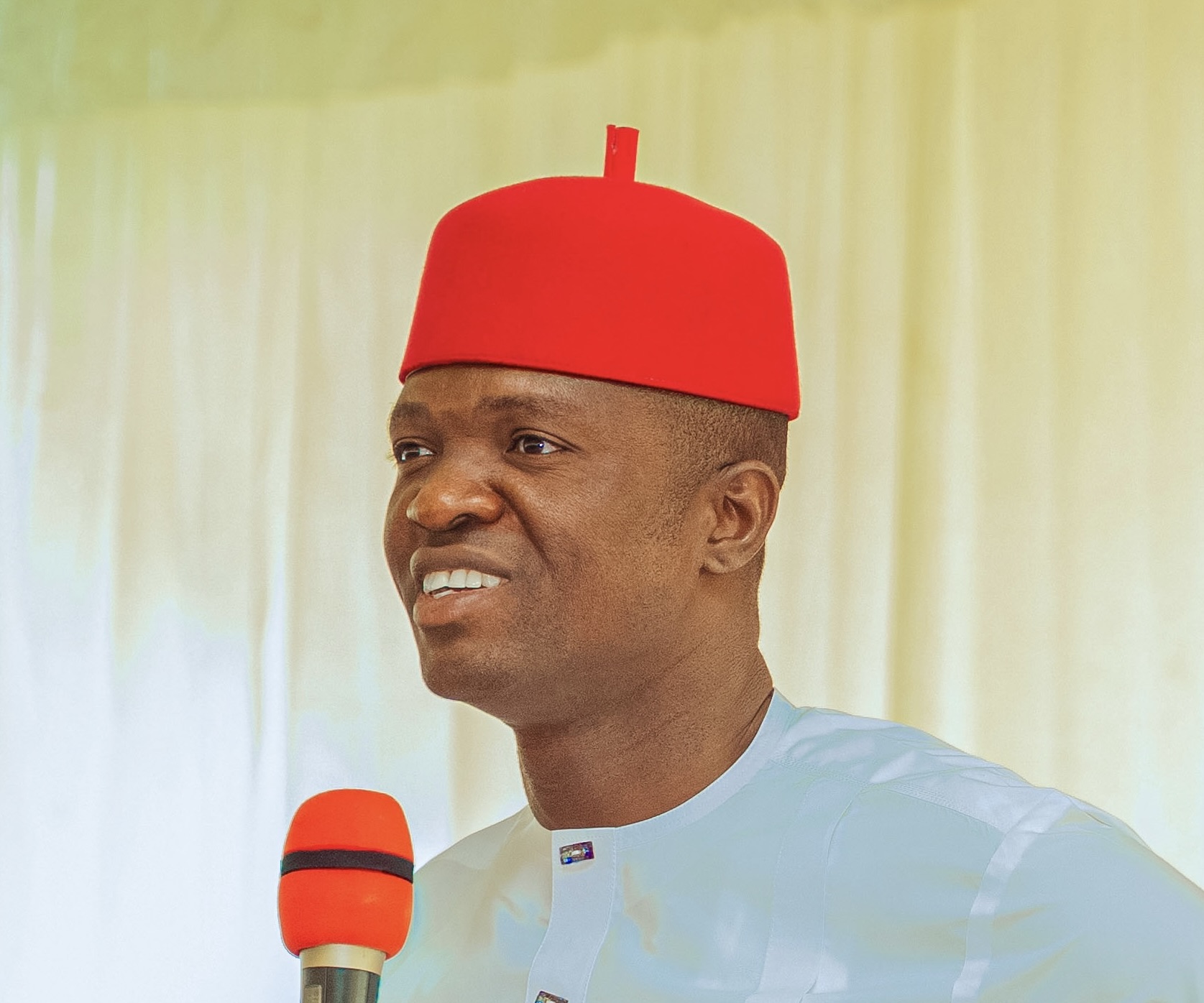
Ebonyi State Governor Francis Nwifuru has hit back at socialite and businessman Paschal Okechukwu, better known as Cubana Chief Priest, after the latter criticised his administration.
The governor dismissed the businessman’s comments while speaking at an event in Abakaliki, saying he had no interest in engaging with him.
“I don’t have time for Cubana Chief Priest. He’s a mere attention-seeker and an individual of no consequence” Nwifuru said.
He added, “However, if I remember him, I feel sorry for him.”
The exchange followed comments by Cubana Chief Priest questioning the governor’s performance in office. He reportedly challenged Nwifuru to explain how an administration could spend about three years in office without having major projects commissioned by the President or other state governors.
The remarks had earlier attracted criticism from Chinedu Ogah, the member representing Ikwo/Ezza South Federal Constituency in the House of Representatives.
Ogah condemned Cubana Chief Priest’s comments, defending the governor’s administration.
Nwifuru’s response now adds another layer to the controversy, although the governor did not provide a detailed response to the specific claims made about projects commissioned under his administration.
The disagreement has consequently shifted attention to the broader question of the Ebonyi government’s record on infrastructure and development projects since Nwifuru assumed office.
-

 metro3 days ago
Ondo Herbal Drink Tragedy: Survivor Vows Never to Drink Again as Death Toll Tops 30
-

 Business2 days ago
Dangote: ₦525 Refinery Shares Could Rise to ₦10,000
-

 metro3 days ago
Sokoto Cleric Stabbed Twice in Neck After Juma’at Prayer, Attacker Killed
-
 News1 day ago
SERAP Threatens Legal Action Over ₦126bn INEC Electoral Funds
-

 metro2 days ago
MURIC fires back at Peter Obi: Forget Sallah ceremony, free Nigerian Muslims
-

 metro2 days ago
Abia Police Arrest Father, Three Others Over Alleged Attempt to Sell 16-Month-Old Daughter
-
 International2 days ago
Trump Tells Supporters to ‘Cheat Like Hell’ Ahead of US Election
-
 Politics2 days ago
Five Islamic Clerics Abducted After Tinubu Re-Election Prayer At Yari’s Zamfara Residence