

Africa
How Mali army killed 13 civilians in drone strikes – Amnesty

How Mali army killed 13 civilians in drone strikes – Amnesty
Mali’s army has killed at least 13 civilians, including seven children aged between two and 17, in drone strikes in the north of the country, Amnesty International said Wednesday.
One man told the London-based rights group he had lost his wife and six of his children in the night-time air raid on the area of Amasrakad on March 17.
The army had described the two strikes as “having contributed to neutralising many terrorists”, Amnesty said, but that claim was refuted by the accounts of seven survivors and witnesses.
A first strike hit a pick-up truck, then a second struck a makeshift shelter where residents had sought refuge, killing nine people instantly, Amnesty said.
Three more people died of their wounds and a woman discovered later that her unborn foetus had died.
READ ALSO:
- Lagos court sends 25-year-old man to prison for stealing employer’s N54.1m
- Suspended Ningi demands reinstatement, threatens to drag Akpabio before NBA
- NNPCL denies reducing pump prices of petrol, diesel
“It is unconscionable that whole families could be killed by drone strikes, without any accountability or justice,” said Amnesty’s Samira Daoud.
“Authorities in Mali must ensure an effective and independent investigation into the killings of these civilians.”
Mali has since 2012 been ravaged by different jihadist groups affiliated with Al-Qaeda and the Islamic State group, as well as by self-declared self-defence forces and bandits.
The country has been under military rule since back-to-back coups in 2020 and 2021, with the security situation compounded by a profound humanitarian and political crisis.
Amnesty says the army has intensified military operations against Al-Qaeda, IS and former rebel groups since mid-2023, regularly conducting drone strikes.
It said an increase in military operations in the regions of Kidal and Gao over the last few months had pushed many people to flee to Amasrakad.
How Mali army killed 13 civilians in drone strikes – Amnesty
AFP












Africa
Zimbabwe Tycoon Wicknell Chivayo, Wife Among Six Killed in Helicopter Crash
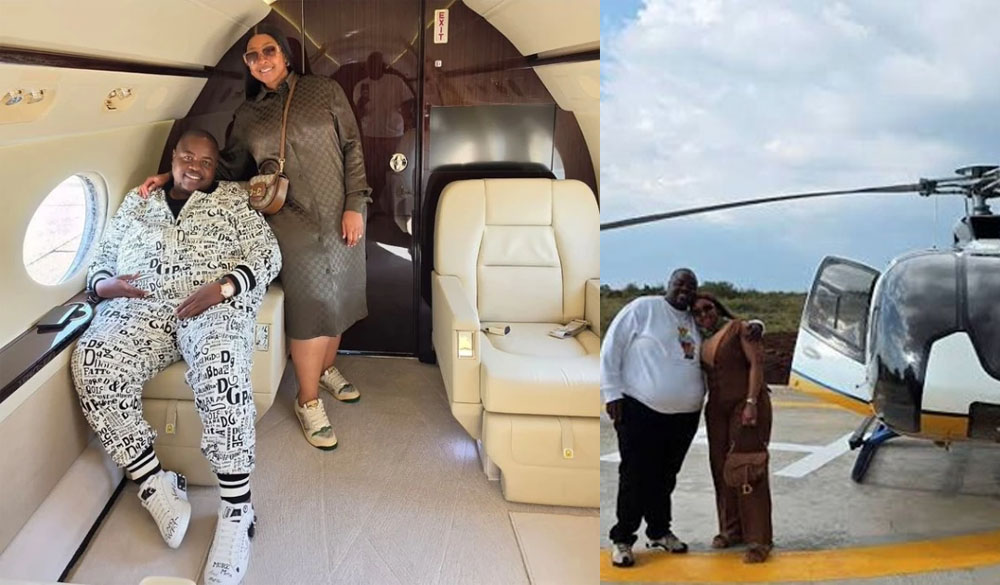
Zimbabwe Tycoon Wicknell Chivayo, Wife Among Six Killed in Helicopter Crash
Zimbabwean businessman Wicknell Chivayo and his wife, Lucy Muteke, have been killed in a helicopter crash that claimed six lives in Marondera Rural, east of the Zimbabwean capital, Harare.
The crash occurred at about 5pm local time on Wednesday, September 30, 2026, with the helicopter carrying six people, including Chivayo, his wife and two pilots.
Family spokesperson Herbert Chivayo confirmed the deaths, while Zimbabwean authorities said there were no survivors.
The aircraft came down in the Marondera area, about 72 kilometres east of Harare, before catching fire. Emergency responders and investigators were deployed to the scene after the crash.
Zimbabwean aviation authorities said preliminary information indicated that fuel spilled after the impact before a fire broke out. However, officials stressed that the information did not establish what caused the helicopter to crash.
READ ALSO:
- Tinubu Returns After 30 Days in Europe, Says ‘I’m Healthy and Ready to Work’
- NMDPRA Moves Against Fuel Pump Fraud, Threatens Licence Revocation
- $2.1m Land Suit: Court Orders Wike’s Son to Produce American Passport
The cause of the crash remains under investigation, with aviation officials and other investigators examining the wreckage and circumstances surrounding the incident.
Police said the bodies were badly burned in the post-crash fire, making formal identification necessary. Forensic specialists were subsequently involved in the identification and investigation process.
Chivayo, 43, was one of Zimbabwe’s most prominent and publicly visible businessmen. He was known for his high-profile lifestyle, philanthropy and extensive social-media presence, where he frequently displayed luxury cars, properties and other expensive possessions.
He also maintained close links with senior political figures in Zimbabwe, including President Emmerson Mnangagwa.
READ ALSO:
- Tinubu Returns After 30 Days in Europe, Says ‘I’m Healthy and Ready to Work’
- NMDPRA Moves Against Fuel Pump Fraud, Threatens Licence Revocation
- $2.1m Land Suit: Court Orders Wike’s Son to Produce American Passport
His business activities and political connections had previously attracted public scrutiny, including allegations relating to government contracts and political financing. Chivayo denied wrongdoing in connection with such allegations.
News of his death triggered reactions across the region, with political and business figures expressing condolences to his family.
Kenyan President William Ruto was among those who mourned Chivayo, describing the Zimbabwean businessman as a friend.
The crash has generated significant attention in Zimbabwe because of Chivayo’s prominence and his public profile, but authorities have not attributed the accident to any specific mechanical, weather or human factor.
Investigators are expected to examine the aircraft, flight circumstances, weather conditions, pilot actions and other available evidence as they work to determine what caused the fatal helicopter crash.
Authorities have not announced a final finding on the cause of the accident.
Zimbabwe Tycoon Wicknell Chivayo, Wife Among Six Killed in Helicopter Crash
Africa
South Africa: 27 Killed, 26 Injured in Separate Mass Shootings
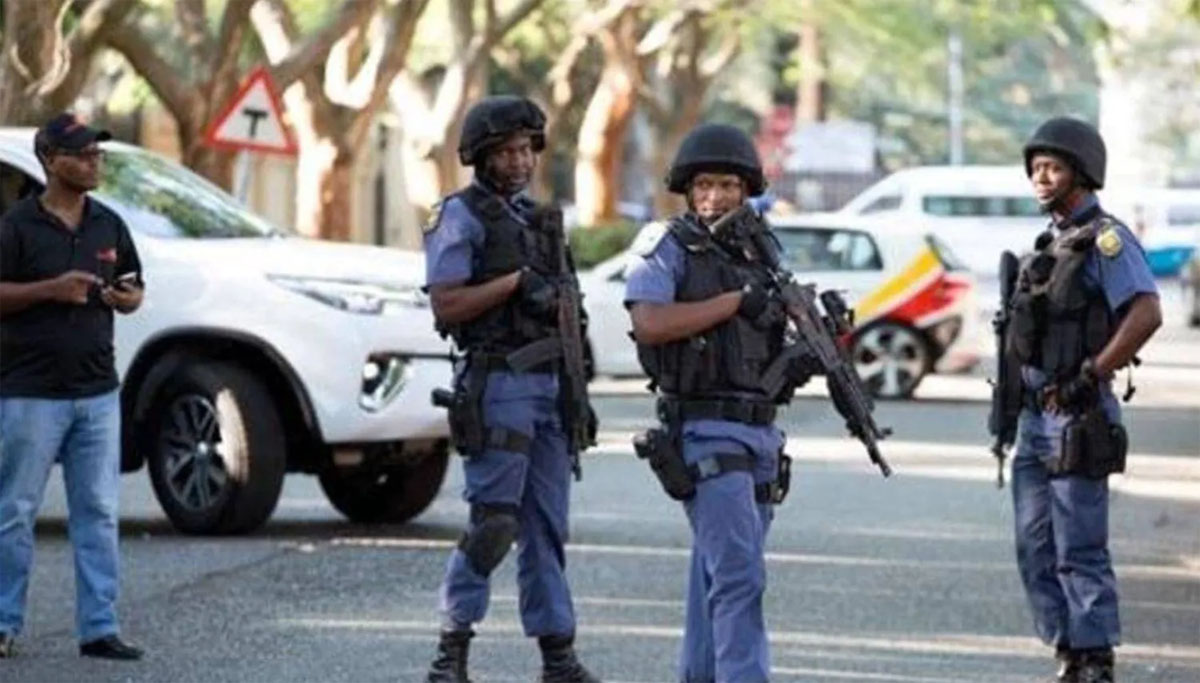
South Africa: 27 Killed, 26 Injured in Separate Mass Shootings
At least 27 people have been killed and 26 others injured in two separate mass shootings in South Africa, with police launching investigations and manhunts for the attackers.
The shootings occurred within hours of each other in Gauteng and Western Cape provinces, with the first attack reported at a tavern in Wedela, southwest of Johannesburg, on Saturday night, followed by another shooting at an entertainment venue in Lwandle, near Cape Town, in the early hours of Sunday.
In Wedela, police said gunmen opened fire on patrons at a tavern at about 9:30 p.m. on Saturday.
The South African Police Service (SAPS) said 17 people were killed in the attack, comprising 13 men and four women.
At least 15 people were also injured and taken to medical facilities for treatment.
According to the police, the attackers were armed with AK-47 rifles and pistols. They allegedly opened fire on people outside the tavern before entering the premises and continuing the shooting.
READ ALSO:
- Abuja Police Arrest Woman, Two Hotel Workers Over Man’s Body Dumped Under Bridge
- Bauchi Police Arrest 26-Year-Old Man Over Rape Of 50-Year-Old Woman
- 2027: Lawal Challenges Wike To Clarify Allegiance Over Rainbow Coalition
The gunmen also reportedly searched some patrons and took their mobile phones before escaping in two unidentified vehicles.
Police have launched a manhunt for the suspects, while investigations are ongoing to establish the motive for the attack and identify those responsible.
A few hours later, another shooting occurred at an entertainment venue in Lwandle, a township near Cape Town.
Police said gunmen entered the venue, which also operates as a shisanyama, a popular South African establishment serving grilled meat, at about 1:46 a.m. on Sunday and opened fire on people inside.
The attack left 10 people dead and 11 others injured.
Five victims reportedly died at the scene, while five others later died after being taken to medical facilities.
Western Cape police commissioner Lieutenant General Sizakhele Dyantyi established a multidisciplinary investigative team led by serious violent crime detectives to investigate the attack and pursue the perpetrators.
No arrests had been announced in connection with either shooting at the time of the latest police updates.
The two incidents came days after another deadly shooting in KwaMakhutha, south of Durban, where 11 people were killed and three others injured at a house party.
The KwaZulu-Natal attack occurred on Tuesday night, September 22, according to police.
Authorities said some of the victims were known to Crime Intelligence in connection with alleged illegal activities, although investigators had not established a definitive motive. Police said a possible conflict between rival groups was among the lines of inquiry.
The three shootings have renewed concerns over gun violence in South Africa, particularly deadly attacks involving groups of armed suspects.
However, authorities have not established any connection between the shootings in Wedela, Lwandle and KwaMakhutha. Investigations into the individual incidents remain ongoing.
South Africa: 27 Killed, 26 Injured in Separate Mass Shootings
Africa
South Africa: Two Women Arrested Over Alleged Rape, Kidnap of E-Hailing Driver
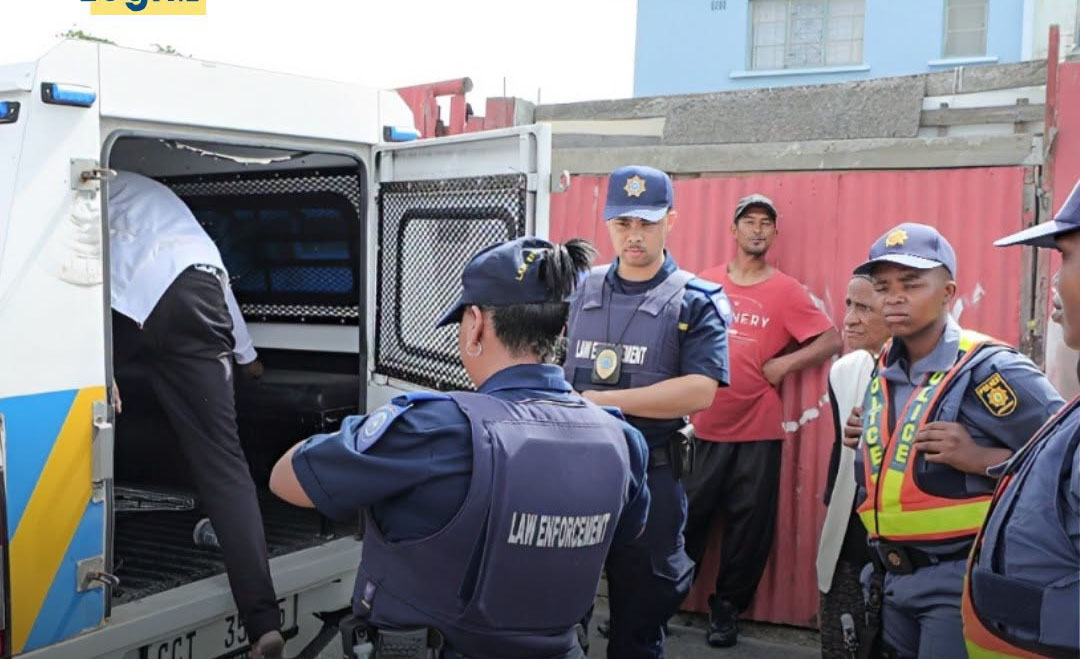
South Africa: Two Women Arrested Over Alleged Rape, Kidnap of E-Hailing Driver
South African police have arrested five suspects, including two women and a teenager, after a 25-year-old e-hailing driver was allegedly kidnapped, sexually assaulted and held for ransom in Cape Town.
The incident occurred in the Steenberg area of Cape Town on Saturday, September 12, 2026, after the driver reportedly went to meet a woman he had previously connected with through his e-hailing business.
Police said the driver’s brother alerted authorities after the suspects allegedly contacted him and demanded R4,000 in cash for the driver’s release.
Following the report, Steenberg police launched an investigation and used a vehicle tracking device to establish the driver’s location.
The tracking information led officers to Southampton Road in Heathfield, where they found and rescued the 25-year-old driver.
According to police, the victim had met one of the female suspects about a week before the incident through his e-hailing business.
The two reportedly exchanged telephone numbers and remained in contact for several days before arranging to meet.
Police allege that when the driver went to meet the woman on Saturday, he was instead kidnapped by the group and taken to another location.
The two female suspects allegedly sexually assaulted the driver while the other suspects were involved in holding him captive.
The five suspects arrested comprise two women aged 23 and 34, two men aged 42 and 48, and a 16-year-old boy.
The teenager is the youngest of the suspects arrested in connection with the case.
The arrests followed the alleged ransom demand made to the victim’s brother. After receiving the report, police acted on information from the vehicle tracking system and were able to locate the driver and bring him to safety.
READ ALSO:
- Four-Storey Building Collapses in Enugu, Workers Trapped Inside
- 27-Year Wait Ends as Construction Begins on New Dutse Emir’s Palace
- Mother ‘sold daughter’s abuse videos for $300’: Nigeria child pornography case shocks nation
The suspects are expected to appear before the Wynberg Magistrate’s Court on Monday, September 14, 2026, where they are expected to face charges relating to the alleged kidnapping and rape.
The case has drawn attention to the safety challenges confronting e-hailing drivers, who regularly meet passengers, customers and other contacts at different locations, sometimes without knowing the people they are meeting.
The incident also highlights the fact that men can be victims of rape and sexual violence. Sexual assault can affect people of any gender, and the circumstances of an alleged attack should be treated with the same seriousness regardless of whether the victim is male or female.
However, the suspects have not been convicted of any offence. The allegations against them will be tested before the court, and they remain entitled to due process under South African law.
Police have not disclosed further details about the alleged sexual assault or indicated whether additional arrests are expected.
Investigations are continuing as authorities work to establish the full circumstances surrounding the alleged kidnapping, sexual assault and ransom demand.
The incident comes amid broader concerns about the safety of e-hailing operators in Cape Town and other parts of South Africa, with driver associations and operators repeatedly calling for stronger measures to protect drivers from attacks and criminal activities while carrying out their work.
South Africa: Two Women Arrested Over Alleged Rape, Kidnap of E-Hailing Driver
-

 metro2 days ago
‘I Thought I Was Dead’ — Hairstylist’s Daring Escape From Kidnappers After Benin-Ore Ambush
-

 metro3 days ago
Tension as Kidnappers Threaten to Kill Abducted Oyo Corps Members
-

 metro24 hours ago
Tragedy Strikes FMC: Medical Director Loses Two Daughters—A Doctor and a Pharmacist—Within 48 Hours
-
 metro1 day ago
Transporters Urge IGP Disu to Arrest Illegal Highway Tax Collectors
-

 metro2 days ago
Court Restricts Osun Accounts Over $13.9m Arbitration Award
-

 International3 days ago
Nigerian-Born Ex-Professor Jailed 78 Months Over $1.3m US Student Aid Fraud
-

 Politics1 day ago
2027: Soludo Govt Accuses Peter Obi Of Plot To Destroy APGA
-
 metro1 day ago
Army, DSS, Amotekun Kill ISWAP Commander Planning Attacks in Southern Nigeria