

metro
I collected money from job-seekers for FCC chairman, ex-staffer alleges
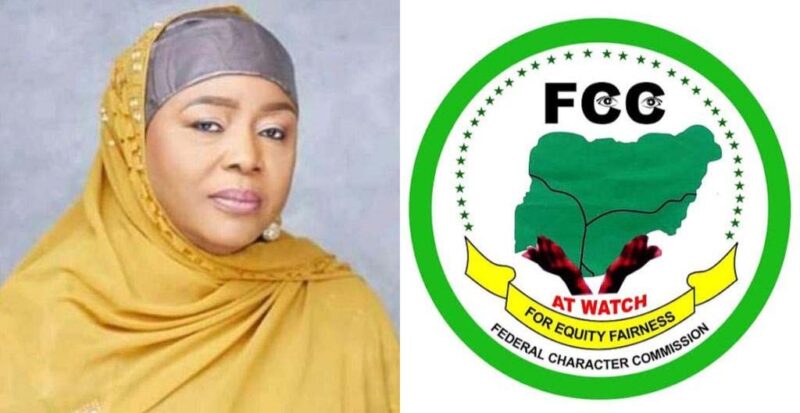
A former staff member of the Federal Character Commission (FCC), Mr Haruna Kolo, has alleged that job seekers paid millions of naira into his personal account for remission to the commission’s Chairman, Mrs Farida Dankaka.
Kolo said this on Monday in Abuja at the resumed investigative hearing of the House of Representatives Ad hoc Committee probing job racketeering in Federal Ministries, Departments and Agencies of Government.
The committee is also probing the alleged mismanagement of Integrated Payroll and Personnel Information (IPPIS) in MDAs.
Kolo said he usually approached the Point of Sale (POS) agents to collect the money in cash to deliver to the chairman.
He further said that Dankaka appointed him as her Chief Protocol, while he was working in FCC.
Kolo, who now works with the Assets Management Company of Nigeria (AMCON), said that he saw the allegation against him, regarding job racketeering, in the media.
He said some of those who came to seek for job in the commission paid between N1 million and N5 million naira, depending on the MDAs.
He denied having been involved in job racketeering, alleging that he only acted on the instruction of Dankaka, who was allegedly receiving the money in cash.
According to him, she often gave me verbal instruction in respect of people paying for jobs and lodgment after the collection of the agreed amount.
READ ALSO:
- BREAKING: El-Rufai, Danladi missing as Senate confirms 45 nominees
- Keyamo returns for ministerial screening, apologises, takes a bow
- Women’s world cup: FIFA bans Lauren James after red card against Nigeria
“The money is always sent to my account, which I subsequently cashed and send to her in cash,” he said.
Kolo said his redeployment to AMCON was with the knowledge of the chairman of the commission.
”My going to AMCON was her personal favour to me and others that left FCC at the time,” he said.
He, however, accused the chairman of going after him, when her sister was rejected at AMCON due to age factor.
Kolo said the sister in question was already 51 at the time she was offered the job at AMCON.
He said that he had been receiving several calls threatening his life and sought the protection of the committee.
He warned that the FCC chairman should be held responsible, should anything sinister happen to him.
Kolo also said that the chairman’s claim that FCC had not carried out recruitment since her assumption of office was not true.
He said that as a desk officer of IPPIS in FCC, he could confirm that the commission carried out recruitments at different times.
“I am the desk officer of IPPIS for FCC and over 300 employment letters were issued but those captured by FCC were few,” he said.
In a swift reaction to Kolo’s allegations, Dankaka said she never collected any money from Kolo as alleged.
She further said that it was a conspiracy between him and the other commissioners to tarnish her image.
Disturbed by the barrage of allegations, Dankaka immediately brought out a copy of the Holy Qur’an and swore never to have collected any money from Kolo as proceeds of job racketeering.
READ ALSO:
BREAKING: WAEC releases 2023 WASSCE results
Women’s world cup: FIFA bans Lauren James after red card against Nigeria
“I have never asked him to collect money from job seekers for me,” she said.
Responding to the issues, the Chairman of the committee, Rep. Yusuf Gagdi, told Kolo that the committee was in possession of evidence that he had N38.5 million in his account, which was withdrawn from POS.
He also said that N75 million was in Kolo’s accounts in Access Bank, UBA and Eco Bank as a proceed of job racketeering
”Kolo was serving as a front for collecting money for job recruitments in the commission as against the service’ financial regulation and the extant law.
”The record I have about your account you don’t even have and the record of your service I have.
“We are not giving any judgment in FCC, we are still investigating.
”This committee will have to be judicial in nature.
“We knew why we asked Kolo to give us evidence and we must come out straight.
“We aren’t even talking about racketeering in other MDAs.
“Kolo you are not supposed to leave here without being arrested.
“As a civil servant, you are not supposed to have such huge amount in your account,” the committee chairman said.




metro
Kano: Soldiers Kill Two Kidnappers, Rescue Victim, Recover ₦10m
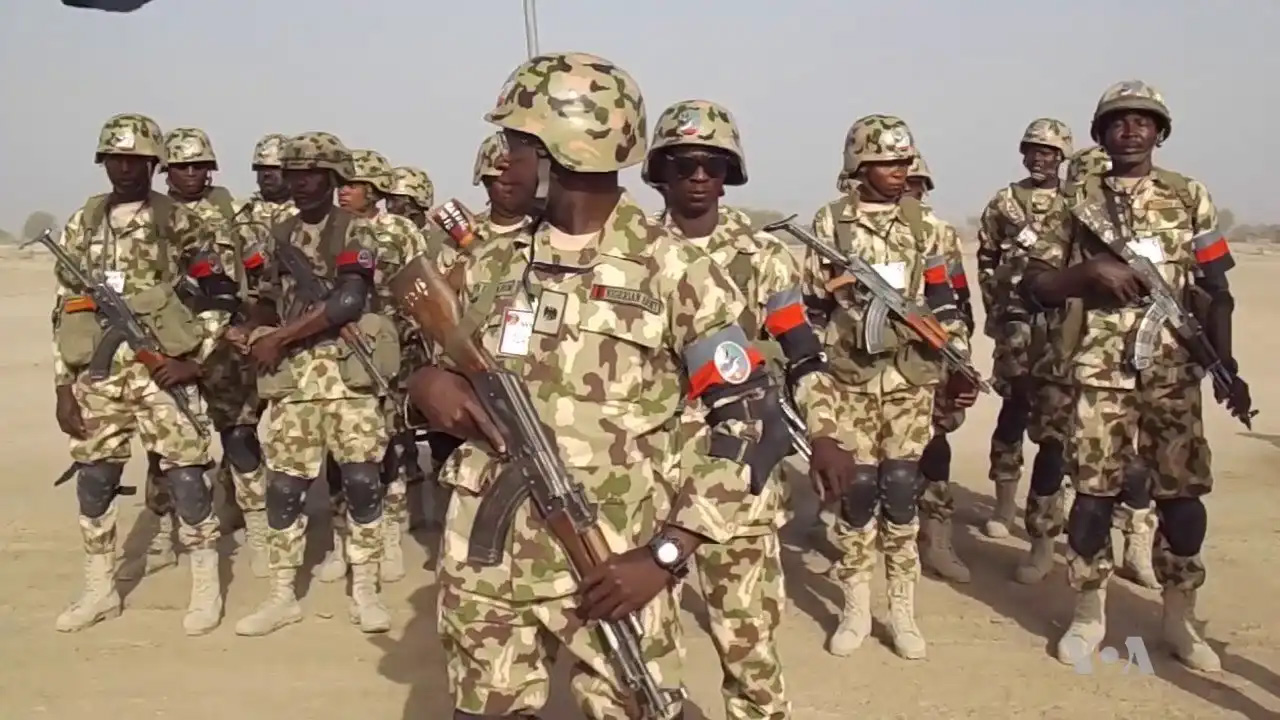
Kano: Soldiers Kill Two Kidnappers, Rescue Victim, Recover ₦10m
Troops of the Nigerian Army have killed two suspected kidnappers, rescued an abducted man and recovered ₦10 million reportedly paid as ransom during a security operation in Falgore Forest, Doguwa Local Government Area of Kano State.
The operation was carried out by troops of the Army’s 3 Brigade under Operation MESA, in collaboration with personnel of the Nigeria Police Force, the Department of State Services (DSS) and local hunters.
The operation followed the abduction of Alhaji Kabiru Aliyu on October 11, 2026, at Fanyabo Village in Falgore Forest.
According to the Army, Aliyu was returning from Yandoka Market in neighbouring Kaduna State at about midnight when suspected kidnappers seized him.
The abductors subsequently contacted his family in Yan Taburmi Village and demanded a ransom for his release.
Following the report of the abduction, troops acted on intelligence and worked with other security personnel and local hunters to track the suspected kidnappers.
The joint security team mounted an ambush in the area, leading to an encounter in which two suspected members of the kidnapping gang were killed.
READ ALSO:
- Akpabio Under Fire as Senators Move to Secure His Return as Senate President in 2027
- Lamine Yamal Shines as Barcelona Thrash Real Betis 5-2
- Tinubu Scraps Recruitment Waiver Requirement for Federal Universities
The operation also resulted in Aliyu’s rescue, while other suspected members of the gang reportedly escaped towards the adjoining Falgore Forest.
During a subsequent search of the area, the troops recovered ₦10 million said to have been paid by the victim’s family as ransom.
The Army said the recovered money was returned to Aliyu and his family.
The development was disclosed in a statement by the Assistant Director, Army Public Relations, 3 Brigade, Major Babatunde Zubairu.
The Commander of 3 Brigade, Brigadier General Saka Jimoh, commended the troops for their alertness, professionalism and fighting spirit during the operation.
Jimoh reaffirmed the brigade’s commitment to sustaining pressure on criminal groups and preventing further security breaches in Kano State.
He also urged residents to provide security agencies with credible and timely information that could assist ongoing efforts to tackle kidnapping and other criminal activities.
The rescue comes amid continuing security concerns over abductions for ransom in parts of northern Nigeria. The Army’s statement indicated that other suspected members of the gang remained at large following the operation.
Kano: Soldiers Kill Two Kidnappers, Rescue Victim, Recover ₦10m
metro
Oyo Baby Trafficking Scandal: Mother, Doctor Arrested Over Alleged ₦2m Sale of Infant
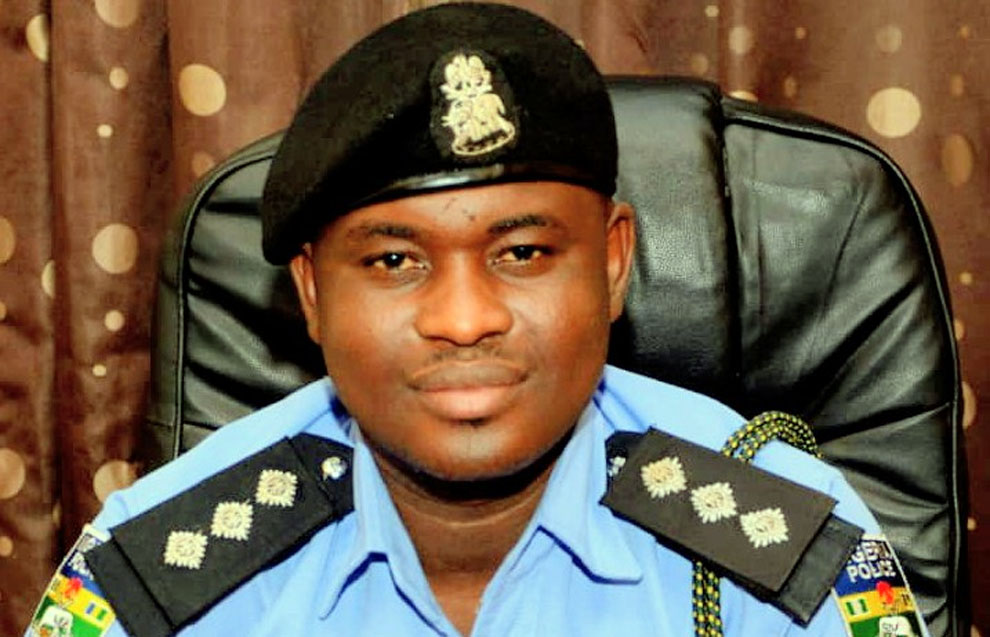
The Oyo State Police Command has rescued a one-month-old baby girl allegedly sold for ₦2 million in Ido Local Government Area of Ibadan, arresting the child’s mother and the owner of the health facility where she was delivered.
The incident came to light after the baby’s grandmother, Mary Amos, reported the child’s disappearance to the police on October 15, 2026, raising concerns that the infant might have been sold.
According to the police, Mary told investigators that her 23-year-old daughter, Cecilia Amos, gave birth to the baby girl on September 6 at Ebepraise Health Centre in Ido. She reportedly said her daughter disappeared with the child about seven days after delivery and could not provide a satisfactory explanation for the baby’s whereabouts.
Following the complaint, police operatives arrested Cecilia for questioning. The Police Public Relations Officer, DSP Olayinka Ayanlade, said the mother allegedly implicated the owner of the health facility, 40-year-old Dr Adeleke Ebenezer, and another person, Hassan Oludunni, in the arrangement.
According to the police account, Cecilia alleged that the two men lured her into the arrangement and facilitated the transfer of the baby to a person identified as Odunayo Folawewo.
READ ALSO:
- Akpabio Under Fire as Senators Move to Secure His Return as Senate President in 2027
- Lamine Yamal Shines as Barcelona Thrash Real Betis 5-2
- Tinubu Scraps Recruitment Waiver Requirement for Federal Universities
The police said preliminary investigations indicated that the alleged transaction involved ₦2 million. Cecilia reportedly received ₦1 million, while Ebenezer and Oludunni allegedly received ₦500,000 each.
Police subsequently rescued the baby and arrested Ebenezer in connection with the case. The command said efforts were ongoing to apprehend the other suspects, including the alleged buyer, and bring everyone linked to the incident to justice.
The police have not reported the conclusion of the investigation or any court determination of the allegations. The arrested suspects are entitled to the presumption of innocence unless proven guilty by a court of law.
The case has renewed attention on child trafficking and the protection of vulnerable children, particularly newborns who depend entirely on adults for their safety and care.
The Oyo State Police Command urged members of the public to report suspected cases of child trafficking and other offences involving vulnerable persons promptly.
Residents can contact the Oyo State Call Response Centre on its toll-free line, 615, or reach the police command’s control room on 08081768614 or 07055495413 to report emergencies or suspected criminal activity.
Oyo Baby Trafficking Scandal: Mother, Doctor Arrested Over Alleged ₦2m Sale of Infant
metro
FG Begins Rollout of 3,700 Telecom Towers to Connect 20m Nigerians
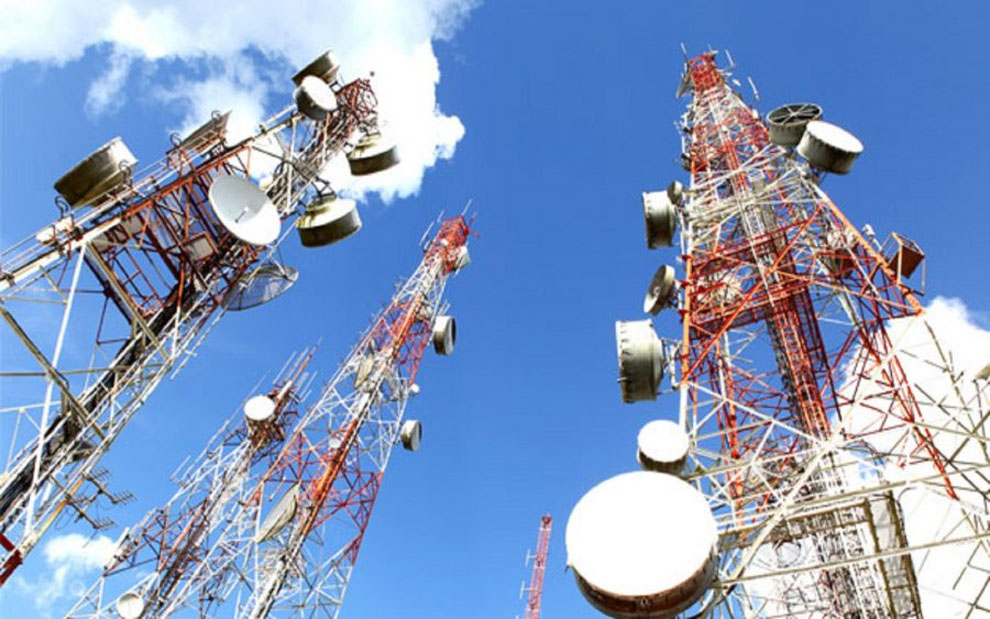
The Federal Government has commenced the deployment of 3,700 telecommunications towers nationwide to provide mobile network and internet access to nearly 20 million Nigerians living in unserved and underserved communities.
The Minister of Communications, Innovation and Digital Economy, Bosun Tijani, announced the rollout on Friday, October 16, 2026, during the commissioning of the first tower under the Nigeria Universal Communication Access Project (NUCAP) in Amaeke, Bende Local Government Area of Abia State.
The project is designed to extend reliable telecommunications services to communities that have remained disconnected from the country’s expanding digital economy, particularly rural, riverine and other hard-to-reach areas.
Tijani said the commissioning of the Bende facility marked the beginning of a nationwide rollout, with additional sites expected to follow in the coming days, weeks and months.
“President Bola Ahmed Tinubu has given us a clear mandate: work towards bringing every Nigerian online. Through NUCAP, we are delivering 3,700 telecommunications towers across Nigeria,” the minister said.
He explained that the absence of reliable network coverage continued to prevent many residents from accessing essential services and economic opportunities.
According to him, farmers in disconnected communities often struggle to contact potential buyers, traders face difficulties receiving electronic payments, and families may be unable to reach health workers or seek emergency assistance when necessary.
The minister said expanding telecommunications infrastructure would help bridge the digital divide and improve access to online education, digital banking, healthcare services, business opportunities and government platforms.
READ ALSO:
- 37 Miners’ Deaths in Custody: Suspended NSCDC Commandant Admits Tragedy Was Avoidable, Apologises to Families
- Singlet Dispute Turns Deadly as 23-Year-Old Kills Elder Brother in Kaduna
- IBEDC Announces Major Power Outage in Ogun Region Over Network Load Restriction
The initiative is also expected to benefit small businesses and residents in locations where commercial telecommunications operators have been reluctant to invest because of difficult terrain, low population density or limited expected returns.
The commissioning of the first NUCAP tower in Bende marks a major implementation milestone for the programme, which the government says will bring nearly 20 million Nigerians into reliable telecommunications coverage.
Deputy Speaker of the House of Representatives, Benjamin Okezie Kalu, who attended the commissioning, said dependable network access was essential for financial inclusion, education, healthcare delivery and economic development in rural communities.
Kalu disclosed that 16 additional locations in Bende Federal Constituency had been identified as requiring telecommunications intervention. He called on the ministry and its implementing partners to work with community leaders to validate the locations and extend coverage to the affected areas.
He also urged residents and traditional institutions to protect the newly installed infrastructure against vandalism, stressing that its long-term benefits would depend on proper maintenance and reliable service delivery.
The commissioning featured a demonstration of live e-learning at Bende Grammar School using the new infrastructure, alongside the distribution of mobile phones to constituents.
Tijani assured residents that the government would continue working with network operators, lawmakers and community leaders to extend connectivity to other unserved locations.
The NUCAP initiative forms part of the Federal Government’s broader efforts to improve digital inclusion in Nigeria and ensure that geographical location does not prevent citizens from accessing telecommunications services.
The government has previously identified millions of Nigerians living in communities without basic mobile network coverage, with rural and remote settlements accounting for a significant share of the connectivity gap.
For affected residents, the absence of a reliable signal can restrict access to mobile money services, online learning, digital markets, emergency communications and other services increasingly dependent on internet connectivity.
The government expects the 3,700 towers to improve coverage in these areas, although the actual benefits will depend on the pace of deployment, network reliability, power supply and ongoing maintenance.
Tijani has also urged communities without reliable coverage to report their locations to the ministry for consideration under the programme.
The tower rollout complements other federal digital infrastructure initiatives, including plans to deploy a 90,000-kilometre fibre-optic network to strengthen broadband connectivity across states, local government areas and wards.
Together, the projects are intended to expand access to digital services and support economic activity in communities that have historically been left behind by telecommunications development.
The government’s immediate challenge will be to ensure that the planned infrastructure reaches the intended communities and delivers affordable, reliable services beyond the initial commissioning ceremonies.
FG Begins Rollout of 3,700 Telecom Towers to Connect 20m Nigerians
-

 metro2 days ago
₦130m Toyota Tundra Wrecked: Lagos Dealer Questions Police Over Suspect’s Release
-
 News2 days ago
₦200m Fake Alcohol Packaging Uncovered as NAFDAC Raids Aba Market
-
 metro1 day ago
Suspended Archbishop Ibezim Drags Anglican Primate to Court, Challenges Six-Month Leave
-

 Sports2 days ago
Real Madrid Demand Tebas’ Exit After Explosive Nazi Propaganda Row
-
 metro3 days ago
Former Senator Bello Mandiya Found Dead in Bathroom Three Days After Fall
-
 Politics2 days ago
2027: Kwankwaso Signals Fuel Subsidy Comeback as NDC Vows to Crash Petrol Prices
-

 Entertainment2 days ago
ToluwaniSings’ Final Hours: Aide Reveals Desperate Search Across 8 Hospitals
-

 metro1 day ago
Imodi-Ijebu Muslim Community Bets on 20 Chiefs to Drive Education, Economic Growth