

metro
Igbo Union Rejects State Police, Advocates Return to Pre‑1966 Regional Policing
Igbo Union Rejects State Police, Advocates Return to Pre‑1966 Regional Policing
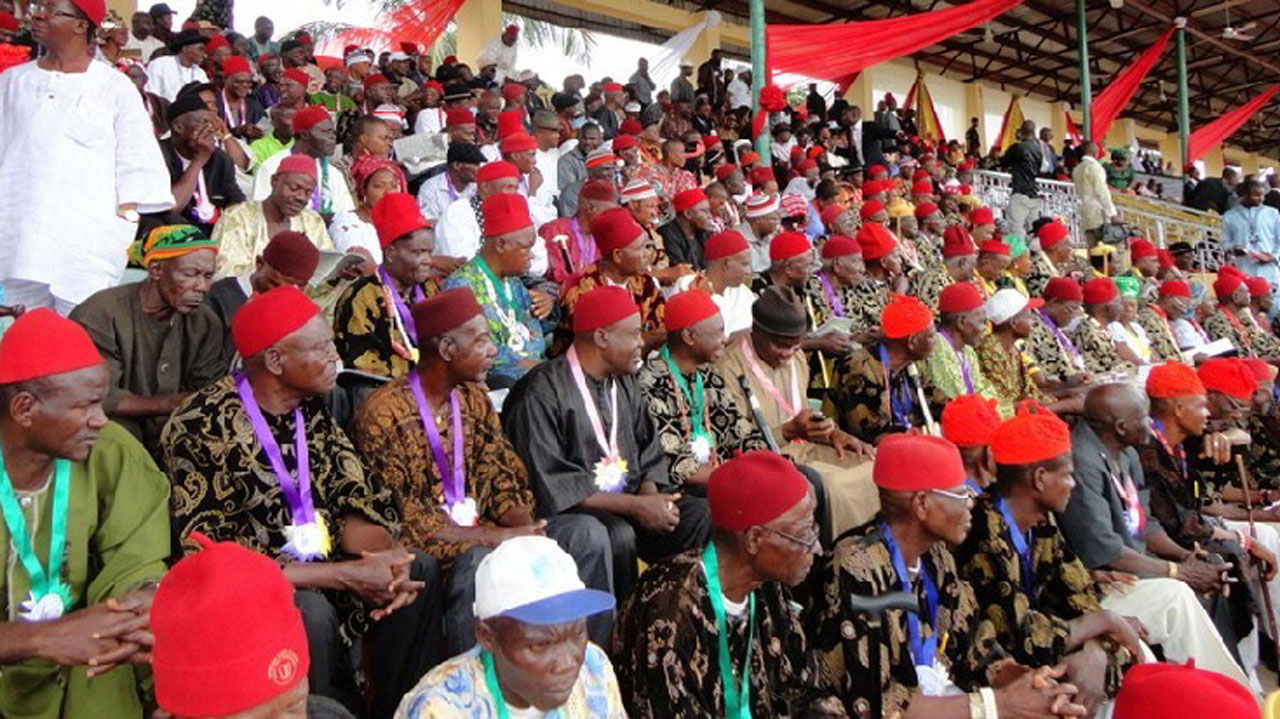
A major pan‑Igbo socio‑political organisation, the Ndi Igbo Worldwide Union, has formally rejected ongoing proposals to establish state police in Nigeria, insisting the country should instead restore a regional policing system similar to the one that operated before the 1966 military coup.
In a statement signed on Saturday by its President, Mazi Ben Nwankwo, and Secretary, Chief Charles Edemuzo, the union argued that regional policing remains the most effective way to tackle Nigeria’s worsening security challenges, including banditry, kidnapping and communal violence. “State police is not the answer. Regional police, modeled on the successful architecture of 1955–1966, is the minimum requirement for meaningful reform,” the group said. The union highlighted Nigeria’s relatively stable period when regions maintained their own police forces and officers drawn from local communities, fostering trust and better understanding of local languages and cultures.
The union said many Nigerians have lost confidence in the current centralized policing system and warned that establishing state police in its present form would not address underlying problems. Instead, the group suggested that policing should be organised along regional lines, with each of Nigeria’s six geopolitical zones — North West, North East, North Central, South East, South West and South‑South — operating regional police commands. “Nigeria’s most progressive and peaceful era occurred between 1955 and 1966 when the regions operated their own police forces,” the statement said. “Indigenous officers policed familiar terrain, spoke local languages, and understood community dynamics. This fostered trust and improved security.”
READ ALSO:
- Nigeria’s Mall Retail Falters as Shoprite Completes Shutdown After 20 Years
- Iran Launches ‘Massive’ Drone Strikes on Israel, US Bases
-
Daniel Bwala Faces Backlash After Al Jazeera Interview With Mehdi Hasan
The union argued that centralization introduced after the 1966 military takeover dismantled that effective system and replaced it with a distant national force often unfamiliar with the communities it serves, leading to mistrust and inefficiency. The group stressed that sending officers from distant regions to command policing operations could create tensions and reduce public trust in law enforcement.
The debate over state police has drawn varied reactions. President Bola Tinubu has been advocating for constitutional amendments to allow state police, describing the move as part of broader efforts to address security gaps nationwide. Supporters maintain that decentralising policing would enable faster, localised responses to threats and greater accountability to local communities. However, security experts have issued cautious views. Professor Johnson Ude, a criminologist at the University of Lagos, told reporters that while the idea of state police is attractive in principle, it must be carefully structured to avoid partisan misuse and ensure federal oversight. “Without strong legal safeguards and clear operational frameworks, state police could be weaponised by state executives, weakening national cohesion rather than strengthening security,” Prof. Ude said. Similarly, Dr. Aminu Waziri, a security analyst based in Abuja, noted that state policing must be paired with robust accountability mechanisms. “The key challenge is not just who controls the police, but how the force is trained, funded and integrated into a broader national security architecture,” Waziri said.
Some community leaders in the South‑East echoed the union’s concerns. Elder Chukwuemeka Okoroafor, chairman of a civil society group in Enugu, said state police alone won’t solve deep‑rooted security problems. “Security starts with community trust. If people believe law enforcement respects local norms and fairness, we build partnerships that enhance safety,” Okoroafor said. But others believe a combination of reforms may be necessary. Mrs. Nkechi Nwosu, a grassroots activist in Anambra, told journalists that while state police might be helpful, it must be backed by training, accountability and community policing initiatives, not just political decentralisation.
Beyond policing, the Ndi Igbo Worldwide Union warned that Nigeria must embark on deeper constitutional and structural reforms to preserve unity and stability. “The time for cosmetic fixes is over. Nigeria must return to the regions — or risk losing the federation altogether,” the union said, urging President Tinubu and the National Assembly to prioritise constitutional amendments that restore regional autonomy in governance and security, not just create state police units. It added that failure to restore genuine regional autonomy could leave self‑determination as the only remaining option for peoples who can no longer endure systemic failure.
Igbo Union Rejects State Police, Advocates Return to Pre‑1966 Regional Policing






metro
Missing UCTH Doctor Found Alive in Lagos After Four Months
Missing UCTH Doctor Found Alive in Lagos After Four Months
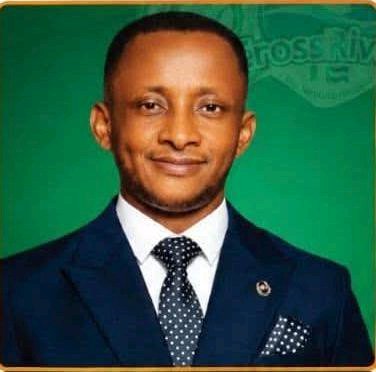
Relief has swept through the medical community in Cross River State following the discovery of Dr. Ogbeche Adinya Joseph, a resident doctor at the University of Calabar Teaching Hospital (UCTH), who had been missing for about four months.
Dr. Ogbeche was reportedly found alive in Lagos State three days ago after one of his colleagues unexpectedly spotted him, bringing an end to months of uncertainty and anxiety over his whereabouts.
According to reports confirmed by CrossRiverWatch, the colleague recognised the missing doctor while in Lagos and immediately called out his name in surprise. The unexpected encounter reportedly resulted in an emotional reunion after several months without contact.
Following his discovery, Dr. Ogbeche was said to have been taken for a comprehensive medical examination to assess his physical and mental well-being.
The doctor’s disappearance in July 2026 had triggered concern among his family members, friends and colleagues, prompting the Association of Resident Doctors (ARD), UCTH, to launch a public appeal for assistance.
In October, the association circulated a missing-person notice, disclosing that Dr. Ogbeche was last seen at the National Orthopaedic Hospital, Igbobi, Lagos. His last known residence was also linked to the Nigerian Army quarters.
The association had appealed to members of the public, security agencies and medical professionals to provide useful information that could help establish his whereabouts and facilitate his safe return.
However, despite the extensive search efforts, his whereabouts remained unknown until his colleague reportedly stumbled upon him in Lagos.
As of the time of filing this report, details surrounding the circumstances of his disappearance, the reasons for his prolonged absence and how he remained out of contact with his family and colleagues have not been officially disclosed.
Meanwhile, the news of his discovery alive has brought considerable relief to the medical community, with colleagues and well-wishers expressing gratitude that he has been found and is receiving medical attention.
Missing UCTH Doctor Found Alive in Lagos After Four Months
metro
Four Feared Dead as Omo-Agege Escapes Assassination Attempt in Delta Campaign Attack

Four Feared Dead as Omo-Agege Escapes Assassination Attempt in Delta Campaign Attack
UGHELLI, Delta State — At least four people are feared dead, while several others sustained gunshot injuries after suspected political thugs attacked the campaign entourage of former Deputy President of the Senate, Senator Ovie Omo-Agege, in Delta State on Monday.
Omo-Agege reportedly escaped unhurt after security operatives swiftly evacuated him from the scene of the attack in Uduere community, Ughelli North Local Government Area.
The former lawmaker is seeking to return to the Senate to represent Delta Central Senatorial District under the platform of the Nigeria Democratic Congress (NDC), the same political party on whose platform former Anambra State Governor, Peter Obi, is contesting the 2027 presidential election.
According to eyewitness accounts and preliminary information from the campaign organisation, the attack occurred while Omo-Agege and his supporters were conducting a campaign tour of the community.
The suspected attackers, reportedly armed with firearms and other dangerous weapons, allegedly stormed the campaign venue and opened fire on party supporters, triggering panic and confusion.
The sudden shooting threw the gathering into chaos as supporters, residents and other attendees reportedly scrambled for safety.
The Omo-Agege campaign organisation confirmed casualties from the incident, identifying two of the deceased as members of the former deputy Senate president’s campaign team.
They were identified as his Personal Assistant, Moses Anaughe, and a Niger Delta youth leader, Umukoro Efemena Kelly, popularly known as General Akima.
Several other victims reportedly sustained serious gunshot injuries and were rushed to nearby hospitals for emergency medical treatment.
Videos circulating on social media showed disturbing scenes of pandemonium, with residents, journalists and party supporters running for cover as gunshots rang out.
The latest attack has heightened concerns over the growing tension and political violence in Delta State ahead of the 2027 general elections.
In recent weeks, Omo-Agege and the NDC presidential candidate, Peter Obi, have reportedly raised concerns over repeated attacks on their supporters and campaign activities in the state.
Both politicians have called on the Inspector-General of Police and the Delta State Police Command to intervene, investigate the incidents and bring those responsible to justice.
As of the time of filing this report, heavily armed security personnel had reportedly been deployed to Ughelli North to restore calm and prevent further violence.
However, the Delta State Police Command had yet to issue an official statement detailing the circumstances surrounding the attack or confirming whether any suspects had been arrested.
The reported killing of campaign aides and other supporters has once again raised questions about the safety of political candidates and their supporters as political activities gather momentum ahead of the 2027 elections.
Four Feared Dead as Omo-Agege Escapes Assassination Attempt in Delta Campaign Attack
metro
Fani-Kayode Raises Alarm Over Deaths of Nigerians in South Africa, Demands Action
Fani-Kayode Raises Alarm Over Deaths of Nigerians in South Africa, Demands Action
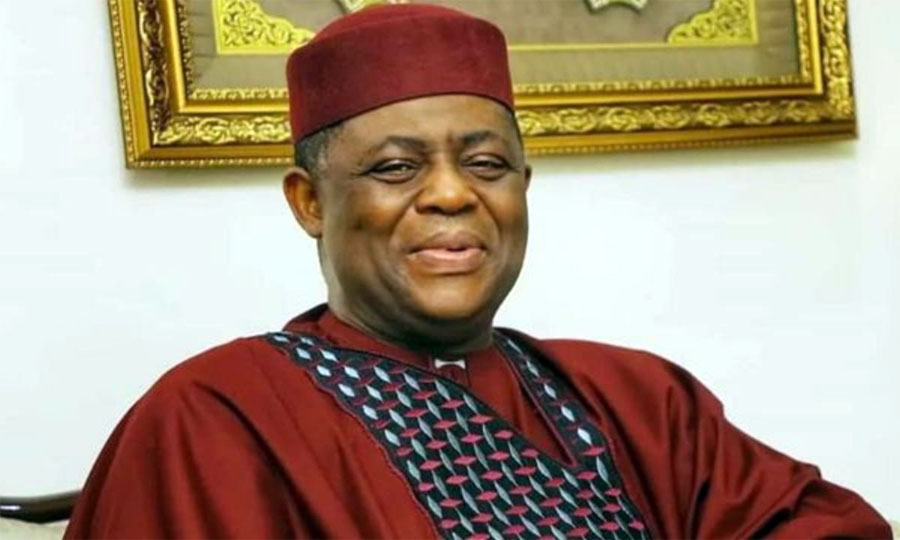
Nigeria’s Ambassador to South Africa, Femi Fani-Kayode, has raised fresh concerns over the safety of Nigerians living in the country, demanding urgent action over reported deaths, alleged police brutality and recurring anti-foreigner sentiments targeting Nigerian nationals.
Fani-Kayode, in a statement issued on Monday, November 23, 2026, disclosed that at least 12 Nigerians have reportedly died in South Africa in 2026 in incidents allegedly connected to xenophobic attacks, anti-migrant protests and police brutality.
The Nigerian envoy stressed that protecting the lives, dignity and welfare of Nigerians residing in South Africa remains a major responsibility of his diplomatic assignment.
He maintained that Nigeria’s commitment to maintaining cordial diplomatic, political and economic relations with South Africa should not prevent the government from speaking out whenever the safety and rights of its citizens are threatened.
“As ambassador, I would be failing in my responsibility if I did not raise concerns about the treatment of Nigerians in South Africa,” Fani-Kayode was quoted as saying.
He further identified unresolved investigations into the deaths of Nigerians, alleged misconduct by some South African security personnel and anti-Nigerian statements by certain organisations as matters requiring urgent attention.
The ambassador also rejected attempts to portray Nigerians living in South Africa as criminals, arguing that the actions of a few individuals should not be used to stigmatise an entire community.
He noted that thousands of Nigerians in the country were law-abiding professionals, including doctors, lawyers, academics and entrepreneurs, who contribute positively to South African society.
Fani-Kayode also cautioned against interpreting the activities of groups expressing anti-Nigerian sentiments as representing the views of the majority of South Africans.
He urged both countries to address the growing tensions through dialogue, mutual respect and sustained diplomatic engagement.
The envoy commended Nigerian community organisations in South Africa for their efforts in defending the interests of compatriots, supporting vulnerable Nigerians and drawing attention to cases requiring diplomatic intervention.
He equally encouraged Nigerian business owners and investors to sustain and expand their investments in South Africa while extending support to fellow citizens facing difficulties.
Diplomatic Tensions Between Nigeria and South Africa
Fani-Kayode’s latest intervention comes amid renewed diplomatic tensions between Nigeria and South Africa following disagreements over his presentation of diplomatic credentials to South African President Cyril Ramaphosa.
On November 17, South Africa’s Department of International Relations and Cooperation (DIRCO) confirmed that its Director-General, Zane Dangor, had met with the Nigerian envoy to express concerns over developments surrounding the ceremony and his subsequent public comments.
South African authorities also emphasised the need for diplomatic representatives to conduct official communications through established diplomatic channels. DIRCO +1
The controversy followed Fani-Kayode’s allegation that his speech was excluded from a presidential ceremony livestream, a claim that generated exchanges between Nigerian and South African officials.
Despite the disagreements, both countries have reiterated the importance of preserving their longstanding diplomatic relationship.
Earlier reports indicated that at least 12 Nigerians had been killed in South Africa in 2026, bringing the reported number of Nigerian deaths in incidents linked to violence and xenophobia since 2022 to 112.
Reaffirming his commitment to protecting Nigerians abroad, Fani-Kayode maintained that strengthening bilateral relations, promoting economic cooperation and defending the rights and dignity of Nigerian citizens would remain central to his diplomatic assignment.
Fani-Kayode Raises Alarm Over Deaths of Nigerians in South Africa, Demands Action
-

 metro3 days ago
Hoodlums Descend on Tinubu’s Praise Singer Rarara at Abuja Mosque, Tear His Clothes
-

 metro1 day ago
Chibok Girl Escapes After Eight Years in Boko Haram Captivity, Reveals 20 Classmates Still Held
-

 metro3 days ago
Jimmy Odukoya Sues Sister, Church Trustees Over Removal as Senior Pastor
-

 Education3 days ago
UNILAG Gets 10 CNG Buses as FG Expands Campus Transport Scheme to 60 Institutions
-

 Politics23 hours ago
Kwankwaso Made Me Swear on Qur’an to Join APC After Election Victory — Gov Yusuf Reveals Tinubu Deal
-
 Politics3 days ago
2027: Tinubu Urges Oyo Voters to Stick With APC, Promises More Development
-

 metro3 days ago
Tinubu’s Chicago University Row Deepens as Fresh Findings Cast Doubt on Pearse’s Lecturer Claims
-

 Politics2 days ago
‘Makinde Should Call Wike Uncle, Not Me’ – Ogun Fires Back