
News
Int’l Widows’ Day: Foundation calls for legal, economic support for widows

Int’l Widows’ Day: Foundation calls for legal, economic support for widows
Lagos, June 23: A non-governmental organisation, Pa Philip Akintoye Development Foundation (PAPADEF), has called on the Federal Government to urgently review and amend laws that continue to harm widows across the country.
The Chief Executive Officer (CEO), PAPADEF, Mr Akintoye Festus, made the call in a statement on Monday in Lagos, to commemorate the International Widows’ Day.
The day, observed by the United Nations since 2011, is celebrated annually on June 23, to raise awareness about the challenges widows face and to push for their rights to be respected and protected.
Festus said that the theme for this year’s commemoration is, “Beyond Grief: Rebuilding Lives, Strengthening Communities, and Challenging Stigma.”
According to Festus, the theme calls for urgent attention to the many challenges widows face every day—especially in rural areas where harmful traditional practices remain common.
The PAPADEF CEO noted that many widows in Nigeria are suffering in silence due to outdated laws and cultural practices that deny them inheritance rights, economic opportunities, and protection.
Festus said that it was time to include widows in national development plans and policy-making processes.
READ ALSO:
- Iranians call for retaliation after US strikes
- Protest in Lapai after gunmen killed IBB varsity student
- JJ Okocha advises Osimhen on next club to join
“Widows are part of our society — they are mothers, caregivers, and contributors to the economy. But many are treated unfairly and pushed aside.
“Many widows are treated unfairly after losing their husbands. Some are denied access to property, forced into harmful rituals, blamed for their husbands’ deaths, and pushed into poverty,” he said.
Festus noted that thousands of widows are left homeless, jobless, and in deep emotional distress after losing their husbands, with little or no legal support.
“Some widows are still being forced to undergo harmful traditional practices or blamed for their husbands’ deaths. These things must stop,” he said.
He described the situation as a hidden crisis, with millions of women suffering in silence.
Festus said that although there are between 15 and 21 million widows in Nigeria, many of them remain invisible in national planning, data collection, and public discourse.
He urged lawmakers to harmonise civil and customary laws, particularly around inheritance and property rights, to stop the cycle of abuse and neglect.
The PAPADEF CEO said that real change can only happen when widows are protected by law and empowered to rebuild their lives.
He stressed that widows are not weak or helpless—they are mothers, caregivers, farmers, teachers, and entrepreneurs who just need support to live in dignity.
“Widows are not looking for pity. They want the right to live freely, to earn a living, and to raise their children in peace,” Festus added.
Festus also encouraged the government to include widows in poverty alleviation programmes, job creation schemes, and health and social services.
He said: “No widow should be invisible in our development plans. Their voices matter, their lives matter.”
He explained that widows often face serious problems like loss of property, no access to healthcare or education, and are sometimes victims of violence or forced remarriage.
READ ALSO:
- Tinubu moves to retain Shettima as VP for 2027
- NNPC hikes petrol price to N945 in Abuja, N915 Lagos
- Gunmen hijack bus with several passengers in Benue
Festus said that many widows are hardworking mothers, businesswomen, and caregivers but are often treated as if they do not exist.
“Widows are not invisible, and their pain should not be ignored. We must see them, hear them, and support them,” he added.
Festus advised that widows should be given economic help, such as business support and job training.
He called for the provision of mental health support, grief counseling and legal services, especially in rural areas.
He also recommended the inclusion of widows in leadership and policy-making roles.
The PAPADEF CEO also appealed to traditional and religious leaders to speak out against dehumanising widowhood practices and help build a more compassionate culture.
“Ending stigma starts with changing how we think and talk about widows. We need to listen to their stories and support their journeys,” Festus said.
He said that the foundation would continue to fight for widows and ensure no woman is left behind.
“Let this International Widows’ Day be more than a ceremony. Let it spark real change. We want a Nigeria where widows are not shamed or ignored, but respected and empowered,” he said.
PAPADEF, is an NGO working for women, children, and community development, and has supported over 500 widows in Nigeria through legal help, business training, health services, and mental health support.
Int’l Widows’ Day: Foundation calls for legal, economic support for widows










News
Plateau Palm Sunday Massacre: US Lawmaker Warns Nigeria
Plateau Palm Sunday Massacre: US Lawmaker Warns Nigeria
The United States lawmaker, Riley Moore, has issued a strong warning to Nigerian authorities following a deadly Palm Sunday attack in Jos, Plateau State, describing it as part of a disturbing pattern of attacks on Christians during religious observances. Moore, reacting via his X handle, stated that at least 10 Christians were killed in Jos, adding: “Radical Islamic terrorists opened fire on the Christians before hacking them to pieces with machetes. This is sickening and unacceptable, but it’s not surprising.”
He warned that such incidents are increasingly recurrent. “This tragedy follows a pattern of radical Islamic terrorists massacring Christians on Holy Days. In fact, terrorists have attacked Christians in Nigeria on every single holy day in recent memory,” he said. The lawmaker urged the Nigerian government to take immediate and decisive action, saying, “Abuja knows this pattern and they must massively ramp up security for the Triduum and Easter. If they don’t take this threat seriously and mobilise to defend our brothers and sisters in Christ, blood of these martyrs will be on their hands, and there will be significant consequences for Nigeria’s relationship with the United States.”
READ ALSO:
- Cars Torched as South Africans Protest Alleged Nigerian ‘Igbo King’ Coronation
- AI Facial Recognition Error: Grandmother Wrongfully Jailed for Five Months
- El-Rufai Alleges Plot to Arrest Brother to Force Negotiation
The violence took place on March 29, 2026, in Gari Ya Waye, Angwan Rukuba, Jos North Local Government Area, when suspected gunmen on motorcycles opened fire on residents. Eyewitnesses described chaos and panic, with families fleeing as the assailants moved through crowded streets, targeting civilians, traders, and passersby. State authorities confirmed that 27 people were killed and many others injured in the attack. Following the tragedy, Plateau State Governor Caleb Mutfwang imposed a 48-hour curfew in affected areas and directed security agencies to intensify efforts to apprehend the perpetrators.
The attack prompted widespread outrage, with residents defying the curfew to protest and demand improved security. Civic groups and community leaders condemned the killings, calling for urgent action to protect civilians. The Christian Association of Nigeria (CAN) decried the attacks, demanding accountability and highlighting the repeated targeting of Christian communities during religious holidays.
Moore’s warning underscores the international attention on security challenges in Nigeria’s Middle Belt, where violence from armed groups and communal conflicts remains a persistent threat. Analysts say attacks like the Palm Sunday killings risk eroding confidence in Nigeria’s ability to protect its citizens and could strain diplomatic relations with key allies such as the United States.
Plateau Palm Sunday Massacre: US Lawmaker Warns Nigeria
News
UK, US, France Among 10 Nations Granting Agrément to Nigerian Ambassadors

UK, US, France Among 10 Nations Granting Agrément to Nigerian Ambassadors
The Federal Ministry of Foreign Affairs has announced that it has secured agrément (formal approval) from 10 countries for Nigeria’s newly appointed ambassadors‑designate, marking a significant step in the country’s diplomatic engagements. The ministry confirmed the development in a statement released by its spokesperson, Kimibie Ebienfa, noting that approvals from additional nations are still being awaited.
The 10 countries that have granted consent so far include the United Kingdom, France, United States of America, Ireland, Qatar, Republic of Benin, Ethiopia, Djibouti, Senegal, and Sierra Leone. According to the ministry, these approvals clear the way for the ambassadors‑designate to begin official duties once they are inducted.
Ebienfa said that details of the formal induction ceremony would be announced once final confirmations are received from the presidency. She explained that the process of receiving agrément is ongoing, and the Ministry is actively following up with other host countries.
READ ALSO:
- Aiyedatiwa Sacks All Political Aides, Plans 1,000 New Appointments
- Tinubu Appoints Senator Ibrahim Ida as CAC Chairman, Names Seven NPC Commissioners
- Naira Slides to ₦1,415 per Dollar in Parallel Market as Official Rate Weakens
“We have received agreements from the United Kingdom, France, United States of America, Ireland, Qatar, Benin Republic, Ethiopia/Djibouti, Senegal, Sierra Leone, among others,” the statement read.
Receiving agrément is a critical step in international diplomacy, ensuring that host countries formally accept ambassadorial nominees before they present their credentials. It signifies official recognition and allows envoys to begin their diplomatic duties.
This announcement comes after President Bola Ahmed Tinubu approved the posting of 65 ambassadors‑designate and high commissioners to key global missions, reinforcing Nigeria’s commitment to strengthening bilateral relations, trade partnerships, and citizen services abroad. Some high-profile postings among the approved nations include the United Kingdom, United States, and France, which are strategic for Nigeria’s diplomatic and economic interests.
With the approvals in place, the Ministry of Foreign Affairs is now preparing to induct the ambassadors-designate, ensuring that Nigeria’s missions abroad are fully staffed and able to advance foreign policy priorities, support Nigerian citizens, and bolster international cooperation.
UK, US, France Among 10 Nations Granting Agrément to Nigerian Ambassadors
News
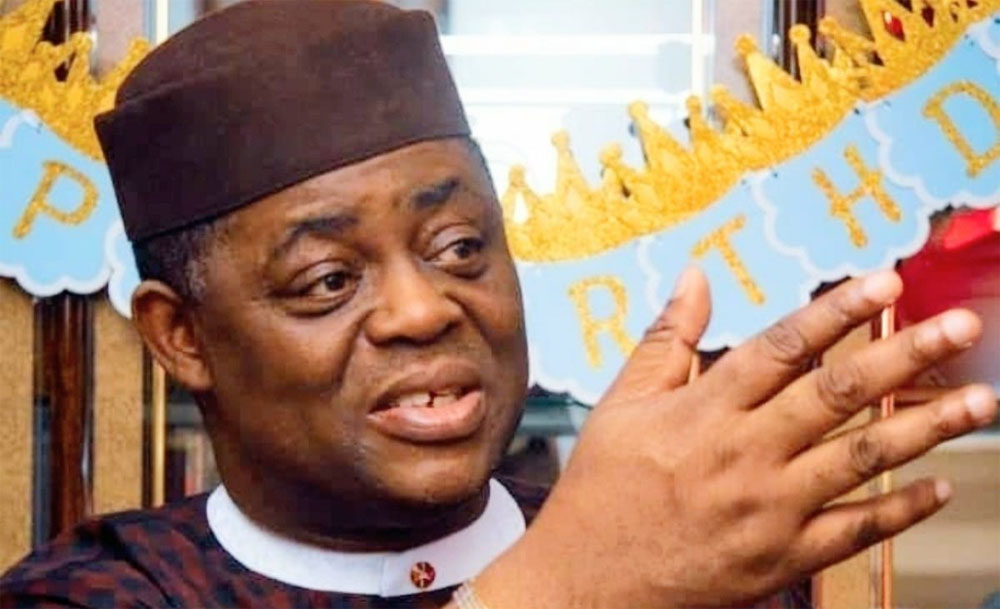
Fani-Kayode fires back, denies Germany snub over ambassadorial posting
Fani-Kayode fires back, denies Germany snub over ambassadorial posting
Former Minister of Aviation, Femi Fani-Kayode, has strongly refuted reports alleging that his ambassadorial nomination was turned down by the German government, describing the claims as false and politically motivated.
An online publication, Peoples Gazette, had earlier reported that German authorities declined his posting over concerns tied to alleged ethnic and religious remarks, as well as what it described as a “controversial track record.”
The report claimed the decision was taken on March 13, 2026, citing unnamed officials who reportedly raised issues about his “erratic behaviour” and past comments deemed divisive and potentially destabilising. It further suggested that the former minister could be reassigned to another country, possibly South Africa.
Bola Tinubu had previously approved Fani-Kayode’s nomination as an ambassador-designate to a Central European nation, as part of broader diplomatic postings.
Reacting swiftly via his official X (formerly Twitter) account, Fani-Kayode dismissed the claims as “fake news,” insisting that no such rejection had occurred. He accused unnamed opposition figures of orchestrating a smear campaign aimed at derailing his appointment.
According to him, critics unsettled by his nomination are actively pushing narratives to discredit him and frustrate the process.
“Fake news everywhere. These opposition elements are so pained by my appointment, and they are doing everything to discredit me and scuttle it,” he wrote, adding, “Whether they like it or not, I will serve my country.”
The development adds a fresh layer of controversy to Nigeria’s ongoing ambassadorial appointments, with official clarification from the Federal Government or German authorities yet to be issued.

-

 Entertainment21 hours ago
Funke Akindele, Toyin Abraham Spark Reactions Over Alleged Snub at Iyabo Ojo’s Premiere
-

 metro1 day ago
Jos Attack: Plateau Govt Declares 48-Hour Curfew After Deadly Assault
-

 metro3 days ago
Tragedy in Aramoko: Trailer Rams Residential Building, Kills 300‑Level Student
-

 Entertainment3 days ago
Nollywood Actress Declares Love for Ibrahim Chatta, Offers to Pay Her Own Dowry
-

 Entertainment3 days ago
Streamer Peller Escorted Out of Alake of Egbaland’s Palace in Abeokuta
-
 metro3 days ago
ADC Chairman’s Daughter Joins Pro-Tinubu Campaign Organisation
-

 News21 hours ago
UK Raises Visa Costs, Tightens Immigration Rules From April 8
-

 Education6 hours ago
WAEC Releases 2026 WASSCE Timetable for School Candidates