
International
Iranians call for retaliation after US strikes

Iranians call for retaliation after US strikes
US President, Donald Trump’s decision to strike three of Iran’s key nuclear facilities has ignited public outrage across Iran, with citizens demanding a forceful response.
“Iranian people are people of honor, and we will definitely give a strong response.
“We will stand strongly like we have been for the past 40 years,” one protester told CNN.
In central Tehran, large crowds gathered at Enqelab Square on Sunday evening. Footage from state-affiliated Fars News Agency showed people waving flags and chanting, “Down with the USA, down with Israel.”
Hamid Rasaee, a conservative politician, noted that even critics of the regime joined the protests.
“A lot of those standing here chanting slogans against the United States may have been critics of the policies of the Islamic Republic. But today all of us are standing in one line behind the Supreme Leader,” he said.
Trump had previously said he would decide within two weeks whether to respond to Iranian actions—but early Sunday, that window abruptly closed. US bombers and naval missiles struck Iran’s Fordow and Natanz nuclear sites, as well as Isfahan.
READ ALSO:
- Protest in Lapai after gunmen killed IBB varsity student
- JJ Okocha advises Osimhen on next club to join
- Tinubu moves to retain Shettima as VP for 2027
One man in Tehran accused Trump of deception.
“There is no one dirtier than Trump. First, he gives us two weeks’ time, but then after two days he strikes us,” he said.
“We do not have nuclear weapons, so why does he strike us?” he added, referring to Iran’s claim its nuclear program is peaceful.
Another woman said Iran was acting in self-defense.
“We were living our normal lives and they attacked us. If someone strikes the United States, would they not answer? Of course they would.”
Although Fordow lies near the city of Qom, residents said they were unaware of the overnight strikes until morning. Qom lacks an aerial warning system and, like other locations near the targeted sites, remained quiet during the attacks.
Back in Tehran, calls for retaliation grew louder. A Fars compilation of street interviews showed widespread support for military action—especially against US bases in the region or through closure of the Strait of Hormuz.
READ ALSO:
- NNPC hikes petrol price to N945 in Abuja, N915 Lagos
- Gunmen hijack bus with several passengers in Benue
- Iran votes to close Strait of Hormuz after US strikes on nuclear facilities
One woman at Enqelab Square declared:
“I will stay here even if missiles rain down on my head. I will stay here and I will sacrifice my life and my blood for my country.”
A man at a local market said he supported Ayatollah Ali Khamenei fully:
“He’s moving forward for the sake of our land.”
However, not all voices were united. One resident warned that the regime’s failure to respond could backfire.
“They made all these claims, and the whole world saw that (the US) came and easily hit the Fordow and Natanz sites … but Iran was completely silent. No fighter planes took off, no missiles were used.”
“No sane person will stand by someone who is in a weak position, not even their own supporters.”
Iranian-American scholar Mohsen Milani said the strikes could deepen support for Iran’s leadership and reshape its global alliances.
“It could ignite a new wave of nationalism, damage the future of US-Iran relations more than the 1953 coup, accelerate Tehran’s pivot to Russia and China, and fundamentally reshape Iran’s defense, deterrence, and nuclear posture,” he wrote on X.
As tensions mount, many Iranians appear united—at least for now—around a shared demand: respond with strength.
Iranians call for retaliation after US strikes.
(CNN)






International
US Warns Iran Against Closing Strait of Hormuz, Cites “Severe Consequences”
US Warns Iran Against Closing Strait of Hormuz, Cites “Severe Consequences”
Washington, D.C. — The United States has issued a strong warning to Iran over any potential move to shut down the strategic Strait of Hormuz following ongoing military operations in the region, with Secretary of State Marco Rubio cautioning that such an action would attract “severe consequences.”
Rubio, speaking amid heightened tensions in the Middle East, stressed that the vital waterway must remain open to global shipping, describing any attempt by Iran to block access as unacceptable and destabilising.
“The Strait of Hormuz is an international waterway that must remain open,” Rubio said. “If Iran chooses to close it after military operations conclude, it will face serious consequences. The United States will ensure that freedom of navigation is maintained.”
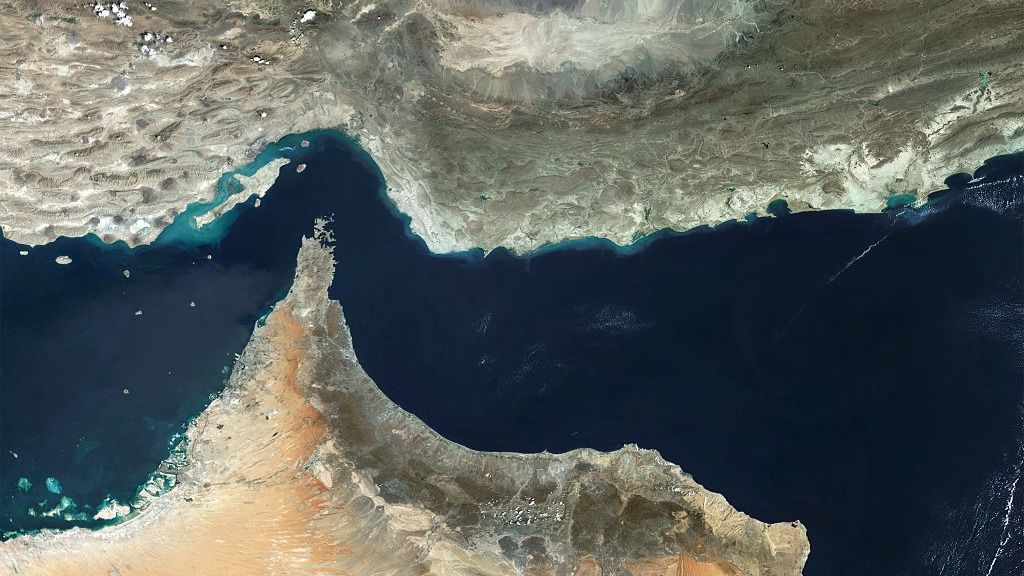
The Strait of Hormuz is one of the world’s most critical oil transit routes, serving as a gateway for nearly a fifth of global petroleum supplies. Any disruption to its operations could send shockwaves through international energy markets and significantly impact global trade.
Tensions have escalated in recent days following military developments involving the United States and its regional allies, alongside growing concerns over Iran’s response. Analysts say Tehran has previously hinted at the possibility of leveraging the strait as a strategic pressure point during periods of conflict.
READ ALSO:
- China Thanks ‘Relevant Parties’ as Ships Cross Strait of Hormuz Amid Tensions
- Osimhen Among Highest-Paid African Footballers in 2026 — See Full List
- Lagos NURTW Chairman Sego Distributes Exotic Cars, Luxury Items to Cabinet Members (Video)
Security experts warn that a closure of the narrow waterway could trigger a broader regional crisis, potentially drawing in global powers and leading to military confrontations at sea. The U.S. Navy, which maintains a strong presence in the region, has historically conducted operations to safeguard commercial shipping routes.
While Iranian officials have not formally announced any decision to block the strait, past rhetoric from Tehran has included threats to disrupt maritime traffic if its national interests are threatened.
In response, U.S. officials reiterated their commitment to maintaining stability and ensuring the uninterrupted flow of commerce. Rubio emphasised that any move to interfere with international shipping lanes would not only affect the United States but also have far-reaching consequences for the global economy.
Observers note that the warning underscores the strategic importance of the Strait of Hormuz and highlights the fragile security situation in the Gulf region. With tensions still simmering, diplomatic efforts are expected to continue alongside military preparedness.
As the situation unfolds, the international community remains watchful, with many nations urging restraint to avoid further escalation in an already volatile region.
US Warns Iran Against Closing Strait of Hormuz, Cites “Severe Consequences”
International
China Thanks ‘Relevant Parties’ as Ships Cross Strait of Hormuz Amid Tensions

China Thanks ‘Relevant Parties’ as Ships Cross Strait of Hormuz Amid Tensions
The government of China has confirmed that three Chinese vessels successfully transited the Strait of Hormuz, expressing appreciation to “relevant parties” for facilitating their safe passage amid heightened geopolitical tensions in the Gulf region.
Speaking on Tuesday, Chinese Foreign Ministry spokesperson Mao Ning described the strait as a “vital corridor for global trade and energy supplies,” reiterating Beijing’s call for an immediate ceasefire and de-escalation of hostilities in the region.
“We express our gratitude to the relevant parties for the assistance provided,” Mao said, without identifying the actors involved, in what analysts interpret as a diplomatic acknowledgment of coordinated security efforts in the waterway.
Chinese Ships Navigate High-Risk Waters
Ship-tracking data confirmed that at least two container vessels operated by COSCO Shipping exited the Gulf on Monday, completing a second attempt after aborting an earlier departure days before due to security concerns. The vessels reportedly sailed in tight formation and at increased speeds, heading toward the Gulf of Oman — a sign of heightened caution amid ongoing threats.
According to maritime data analyst Rebecca Gerdes of Kpler, the ships are among the first non-Iranian container vessels to successfully leave the Persian Gulf since the escalation of conflict, highlighting a cautious reopening of one of the world’s most critical shipping lanes.
READ ALSO:
- Osimhen Among Highest-Paid African Footballers in 2026 — See Full List
- Lagos NURTW Chairman Sego Distributes Exotic Cars, Luxury Items to Cabinet Members (Video)
- Canada Raises Permanent Residence, Citizenship Fees for Nigerians, Others
COSCO had earlier announced on March 25 that it would resume container bookings for shipments between Asia and Gulf destinations, including the United Arab Emirates, Saudi Arabia, Qatar, Kuwait, and Iraq, signaling cautious confidence in maritime security conditions.
Strait of Hormuz Under Pressure
The Strait of Hormuz — through which nearly one-fifth of global oil supply typically flows — has faced significant disruption since the outbreak of hostilities involving Iran, the United States, and Israel beginning in late February.
Security threats, including missile strikes, naval incidents, floating mines, and drone activity, have forced many shipping companies to halt or delay operations, leaving hundreds of vessels stranded and disrupting exports such as Saudi crude oil and Qatari liquefied natural gas.
Despite the risks, some vessels have cautiously resumed transit. Reports indicate that a Greek-operated oil tanker carrying Saudi crude recently exited the Gulf, while Indian-flagged LPG carriers also navigated the route successfully.
To mitigate risks, shipping operators have adopted defensive navigation strategies, including sailing at night, increasing speed, and in some cases switching off tracking transponders to reduce visibility.
China Pushes for Stability
China’s acknowledgment of assistance reflects its broader diplomatic stance, as Beijing continues to advocate for dialogue, restraint, and stability in the Gulf. As one of the world’s largest energy importers, China has a strategic interest in keeping the Strait of Hormuz open and secure.
Analysts say the successful transit of Chinese vessels signals a fragile but important development in global shipping, suggesting that limited movement may resume if security conditions improve — though risks remain high.
China Thanks ‘Relevant Parties’ as Ships Cross Strait of Hormuz Amid Tensions
International
Canada Raises Permanent Residence, Citizenship Fees for Nigerians, Others
Canada Raises Permanent Residence, Citizenship Fees for Nigerians, Others
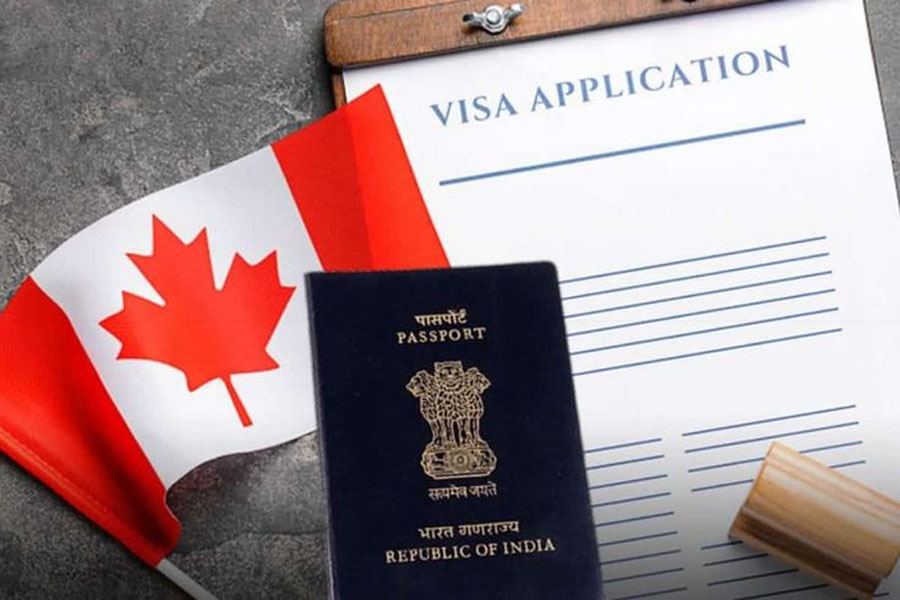
The Government of Canada has announced a significant increase in immigration fees, affecting Nigerians and other foreign nationals seeking permanent residence or Canadian citizenship. The fee hike will take effect on April 30, 2026, for permanent residence applications, while citizenship fees will rise slightly earlier, according to Immigration, Refugees and Citizenship Canada (IRCC).
The agency said the adjustments are part of a routine review to maintain efficient and timely immigration services, keep pace with inflation, and respond to growing demand. Applications received on or after the effective dates will be subject to the new fee structure.
Under the updated schedule, the Right of Permanent Residence Fee will increase from CA$575 to CA$600, while the Provincial Nominee Programme fee rises from CA$950 to CA$990. Business Class applications will see a jump of CA$85, moving from CA$1,810 to CA$1,895, and Family Class applications will increase from CA$545 to CA$570.
READ ALSO:
- Plateau Palm Sunday Massacre: US Lawmaker Warns Nigeria
- Cars Torched as South Africans Protest Alleged Nigerian ‘Igbo King’ Coronation
- AI Facial Recognition Error: Grandmother Wrongfully Jailed for Five Months
Other categories affected include Protected Persons and applications on Humanitarian and Compassionate Grounds or Public Policy Measures, each rising from CA$635 to CA$660. Permit Holders will pay CA$390, up from CA$375, and the Right of Citizenship Fee increases from CA$119.75 to CA$123, effective March 31, 2026.
The IRCC explained that under the Immigration and Refugee Protection Regulations, immigration fees are reviewed every two years to ensure they cover program costs and sustain service delivery standards. While the increases are modest in some categories, the cumulative impact may be substantial for families or applicants submitting multiple applications.
Canada continues to be a preferred destination for Nigerians and other global migrants seeking work, study, or permanent settlement. Experts advise prospective applicants to submit applications before the fee hike to avoid higher costs, particularly for permanent residence, business class, and family sponsorship applications.
Canada Raises Permanent Residence, Citizenship Fees for Nigerians, Others

-

 Entertainment21 hours ago
Funke Akindele, Toyin Abraham Spark Reactions Over Alleged Snub at Iyabo Ojo’s Premiere
-
 metro1 day ago
Jos Attack: Plateau Govt Declares 48-Hour Curfew After Deadly Assault
-

 metro3 days ago
Tragedy in Aramoko: Trailer Rams Residential Building, Kills 300‑Level Student
-

 Entertainment3 days ago
Nollywood Actress Declares Love for Ibrahim Chatta, Offers to Pay Her Own Dowry
-

 Entertainment3 days ago
Streamer Peller Escorted Out of Alake of Egbaland’s Palace in Abeokuta
-
 metro3 days ago
ADC Chairman’s Daughter Joins Pro-Tinubu Campaign Organisation
-
 News21 hours ago
UK Raises Visa Costs, Tightens Immigration Rules From April 8
-

 Education6 hours ago
WAEC Releases 2026 WASSCE Timetable for School Candidates