
Health
Kaduna considers another lockdown as COVID-19 cases rise

The Kaduna State Government says it may close down schools, markets, offices and places of worship and other public areas should the current rate of COVID-19 infection persists.
A statement by the state Commissioner of Health, Dr. Amina Mohammed-Baloni on Saturday gave the warning, following the rise in cases of coronavirus.
The commissioner said, “If the rate of spread retains or exceeds the current pace, then we will have no option than to recommend the temporary closure of public spaces, including schools, markets, offices and places of worship.
She appealed the residents to help stop the spread of the disease and save lives.
He said, “In absolute and relative terms, Kaduna State is now recording high infection figures reminiscent of the first wave of Covid-19 spread in April, May and June 2020.
“The lowering of the infection rate following the first wave encouraged the government to approve the recommendation of the state COVID-19 task force for a significant reopening of the state.
“However, we are saddened to report that the conditions that compelled the 75 day lockdown of the state are now being replicated.”
She recalled that the state on November 26 recorded 74 positive results from 531 samples.
“The quantum of infections since then suggests both high infection rates and the reality that a new wave of infections is spreading across the state,” she added.
The commissioner also said on Friday 11th December, the state recorded 117 positive cases from 518 samples, which she noted amounted to almost one in four samples testing positive.
She stated that the ministry of health expected some increase in infections after the reopening of schools, markets, places of worship and recreational centres, noting however, that the figures easily outstripped estimated projection.
The commissioner said, “While infections cut across age groups, this new wave especially affects those aged between 10 and 35. There is now a veritable danger to lives and livelihoods with the renewed COVID-19 infections.
“If the spread continues at the current rate, it may challenge and overwhelm the health system despite our efforts to improve the resilience of that sector.
“We cannot allow this to happen. Kaduna State contained the first wave because, among other measures, most citizens observed and practised the COVID-19 prevention protocols.”
She urged the people to adopt behaviour that would protect themselves and their families from the infection by voluntarily complying with the COVID-19 protocols.










Health
Resident Doctors Begin Indefinite Strike

Resident Doctors Begin Indefinite Strike
The Nigerian Association of Resident Doctors (NARD) has declared an indefinite nationwide strike, set to begin at 12:00 a.m. on Tuesday, April 7, 2026, following a fresh dispute with the Federal Government over the revised Professional Allowance Table (PAT).
The decision was announced by NARD’s Secretary-General, Shuaibu Ibrahim, after an emergency virtual meeting of the association’s National Executive Council (NEC). According to him, the strike will involve a total and comprehensive withdrawal of services by resident doctors across public hospitals, raising concerns about healthcare disruption in Nigeria.
The crisis is rooted in the Federal Government’s reported decision to halt the implementation of the revised PAT, a payment structure agreed upon after the 2025 doctors’ strike. The Professional Allowance Table (PAT) was introduced to improve doctors’ welfare, covering call duty allowances, shift allowances, rural posting incentives, and compensation for non-clinical responsibilities. Although implementation was initially scheduled for January 2026 and later shifted to February, NARD claims the government now plans to stop the process entirely by April 2026, a move the association says violates prior agreements and erodes trust.
READ ALSO:
- Haaland Hat-Trick Fires Manchester City Past Liverpool in FA Cup Quarter-Final
- Autopsy Confirms Destiny Boy Died from Toxic Substances
- DHQ Reveals Over 60% of Terrorist Fighters Not Ideologically Driven
Beyond the PAT dispute, the resident doctors strike in Nigeria is also driven by unresolved financial obligations. NARD is demanding the immediate reversal of the decision, payment of salary arrears and promotion arrears, release of the 2026 Medical Residency Training Fund (MRTF), and settlement of 19 months’ outstanding professional allowance arrears. Ibrahim stressed that failure to address these issues forced the association into industrial action.
The indefinite strike by resident doctors is expected to severely impact public hospitals in Nigeria, where resident doctors make up a large share of the workforce. The action could disrupt emergency and outpatient services, delay surgeries and medical procedures, increase pressure on private hospitals, and worsen access to healthcare for millions of Nigerians.
This development underscores the recurring tensions between NARD and the Federal Government over doctor welfare in Nigeria, including irregular salary payments and chronic underfunding of the health sector. The association has urged its members nationwide to remain united and committed to the strike until their demands are fully met.
Resident Doctors Begin Indefinite Strike
Health
Men Encouraged to Ejaculate More to Reduce Prostate Cancer Risk
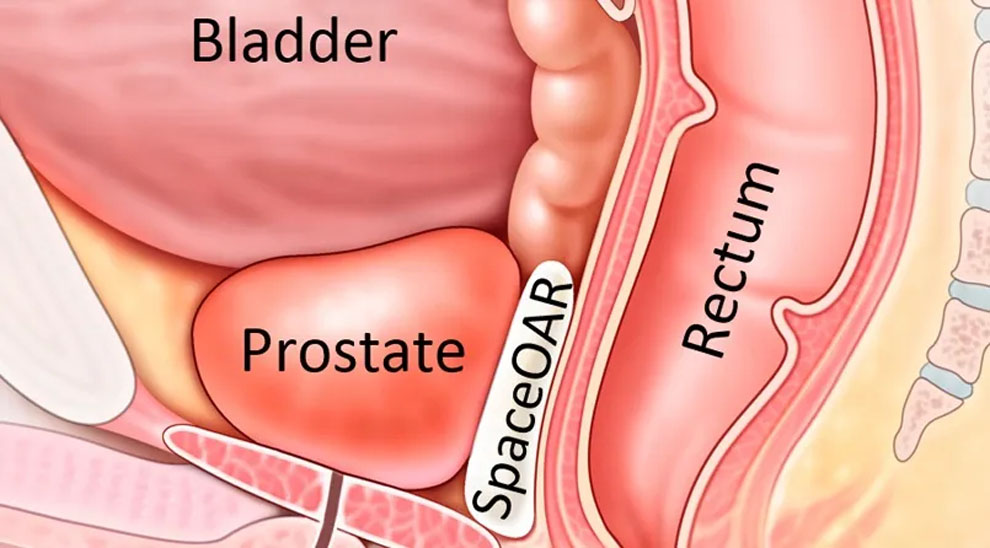
Men Encouraged to Ejaculate More to Reduce Prostate Cancer Risk
A new health initiative by FCancer is encouraging men to increase ejaculation frequency as part of broader efforts to protect prostate health. Branded “Beat Cancer Off,” the campaign promotes at least 21 ejaculations per month, citing research that links higher ejaculation frequency with a lower risk of prostate cancer.
The recommendation is based on a long-term study tracking over 50,000 men since 1986, led by Dr. Lorelei Mucci, a professor of epidemiology at the Harvard T.H. Chan School of Public Health. The research found that men who ejaculated 21 or more times per month had a 19–22% lower risk of prostate cancer than men with lower frequencies. Even men who ejaculated around eight times per month showed modest reductions in risk, demonstrating a potential benefit across a range of activity levels.
While the exact biological mechanisms are still under study, experts believe that frequent ejaculation may help flush out carcinogens, reduce inflammation, or influence gene expression in prostate tissue. Dr. Mucci emphasised that the “21 times” figure is a statistical benchmark rather than a strict requirement, and the key takeaway is that more frequent ejaculation may offer a protective effect.
READ ALSO:
- Fire Engulfs Yaba Market in Lagos, Traders Suffer Huge Losses
- JAMB Debunks 2026 UTME Postponement Rumour, Issues Fraud Warning
- Gunmen Kill Three in Jos Community Hours After Tinubu Visit
FCancer co-founder Yael Cohen explained that the campaign uses humor to engage men in discussions about prostate cancer awareness and screening. “The goal isn’t just frequency — it’s about prompting men to talk to their doctor, get screened, and understand their personal risk,” she said. Cohen highlighted that while the message may seem lighthearted, it serves as a gateway to encourage men to take proactive steps in their health.
According to the American Cancer Society, prostate cancer is the second most common cancer in US men, with about 1 in 8 men diagnosed during their lifetime. It is also the second-leading cause of cancer-related death in men, behind lung cancer. Health experts caution that while ejaculation frequency may offer potential benefits, regular screenings, healthy lifestyle choices, and medical monitoring remain crucial for prevention and early detection.
Ultimately, the campaign seeks to break down barriers surrounding men’s health, highlighting a research-backed approach that combines both preventive habits and medical guidance. As Cohen notes, “It’s about putting your health in your own hands — literally — and then consulting your doctor to stay protected.”
Men Encouraged to Ejaculate More to Reduce Prostate Cancer Risk
Health
NAFDAC Raises Alarm Over Fake Cerelac Mixed Fruits, Wheat in Lagos

NAFDAC Raises Alarm Over Fake Cerelac Mixed Fruits, Wheat in Lagos
The National Agency for Food and Drug Administration and Control (NAFDAC) has issued a fresh public alert warning Nigerians about the circulation of counterfeit and unregistered Cerelac products in Lagos, raising serious concerns over infant health risks.
The agency disclosed that the alert followed a complaint received by Nestlé Nigeria Plc, the official Marketing Authorisation Holder (MAH) of Cerelac in Nigeria. The complaint involved a suspicious batch of Cerelac Mixed Fruits and Wheat bearing Batch Code 308002910, allegedly manufactured by Nestlé Spain.
According to NAFDAC, the complainant reported that the product emitted a strange odour resembling fuel contamination, raising immediate red flags about its safety.
Further investigation by Nestlé Nigeria revealed that although the product displayed an expiry date of October 2026, it had in fact already expired—indicating that the date had been tampered with or revalidated, a common tactic used in the distribution of counterfeit food items.
NAFDAC’s Post Marketing Surveillance (PMS) Directorate subsequently carried out an inspection at Maxland Shopping Centre, Ago Palace Way, Okota, Lagos, where the product was originally purchased. During the operation, officials discovered the fake Cerelac products on sale and immediately mopped them up from circulation.
READ ALSO:
- Lamine Yamal Fires Back: “Mocking Religion Makes You Ignorant, Racist”
- Power Crisis Looms as NLC Shuts AEDC, Protests Sack of 900 Workers
- Fresh Killings, Panic as Curfew Relaxation Backfires in Jos
The agency also highlighted a key distinguishing feature to help consumers identify the counterfeit product:
- Fake product: Uses a hyphen (-) in date formatting
- Original product: Uses a slash (/) in date formatting
NAFDAC noted that Nestlé Nigeria Plc is not aware of the distribution channels through which the counterfeit products entered the Nigerian market, raising further concerns about supply chain breaches.
The regulatory body warned that fake baby food products may lack essential nutrients, vitamins, and minerals, potentially leading to stunted growth, developmental complications, or severe health consequences, including death in extreme cases.
To curb the spread, NAFDAC has directed all its zonal directors and state coordinators nationwide to intensify surveillance and ensure the removal of any revalidated or falsified Cerelac products from circulation.
The agency also urged distributors, retailers, healthcare professionals, and caregivers to remain vigilant and avoid dealing in unverified products.
Consumers and healthcare workers are encouraged to report any suspicious products to the nearest NAFDAC office or through official channels, including the agency’s hotline and email reporting system.
NAFDAC reiterated its commitment to ensuring the quality, safety, and efficacy of regulated products, stressing that it will continue aggressive monitoring to protect public health.
NAFDAC Raises Alarm Over Fake Cerelac Mixed Fruits, Wheat in Lagos

-

 metro2 days ago
Pastor Found Dead in Guest House After Night Out With Married Female Church Member
-

 Health2 days ago
Men Encouraged to Ejaculate More to Reduce Prostate Cancer Risk
-

 Politics2 days ago
Adeleke’s Aide Anisu Resigns, Defects to APC
-

 Politics3 days ago
Wike: PDP Not Financially Ready for 2027 Presidential Election
-

 International1 day ago
Netanyahu Condemns ‘Christian Persecution’ in Nigeria in Easter Message
-

 Entertainment2 days ago
Nollywood Actress Laide Bakare Sets Strict Dating Rules: No Men in Her Home
-

 metro2 days ago
Autopsy Confirms Destiny Boy Died from Toxic Substances
-

 Education2 days ago
JAMB Debunks 2026 UTME Postponement Rumour, Issues Fraud Warning
You must be logged in to post a comment Login