
News
Malami’s Asset Forfeiture Case: Fresh Applicants Challenge EFCC Interim Orders
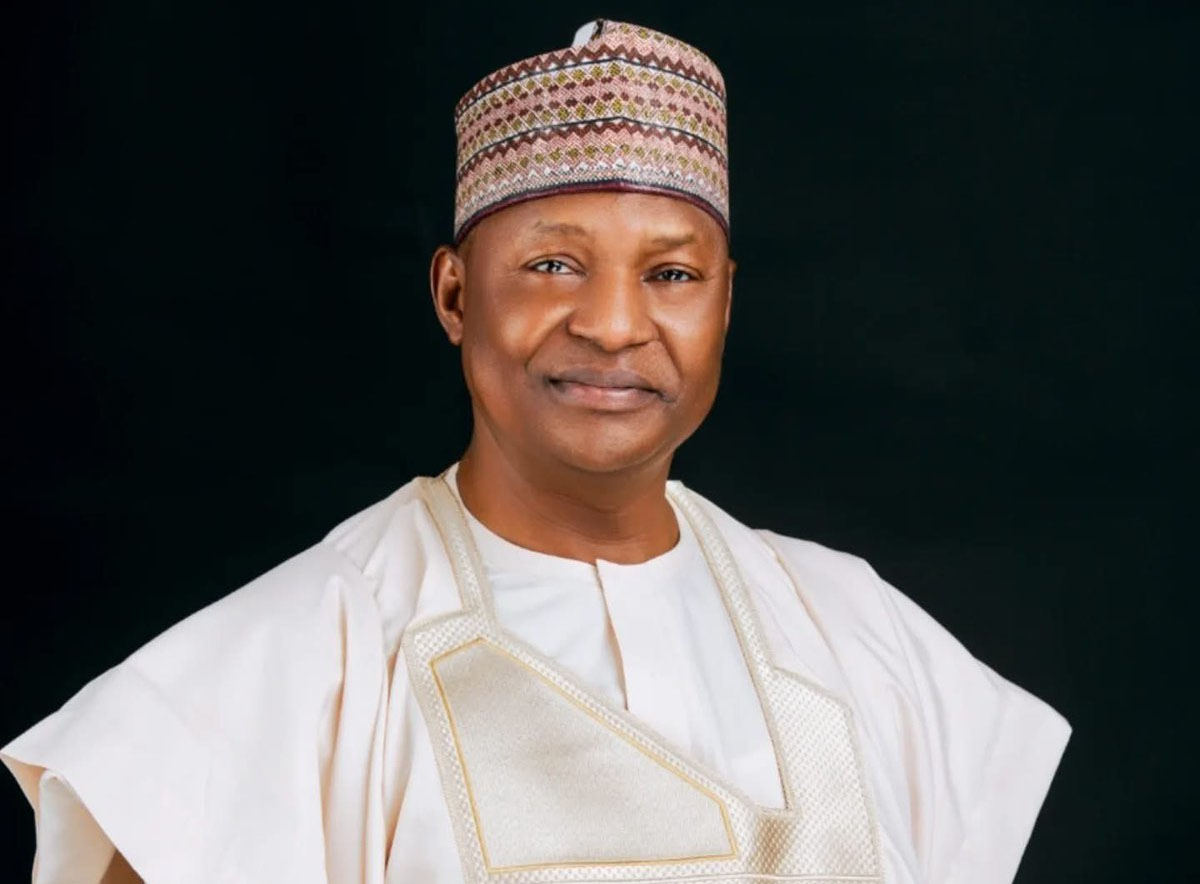
Malami’s Asset Forfeiture Case: Fresh Applicants Challenge EFCC Interim Orders
The legal saga involving former Attorney-General of the Federation (AGF) and Minister of Justice, Abubakar Malami (SAN) has taken a new twist, as fresh applicants have approached the Federal High Court in Abuja to challenge the interim forfeiture order placed by the Economic and Financial Crimes Commission (EFCC) on properties linked to the ex-minister. The initial order, granted on January 6, 2026, by Justice Emeka Nwite, affected 57 properties valued at over ₦213 billion across Abuja, Kebbi, Kano, and Kaduna States, including luxury residences, commercial facilities, factories, and ancillary facilities. The ex parte order, filed through EFCC counsel Senior Advocate Ekele Iheanacho, alleged that the properties were proceeds of unlawful activities.
The latest applicants — Alhaji Muktaka Usman Junju, Rayhaan Bustan, and Agro Allied Limited — have filed motions seeking to set aside the interim forfeiture order, arguing that the EFCC failed to establish any link between their properties and criminal activity, contrary to Section 135 of the Evidence Act and the Advance Fee Fraud Act. Among the properties under challenge are Property 40, Al-Afiya Energy Tanker Garage in Birnin Kebbi, valued at ₦2.45 billion, owned by Junju; Property 1, a luxury duplex in Maitama, Abuja, purchased for ₦500 million with a current valuation of ₦5.95 billion, associated with Rayhaan Limited; and Properties 28–32, comprising factory buildings, staff quarters, equipment, and ancillary facilities under Rayhaan Agro Allied Factory in Kebbi, collectively worth several billions of naira. The applicants are seeking the immediate restoration of possession, control, and enjoyment of their properties, contending that the EFCC did not show any predicate offence linking them to Malami or criminal activity.
READ ALSO:
- SERAP Sues Power Minister, NBET Over Missing ₦128 Billion
- Fresh Bandits’ Raid in Kwara: Two Dead in Midnight Attack
- Leadership Crisis at NAHCON as Chairman Abdullahi Saleh Usman Resigns
Alhaji Junju, through his lawyer Kalu Kalu Agu, submitted that Property 40 was legitimately acquired from an original allottee and had no connection to Malami or Al-Afiya Garage. He argued that the EFCC failed to comply with Section 44(2)(b) of the Constitution, Section 17(1) of the Advance Fee Fraud Act 2006, and Section 5 of the Assets Tracing, Recovery and Management Regulations 2019, rendering the interim forfeiture invalid. Rayhaan Limited, represented by lawyer Joseph Daudu, highlighted that its properties were acquired through legitimate banking facilities from NEXIM Bank, Bank of Industry, and Access Bank, but the interim order had triggered loan recall, revoked bank guarantees, and accruing interest charges, causing significant financial harm. Daudu emphasized that the EFCC failed to link the properties to any unlawful act, amounting to unlawful deprivation of property, denial of fair hearing, and abuse of court process. Malami himself has filed a separate motion seeking to vacate the interim forfeiture on properties tied to him, citing legitimate acquisition, declaration to the Code of Conduct Bureau, and alleged misrepresentation by the EFCC.
The case file has been transferred to Justice Obiora Egwuatu, who has fixed February 12, 2026, for the hearing of the fresh applications and Malami’s motion. Legal observers note that the case has national significance, with potential implications for due process in asset forfeiture proceedings, the powers of the EFCC, and the protection of property rights under Nigerian law. Experts say the outcome could set a legal precedent on how anti-corruption agencies pursue interim orders and enforce forfeiture of assets.
This development comes against the backdrop of a broader investigation into Malami, including money laundering charges involving over ₦8.7 billion. The EFCC’s interim forfeiture order, which initially listed 57 properties spanning residences, commercial estates, and factories, is part of ongoing efforts to recover suspected proceeds of crime, but has now faced multiple legal challenges, highlighting the complexity of balancing anti-corruption enforcement with constitutional rights to property and fair hearing.
As the February 12 hearing approaches, the legal community and public await a ruling that could reshape asset recovery processes in Nigeria, determine the fate of Malami-linked properties, and clarify the extent of judicial oversight over EFCC actions. The case continues to attract intense media scrutiny, reflecting growing interest in transparency, accountability, and rule of law in Nigeria’s fight against grand corruption.
Malami’s Asset Forfeiture Case: Fresh Applicants Challenge EFCC Interim Orders







News
Trump Approves Deployment of 200 U.S. Soldiers to Support Nigeria’s Fight Against Terrorists
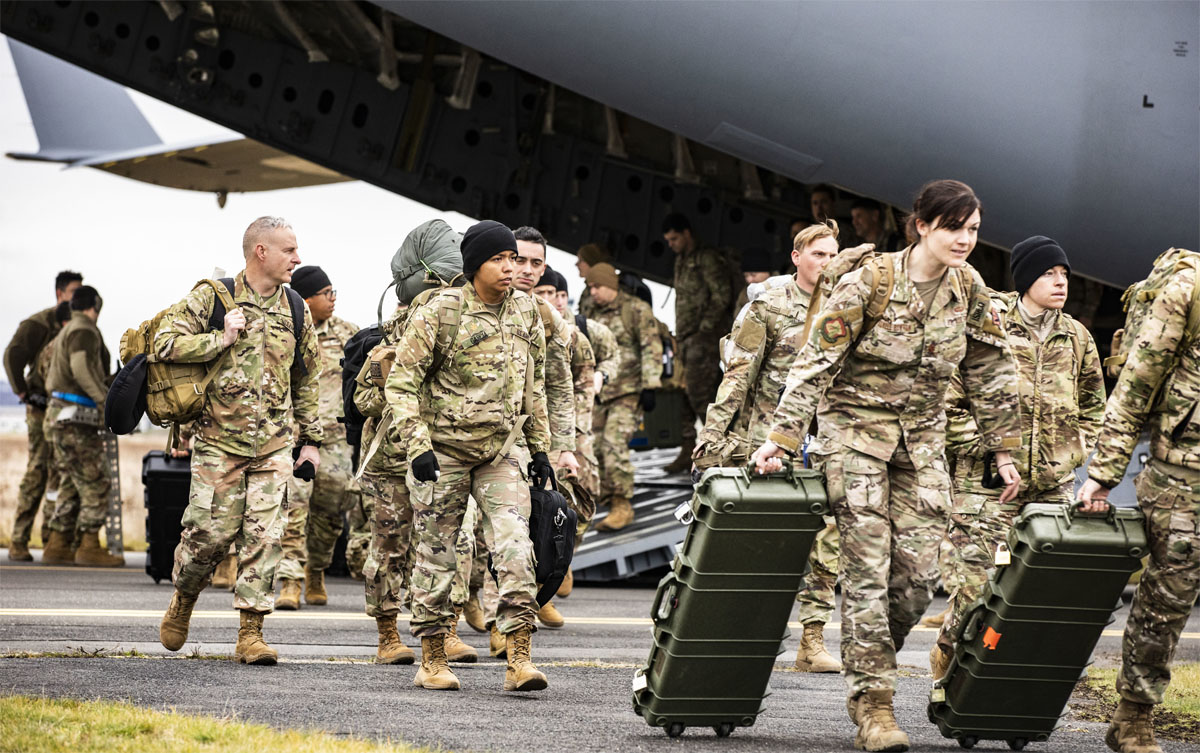
Trump Approves Deployment of 200 U.S. Soldiers to Support Nigeria’s Fight Against Terrorists
President Donald Trump has approved the deployment of 200 U.S. soldiers to Nigeria to assist the country in its ongoing fight against terrorist groups including Boko Haram and Islamic State West Africa Province (ISWAP).
The deployment follows U.S. airstrikes in Sokoto and comes at the request of President Bola Tinubu, reflecting a deepening security partnership between the United States and Nigeria. (gazettengr.com)
The American troops are scheduled to arrive in Nigeria in the coming weeks to provide training and technical guidance to Nigerian forces. The U.S. military will focus on air and infantry operations, intelligence gathering, and joint mission coordination to enhance the effectiveness of Nigeria’s counter-terrorism efforts.
Major-General Samaila Uba, spokesperson for the Nigerian Armed Forces, clarified that the U.S. troops will not engage in direct combat, but will work closely with Nigerian forces to improve strategic operations and rapid response capabilities.
A spokesperson for U.S. Africa Command (AFRICOM) stated, “The terrorist activity in West Africa—and Nigeria specifically—is something we’re incredibly concerned with. We want to partner with capable and willing partners to address these shared security concerns.” (newsmax.com)
READ ALSO:
- Atiku Rejects Mixed Result Transmission
- Two Siblings Arrested for Killing Elder Brother, Burying Him in Imo
- Canada Mass Shooting: Nine Dead in School, Residence Attack
This deployment complements Nigeria’s ongoing counter-terrorism operations, including Operation HADIN KAI (OPHK), which has recorded multiple successes in neutralising insurgents, rescuing kidnapped victims, and recovering weapons caches. (gazettengr.com)
The move comes amid heightened international attention on Nigeria’s security crisis, particularly in the North-East and North-West regions, where terrorist attacks and banditry continue to threaten civilian safety, disrupt communities, and hamper economic activities. (stripes.com)
Local officials and analysts say the U.S. deployment is expected to strengthen intelligence sharing, enhance operational coordination, and improve Nigeria’s military readiness in combating insurgents while maintaining national sovereignty.
The announcement underscores the growing bilateral security cooperation between Nigeria and the United States, highlighting both nations’ commitment to counter-terrorism, regional stability, and civilian protection.
Trump Approves Deployment of 200 U.S. Soldiers to Support Nigeria’s Fight Against Terrorists
News
Senate Bows to Pressure, Mandates Electronic Transmission of Election Results
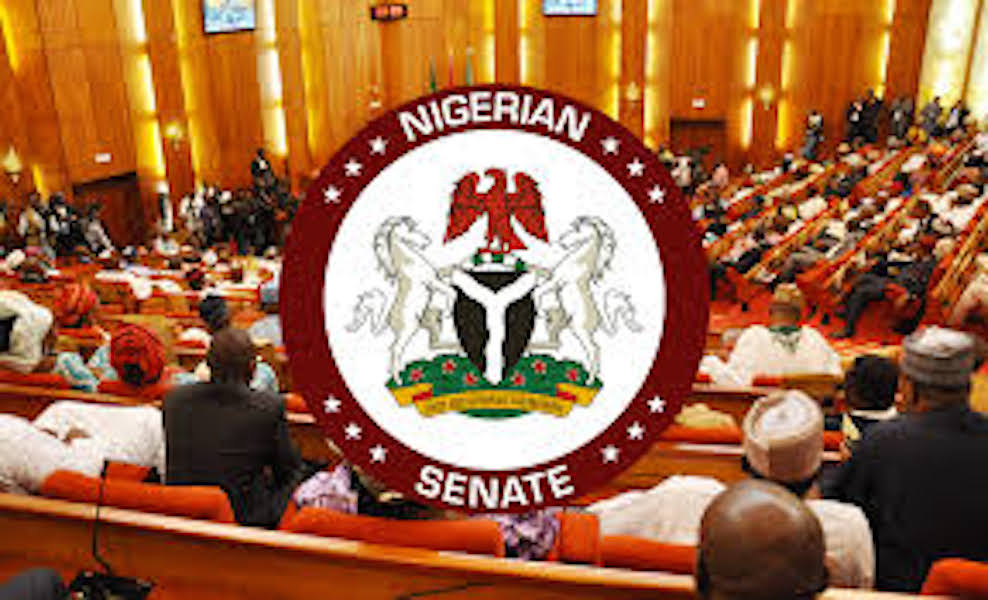
Senate Bows to Pressure, Mandates Electronic Transmission of Election Results
The Nigerian Senate has officially approved the electronic transmission of INEC election results, amending the Electoral Act to modernize the voting process and strengthen election transparency ahead of the 2027 general elections.
The move comes after widespread protests, civil society advocacy, and pressure from political figures, including former presidential candidate Peter Obi, demanding real-time digital transmission of poll results to curb electoral fraud.
Under the amended Clause 60 of the Electoral Act, presiding officers are now required to digitally transmit election results from each polling unit directly to the INEC IReV portal immediately after the EC8A result form is signed and stamped. In situations where network connectivity fails, the signed paper EC8A forms will remain the official source for result collation and declaration.
READ ALSO:
- Iran Warns U.S. Against Israeli Pressure as Nuclear Talks Resume
- Lagos Announces Four-Week Partial Closure of Lagos-Abeokuta Expressway
- Ido-Ayegunle Killings: Monarch Confirms Arrest of Four Suspects
Experts describe the amendment as a major step toward digital voting transparency, though some critics caution that the manual fallback option could limit the full benefits of real-time election result transmission.
The bill will now be harmonized with the House of Representatives version before being sent to the President for assent, signaling a commitment to credible elections and improving public trust in Nigeria’s electoral process.
This legislative update is expected to play a key role in Nigeria 2027 elections, reducing vote manipulation and ensuring that INEC election results are transmitted securely, efficiently, and transparently across the country.
Senate Bows to Pressure, Mandates Electronic Transmission of Election Results
News
Lagos Announces Four-Week Partial Closure of Lagos-Abeokuta Expressway
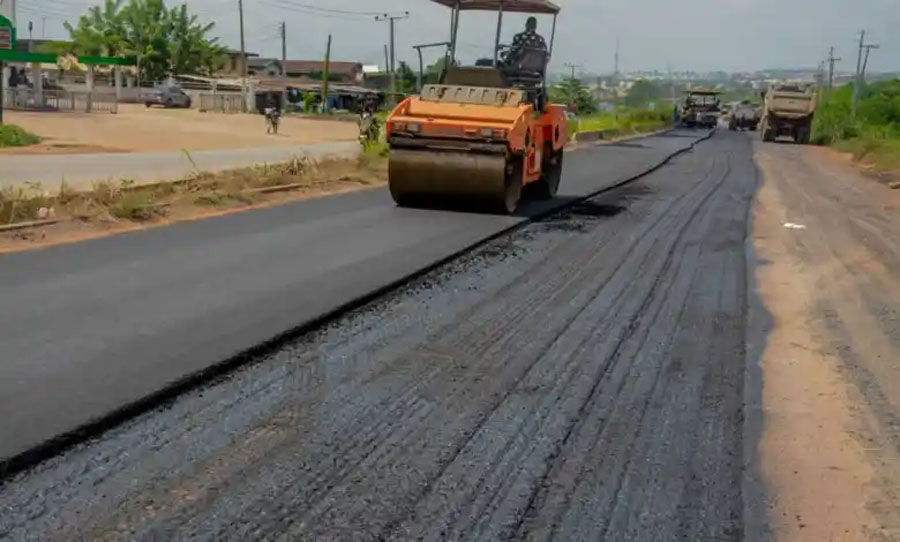
Lagos Announces Four-Week Partial Closure of Lagos-Abeokuta Expressway
The Lagos State Government has announced a partial road closure on the Lagos-Abeokuta Expressway to allow the Federal Ministry of Works carry out critical rehabilitation on failed sections of the road.
The Commissioner for Transportation, Mr Oluwaseun Osiyemi, disclosed this in a statement issued on Tuesday, noting that the repairs would cover the stretch between U-Turn Bus Stop and Sango Tollgate, affecting both inbound and outbound lanes.
According to him, the rehabilitation work will begin on Wednesday, February 11, and end on Wednesday, March 11, spanning a four-week period.
Osiyemi explained that the project would be executed in two phases to minimise traffic disruption.
READ ALSO:
- Ido-Ayegunle Killings: Monarch Confirms Arrest of Four Suspects
- Oyo Muslims Reaffirm Loyalty to Sultan on Islamic Matters — Grand Chief Imam
- US to Deport 18 More Nigerians on ‘Worst-of-the-Worst’ Criminal List (Full Names)
For Phase One, which affects Abeokuta-bound traffic, work will run from February 11 to March 4. During this period, vehicles travelling from Lagos/Abule-Egba toward Abeokuta/Sango Tollgate will be diverted to one half of the carriageway, approximately 20 metres away from the active work zone.
He said rehabilitation would be carried out one lane at a time, with traffic redirected to completed sections as work progresses, while motorists on the Lagos-bound carriageway will continue to enjoy free traffic flow.
Phase Two, which affects Lagos-bound traffic, will take place from March 4 to March 11, covering the stretch from Obadeyi Bus Stop to Ekoro Junction. Traffic from Abeokuta/Sango Tollgate toward Lagos/Abule-Egba will be similarly diverted through half of the road during construction.
Osiyemi assured motorists that adequate traffic management measures would be deployed throughout the duration of the project.
He urged road users to plan their journeys, obey traffic signs, and cooperate with traffic officials, appealing for patience as the repairs are carried out in the interest of public safety.
Lagos Announces Four-Week Partial Closure of Lagos-Abeokuta Expressway

-
 News2 days ago
BREAKING: Tinubu Holds Reconciliation Meeting With Wike, Fubara, Rivers Leaders at Aso Rock
-

 Business2 days ago
BoI Gets CBN Approval to Launch Non‑Interest Banking Window in Nigeria
-

 metro1 day ago
Leadership Crisis at NAHCON as Chairman Abdullahi Saleh Usman Resigns
-

 metro3 days ago
Nnamdi Kanu Orders Permanent End to Monday Sit-at-Home in South-East
-
 News1 day ago
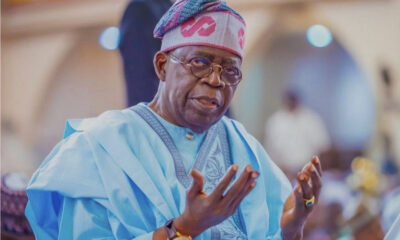
US Judge Orders FBI, DEA to Release Tinubu’s Criminal Records, Faults Delays
-

 News2 days ago
OWN Calls for Immediate Resignation of INEC Chairman
-

 International1 day ago
US to Deport 18 More Nigerians on ‘Worst-of-the-Worst’ Criminal List (Full Names)
-

 News23 hours ago
Oyo Muslims Reaffirm Loyalty to Sultan on Islamic Matters — Grand Chief Imam