

Education
Muslim Girls in Hijab Allegedly Harassed at JAMB Centres Amid UTME 2026 Exams
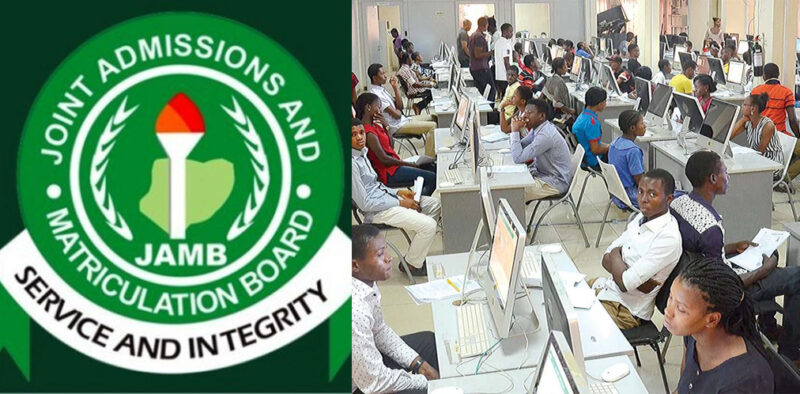
Muslim Girls in Hijab Allegedly Harassed at JAMB Centres Amid UTME 2026 Exams
Reports emerging from parts of Nigeria have sparked widespread concern over alleged harassment of Muslim female candidates wearing hijab during the ongoing 2026 Unified Tertiary Matriculation Examination (UTME) conducted by the Joint Admissions and Matriculation Board (JAMB).
Eyewitness accounts and viral videos circulating on social media claim that some female candidates were allegedly asked to remove their hijab before being allowed into examination halls at certain Computer-Based Test (CBT) centres, particularly in the South-West region. The incidents have triggered heated reactions from parents, religious groups, and civil society organisations.
One widely shared video showed a female candidate at a CBT centre reportedly adjusting and removing her hijab before entering the exam premises, a scene that has been described by critics as humiliating and discriminatory.
Muslim groups have condemned the reported incidents, insisting that the hijab is a protected expression of religious identity and should not be used as grounds for denial of access or intimidation during national examinations. The Muslim Students’ Society of Nigeria (MSSN) reportedly alleged that security personnel at one of the centres attempted to prevent entry of candidates wearing hijab before intervention by officials.
Some observers argue that the actions may have been linked to security concerns or attempts to prevent examination malpractice, as CBT centres are typically required to enforce strict identity verification procedures. However, critics maintain that such measures should not translate into religious profiling or humiliation of candidates.
JAMB, in previous clarifications on similar controversies, has maintained that no candidate should be discriminated against on religious or cultural grounds, and has urged examination centres to strictly follow approved guidelines.
The matter has since generated intense debate online, with Nigerians divided between those calling for stricter examination security protocols and others demanding stronger protections for religious rights in public institutions.
As the UTME continues nationwide, stakeholders are calling on JAMB to investigate the allegations and ensure uniform enforcement of policies across all centres to prevent further incidents.
Muslim Girls in Hijab Allegedly Harassed at JAMB Centres Amid UTME 2026 Exams








Education
25 Universities, Teaching Hospitals Get Solar Power Under REA Programme

25 Universities, Teaching Hospitals Get Solar Power Under REA Programme
Twenty-five federal tertiary institutions have been connected to solar electricity under the Rural Electrification Agency’s (REA) Energizing Education Programme.
The REA Managing Director, Abba Aliyu, disclosed this during the commissioning of a 3MW captive solar hybrid power project at Yakubu Gowon University, Abuja.
According to Aliyu, the programme covers 22 federal universities and three affiliated teaching hospitals and has deployed more than 100MW of clean energy.
He said the initiative now benefits over 300,000 students and 50,000 academic and administrative staff.
READ ALSO:
- Adunni Ade Reveals Christian Fans Unfollowed Her After Publicly Identifying as Muslim
- Jetour Set to Storm Abuja Show with Rugged Luxury T2
- Fiji Declares National HIV Emergency as Diagnoses Surge Sixteenfold
Aliyu added that the new 3MW facility would power key university facilities, including lecture halls, laboratories, ICT systems, administrative buildings and campus lighting.
Meanwhile, Minister of Power Joseph O. Tegbe said reliable electricity was essential to supporting teaching, research, healthcare and digital services in universities.
He stressed that the long-term performance of the solar projects would be more important than their commissioning.
Vice-Chancellor of Yakubu Gowon University, Prof. Hakeem Babatunde Fawehinmi, also said dependable electricity was critical to the institution’s academic and research activities.
25 Universities, Teaching Hospitals Get Solar Power Under REA Programme
Education
Niger State Urges Local Communities to Protect Newly Completed Public Schools
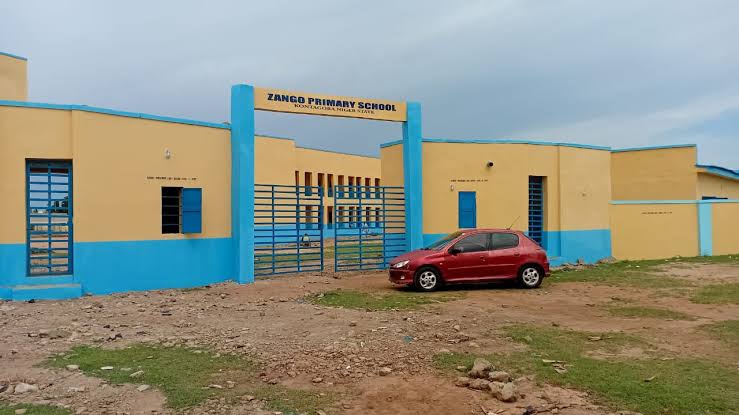
Niger State Urges Local Communities to Protect Newly Completed Public Schools
Basic education officials deliver modern classrooms to help children learn safely, kicking off an ambitious statewide renovation drive.
State education leaders in Niger State are calling on neighborhood residents and parent groups to take good care of newly renovated primary schools.
On Wednesday, the head of the Niger State Universal Basic Education Board, Dr. Ibrahim A. Liman, reminded communities that public classrooms belong to everyone, warning that state funding can only make a lasting difference when local people watch over these shared spaces.
To prepare for handing over the keys, board officials visited Zango Primary School in Kontagora and Richard Lander Primary School in New Bussa. These two locations are the first to finish out of seven model schools currently under construction.
During their visits, team members inspected classrooms to make sure builders followed high safety standards, while encouraging neighbors to keep the grounds secure, tidy, and ready for pupils.
Furthermore, state officials explained that these building projects are part of a larger plan to improve early education across every community. Alongside these new classrooms, the board is starting repair work on about 400 primary schools throughout the state.
In addition to fixing desks and roofs, authorities are upgrading classroom teaching tools and supporting teachers. As a result, children across all backgrounds will have safe, welcoming spaces to learn and grow together.
Niger State Urges Local Communities to Protect Newly Completed Public Schools
Education
LASU, LASUED, LASUSTECH Shut as ASUU Begins Indefinite Strike
LASU, LASUED, LASUSTECH Shut as ASUU Begins Indefinite Strike
Students at three Lagos State-owned universities are facing an indefinite interruption of academic activities after ASUU declared a strike over unresolved demands.
LASU, LASUED and LASUSTECH are affected by the industrial action announced by the union’s Joint Campus Group.
ASUU said it had given the Lagos State Government 14 days from August 31 to address its concerns. According to the union, the deadline expired without a concrete plan or meaningful dialogue.
The union had also issued a final warning on September 10, but said the September 13 deadline passed without talks.
Its main demand is for Lagos State to domesticate and implement the December 2025 Federal Government-ASUU agreement across the three institutions.
ASUU also wants the implementation of welfare provisions, including the Consolidated Academic Tools Allowance for serving and retired academic staff.
The union said the strike would continue until negotiations produce a satisfactory outcome. It also urged students and parents to remain calm.
While the dispute has led to a fresh shutdown in Lagos, another ASUU branch has suspended its strike in Plateau State.
The Plateau State University branch reached an agreement with the state government on issues including the 2025 agreement, outstanding arrears, staff accommodation and other demands. Members are expected to return to academic activities from midnight on September 16.
Meanwhile, ASUU at Taraba State University has issued a fresh 14-day ultimatum to the Taraba State Government. The notice runs from September 14 to September 28 and concerns outstanding provisions of the 2025 Federal Government-ASUU agreement.
LASU, LASUED, LASUSTECH Shut as ASUU Begins Indefinite Strike
-

 Politics3 days ago
2027: Northern Lecturers Back Tinubu, ASUU Disowns Endorsement
-

 Sports2 days ago
‘I Was Never the Chosen One’ — Dembele Responds to Mbappe
-

 International1 day ago
Islamic Council Condemns Attempted Attack on Holy City of Mecca
-

 metro2 days ago
Lagos Power Outage: Ikeja Electric Blames TCN as Businesses, Homes Groan
-
 News1 day ago
Keep Politics Out of My Office — Ogbomoso Grand Chief Imam Warns Politicians, Bloggers
-

 Education2 days ago
JAMB Moves 2027 UTME Time — Here’s What Candidates Need To Know
-

 Politics2 days ago
2027: APC Governors Reject Wike’s Rainbow Coalition, Insist on Party Loyalty
-

 News2 days ago
I Wanted to Disgrace Tinubu — Omokri Reveals What He Discovered at Chicago Varsity