

metro
Muslim Students’ Society of Nigeria (MSSN): From Humble Beginnings to a Pillar of Islamic Leadership
Muslim Students’ Society of Nigeria (MSSN): From Humble Beginnings to a Pillar of Islamic Leadership
The Muslim Students’ Society of Nigeria (MSSN) stands today as one of Nigeria’s most influential Islamic organizations, with a legacy spanning over 70 years. Its history is a testament to vision, discipline, and providence, growing from a small student initiative in Lagos in 1954 to a national institution nurturing Muslim youth, leaders, and scholars across the country.
The society’s founding mirrors the Quranic parable of a splendid tree whose roots are firmly entrenched while its branches spread wide, yielding fruits by Allah’s grace (Q.14:24)—a fitting metaphor for MSSN, which has provided spiritual guidance, education, and leadership opportunities to generations of Nigerian Muslims.
Origins: A Vision for Unity
The idea for MSSN was conceived by Tajudeen Aromasodu, a student of Methodist Boys High School (MBHS), Lagos, inspired by the Muslim Students’ Society of Burma. Aromasodu envisioned an association that would unite Muslim students across Lagos secondary schools, offering a platform to pursue Islamic values, defend religious interests, and cultivate a sense of unity among young Muslims.
On May 30, 1954, the inaugural meeting took place at Ansar-ud-Deen Primary School, Alakoro, Lagos, with 14 pioneering students representing seven prominent schools, including Kings College Lagos, Queens College, Yaba Methodist Boys High School, CMS Grammar School Bariga, Ahmadiyya College Agege, Methodist Girls High School Yaba, and Baptist Academy Obanikoro.
During this meeting, the constitution of MSSN was formally adopted, and the first executive body was elected. Dr. Abdul-Lateef Adegbite was unanimously chosen as the first National President, with Shuaib Oloritu of Kings College and Saidat Anibaba (Professor Mabadaje) of Queens College as the first and second Vice Presidents, respectively. Adegbite’s selection proved pivotal; his leadership, vision, and organizational skills provided stability during the society’s formative years.
Early Challenges and Triumphs
Funding posed one of the society’s earliest challenges. However, the founders displayed remarkable resourcefulness and commitment, levying themselves one shilling per month while also covering transport costs for society-related duties.
READ ALSO:
- Fayose Reveals Alleged Details of Tinubu‑Makinde Meeting
- Nigerian Army Recruit Dies During Training in Zaria
- Tinubu Appoints Ambassadors to US, France, UK, and Turkey to Boost Nigeria’s Diplomacy
By 1956, the society had grown significantly beyond Lagos, with its first national conference in Ijebu-Ode marking its emergence as a truly national body. Northern students such as Shehu Musa, Adamu Ciroma, and Yerima Abdullah joined, bringing diversity and strengthening the society’s influence. Female students, including Lateefat Oyekan (Alhaja Lateefat Okunnu), contributed significantly to the society’s expansion through their indefatigable activities and advocacy.
Annual conferences became a central part of MSSN’s growth. Between 1954 and 1959, conferences were held in Ilesha, Ibadan, and Abeokuta, serving as platforms for religious education, leadership development, and national networking. These conferences helped solidify MSSN’s presence in southern Nigeria while laying the groundwork for expansion to the north and later across the country.
Patrons and Mentors: The Guiding Hands
The society benefited from the mentorship and support of prominent Nigerian figures, who served as patrons and matrons. These included:
- Sir Abubakar Tafawa Balewa, Prime Minister of Nigeria
- Alhaji Ahmadu Bello, Sardauna of Sokoto and Premier of Northern Nigeria
- Alhaji Adegoke Adelabu, Federal Minister
- Alhaji Dauda Adegbenro, Minister in Western Region
- Professor Saburi Biobaku, Academic
- Alhaji M.A. Smith, Traditional Ruler
- Alhaja Humani Alaga and Alhaja A. Shodeinde, Community Leaders
Their contributions provided strategic guidance, credibility, and influence, enabling MSSN to flourish in a politically and socially complex environment.
Dr. Abdul-Lateef Adegbite: The Chief Architect
Dr. Adegbite’s leadership was crucial to MSSN’s success. Serving five consecutive terms as president from 1954 to 1959, he oversaw the society’s growth, discipline, and national expansion. Under his guidance, MSSN navigated potential pitfalls, such as male-female interactions, which were carefully managed according to Qur’anic and Sunnah guidelines.
Providence played a key role in Adegbite’s life, indirectly benefiting MSSN. A clerical error during his primary school admission sent him to Kings College Lagos instead of Government College Ibadan, a twist that positioned him perfectly to lead the society. Later, delays in gaining admission to University College Ibadan allowed him to dedicate more time to MSSN before pursuing law degrees in the United Kingdom, eventually returning as a distinguished scholar and leader.
National Impact and Legacy
By the time Adegbite traveled abroad in 1959, MSSN had become well-established nationally, with most secondary schools in the western region fully integrated and a network of committed members ready to sustain its mission. Over the years, MSSN produced an impressive alumni network including:
- Sultans and Emirs
- Ministers and Governors
- Vice-Chancellors and Professors
- Public servants, legal luminaries, and even former President Umar Musa Yar’Adua
READ ALSO:
- Thai Police Arrest 11 Nigerians in International Romance Scam Crackdown
- El‑Rufai Claims APC Members Are Shielded from Corruption Allegations
- Carney Fires Back at Trump, Declares Canada Thrives on Its Own Strength
Despite its remarkable achievements, MSSN only recently began establishing a permanent national headquarters in Abuja, reflecting continued growth and institutionalization.
MSSN Today: A Living Legacy
From a mustard seed of an idea to a national tree of spiritual, educational, and leadership growth, MSSN continues to impact Nigerian society. Its discipline, structure, and dedication to Islamic principles have fostered generations of youth leadership, moral guidance, and societal contribution.
The story of MSSN is not just a history lesson; it is a parable of providence, vision, and steadfast commitment, illustrating how faith, dedication, and strategic mentorship can transform a small student initiative into a nationally respected institution.
Muslim Students’ Society of Nigeria (MSSN): From Humble Beginnings to a Pillar of Islamic Leadership









metro
‘Attacking Referee Before Match’: Shehu Sani Reacts to Nigerians’ Confrontation With INEC Chairman in UK
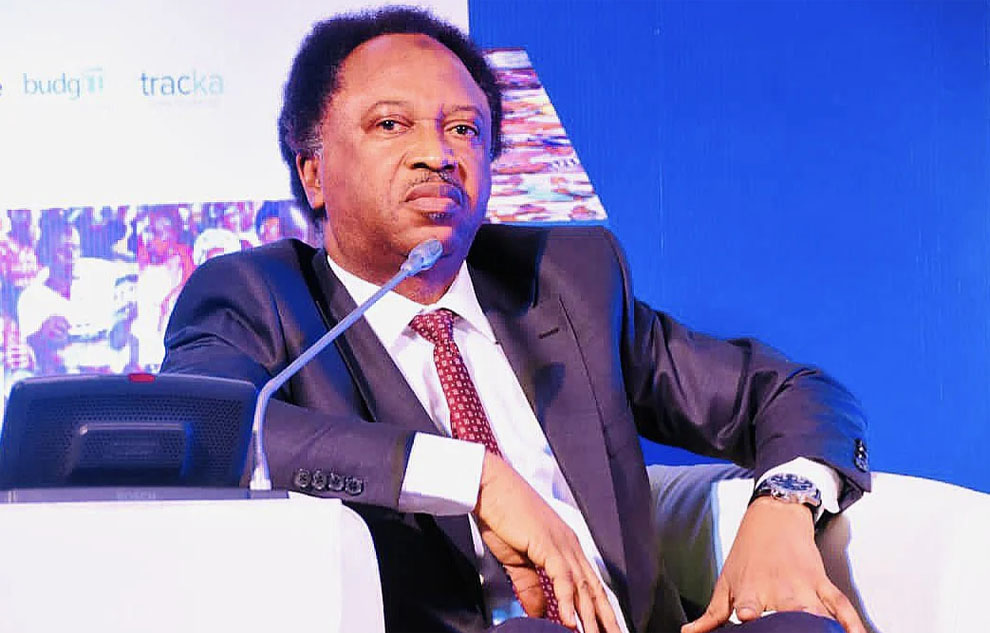
‘Attacking Referee Before Match’: Shehu Sani Reacts to Nigerians’ Confrontation With INEC Chairman in UK
Former Kaduna Central Senator, Shehu Sani, has condemned the reported harassment of the Chairman of the Independent National Electoral Commission (INEC), Professor Joash Amupitan, by a group of Nigerians in the United Kingdom.
Sani’s reaction followed the circulation of a viral video showing Nigerians confronting the electoral commission’s chairman during his visit to the UK, sparking reactions across social media.
The incident has also generated discussions about how public officeholders should be held accountable, particularly when they travel outside the country.
Reacting in a post on his official X account on Friday, Sani questioned why the INEC chairman would be intimidated over an election that had yet to take place.
He likened the conduct of the protesters to the activities of political thugs in Nigeria who disrupt public gatherings, insult people and resort to intimidation.
Sani wrote: “What is the point in intimidating and harassing the INEC chairman in London for an election that is yet to be held?
“What is the difference between their actions and those of thugs who gatecrash, insult and molest others here at home?”
The former senator also expressed concern that the incident could further damage Nigeria’s image internationally, particularly amid negative perceptions of Nigerians in some foreign countries.
He questioned whether such footage was what Nigerians wanted the international community to see, adding that confronting the electoral umpire before the election was equivalent to attacking a referee before a football match.
The confrontation occurred on Thursday, November 12, outside Chatham House in London, where Amupitan had participated in a discussion on Nigeria’s preparations for the 2027 general elections.
The protesters reportedly surrounded the vehicle conveying the INEC chairman, demanding that he address their concerns over alleged irregularities in the preliminary voters’ register.
They reportedly raised issues including suspected duplicate registrations, artificial intelligence-generated photographs and alleged questionable polling units, while calling for greater transparency in the electoral process.
Amupitan remained inside the vehicle as the protesters shouted and demanded that he come out to address them.
The incident has generated widespread reactions, with renewed debate over electoral accountability, the independence of INEC and the appropriate ways of expressing public grievances.
‘Attacking Referee Before Match’: Shehu Sani Reacts to Nigerians’ Confrontation With INEC Chairman in UK
metro
Tragedy: Woman, Four Children Die in Horrific Kaduna Expressway Crash
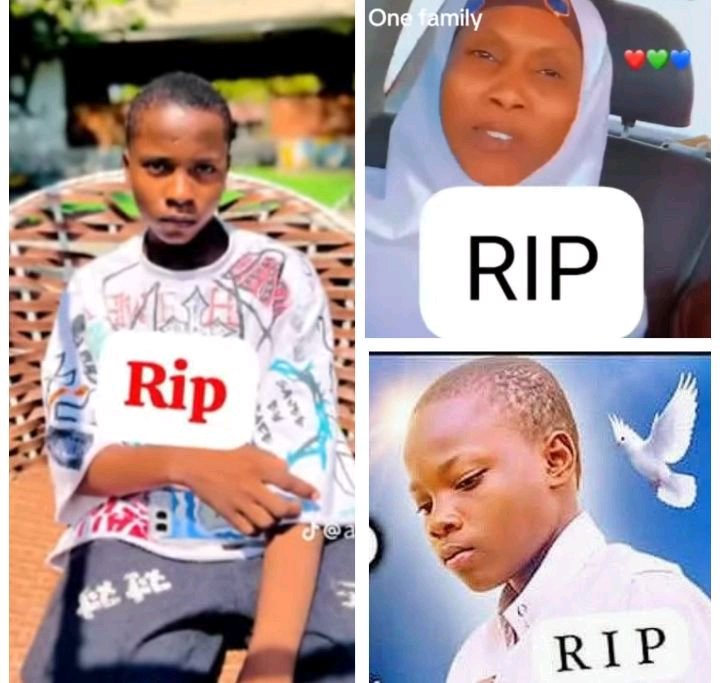
Tragedy: Woman, Four Children Die in Horrific Kaduna Expressway Crash
KADUNA, Nigeria — Tragedy has struck a family following a fatal road accident along the Jere–Kaduna Expressway, claiming the lives of a woman and her four children.
The heartbreaking incident has thrown relatives, friends and members of the community into mourning, with many expressing shock over the devastating loss.
According to reports, the woman and her four children died in the crash, which reportedly wiped out five members of the same family in a single tragedy.
Details surrounding the circumstances of the accident, including the exact time it occurred and its possible cause, remain sketchy as of the time of filing this report.
The incident was confirmed by individuals close to the family, including one Idris Abdulkarim, while tributes and condolence messages have continued to pour in following news of their deaths.
The tragedy has once again drawn attention to the dangers associated with road travel and the need for motorists to exercise caution on major highways.
As of the time of publication, further details about the victims’ identities and the circumstances surrounding the crash were yet to be officially established.
Tragedy: Woman, Four Children Die in Horrific Kaduna Expressway Crash
metro
Oyo Police Arrest Serving Corporal, Eight Others in Cultism, Kidnapping Crackdown
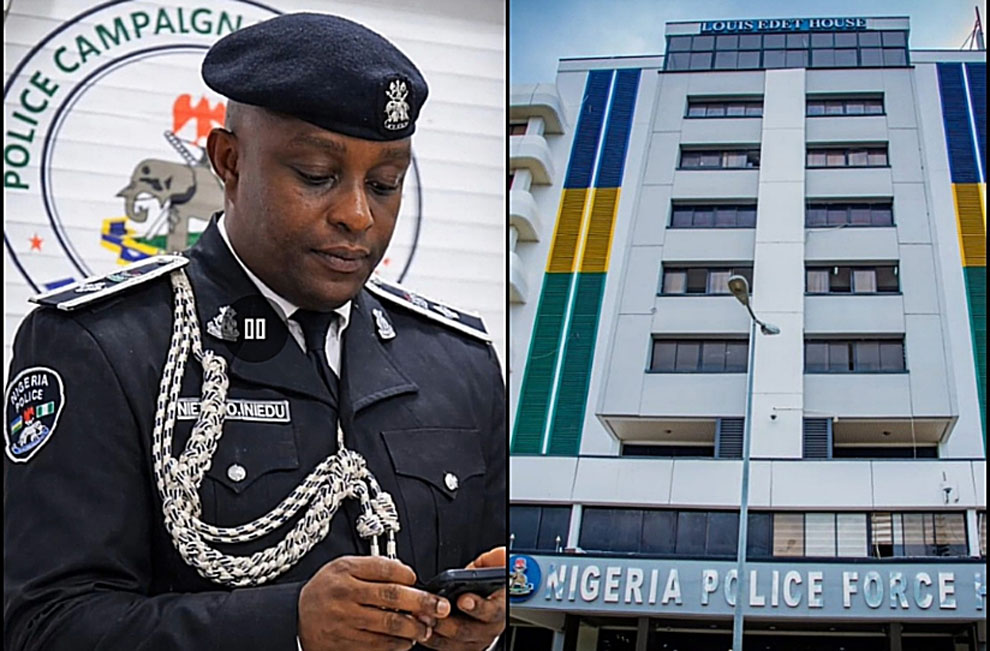
IBADAN – The Oyo State Police Command has arrested a serving police corporal and eight other suspects in separate operations targeting alleged cultism and kidnapping in the state.
The arrests followed a raid on a suspected Aiye Confraternity hideout and a separate operation that led to the rescue of a 30-year-old kidnap victim from a forest.
The Force Public Relations Officer, Ani Iniedu, disclosed the development in an operational report released on Thursday, November 12, 2026.
Iniedu said operatives of the Command Monitoring Unit, Oyo Operational Base, raided the suspected cult hideout on November 8 and arrested five people.
One of the suspects was identified as Corporal Olayinka Oluwatobi, with force number 538195. He was reportedly attached to MOPOL 72, Ago-Are, and seconded to Sports Eleyele in Ibadan.
Other suspects arrested during the operation included Ayandiran Samuel, identified by the police as the group’s alleged armourer, and Adeyinka Qudus, whom the police described as the suspected cult leader.
The police said operatives recovered an English-made Beretta pistol and three locally fabricated firearms during the raid.
READ ALSO:
- 2027 Election: Atiku’s ADC Candidacy Hangs in Balance as Court Ruling Remains in Force
- FG Moves to Scrap 269 Obsolete Laws, Prepares 663 Others for NASS Review After 22 Years
- Toluwanisings: Envy + Jealousy = Wickedness
The case has since been transferred to the State Criminal Investigation Department (SCID) in Ibadan for further investigation.
In a separate operation on the same date, police operatives working with the Vigilante Group of Nigeria (VGN) rescued a 30-year-old man, Abubakar Amidu, from Oteon/Odi Owo Forest.
According to the police, Amidu was abducted on October 31, 2026, and was rescued unhurt on November 8 after security operatives conducted an operation in the forest.
Four suspects were arrested in connection with the kidnapping. They were identified as Abdullahi Bello, Mohammed Kontagora, Alhaji Ali and Usman Alhaji Ali.
The police said the victim’s mobile phone and a chain and padlock allegedly used to restrain him were recovered during the operation.
The command said investigations into both incidents were ongoing, while efforts were being intensified to identify and apprehend other individuals who might be connected to the alleged crimes.
The arrest of a serving police officer among the suspects has also drawn attention to the need for accountability within the security services as authorities continue efforts to tackle cult-related violence, kidnapping and other criminal activities in Oyo State.
The suspects remain allegations under investigation, and their guilt can only be established by a court of law.
Oyo Police Arrest Serving Corporal, Eight Others in Cultism, Kidnapping Crackdown
-
 International2 days ago
US Lawmakers to Hold Fresh Hearing on Nigeria’s Insecurity, Christian Killings
-
 metro2 days ago
Court Orders Final Forfeiture Of 48 Properties Worth N212bn Linked To Malami
-

 metro2 days ago
Ogbomosoland Grand Chief Imam, Sheikh Teliat Ayilara II, Marks Five Years in Office
-

 News2 days ago
Tinubu’s Chicago Varsity Certificate Row: Omokri Challenges Journalists to Verify Fresh Allegations
-

 Auto2 days ago
After-Sales Support Will Define Future of Nigeria’s Auto Industry – Carloha Marketing Chief
-

 News1 day ago
BREAKING: Manchester United Sack Michael Carrick After Disastrous Start to Season
-
 metro2 days ago
Agunbiade Celebrates Oyo Grand Chief Imam Akeugberu at One, Says His Impact Equals a Decade
-

 metro2 days ago
Two Arrested as Police Recover ₦600,000, Nine Phones in Kano Robbery