

metro
NDLEA Busts Abuja Drug Networks, Arrests 132 Suspects in Massive Raid
NDLEA Busts Abuja Drug Networks, Arrests 132 Suspects in Massive Raid
The National Drug Law Enforcement Agency (NDLEA) has intensified its nationwide crackdown on drug trafficking and substance abuse, arresting 132 suspects and recovering more than 220 kilograms of illicit drugs during a major operation across the Federal Capital Territory, Abuja.
The large-scale anti-drug operation, which lasted for two weeks, was carried out between April 11 and April 25, 2026, targeting notorious drug joints, black spots and distribution hubs believed to be fuelling criminal activities and substance abuse within the nation’s capital.
According to the agency, the coordinated raids were jointly conducted by operatives of the Directorate of Operations and General Investigation (DOGI) and the NDLEA FCT Strategic Command after weeks of intelligence gathering, surveillance and monitoring of identified hotspots.
The operation led to the dismantling of several notorious drug dens located in Torabora Hills, Area 3, Gwarinpa, AYA, Durumi, Banex, Dei-Dei, Kubwa, Apo, Kwali, Gwagwalada, Wuse Zone 4, Garki Area 10, Jabi and the Suleja axis, among other locations.
The NDLEA disclosed that a total of 220 kilograms of assorted illicit substances were recovered during the raids.
Among the substances seized were 214.79 kilograms of skunk, a potent strain of cannabis, 5.524 kilograms of Diazepam, 2.352 kilograms of Exol, 1.119 kilograms of Tramadol, 145.8 grams of Mogadon, 93.52 grams of cocaine, 84.3 grams of Rohypnol, 10.9 grams of methamphetamine, 3.17 grams of ecstasy and six bottles of codeine syrup.
READ ALSO:
- May Day 2026: NLC, TUC Threaten Nationwide Shutdown Over Insecurity
- Peter Obi ‘Not a Serious Candidate for 2027’ — Former Supporter Declares
- Atiku, Obi, Kwankwaso are Tinubu’s most reliable campaigners, By Farooq Kperogi
The agency said operatives encountered stiff resistance from suspected traffickers and dealers during operations carried out in parts of Durumi Area 1 and the Suleja market axis.
However, NDLEA officers successfully subdued the suspects and dismantled the criminal distribution networks without recording any casualty.
The anti-drug operation is being described as one of the agency’s biggest enforcement actions within Abuja in recent months as authorities intensify efforts to combat rising substance abuse and drug-related crimes.
Briefing the Chairman and Chief Executive Officer of the NDLEA, Brigadier General Mohamed Buba Marwa (retd.), the Director of Operations and General Investigation, DCGN Ahmed Sule Ningi, praised the professionalism, coordination and resilience displayed by officers involved in the raids.
Ningi stressed the importance of sustaining pressure on drug trafficking syndicates and criminal networks operating within the Federal Capital Territory.
He noted that intelligence-driven operations remain critical to disrupting the activities of traffickers and reducing the availability of illicit substances in urban centres.
In his response, Marwa commended the officers, men and women of the agency for their commitment to sanitising Abuja and protecting residents from the dangers associated with hard drugs and narcotics.
The NDLEA chairman directed that the operational strategy used during the FCT raids should be replicated in other high-risk cities across Nigeria as part of broader efforts to suppress both the supply and demand of illicit drugs nationwide.
The agency has intensified enforcement actions across the country in recent months amid growing concerns over increasing drug abuse among young people and the link between narcotics trafficking and violent crimes such as cultism, armed robbery, kidnapping and gang violence.
Security experts have repeatedly warned that the spread of hard drugs continues to fuel insecurity and criminal activities in several parts of Nigeria.
The latest Abuja operation also highlights the Federal Government’s ongoing push to strengthen intelligence-led policing and dismantle organised criminal networks operating in major urban centres.
NDLEA Busts Abuja Drug Networks, Arrests 132 Suspects in Massive Raid








metro
Saudi Arabia Rejects Nigeria’s Request for More 2027 Hajj Slots
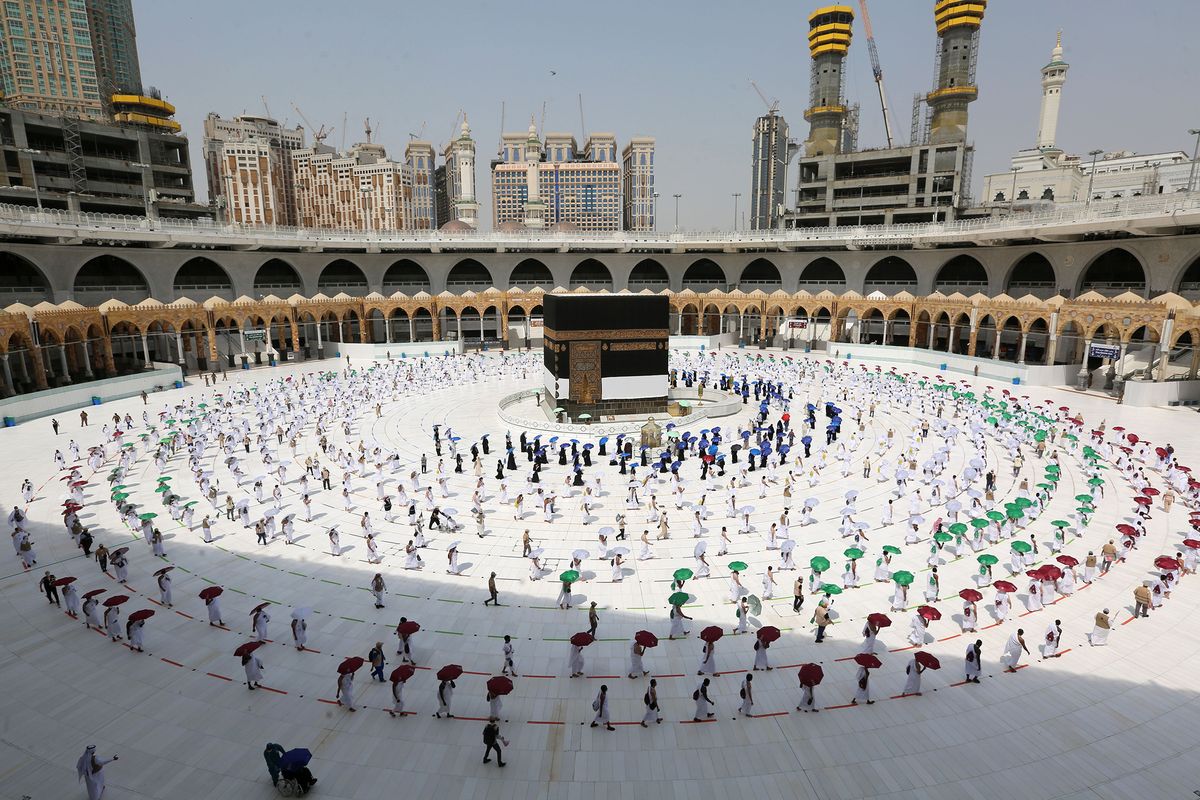
Saudi Arabia Rejects Nigeria’s Request for More 2027 Hajj Slots
Saudi Arabia has rejected Nigeria’s request for an increase in its 2027 Hajj quota, leaving the country with an approved allocation of 50,000 pilgrims for next year’s pilgrimage.
The National Hajj Commission of Nigeria (NAHCON) disclosed the development after formally engaging the Saudi Ministry of Hajj and Umrah to seek additional slots in response to growing demand among intending Nigerian pilgrims and appeals from several state pilgrims’ welfare boards.
The Saudi authorities declined the request, citing capacity limitations, structural constraints at the holy sites and the Kingdom’s policy of maintaining approved country quotas under its existing operational framework.
The decision means Nigeria’s 2027 Hajj allocation will remain at 50,000 places, comprising 35,000 slots for government pilgrims and 15,000 slots for licensed private Hajj tour operators.
NAHCON Chairman and Chief Executive Officer, Ambassador Ismail Abba Yusuf, said the commission understood the disappointment the decision could cause intending pilgrims and state pilgrims’ welfare boards that had expected an increase.
Yusuf said the commission had explored available diplomatic and operational channels in an effort to secure an upward review but would respect the decision of the Saudi authorities.
He urged state pilgrims’ welfare boards, relevant agencies and licensed tour operators to make transparent and judicious use of their approved allocations while complying with the timelines established by NAHCON and the Saudi authorities.
A major deadline now facing stakeholders is September 26, 2026, when the uploading of prospective pilgrims’ details on the designated Saudi Nusuk-Masar platform is scheduled to close.
NAHCON has warned that the deadline will not be extended and has urged state boards, tour operators and other representatives to ensure that all required pilgrim information is submitted before the cut-off date.
The commission has also advised Nigerians who are unable to secure a place under the 2027 Hajj quota to consider registering for the 2028 pilgrimage, noting that registration for the subsequent Hajj season has already opened.
READ ALSO:
- MURIC Warns FG: Any Move Against Atiku Now Lacks Tact
- Jetour T1 Storms Abuja as Automaker Accelerates Nigeria Expansion
- Kidnapped Female Police Officer Found Dead in Ebonyi as Suspect Leads Police to Remains
The quota decision comes as preparations for the 2027 pilgrimage continue under tighter registration and payment timelines.
NAHCON had earlier approved 2027 Hajj fares ranging from ₦7,560,822 to ₦7,882,822, depending on the pilgrims’ departure zone.
The Maiduguri/Yola zone has the lowest fare of ₦7,560,822, while the Northern Zone fare is ₦7,672,822 and the Southern Zone has the highest fare at ₦7,882,822.
The commission said the fares were determined after consideration of prevailing exchange rates and service costs.
Intending pilgrims who had previously paid ₦5 million are required to settle the outstanding balance applicable to their departure zones to complete their registration.
States are also expected to complete the remittance of the 2027 Hajj fares by December 2, 2026.
NAHCON has separately clarified the distribution of the 50,000 approved slots following reports alleging that 5,000 Hajj slots had been diverted.
The commission rejected the allegation and said the approved allocation consists of 35,000 slots for the states and Federal Capital Territory and 15,000 for duly licensed private Hajj operators operating under seven approved lead companies.
NAHCON urged private operators with concerns about the allocation process to use established regulatory and dispute-resolution channels rather than relying on allegations about the distribution.
The commission’s clarification comes as licensed operators are required to meet Saudi registration requirements and comply with the prescribed digital-upload timelines.
Meanwhile, NAHCON has warned intending pilgrims and tour operators against individuals demanding money in exchange for supposedly guaranteed or “special” Hajj slots.
The commission said no individual, agent, tour operator or other person was authorised to demand a facilitation fee or additional payment to secure a special 2027 Hajj allocation.
It advised members of the public to make payments only through officially designated channels and to report suspicious demands to law enforcement agencies.
The warning is particularly relevant given the limited number of available places and the demand for the pilgrimage.
NAHCON said failure to meet the published deadlines for pilgrim data uploads and payment could result in the forfeiture of allocated Hajj slots, regardless of assurances from unauthorised individuals.
The commission has also indicated that further information on the operational guidelines and implementation of the new business-to-business framework for the 2027 Hajj will be communicated through its official channels.
For Nigerian pilgrims and Hajj administrators, the immediate task is therefore to work within the fixed 50,000-slot allocation, complete the required registration processes and meet the Saudi and NAHCON deadlines.
The September 26 deadline applies to the uploading of prospective pilgrims’ data, while December 2 is the deadline set for states to complete remittance of the required 2027 Hajj fares.
With Saudi Arabia declining Nigeria’s request for additional places, the country will proceed with the 2027 Hajj under the existing 50,000-pilgrim quota.
Saudi Arabia Rejects Nigeria’s Request for More 2027 Hajj Slots
metro
Three Young Herders Killed, Two Missing in Plateau Attack
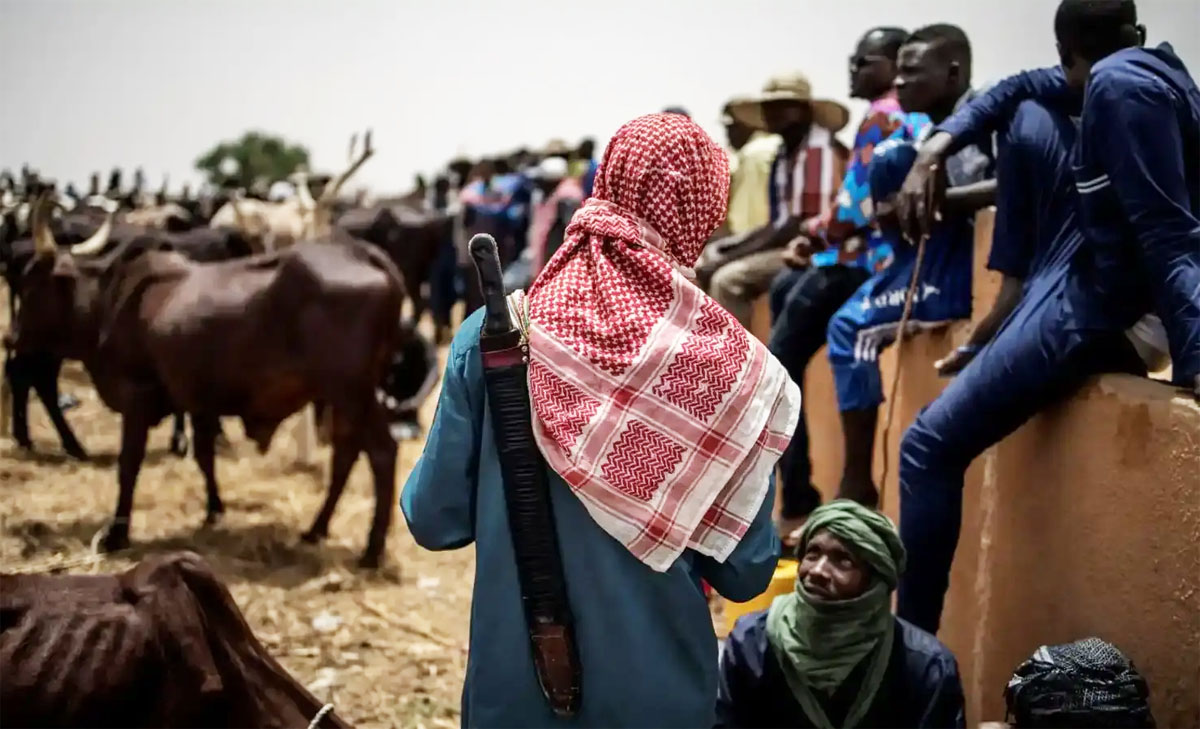
Three Young Herders Killed, Two Missing in Plateau Attack
Three young herders have been killed and two others reported missing after suspected gunmen attacked a group tending cattle in the Aloghom area of Mangu Local Government Area, Plateau State.
The attack occurred on Saturday, September 12, 2026, in the Sabon Gari district of Mangu, an area that has experienced repeated incidents of violence involving farming and herding communities.
The victims were identified as Garzali Shaibu, 18; Bashiru Yakubu, 14; and Salim Abubakar, 15.
According to reports citing a military situation report, troops of Operation Enduring Peace were alerted after receiving information that herders grazing in the area had come under attack. Soldiers deployed from Sabon Gari subsequently moved to the location and recovered the bodies of the three victims.
Surviving members of the group reportedly told the troops that two other herders were unaccounted for, prompting efforts to establish their whereabouts.
The attack also resulted in significant losses of livestock. A situation report cited by security-focused publication Zagazola Makama put the number of cattle killed at 36, while 12 others were reportedly found with gunshot wounds. Community sources, however, estimated that about 50 cattle were killed in the attack.
The differing figures could not immediately be reconciled, but reports agree that the incident caused substantial losses of livestock belonging to the affected herding community.
Hashimu Yahaya, coordinator of the Fulbe Fulani Development Association in Mangu, identified the three victims and condemned the killings.
The Plateau State chairman of the Miyetti Allah Cattle Breeders Association of Nigeria (MACBAN), Ibrahim Yusuf Babayo, also condemned the attack and called for an investigation into the killings.
READ ALSO:
- JAMB Allows Candidates to Change Lost SIM, Email Addresses
- How Nigerians Can Get Federal High Court Affidavit Online Without Visiting Court
- Plateau Violence: Several Killed as Fresh Attacks Trigger Mass Exodus
Community representatives alleged that the attackers were members of a militia suspected to be operating in the area. That allegation has not been independently established, and the identities of the attackers and their motive remained under investigation.
There were also allegations that security personnel from another agency were present around the area during the incident but failed to intervene. The claim was reported as an allegation and had not been independently verified.
Security personnel reportedly recovered empty tear-gas canisters from the scene as troops intensified patrols and other operations in the area.
The military also warned against any attempt by members of the affected community to retaliate, amid concerns that the killings could trigger further violence between communities.
The latest incident came amid a fresh series of attacks in Plateau State, particularly in Mangu and neighbouring areas.
The state government subsequently condemned fresh attacks recorded in Mangu and a separate attack at Dungus Junction in Jos South Local Government Area, while urging residents to reject reprisals and cooperate with security agencies.
The violence has also occurred against the backdrop of efforts by security agencies and community stakeholders to mediate disputes between farmers and herders.
In Bokkos Local Government Area, for instance, troops of Operation Enduring Peace recently facilitated a settlement between farmers and herders after farms in Dambwash, Danbukor and Fokko were reportedly destroyed. Under the agreement, affected herders paid N4.5 million in compensation to 38 farmers, according to reports citing the military situation report.
Despite such interventions, recurring attacks continue to raise concerns over the security of farming and herding communities in Plateau.
The three slain herders were later buried in Mangu following funeral prayers at the Mangu Central Mosque, with community leaders using the occasion to appeal for calm and government action. Security personnel present at the burial reportedly urged residents to allow investigations into the killings to continue and avoid retaliatory attacks.
The killings have renewed concerns about the vulnerability of young people involved in livestock production and the wider impact of prolonged insecurity on livelihoods in Plateau.
For residents of Mangu and surrounding communities, the immediate concern remains preventing the incident from triggering another cycle of reprisal violence, while security agencies face pressure to identify those responsible, establish the fate of the two missing herders and strengthen protection for communities at risk.
Authorities have not publicly established the identities of the perpetrators, and investigations into the circumstances surrounding the attack remain ongoing.
Three Young Herders Killed, Two Missing in Plateau Attack
metro
EFCC Opens Mambilla Probe as Atiku, Malami, Others Named in ICC Arbitration Award
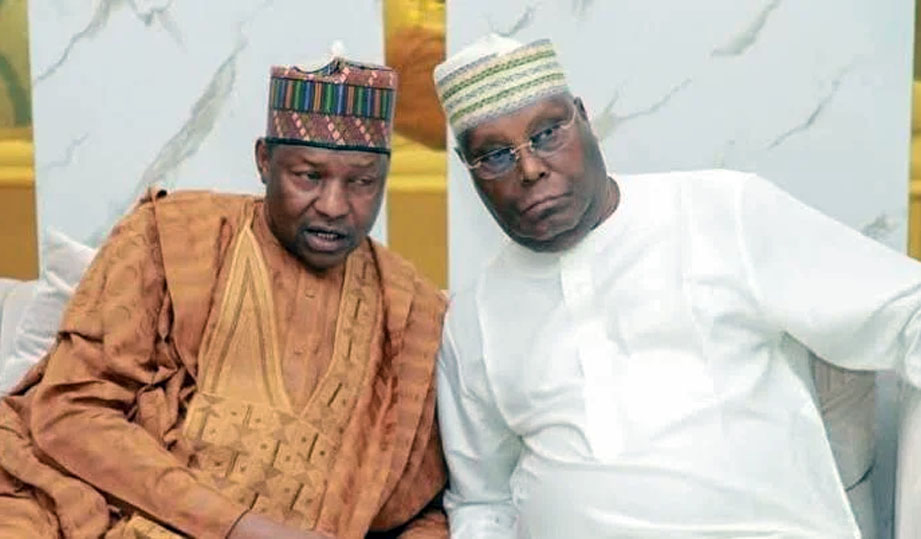
EFCC Opens Mambilla Probe as Atiku, Malami, Others Named in ICC Arbitration Award
The Economic and Financial Crimes Commission (EFCC) has reportedly constituted a special investigative team to examine alleged questionable transactions and dealings connected to the long-running Mambilla Hydroelectric Power Project, following a major International Chamber of Commerce (ICC) arbitration ruling involving Nigeria and Sunrise Power and Transmission Company Limited.
The development comes days after an ICC tribunal ruled in favour of the Federal Government of Nigeria, rejecting claims brought by Sunrise Power and its promoter, Leno Adesanya, over the controversial power project.
The reported EFCC investigation is expected to examine transactions and allegations arising from the 616-page arbitration award.
Among the individuals named or discussed in the tribunal proceedings are former Vice-President Atiku Abubakar, his former wife Jennifer Douglas Abubakar, former Attorney-General of the Federation Abubakar Malami, former Minister of Power and Steel Olu Agunloye, former National Security Adviser Sambo Dasuki, his son Abubakar Dasuki, former Solicitor-General of the Federation Abdullahi Yola, and former Permanent Secretary in the Ministry of Power Dere Awosika.
The appearance of a person’s name in the arbitration award does not, however, establish criminal liability. The reported EFCC investigation is a separate process through which allegations and financial transactions may be examined under Nigerian law.
The ICC tribunal rejected Sunrise Power’s claims against Nigeria, including a demand linked to an earlier settlement agreement. The tribunal also ordered Sunrise and Adesanya to reimburse Nigeria about $11.8 million in legal fees and expenses.
The arbitration was connected to the disputed Mambilla Power Project in Taraba State, which has been the subject of legal and contractual disagreements for more than two decades.
One of the transactions examined by the tribunal was a $500,000 payment made by Adesanya in January 2003 from an account associated with his offshore company, China Castle Investments Ltd, to a United States bank account belonging to Jennifer Douglas Abubakar.
READ ALSO:
- Jetour T1 Storms Abuja as Automaker Accelerates Nigeria Expansion
- Kidnapped Female Police Officer Found Dead in Ebonyi as Suspect Leads Police to Remains
- CNN, MS NOW, Politico Sue Trump Over White House Access Ban
According to the tribunal findings, Adesanya said the payment was connected to a foreign-exchange transaction undertaken for Atiku through his bureau de change business.
The tribunal, however, said the explanation was not supported by sufficient documentary evidence. It noted that records establishing the underlying naira payment, exchange rate, instructions or other documentation corroborating the explanation were not produced.
The tribunal described the circumstances surrounding the transaction as raising significant questions, particularly because of its timing and Adesanya’s efforts to secure the Mambilla contract.
The tribunal also considered other payments involving individuals connected to the project, including payments allegedly made to former minister Olu Agunloye through an aide and a payment of about $1.74 million made to Abubakar Dasuki.
In relation to Atiku, the tribunal’s findings require particular distinction. While it examined the $500,000 payment and the circumstances surrounding it, the tribunal did not find evidence that Atiku used his position as a government official to secure the Mambilla contract for Sunrise.
That finding is significant because the EFCC‘s reported investigation should not be presented as an established finding of criminal wrongdoing against Atiku or any other individual named in the award.
The arbitration also contained critical findings concerning former Attorney-General Abubakar Malami.
The tribunal criticised Malami’s handling of settlement negotiations with Sunrise and, according to the award, raised serious concerns about his dealings with Adesanya.
The tribunal also concluded that the settlement arrangements at the centre of the dispute were not binding on Nigeria because the required presidential approval had not been obtained.
The findings concerning Malami are part of an arbitration award rather than a criminal conviction. Any criminal consequences would depend on further investigation and, where applicable, prosecution and adjudication by the appropriate Nigerian courts.
The Mambilla Power Project dates back to a 2003 arrangement for the development of a major hydropower facility in Taraba State. The project subsequently became embroiled in disputes over the validity of the contract, settlement agreements and compensation claims.
Sunrise Power later pursued arbitration proceedings against Nigeria, including claims running into hundreds of millions of dollars.
The latest ICC decision rejected the claims before the tribunal and was welcomed by the Federal Government as a major development in the prolonged dispute.
President Bola Ahmed Tinubu welcomed the ruling and said it removed a significant legal obstacle surrounding the project.
Sunrise Power promoter Leno Adesanya, however, said the company’s legal team would review the arbitration decision and consider available lawful options.
The reported EFCC investigation now introduces a separate domestic dimension to the Mambilla controversy.
Investigators are expected to examine the financial transactions, relationships and official decisions highlighted during the arbitration proceedings and determine whether any of the conduct amounts to offences under Nigerian law.
The EFCC has not publicly announced criminal charges against Atiku, Malami or the other individuals whose names appeared in the tribunal proceedings based on the reports surrounding the latest development.
Consequently, being named in the ICC Mambilla arbitration award should not be interpreted as equivalent to being charged with or convicted of a crime.
The latest development nevertheless places the Mambilla Power Project, the disputed financial transactions and the conduct of several former public officials under renewed scrutiny as the reported EFCC investigation progresses.
The focus will now be on what the domestic investigation establishes independently of the ICC proceedings, while the Federal Government continues efforts to advance the long-delayed hydropower project.
EFCC Opens Mambilla Probe as Atiku, Malami, Others Named in ICC Arbitration Award
-

 metro2 days ago
Oyo Police: Student Who Died by Suicide Was Charged With Assault, Not ₦8,000 Debt
-

 Entertainment3 days ago
“She Wanted to Stay Single”: Rema Opens Up About Rejection That Inspired Hit Song ‘Oh No’
-

 metro3 days ago
Niger Miners’ Deaths: Families Demand Compensation, Justice for Victims
-

 metro3 days ago
Mambilla: ICC Raises Questions Over $500,000 Payment to Atiku’s Former Wife
-
 International24 hours ago
18 Suspects Transferred to US Over 2021 Killing of Haitian President Moïse
-

 metro2 days ago
Irreconcilable Developments: Wedding Cancelled 24 Hours Before Ceremony
-

 Auto2 days ago
Abuja Demand Rises as Jetour Brings X70 Plus Experience to FCT
-

 metro3 days ago
Niger Miners’ Deaths: Survivor Alleges Substance Was Sprayed in Cell as Probe Intensifies