
Business
Nigeria Customs auctions 408 impounded vehicles at N4.72m

The Nigeria Customs Services has auctioned 408 impounded vehicles to some firms and individuals at a total giveaway price of N4,770,000.
The vehicles were said to have been branded as scrap and sold through direct auction allocation.
For instance, 338 of the vehicles were sold to one company at N3.38m.
This was done via a letter addressed to the company, AMEX West Africa Limited, dated March 25, 2022, by the Nigeria Customs Services’ Committee on Direct Disposal of Condemned Scrap Vehicles and other Items.
The letter, obtained by the Punch, coming with a reference number: NCS/ADM/MGT/012/S.2/C, signed by the Chairman, Direct Disposal of Scraps Committee, Comptroller A.D Sanusi, was titled, ‘Direct auction allocation of scrap vehicles and other items.’
It read, “I am directed to inform you that the Comptroller-General of Customs, acting on the provisions of Customs and Exercise Management (Disposal of goods) Act, CAP C46, Laws of the Federation of Nigeria, 2004, hereby allocates the under-listed 338 lots of various scrap vehicles domiciled at Katsina State Area Command to your company as auction sales for the purpose of disposal, smelting and fabrication into raw materials for production valued at N3,380,000 only.
“All vehicles disposed of must be evacuated from the premises within 10 working days after payment or risk forfeiture. Furthermore, you are to note the following: Application for replacement of allocated vehicles would not be entertained. All allocation letters transferred or sold by the allottee to a third party shall be at the buyer’s risk.”
In another auction, 53 vehicles were disposed of through a letter from the committee dated September 5, 2022, to Nak Metal Steel Limited at a cost of N530,000.
Also, Gamchaka & Sons Nigeria Limited, was allocated two Toyota Camry and Mazda 626 cars at N120,000.
The section cited by the NCS to justify the sale read in part, “For the purposes of this Act, the Director (CG) shall generally have the power to sell or otherwise dispose of any goods forfeited pursuant to Section 1 of this section, and shall, in particular, be concerned with the functions; of determining the best method of sale or disposal of the goods; and where the goods are to be sold; of ensuring that such reasonable prices as may be determined by the Director are obtained in the course of such sale or disposal, and of appointing through tender (where necessary) any person or agent to buy or conduct the sale or disposal of the goods; and of ensuring that the goods shall not under any circumstances be sold or otherwise disposed of to any importer to whom the goods are or have been consigned or to any person, firm or agent connected therewith.”
A firm, Jelverson Oil & Gas Nigeria Limited, was allocated a Fiat Ducato for N80,000, Honda Accord (N30,000) and Volkswagen (N30,000), all located in Kano.
The NCS similarly sold a Mitsubishi Canter truck valued at N100,000; Toyota bus (N60,000) and Volkswagen Golf car (N20,000) to A1 Business Ltd., Abuja shopping complex, Garki Area 3.
Garbadau Global Services equally benefited from the exercise as it was allocated three pick-up vans parked in Kano at a cost of N150,000.
Three vehicles – Peugeot J5 bus valued at N80,000; V/W Golf car (N30,000) and Honda Accord (N30,000) were allocated to Team Option Services Limited, while Kusfa Nigeria, got two V/W Golf cars (#60,000) and J5 bus (N70,000).










Business
Dangote Refinery Secures $4 Billion Syndicated Loan with $2.5 Billion Backing from Afreximbank
Dangote Refinery Secures $4 Billion Syndicated Loan with $2.5 Billion Backing from Afreximbank
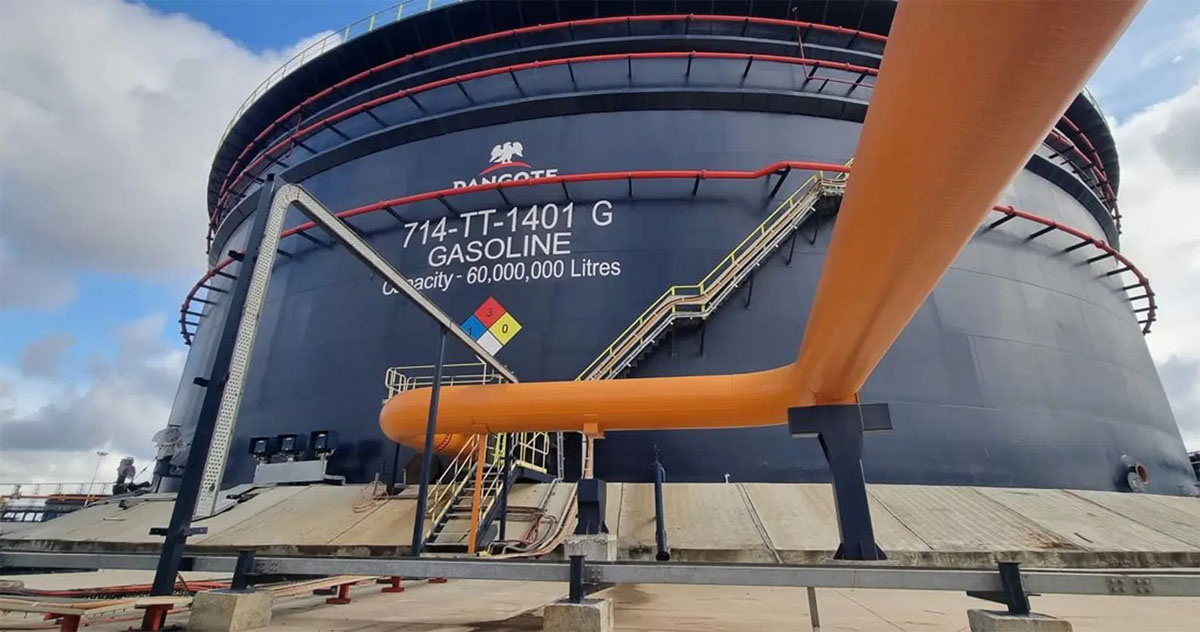
The African Export‑Import Bank (Afreximbank) has underwritten $2.5 billion of a $4 billion senior syndicated term loan for the Dangote Petroleum Refinery and Petrochemicals (DPRP), one of the continent’s most transformative industrial projects.
In a statement confirming the financing, Afreximbank said it and Access Bank Plc have been appointed co‑mandated lead arrangers for the five‑year facility, designed to enhance the refinery’s financial position and support its long‑term growth ambitions.
The syndicated loan — a financing structure involving a group of lenders jointly providing a large credit facility — marks a pivotal milestone for DPRP, which has a processing capacity of 650,000 barrels per day, making it one of the world’s largest single‑train refineries. The facility is expected to improve balance‑sheet flexibility, strengthen financing structures, and support DPRP’s role as a strategic supplier of refined petroleum products across Africa and global markets.
Since its commissioning in February 2024, the refinery has significantly reduced Nigeria’s dependence on imported refined products and opened opportunities for refined fuel exports, bolstering Africa’s energy security. Afreximbank noted that its involvement with the project goes beyond the latest credit facility:
- It provided a $1 billion working capital facility to support refinery operations.
- It acted as financial adviser on the Naira‑for‑Crude Initiative, a programme aimed at enabling crude oil purchases and refined product sales in Naira, thus reducing exposure to foreign exchange volatility.
READ ALSO:
- Tinubu Holds Urgent Meetings with Ganduje, Badaru as APC Defections Surge
- EFCC Re-Arraigns Nadabo Energy Boss Over ₦1.4bn Oil Fraud
- US Senator Ted Cruz Alleges Nigerian Officials Behind Christian Killings
In his remarks, Dr. George Elombi, President and Chairman of Afreximbank’s Board of Directors, said the bank takes pride in being the largest financier of the Dangote Group, with cumulative commitments of about $15 billion across its businesses since 2015.
“We do so primarily because Dangote is African,” Elombi said. “When we invest in ourselves, we do more than create jobs, wealth, or expand government revenues; we build a secure and resilient future for our continent.”
He added that Afreximbank remains committed to supporting transformative indigenous industrial projects that strengthen regional value chains and accelerate economic development across Africa.
Elombi described the Dangote Refinery as a “bold symbol of African ambition, African capital, and African execution.” According to him, beyond expanding refining capacity, the project will help reduce dependence on imported fuel, support intra‑African trade, and catalyse industrial growth.
Dangote Industries Limited also expressed appreciation for Afreximbank’s continued confidence and strategic support. The company emphasised that the syndicated loan package, backed by strong participation from a consortium of African and global financial institutions, reflects sustained investor confidence in the refinery’s long‑term viability and in Africa’s broader industrialisation agenda.
Industry analysts say the $4 billion financing will not only strengthen DPRP’s financial foundation but also enhance Nigeria’s role as a regional energy hub, potentially increasing refined product exports to neighbouring countries and beyond. (Sources: Afreximbank statement; Western Post; ProShare; Nigerian Bulletin)
Dangote Refinery Secures $4 Billion Syndicated Loan with $2.5 Billion Backing from Afreximbank
Business
Lagos LIRS Extends 2026 Individual Tax Return Deadline

Lagos LIRS Extends 2026 Individual Tax Return Deadline
The Lagos State Internal Revenue Service (LIRS) has extended the deadline for filing individual annual income tax returns to April 14, 2026, giving taxpayers in Lagos State extra time to comply with the 2026 year of assessment. The original filing deadline was March 31, but the extension aims to ensure residents can submit accurate tax returns without errors.
LIRS Executive Chairman, Dr. Ayodele Subair, emphasized that tax compliance is a civic duty, urging residents to submit their returns promptly even with the extended deadline. “The extension is meant to make filing easier and ensure accuracy, but taxpayers should not delay unnecessarily,” he said.
READ ALSO:
- Israeli Fire Kills Three UN Peacekeepers in Southern Lebanon
- Iyabo Ojo Quits Mediation Between Funke Akindele, Toyin Abraham
- 2027: Badagry elders rally Tinubu to back zone’s first Lagos governor
The authority reiterated that electronic filing via the LIRS eTax portal is now the only approved method, as manual submissions have been fully phased out. The platform is secure, user-friendly, and accessible 24/7, allowing taxpayers to file their returns conveniently from anywhere.
Taxpayers are also advised to enter their Tax Identification Number (TaxID) correctly during submission to avoid processing delays or errors. LIRS further encouraged individuals who require assistance to visit any of its offices or reach out through official communication channels, including their customer care hotline and social media platforms.
This extension follows LIRS’ ongoing efforts to strengthen digital tax compliance and make filing processes more efficient, reflecting broader reforms aimed at improving revenue collection while easing administrative burdens on taxpayers.
Authorities warned that missing the April 14 deadline could attract penalties and interest on late filings, reinforcing the importance of meeting the revised timeline.
Lagos LIRS Extends 2026 Individual Tax Return Deadline
Business
FG Raises Gas Price to $2.18/MMBtu, Signals Fresh Economic Pressure for Nigerians
FG Raises Gas Price to $2.18/MMBtu, Signals Fresh Economic Pressure for Nigerians
Nigerians may face renewed economic strain following a fresh increase in domestic gas prices, a move expected to impact electricity tariffs, manufacturing costs, and the overall cost of living.
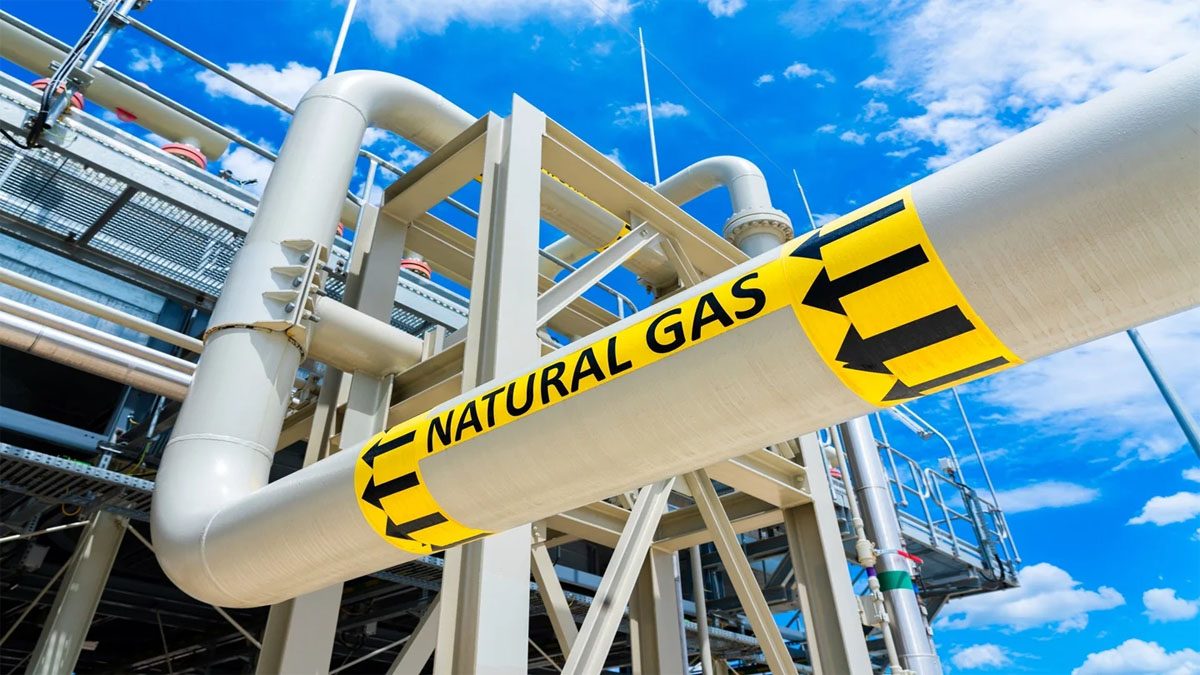
The Nigerian Midstream and Downstream Petroleum Regulatory Authority (NMDPRA) on Tuesday announced that the Domestic Base Price of natural gas has been raised to $2.18 per MMBtu, effective April 1, 2026, up from $2.13/MMBtu in 2025.
Although the increase represents a modest rise of about 2.35 per cent, experts warn that even slight adjustments in gas pricing often trigger wider economic consequences across key sectors.
The regulator said the review aligns with provisions of the Petroleum Industry Act, existing gas pricing frameworks, and prevailing market realities, including rising production costs and the need to sustain investment in the gas sector.
Gas remains the backbone of Nigeria’s power generation, accounting for over 70 per cent of electricity supply. As a result, the price hike is expected to increase the cost of power generation, which may ultimately be passed on to consumers through higher electricity tariffs.
For households already grappling with rising utility bills, the development signals the likelihood of increased financial pressure in the months ahead.
READ ALSO:
- Court Orders Final Forfeiture of Jeremiah Useni’s UK Property to FG
- Senate approves Tinubu’s $6bn loan request
- US Warns Iran Against Closing Strait of Hormuz, Cites “Severe Consequences”
Beyond the power sector, industries heavily dependent on gas—including manufacturing, cement production, and food processing—are also expected to experience higher operating costs. Analysts say this could lead to further increases in the prices of goods and services, worsening inflationary trends.
In addition, the NMDPRA announced an upward review of gas prices for commercial users, now set at $2.68/MMBtu, up from $2.63/MMBtu in 2025. This adjustment is expected to directly impact businesses, many of which may transfer the added costs to consumers.
According to the regulator, the new pricing structure is necessary to ensure sustainable gas supply, attract investment, and support infrastructure development in Nigeria’s gas value chain.
However, stakeholders have raised concerns about the timing, noting that the increase comes amid persistent inflation, high energy costs, and declining purchasing power.
The Domestic Base Price serves as a benchmark for gas pricing across Nigeria’s domestic market, influencing contracts between gas producers, power generation companies, and industrial users.
The latest adjustment also reflects broader global energy trends, where gas prices have remained volatile due to supply constraints, geopolitical tensions, and fluctuating crude oil prices.
In recent months, Nigeria has implemented a series of economic reforms aimed at stabilising the economy and attracting foreign investment. These include adjustments in fuel pricing, electricity tariffs, and foreign exchange policies.
While the government maintains that such reforms are necessary for long-term economic stability, many Nigerians continue to feel the immediate impact through higher living costs and reduced purchasing power.
For households and small businesses, the gas price hike reinforces concerns that while reforms may yield future benefits, the short-term burden remains significant and widespread.
FG Raises Gas Price to $2.18/MMBtu, Signals Fresh Economic Pressure for Nigerians

-

 Entertainment2 days ago
Funke Akindele, Toyin Abraham Spark Reactions Over Alleged Snub at Iyabo Ojo’s Premiere
-
 metro2 days ago
Jos Attack: Plateau Govt Declares 48-Hour Curfew After Deadly Assault
-

 Education1 day ago
WAEC Releases 2026 WASSCE Timetable for School Candidates
-

 Auto23 hours ago
Lagos NURTW Chairman Sego Distributes Exotic Cars, Luxury Items to Cabinet Members (Video)
-

 News2 days ago
UK Raises Visa Costs, Tightens Immigration Rules From April 8
-

 Auto2 days ago
Motoring World marks 30 years, set to rally industry leaders in Lagos
-

 metro1 day ago
Cars Torched as South Africans Protest Alleged Nigerian ‘Igbo King’ Coronation
-
 International3 days ago
Iran Threatens US-Linked Universities in Middle East Amid Escalating Tensions