
metro
Nigeria Power Sector Crisis: DisCos Lose ₦2.3trn as Blackouts Intensify

Nigeria Power Sector Crisis: DisCos Lose ₦2.3trn as Blackouts Intensify
Nigeria’s electricity crisis has worsened significantly as Electricity Distribution Companies (DisCos) recorded a combined loss of ₦2.349 trillion over the past two years, driven by billing inefficiencies and weak revenue collection, further destabilising the Nigerian Electricity Supply Industry (NESI).
At a time when homes and businesses are already grappling with worsening power outages, the sector is now burdened by an estimated ₦6 trillion debt, pushing it closer to systemic failure and raising fresh concerns about the sustainability of electricity supply across the country.
Data from the Nigerian Electricity Regulatory Commission (NERC) show that DisCos posted ₦1.015 trillion loss in 2024, which surged by 31.4 per cent to ₦1.334 trillion in 2025. This brings the cumulative loss within the two-year period to ₦2.349 trillion, underscoring deep-rooted inefficiencies in the distribution segment of Nigeria’s power value chain.
A detailed breakdown of the 2025 figures highlights the scale of the problem. Losses from billing inefficiencies alone stood at ₦649.87 billion, while poor revenue collection accounted for ₦684.28 billion, reflecting persistent leakages that continue to drain the sector’s finances despite rising revenues.
Quarterly data further reveal fluctuations in losses throughout 2025. DisCos recorded ₦378.11 billion in the first quarter, followed by ₦344.7 billion in the second quarter. Losses declined by 18 per cent to ₦282.8 billion in the third quarter, before rising again by 16 per cent to ₦328.54 billion in the fourth quarter, indicating inconsistent operational performance.
The growing financial strain is now clearly impacting electricity generation and supply. Industry data show that average power generation has dropped from about 4,600 megawatts in 2025 to below 3,500MW in early 2026, worsening electricity shortages nationwide. Generation Companies (GenCos), which are owed over ₦6 trillion, are increasingly unable to sustain operations, forcing many plants to scale down output or shut down units intermittently.
READ ALSO:
- Iran Threatens to Shut Strait of Hormuz as US Ultimatum Escalates Regional Tensions
- Baba Ijesha Speaks Out After Prison Release, Denies Sexual Assault Conviction
- Kurds: The Sepia Pawn on the Chessboard
The situation has been compounded by gas supply constraints, as suppliers cut deliveries due to unpaid invoices. This has significantly reduced generation capacity and deepened the supply deficit, triggering a resurgence of rolling blackouts across the country.
As a result, many Nigerians now receive less than 12 hours of electricity daily, with some communities experiencing as little as four to six hours of supply. In parts of Abuja, including Karu and Lokogoma under the Abuja Electricity Distribution Company (AEDC), electricity supply reportedly drops to barely three hours daily, leaving residents and businesses struggling with rising energy costs.
Similarly, areas under the Benin Electricity Distribution Company (BEDC), including Ughelli, Warri, Sapele, and Oleh in Delta State, continue to face erratic power supply, with prolonged outages and widespread complaints over high estimated billing despite poor service delivery.
In a move that reflects declining confidence in the national grid, the Presidential Villa in Abuja has commenced plans to exit grid electricity entirely. The project involves a ₦17 billion solar hybrid mini-grid, designed to guarantee uninterrupted power supply to the seat of government and reduce dependence on the unstable grid.
However, the decision has drawn criticism from industry stakeholders, including officials of AEDC, who argue that improved investment in network upgrades and energy storage could have ensured stable supply without abandoning the grid.
Consumers and advocacy groups have continued to express frustration over the situation. The Electricity Consumers Association of Nigeria (ECAN) has accused DisCos of exploiting customers through estimated billing, which many describe as arbitrary and unfair. According to the association, inflated bills and poor service have contributed significantly to widespread resistance to payment, further worsening revenue collection challenges.
Energy experts have identified metering gaps as a major driver of the crisis. Without accurate metering, electricity consumption cannot be properly measured, leading to billing disputes and revenue leakages. Analysts insist that end-to-end metering across generation, transmission, and distribution is critical to restoring transparency and financial stability in the sector.
There are also growing concerns about the lack of strong policy direction and sustained reforms. Experts warn that the expectation of government bailouts may be encouraging inefficiency among operators, as stakeholders assume the Federal Government will continue to intervene financially to keep the sector afloat.
The deepening crisis highlights a dangerous cycle of financial losses, declining power generation, and worsening electricity supply, with far-reaching implications for Nigeria’s economy and quality of life.
Unless urgent reforms are implemented—including mass metering, improved revenue collection, cost-reflective tariffs, and stronger regulatory enforcement—Nigeria’s power sector risks sliding into a full-scale collapse, leaving millions of consumers in prolonged darkness.
Nigeria Power Sector Crisis: DisCos Lose ₦2.3trn as Blackouts Intensify








metro
Elumelu Celebrates Birthday with Fresh Commitment to Empower 3,200 African Entrepreneurs
Elumelu Celebrates Birthday with Fresh Commitment to Empower 3,200 African Entrepreneurs
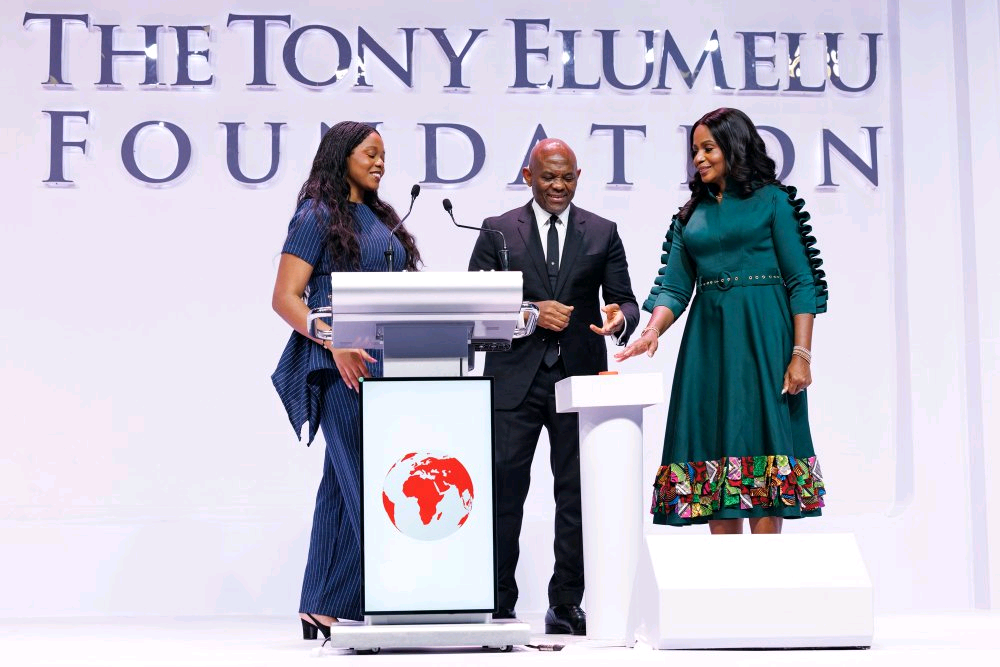
Chairman of Heirs Holdings and the United Bank for Africa (UBA) Group, Tony O. Elumelu, has reaffirmed his commitment to driving entrepreneurship across Africa with the announcement of 3,200 beneficiaries for the 2026 edition of the Tony Elumelu Foundation (TEF) Entrepreneurship Programme.
 The announcement, made in Abuja to mark his birthday, underscores Elumelu’s enduring focus on impact, purpose, and the transformative role of entrepreneurship in shaping Africa’s economic future.
In his annual reflection, Elumelu stressed that prosperity on the continent can be deliberately created and expanded through strategic investment in people. “Hope is not just a feeling, it is a system we can build,” he said, reiterating his philosophy of Africapitalism, which advocates for the private sector as a key driver of Africa’s economic and social development.
The 2026 cohort, drawn from all 54 African countries, will each receive a non-refundable seed capital of $5,000. In addition to funding, beneficiaries will gain access to business training, mentorship, and TEF’s digital platform, TEFConnect, designed to support enterprise growth and sustainability.
Elumelu highlighted the programme’s expanding footprint, noting that since its inception, the Tony Elumelu Foundation has disbursed over $100 million to more than 24,000 entrepreneurs across the continent. He added that about 80 per cent of supported businesses have successfully scaled beyond the early stage, outperforming global benchmarks.
According to the Foundation, TEF-backed businesses have collectively generated more than $4.2 billion in revenue, created approximately 1.5 million jobs, and lifted over 2.1 million Africans out of poverty, impacting more than four million households.
A key highlight of this year’s selection is the strong representation of women, who make up 51 per cent of the beneficiaries. Elumelu described this as a reflection of merit-based selection and a testament to the growing influence of African women in entrepreneurship.
“When opportunity is accessible, African women do not simply participate, they lead,” he said.
Reflecting on the Foundation’s journey since its establishment in 2010, Elumelu reiterated its mission to democratise opportunities and scale impact by investing in Africa’s human capital. He also expressed appreciation to partners, mentors, and stakeholders for their continued support in advancing the Foundation’s vision of a self-sustaining Africa.
The Tony Elumelu Foundation remains one of Africa’s leading philanthropic organisations dedicated to empowering young entrepreneurs through funding, training, mentorship, and access to networks, with the aim of fostering inclusive economic growth and reshaping the continent’s development narrative.
Elumelu Celebrates Birthday with Fresh Commitment to Empower 3,200 African Entrepreneurs
metro
Court Jails Ex-Acting Accountant-General 72 Years Over N868m Fraud
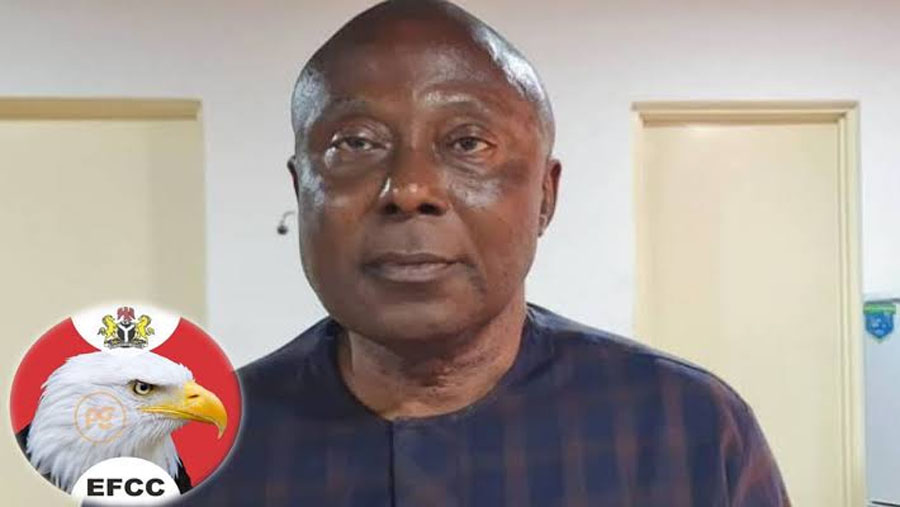
Court Jails Ex-Acting Accountant-General 72 Years Over N868m Fraud
The Federal High Court has convicted and sentenced former acting Accountant-General of the Federation, Chukwunyere Nwabuoku, to 72 years imprisonment without an option of fine over his involvement in a N868 million fraud case.
Delivering judgment on Monday, Justice James Omotosho ruled that the Economic and Financial Crimes Commission (EFCC) successfully proved all nine counts of money laundering and financial misconduct beyond reasonable doubt.
The case, filed as FHC/ABJ/CR/240/2024, centered on allegations that Nwabuoku diverted public funds while serving as Director of Finance and Accounts in the Ministry of Defence between 2019 and 2021. The offences involved the mismanagement and concealment of funds earmarked for security and defence expenditures, a matter the court described as particularly serious.
Justice Omotosho convicted the defendant on all nine counts, imposing eight years imprisonment on each count. Although the sentences were ordered to run concurrently, the ruling effectively amounts to a 72-year jail term, underscoring the gravity of the offences.
In his judgment, the court held that the prosecution presented credible, consistent, and well-substantiated evidence linking the defendant to the diversion of public funds. The judge also noted that the defence failed to successfully challenge key elements of the EFCC’s case.
READ ALSO:
- Ebonyi Journalist Assault: LG Chairman Denies Role as NUJ Demands Probe
- SSS Storms Malami’s Abuja Residence After Atiku Visit, Disperses Occupants
- Many Feared Dead as Terrorists Bomb Bridge in Niger, Target Troop Movement
The court further referenced testimony indicating that Nwabuoku had voluntarily refunded part of the alleged stolen funds—over N200 million—during the course of investigation. However, the judge emphasized that such restitution did not absolve him of criminal liability, particularly given the strength of the evidence presented.
Describing the actions of the convict as “appalling,” Justice Omotosho commended the EFCC for its detailed investigation and prosecution, noting that the agency had demonstrated diligence in presenting its case before the court.
Nwabuoku was arraigned on January 15, 2025, after being granted bail in the sum of N500 million with two sureties. He faced a nine-count amended charge of money laundering, to which he pleaded not guilty, prompting a full trial.
Throughout the proceedings, the EFCC called multiple witnesses and tendered documentary evidence to establish a pattern of financial irregularities and concealment of illicit proceeds. The court ultimately found that the prosecution had discharged its burden of proof.
The conviction represents one of the notable outcomes in Nigeria’s ongoing anti-corruption efforts, particularly involving senior public officials entrusted with managing sensitive government finances.
Legal observers say the judgment reinforces judicial commitment to accountability and sends a strong message regarding the consequences of public fund misappropriation and money laundering.
Although the judgment has been delivered, Nwabuoku is expected to explore the option of appeal at a higher court, which may further determine the final outcome of the case.
Court Jails Ex-Acting Accountant-General 72 Years Over N868m Fraud
metro
Ebonyi Journalist Assault: LG Chairman Denies Role as NUJ Demands Probe
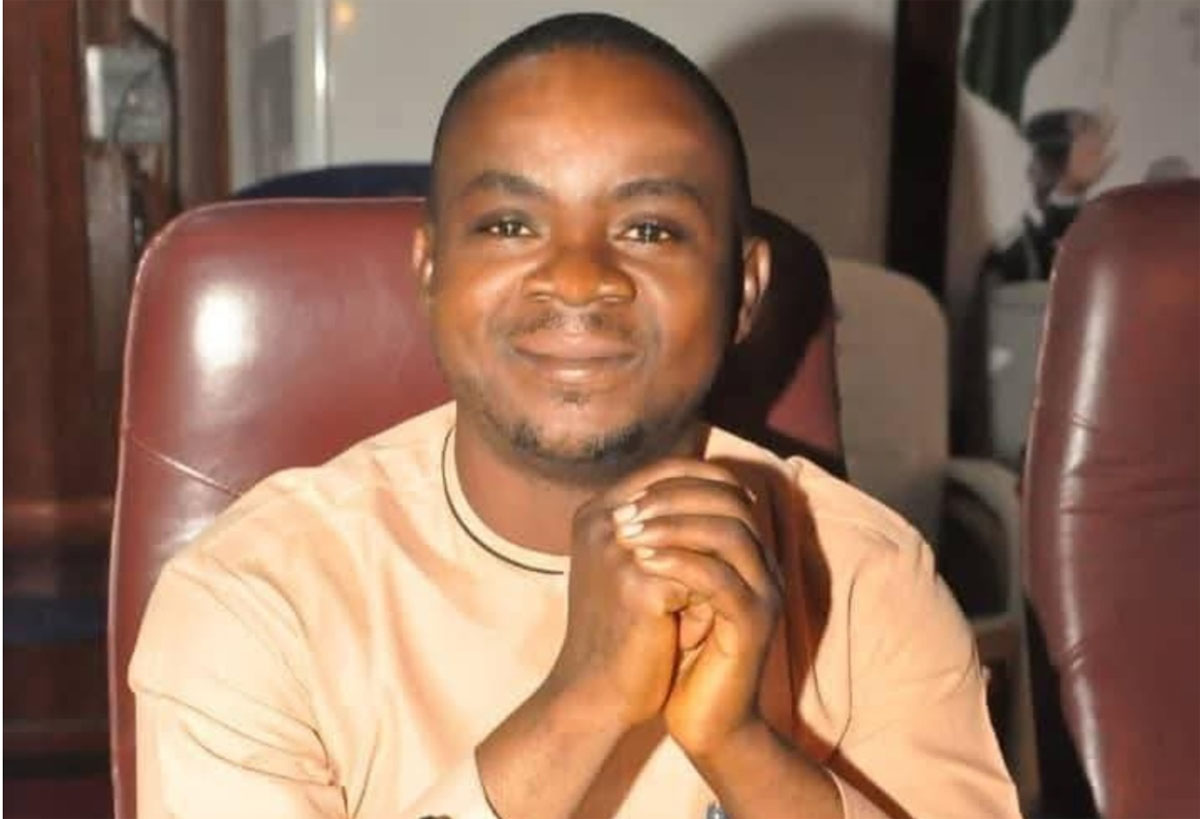
Ebonyi Journalist Assault: LG Chairman Denies Role as NUJ Demands Probe
Fresh details have emerged in the assault of a journalist in Ebonyi State, as the Chairman of Ishielu Local Government Area, Peace Agwu, denied any involvement in the attack on Benjamin Nworie, a correspondent with THISDAY Newspapers and former Vice Chairman of the Nigeria Union of Journalists in the state.
The incident, which has triggered outrage among media professionals, reportedly occurred in the early hours of Monday at Nworie’s residence in Ugwuechara, Abakaliki.
According to Nworie, three suspected political thugs stormed his home and confronted him at the entrance before launching a violent attack. He alleged that the assailants dragged and beat him, punching him repeatedly in the face and mouth, while also issuing death threats against him and his family.
“The thugs forcefully dragged, beat and punched me severely… They also threatened to kill my family and me. It took the intervention of neighbours to save me,” he stated.
READ ALSO:
- SSS Storms Malami’s Abuja Residence After Atiku Visit, Disperses Occupants
- Many Feared Dead as Terrorists Bomb Bridge in Niger, Target Troop Movement
- NURTW Crisis: Baruwa Seizes Abuja Secretariat, Displaces MC Oluomo
He added that the incident did not come as a surprise, citing what he described as ongoing harassment linked to construction activities allegedly associated with the council chairman, which he said had repeatedly obstructed access to his residence.
In a formal petition addressed to the Ebonyi State Council of the NUJ and copied to the Correspondents’ Chapel, Nworie raised alarm over his safety, warning that his life and that of his family were in danger. He called on security agencies and colleagues to intervene urgently.
The allegation has, however, been strongly denied by the Ishielu council boss, Peace Agwu, who described the claims as false and unfounded.
“It is a false allegation. I didn’t send anybody to attack him. He should bring evidence of his claim,” she said.
Despite the denial, the attack has drawn condemnation from journalists and rights advocates, with calls for a thorough investigation into the Ebonyi journalist assault.
The Nigeria Union of Journalists (NUJ) in Ebonyi is expected to escalate the matter, urging law enforcement agencies to identify and prosecute those responsible. Media stakeholders have warned that attacks on journalists pose a serious threat to press freedom in Nigeria and could create a climate of fear for media practitioners.
Security sources indicate that the case has been reported and is under review, with possible steps being taken to ensure the safety of the victim and his family. However, no arrests have been officially confirmed as of the time of filing this report.
Observers say the incident highlights growing concerns about the safety of journalists, especially at the grassroots level, where political tensions and local power struggles often intersect with media work.
As pressure mounts, attention is now on authorities to conduct a transparent investigation and ensure accountability, while safeguarding journalists carrying out their duties across the country.
Ebonyi Journalist Assault: LG Chairman Denies Role as NUJ Demands Probe

-

 metro2 days ago
Ozoro Festival Controversy: 15 Suspects Arrested, Community Denies Rape Claims
-
 Entertainment1 day ago
Baba Ijesha Speaks Out After Prison Release, Denies Sexual Assault Conviction
-

 metro1 day ago
Over 150 Bandits Reportedly Die in Sokoto Water Accident
-
metro3 days ago
Festival of Fertility: FG Orders Arrest, Promises Justice for Victims
-

 metro3 days ago
Nigerian Woman, Children Die in US Road Accident
-

 metro2 days ago
Shock as Governor Oborevwori’s Aide Collapses, Dies at Event
-

 News2 days ago
US Deploys MQ-9 Drones, 200 Troops to Support Nigeria’s Counterinsurgency Efforts
-
 Entertainment1 day ago
Abiodun Ayoyinka Rebrands as Bondu Alaska Amid Papa Ajasco Identity and Brand Dispute