

metro
Nigerians React as Pastor Okonkwo Launches N700,000 Matchmaking Service
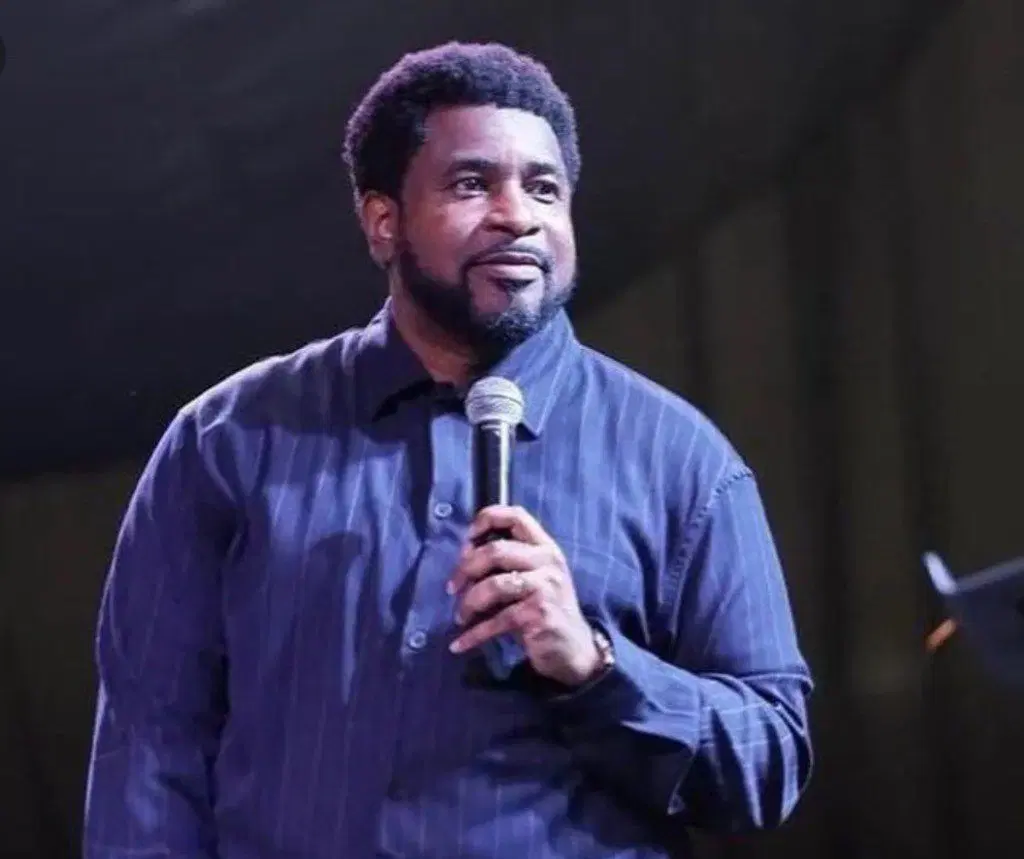
Nigerians React as Pastor Okonkwo Launches N700,000 Matchmaking Service
Relationship coach and lead pastor of David’s Christian Centre (DCC), Kingsley Okonkwo, has launched a matchmaking platform for Christian singles seeking marriage, with membership fees ranging from N70,000 to N700,000 per year. Okonkwo announced the platform, called Mentor To Marry, in a series of posts on his X (formerly Twitter) account on Wednesday. The platform is described as a “guided marriage-preparation and matching community for serious Christian singles who desire intentional, Kingdom-minded marriages.”
In his social media posts announcing the platform, Okonkwo argued that relationships have become increasingly commercialised, making it difficult for some single men to find genuine partners. “I feel for the men of this generation…relationships have been so commercialized nowadays that it’s almost impossible for a young man to find true love,” he wrote. In another post, he added: “When we were young, all you had to get was a girl’s phone number but now all they want to send is their account number, now you are expected to pay rent, school fees and transport before you are taken seriously.” The pastor, however, clarified that the platform was not intended to suggest that all women pursue relationships for financial reasons, stating that there are “a lot of good women looking to connect with serious godly men on our platform.”
Unlike conventional dating apps, Mentor To Marry places marriage preparation before matchmaking. Prospective members are required to complete eight weeks of mentoring classes, assessments, and guided reflection before they can access the platform’s matching services. The platform is operated by Love, Dating and Marriage Ministries, a non-profit organisation registered in Nigeria, and is open to Christians aged 25 and above who are unmarried, divorced, or widowed. Applicants must identify as Christians and agree to the platform’s principles on relationships and marriage. Kingsley Okonkwo and his wife, Mildred Okonkwo, are listed among the platform’s founders, bringing pastoral care and marriage mentoring experience to the service. The platform does not guarantee a match or marriage.
READ ALSO:
- NFF President Gusau, Board Members Resign Amid Super Falcons World Cup Failure
- Dangote Refinery Threatens to Export Petrol as Import Surge Disrupts Domestic Market
- Police challenge VDM to prove officers are aiding kidnappers
The platform offers three membership tiers, each with different levels of access and support. The Regular Plan costs N70,000 per year and includes eight weeks of mentoring classes, assessments, and surveys; access to limited profiles; an accountability system; five weekly chats; and access to a country-based matching pool. The Premium Plan costs N350,000 per year and includes everything in the Regular package, plus unlimited profile browsing, monthly profile recommendations, priority access to coaches, access to global profiles, 10 weekly chats, and access to private groups. The VIP Plan costs N700,000 per year and includes everything in the Premium package, plus a dedicated matchmaker and coach, priority access to platform founders, 15 weekly chats, off-platform introductions, a profile protection feature, and access to global profiles.
Mentor To Marry includes strict guidelines prohibiting sexual harassment, exploitation, fraud, catfishing, sexually explicit content, and financial exploitation. The platform’s stated philosophy is that the goal is not merely to help singles meet someone but to help them become ready for the kind of marriage they seek. For singles interested in marriage but not ready to enrol in a paid package, Mentor To Marry offers a free singles community.
The announcement has sparked significant backlash on social media, with many Nigerians criticising the pricing structure and questioning the pastor’s motives. Some of the reactions include: “They made you single by telling you this and that is not your husband/wife, their God is yet to show you partner. Now they will cash out on you through matchmaking, not waiting on God again” – @Temijust1; “Christ and his disciples didn’t charge any soul one Kobo but in our time pastors are charging money up and down…They are all businessmen” – @Loadedlink1; and “How did we get to a point where everything around faith seems to come with a heavy price tag?” – @Olaniyi26176099. Other commentators compared the pricing to Islamic marriage practices, with one user noting: “Moslems own, na govt dey pay. Reach Christian own, na the person wey dey find partner go pay.”
Nigerians React as Pastor Okonkwo Launches N700,000 Matchmaking Service













metro
Fake Drugs Allegation: NANS Demands Probe Into Ex-SUG President’s Death at NYSC Camp

Fake Drugs Allegation: NANS Demands Probe Into Ex-SUG President’s Death at NYSC Camp
The death of Etimbuk Daniel, the immediate past Students’ Union Government (SUG) president of Akwa Ibom State University (AKSU), at a National Youth Service Corps (NYSC) orientation camp in Enugu State has sparked calls for a thorough investigation into allegations that he was given fake medication and did not receive prompt medical attention.
The National Association of Nigerian Students (NANS) disclosed the circumstances surrounding Daniel’s death in a statement issued by its president, Akinteye Babatunde Afeez, on Sunday, October 11, 2026.
According to NANS, Daniel reportedly complained of a headache while participating in the orientation programme and was given medication by medical personnel at the camp.
His condition allegedly deteriorated after he took the drugs, prompting him to request that he be taken to a hospital for further treatment.
However, NANS claimed that approval for his transfer was delayed and that he died before he could be taken to a hospital.
The student body also said it was informed that a doctor subsequently identified the medication administered to Daniel as fake.
READ ALSO:
- Xenophobia: Nigeria Evacuates 111 More Citizens From South Africa as Returnees Hit 2,037
- Russia-Ukraine Truce in Doubt as Zelenskyy Questions Trump’s Ceasefire Announcement
- Djibouti Boat Disaster: 139 Migrants Dead, Dozens Missing
“We were further informed that the doctor later identified the drugs administered to him as fake. These are deeply troubling allegations that require a thorough investigation to establish the circumstances surrounding his tragic death,” Afeez said.
The claims concerning the medication and the alleged delay in transferring Daniel to a hospital have not been independently verified. The precise medical cause of his death has also not been publicly established in the reports available.
NANS expressed shock over the death, describing it as a painful loss to the Nigerian student community. It extended its condolences to Daniel’s family, friends, former colleagues and the entire AKSU community.
The association also raised concerns about the dangers posed by fake drugs and the importance of ensuring that people who fall ill receive appropriate medical attention without unnecessary delays.
Afeez said NANS was mourning the former student leader and would communicate further actions and its official position on the matter in due course.
Daniel’s death has raised questions about the availability of medical care at NYSC orientation camps and the procedures for referring corps members to external hospitals when their conditions require urgent attention.
A comprehensive investigation would be needed to establish the medication Daniel received, whether it was counterfeit, the medical assistance provided to him and the circumstances surrounding the reported delay in transferring him to a hospital.
The NYSC authorities and relevant health agencies have an important role in clarifying the incident and determining whether any procedural failures occurred.
For now, the allegations remain subject to investigation, and the findings of the relevant authorities will be crucial in establishing what happened during Daniel’s final hours.
The tragedy has left members of the student community mourning a former representative while calls grow for answers and measures to prevent similar incidents at orientation camps.
Fake Drugs Allegation: NANS Demands Probe Into Ex-SUG President’s Death at NYSC Camp
metro
Xenophobia: Nigeria Evacuates 111 More Citizens From South Africa as Returnees Hit 2,037

The Federal Government of Nigeria has evacuated another 111 distressed citizens from South Africa amid concerns over xenophobic and Afrophobic attacks, bringing the total number of Nigerians repatriated under the ongoing exercise to 2,037.
The latest batch, comprising 44 men, 23 women and 44 children, arrived in Lagos aboard South African Airways Flight SA060 on Thursday, October 8, 2026, according to the Ministry of Foreign Affairs.
The returnees were received by officials of the ministry, the Nigerians in Diaspora Commission (NiDCOM), the National Agency for the Prohibition of Trafficking in Persons (NAPTIP), the National Emergency Management Agency (NEMA) and other relevant federal government agencies.
In a statement issued on Sunday, October 11, the ministry’s spokesperson, Oluwafemi Adeniyi, said the evacuation was fully funded by the Redeemed Christian Church of God (RCCG) through its $265,854 donation to support the repatriation of 500 distressed Nigerians from South Africa.
READ ALSO:
- Russia-Ukraine Truce in Doubt as Zelenskyy Questions Trump’s Ceasefire Announcement
- Djibouti Boat Disaster: 139 Migrants Dead, Dozens Missing
- US Names 24 More Nigerians in Fresh Fraud, Money Laundering Crackdown
The latest arrival brings to 318 the number of Nigerians whose one-way tickets have been funded by the church, leaving 182 tickets under its commitment yet to be covered.
The ministry said the latest flight was the 15th consular evacuation from South Africa since the exercise began on June 10, 2026.
Of the 2,037 Nigerians evacuated so far, 1,388 had their repatriation costs fully covered by the Federal Government, according to the ministry.
The government expressed appreciation to the RCCG, led by Pastor Enoch Adejare Adeboye, for its financial contribution towards bringing distressed Nigerians home.
The evacuation programme follows concerns over xenophobia and Afrophobia in South Africa, where Nigerians and other African nationals have faced reported hostility and attacks. The Nigerian government said it would continue engaging relevant stakeholders, including South African authorities, to address the situation and promote the safety and dignity of Nigerians living in the country.
The ministry also urged Nigerians still residing in South Africa to obey local laws, remain vigilant and prioritise their personal safety.
It advised citizens who require assistance to maintain contact with the Nigerian High Commission in Pretoria and the Consulate General in Johannesburg for consular support.
The government reiterated its commitment to protecting the welfare of Nigerians in the diaspora and providing timely assistance to citizens who find themselves in distress abroad.
With more Nigerians still undergoing verification and clearance for possible repatriation, the authorities are expected to continue coordinating with relevant agencies and partners to facilitate further evacuations.
Xenophobia: Nigeria Evacuates 111 More Citizens From South Africa as Returnees Hit 2,037
metro
How Bauchi Court Jailed Three 21 Years Each for Abducting Seven Children

How Bauchi Court Jailed Three 21 Years Each for Abducting Seven Children
A Bauchi State High Court has sentenced three defendants to 21 years’ imprisonment each for criminal conspiracy, kidnapping and the abduction of seven children who were allegedly given new identities after being taken from their families.
The judgment was delivered on Wednesday, October 7, 2026, by Justice Farouq Sarki, following a trial involving 11 defendants. The case attracted attention because of allegations that the children, some of whom were as young as three years old, were taken from their biological families and given different names.
According to reports by Channels Television, the three defendants sentenced to prison terms were identified as Ruth Yarima, Chika Izuegbu and Abner Samuel. Each was sentenced to 21 years’ imprisonment without the option of a fine.
Two of the defendants were reportedly convicted on all 21 counts against them, while the third was found guilty on three counts. The court, however, discharged and acquitted the remaining eight defendants standing trial in the case.
The prosecution followed investigations into a suspected child-trafficking network whose activities reportedly involved children who disappeared from Bauchi State at different times between 2016 and 2023.
The investigation reportedly recorded a breakthrough in December 2023, when the Bauchi State Police Command arrested suspected members of the network. The arrests paved the way for the prosecution, which commenced in March 2024.
The children were subsequently rescued and reunited with their families, bringing relief to relatives who had spent years searching for them.
READ ALSO:
- Fresh Oil Discovery Sparks Tension in Delta Community as Family Rejects Land Lease Deal
- Riyadh Airport Attack: 12 Killed, 309 Injured as Saudi Arabia Faces Escalating Strikes
- NDC Blames Computer Glitch as INEC Omits Kano Governorship Candidate From Final List
The case drew particular attention over allegations that the abducted children were assigned new names after being taken from their biological families. The children were identified in reports as Usman Adamu, Mahmud Bilyaminu, Muhammad Iliyasu, Aisha, Hafizu Hassan, Abdulmudanlib Sa’adu and Asiya Mukhtar.
According to the reports, their names were changed to Chibuke, Chibunna, Chibere, Chi’amaka, Ukechukwu, Ifeanyi Chukwu and Chioma, respectively. The children were reportedly between infancy and five years old when they were abducted.
The alleged renaming of the children was a particularly disturbing aspect of the case, as changing a child’s identity can complicate efforts by relatives and law enforcement agencies to establish the child’s origins and trace missing family members.
The Bauchi State Government welcomed the convictions, describing the judgment as an important step towards securing justice for the victims and their families.
The State Solicitor-General, Sabi’u Gumba, said the families had endured considerable emotional distress while trying to establish the whereabouts of their missing children. He highlighted the anguish parents experience when they do not know where their children are or whether they are safe.
Gumba also defended the sentences in view of the seriousness of the offences and the suffering allegedly caused by the abductions. The government urged parents, guardians and communities to remain vigilant and take appropriate measures to protect children against abduction, trafficking and other forms of exploitation.
Despite the convictions, the case may proceed to another stage of litigation, as defence lawyers indicated plans to challenge the judgment.
Ogbuchi Ben, counsel to the third defendant, said the defence intended to appeal the conviction, arguing that there was insufficient basis for the court’s decision against his client.
Florence Bwala, counsel to the second defendant, also noted that her client had the right to challenge the judgment at the Court of Appeal.
Any appeal would give the appellate court an opportunity to examine the grounds raised by the affected defendants in accordance with the law.
The Bauchi case highlights the challenges associated with child abduction and trafficking, as well as the importance of prompt reporting when a child goes missing. It also underscores the need for effective investigations, cooperation among law enforcement agencies and sustained efforts to protect minors from exploitation.
Parents and guardians are encouraged to report missing children promptly to the police and provide relevant identifying information that could assist investigations.
The convictions mark a significant development in the prosecution of those found guilty in the case, while the acquittal of the other defendants and the announced intention to appeal underline the importance of due process in the administration of criminal justice.
How Bauchi Court Jailed Three 21 Years Each for Abducting Seven Children
-
 metro2 days ago
How Parents Raised Millions to Free 20 Abducted NYSC Members
-

 metro2 days ago
[UPDATED] Lagos Train Crash: 55-Year-Old Motorist Survives as Honda Car Is Wrecked at PWD Crossing
-

 metro11 hours ago
Tension in Kano as Phone Traders Confront Chinese Sellers Over Cheaper Phones
-
 Health1 day ago
NAFDAC Raises Alarm Over Toxic Pesticides in Beans, Seizes ₦800m Banned Chemicals
-

 Business2 days ago
NNPCL: We Introduced ₦66 Fuel Discount Before FG’s Announcement
-

 metro1 day ago
Police Launch Manhunt After Fresh Attacks, Kidnappings Rock Four Nigerian States
-

 metro2 days ago
2027: Ekiti Driver Takes ₦3.5m Loan to Back Tinubu’s Re-election Bid
-

 Sports2 days ago
Ronaldo Breaks Silence on Portugal Row as Pelé, Maradona Comparison Sparks Meme Frenzy