

metro
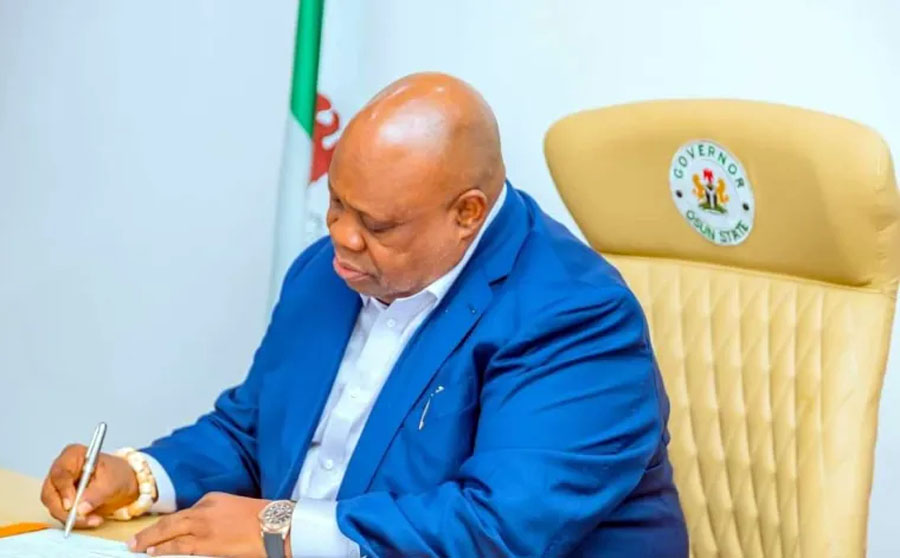
Osun Govt ‘withdraws’ suit over withheld LG funds









metro
Ex-APC Women Leader Found Dead With Throat Slit in Bauchi

Ex-APC Women Leader Found Dead With Throat Slit in Bauchi
A former APC Women Leader in Bauchi South, Jemimah Dutse, has been found dead inside her residence in Bauchi State, with her throat allegedly slit by unidentified assailants.
Dutse was discovered in a pool of blood at her residence in Muazu New Layout, Yelwa, Bauchi, on Saturday, October 3, 2026.
The Bauchi State Police Command said the incident was reported at about 2:07pm by a 49-year-old man, following which detectives visited the residence and documented the scene.
Her body was subsequently evacuated to Abubakar Tafawa Balewa University Teaching Hospital (ATBUTH), Bauchi, for medical examination and autopsy.
The Commissioner of Police, Sani-Omolori Aliyu, directed that the case be transferred to the Homicide Section of the State Criminal Investigation Department (SCID) for a discreet and thorough investigation.
READ ALSO:
- Supreme Court Ruling: INEC Moves to Clarify Fate of 2027 Candidates
- Omokri Defends Tinubu Over Pension Record, Faults Linking President to 89-Year-Old’s Death
- Tantita Operations Push Oil Export Earnings to $9.39bn in Q2
The police said the investigation is focused on establishing the circumstances surrounding Dutse’s death and identifying the person or persons responsible.
The motive for the killing remains unknown, and authorities have not established any link between the death and Dutse’s previous political activities.
The command has appealed for calm and expressed condolences to Dutse’s family, friends and political associates, while assuring them that efforts are underway to unravel the circumstances surrounding her death.
The incident has also generated concern among residents and groups in Bauchi, with calls for a comprehensive investigation and improved security in the area.
The Take-It-Back Movement, Bauchi chapter, condemned the killing and called on security agencies to intensify efforts to identify and arrest those responsible.
The group also urged the authorities to conduct a high-powered investigation into the incident and strengthen security measures across Bauchi metropolis and surrounding communities.
Police said further developments would be communicated as the investigation progresses.
Ex-APC Women Leader Found Dead With Throat Slit in Bauchi

metro
Kidnappers torture abducted corps members, slash ransom to N100m
Kidnappers torture abducted corps members, slash ransom to N100m
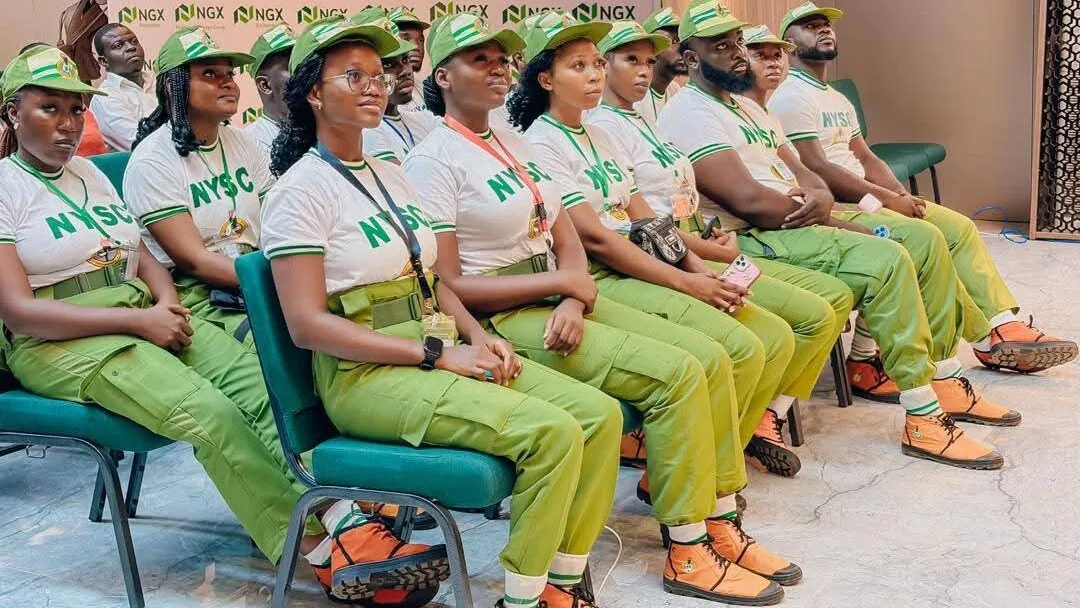
Relatives of 20 abducted corps members have raised fresh concerns over the safety of the victims, alleging that kidnappers have subjected them to physical torture while reducing their ransom demand to N100 million.
The prospective National Youth Service Corps (NYSC) members were reportedly travelling from Ibadan, Oyo State, to orientation camps in Abia and Akwa Ibom states when gunmen attacked two buses along the Owerri–Onitsha Road in Umunoha, Mbaitoli Local Government Area of Imo State, on October 1.
The abductors initially reportedly demanded N50 million from each victim, putting the total ransom at N1 billion.
However, relatives said the kidnappers have now reduced the demand to N5 million per victim, bringing the total to N100 million.
The families also alleged that the abducted corps members were being beaten in captivity, including female victims, raising fears over their physical condition as the rescue operation continues.
A relative of one of the victims, Alimot Akande, said the situation had become increasingly frightening, appealing to the authorities to intensify efforts to secure the victims’ safe release.
According to the relatives, the abductors have maintained contact with some families through the phones of the captives and have used the communication to demand ransom.
READ ALSO:
- Family seeks N10m to free kidnapped newlywed, other victims
- Trump launches ‘Super Intelligence Force’ to keep US ahead in AI race
- NDLEA intercepts N5bn worth of drugs at ports, arrests Milan-bound businessman
The families had earlier appealed to the Olubadan of Ibadanland, Oba Rashidi Ladoja, for intervention after the kidnappers reportedly demanded the initial N1 billion ransom.
Meanwhile, security agencies have intensified efforts to locate the kidnappers’ hideout and rescue the victims.
The Imo State Police Command said its operatives had traced the suspected kidnappers to a location in the bush. However, the operation has reportedly been complicated by intelligence that the area may have been planted with improvised explosive devices (IEDs).
The police said drone surveillance was used to identify the suspected location of the captives, with plans underway to deploy additional operational equipment to safely access the area.
The Inspector-General of Police, Olatunji Disu, has also deployed the Deputy Inspector-General of Police in charge of Operations, Shehu Umar Nadada, to Imo State to coordinate the rescue operation.
Nadada subsequently reviewed the security deployment and directed additional tactical resources towards efforts to rescue the abducted corps members.
Police authorities have assured the families that efforts are ongoing to locate the victims and bring them home safely.
There have also been varying reports over the exact number of people abducted and those already rescued. The police initially reported that some victims had been rescued after the attack, while relatives continued to maintain that 20 prospective corps members remained affected by the abduction.
The two buses involved in the incident have reportedly been recovered as security agencies continue operations around the area.
The Oyo State Government has also joined efforts to secure the release of the victims, maintaining contact with the Imo State Government and security agencies.
The incident has renewed concerns about the safety of prospective corps members travelling to NYSC orientation camps, particularly along major highways where kidnapping remains a persistent security challenge.
For the affected families, the immediate priority remains the safe return of their loved ones as security agencies work to overcome the reported explosives threat and reach the suspected kidnappers’ hideout.
Kidnappers torture abducted corps members, slash ransom to N100m
metro
Family seeks N10m to free kidnapped newlywed, other victims
Family seeks N10m to free kidnapped newlywed, other victims
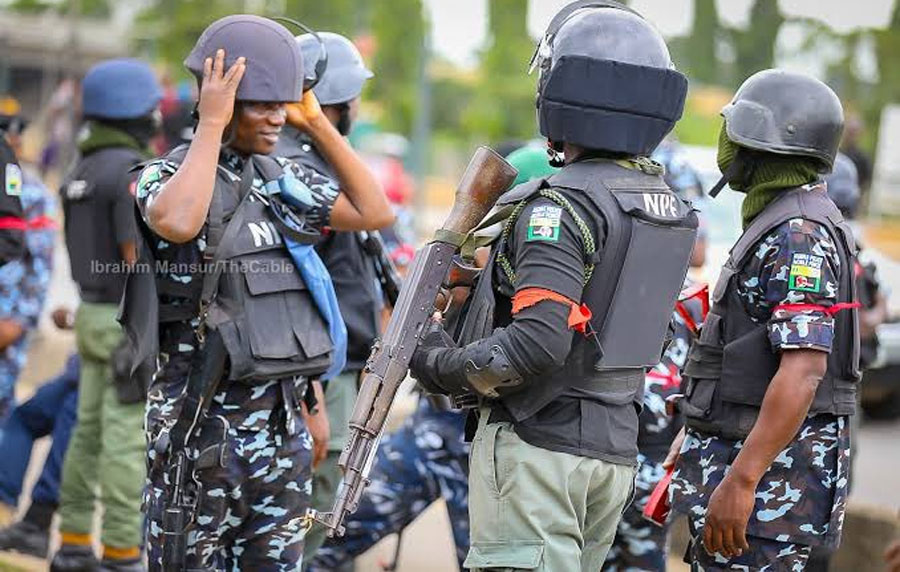
The family of a newlywed woman kidnapped in Kwara State has appealed to Nigerians for financial assistance to raise ₦10 million being sought for the release of her and other victims still held by their abductors.
The victims were among six passengers reportedly abducted along the Eruku-Iyemero Road, a route linking communities in Kwara and Kogi states.
The incident involved newlyweds Funmilayo Bamidele and Rev. Abiodun David, who were travelling with other passengers when suspected kidnappers intercepted their vehicle.
Following the abduction, the victims’ vehicle was reportedly found abandoned around Ayetoro in Ekiti State, prompting security agencies and authorities from Kwara, Kogi and Ekiti to intensify efforts to locate the victims and rescue them.
READ ALSO:
- JUST IN: WAEC appoints Suleiman Kum as new Nigeria National Office head
- Ojudu Reveals How Tinubu, He Narrowly Escaped Death In Third Mainland Bridge Crash
- Trump launches ‘Super Intelligence Force’ to keep US ahead in AI race
The family of Precious Alonge, one of those abducted, has now appealed for public support, saying they need to raise ₦10 million to secure the release of the captives.
The appeal comes amid growing concern over the safety of travellers using the route, which has witnessed security challenges and kidnapping incidents.
One of the six abducted passengers has reportedly been rescued, while efforts are continuing to secure the release of those still in captivity.
The families of the victims have continued to appeal for assistance as security agencies work to locate the kidnappers and secure the safe return of the remaining captives.
The incident has renewed concerns about kidnapping along inter-state roads in Nigeria, particularly routes connecting communities across Kwara, Kogi and Ekiti states.
Security authorities have yet to provide a full account of the circumstances surrounding the abduction or disclose details of any arrests made in connection with the incident.
The families are urging members of the public, community leaders and other well-meaning Nigerians to support their efforts to secure the safe release of the remaining victims.
Family seeks N10m to free kidnapped newlywed, other victims
-

 metro2 days ago
NYSC Kidnap: Abductors Demand N950m for 19 Prospective Corps Members in Imo
-

 Entertainment3 days ago
Olu Jacobs Laid to Rest in Lagos as Dignitaries, Nollywood Stars Honour Screen Icon
-

 Politics2 days ago
2027: Oshiomhole Dares Opposition Over ₦500 Petrol Promise, Says APC Will Take Argument to Nigerians
-

 International3 days ago
Trump Threatens Iran With ‘Very Hard’ Response Over Flydubai Attack
-

 metro3 days ago
Nigeria Launches 11-Character Digital Postcode System for Every Addressable Building
-

 metro2 days ago
Amaechi: Tinubu’s Policies Made My Mother’s Drugs Unaffordable
-

 Entertainment2 days ago
Less Than Four Months After Wedding, Jarvis Threatens Peller With Lawsuit Over Second-Wife Plan
-
 metro1 day ago
‘I Thought I Was Dead’ — Hairstylist’s Daring Escape From Kidnappers After Benin-Ore Ambush