
Politics
Osun poll: Some Aregbesola associates worked for me, says Adeleke

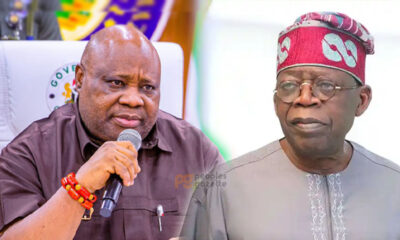
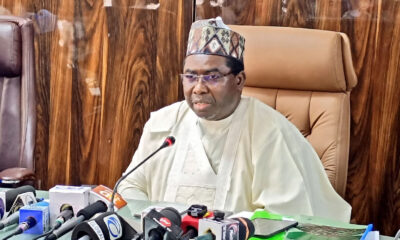
Governor-elect of Osun State, Ademola Adeleke, says some associates of Rauf Aregbesola, minister of interior, supported him during the governorship election.
The governor-elect spoke Monday in an interview on the Channels Televison.
On Sunday, Adeleke, candidate of the Peoples Democratic Party (PDP), was declared winner of the Osun governorship election.
Adeleke secured 403,371 votes to defeat his closest contender, Gboyega Oyetola of the All Progressives Congress (APC), who polled 375,027 votes.
The governor-elect had also contested in 2018 and polled ahead by less than 400 votes, but the election was declared inconclusive after the Independent National Electoral Commission (INEC) said the number of cancelled votes –over 3,000 — exceeded the difference between both parties.
Oyetola eventually become governor after he won the rerun, and although Adeleke challenged the election outcome, the supreme court, in July 2019, upheld Oyetola as winner of the poll.
Adeleke’s victory has stirred varied reactions, with some political analysts saying the feud between Aregbesola, a former Osun governor, and Oyetola contributed to the defeat of the APC.
Prior to the election, Aregbesola and Oyetola fell out over the tussle for control of the Osun APC leadership.
The minister was also absent during the party’s campaign in the state, and did not vote in the election.
Speaking on the claim that Aregbesola supported the PDP, Adeleke said he did not work with the minister on his governorship bid.
“I did not work with Aregbesola. I didn’t even talk to him, but all I know is his associates, for example, Kolapo Alimi, one of the lawyers that represented Oyetola at the tribunal,” he said.
“Then, anytime I saw him (Alimi) in court, because I’m a civilised person, I will go to them and greet them and say ‘how are you doing?’ It was later he apologised and said ‘he was thinking ‘why is senator Adeleke greeting me? We are trying to mess him up and he is still greeting me’.
“But he later told me that while I was greeting him, I didn’t know that I was giving them poison. They knew that I won the election and they rigged me out and I was still greeting them. I believe that Aregbesola and Oyetola fell out.
“He (Alimi) came to me and said he has watched me and that he wants to join our party and we accepted. But Aregbesola directly? No. But we know a lot of top APC that joined.
“Assuming that I had been talking to Aregbesola one way or the other, then I would say that maybe he gave them go-ahead to support me.
“These people have grown; they have their own minds to decide if they want to join me or not. They believed that I was the one to beat and they came to me. I won’t know whether Aregbesola gave them go-ahead or not, because I have not been talking to Aregbesola.”
Asked what was his reaction when Oyetola and Aregbesola fell out, the governor-elect said he thanked God for the development, while admitting that the conflict paved the way for his victory.
“I said God is good. These (Aregbesola and Oyetola) are the people that colluded that time. They were together. Kolapo Alimi told me the truth that they robbed me. Even the President said it when he came over here that they won the election through remote control,” he said.








Politics
ADC Reps Demand Prosecution, Removal of INEC Chairman
ADC Reps Demand Prosecution, Removal of INEC Chairman
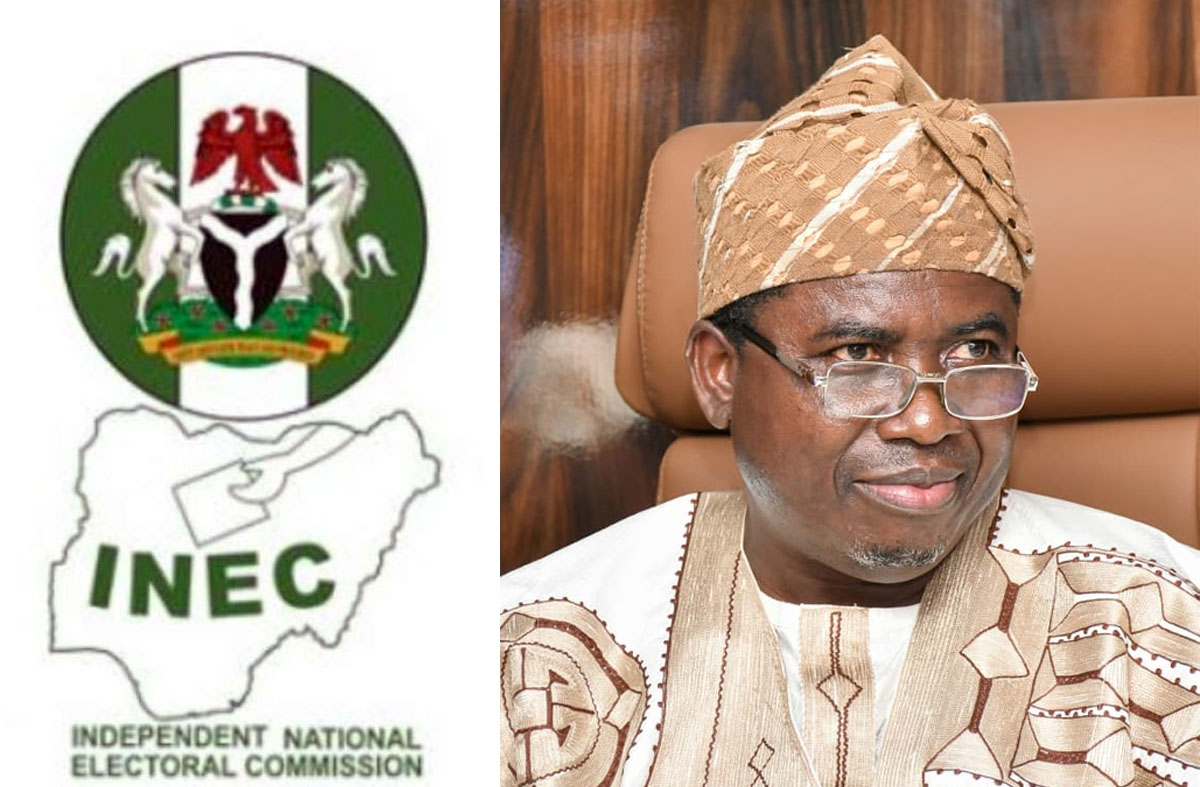
The African Democratic Congress (ADC) caucus in the House of Representatives has called for the immediate prosecution and removal of the Chairman of the Independent National Electoral Commission, Prof. Joash Amupitan, over allegations of partisanship, compromised neutrality, and actions capable of undermining the credibility of the 2027 general elections.
The lawmakers made their position known after an inaugural caucus meeting held on Sunday, April 12, 2026, where they reviewed recent political developments and expressed concern over what they described as declining public trust in Nigeria’s electoral umpire.
In a strongly worded resolution, the ADC legislators alleged that the INEC chairman had engaged in conduct inconsistent with the expectations of an impartial electoral official. They claimed that his actions and public expressions raised questions about his neutrality in the discharge of his constitutional duties.
A key allegation raised by the caucus is that the INEC chairman allegedly operated a personal X (formerly Twitter) account where he was said to have expressed political opinions perceived as supportive of the ruling All Progressives Congress (APC) and made posts relating to sensitive national issues, including claims of religious persecution in Nigeria.
Although INEC has previously denied any connection between Prof. Amupitan and the account in question, the lawmakers insisted that online investigations and digital claims circulating in the public space warrant deeper scrutiny and official clarification.
READ ALSO:
- Wike Denies ADC Was Blocked From Using Eagle Square for Convention
- Judge Dismisses Trump’s $10bn Defamation Suit Against WSJ Over Epstein Report
- OAU Students Begin 72-Hour Lecture Boycott Over Transport Crisis
“The office of the INEC chairman is too critical to be tainted by allegations of partisanship,” the caucus stated, warning that failure to address the issue could erode confidence in the electoral process ahead of 2027.
The lawmakers further alleged that under Amupitan’s leadership, INEC has taken steps they consider prejudicial to the ADC, including what they described as recognition of a disputed internal leadership faction within the party. They argued that the commission’s actions interfere in internal party affairs and undermine its role as an independent electoral referee.
The caucus also raised concerns over an ongoing court case involving the ADC’s leadership dispute, scheduled for hearing on April 14, 2026, alleging possible undue influence and warning against what they described as judicial interference in party matters.
Citing provisions of the Electoral Act, the lawmakers argued that internal party disputes should not be subjected to external interference and urged strict adherence to constitutional and legal boundaries governing political party administration.
Beyond INEC, the ADC caucus also announced plans to petition the National Judicial Council (NJC), accusing some judicial officers of compromised conduct in politically sensitive cases. They called for investigations into alleged misconduct and possible disciplinary action where necessary.
The lawmakers referenced recent concerns raised by the Nigerian Bar Association (NBA) leadership over judicial independence and alleged political influence, including the controversial practice of political figures making donations or gifts to judicial officers.
Describing the situation as an “existential threat” to Nigeria’s democracy, the ADC lawmakers urged Nigerians to defend democratic institutions and ensure accountability across all arms of government.
They also lamented what they described as a decline in judicial integrity, citing respected jurists such as Justice Chukwudifu Oputa, Justice Niki Tobi, Justice Kayode Eso, and Justice Mohammed Uwais as benchmarks for judicial independence and credibility.
Reaffirming their position, the caucus insisted that INEC must not only be independent in name but must demonstrate transparency, impartiality, and credibility in both perception and practice, warning that any erosion of trust could have serious consequences for Nigeria’s democratic stability.
ADC Reps Demand Prosecution, Removal of INEC Chairman
Politics
2027: Tinubu Knows Opposition Playbook, Always Ahead — Festus Keyamo
2027: Tinubu Knows Opposition Playbook, Always Ahead — Festus Keyamo
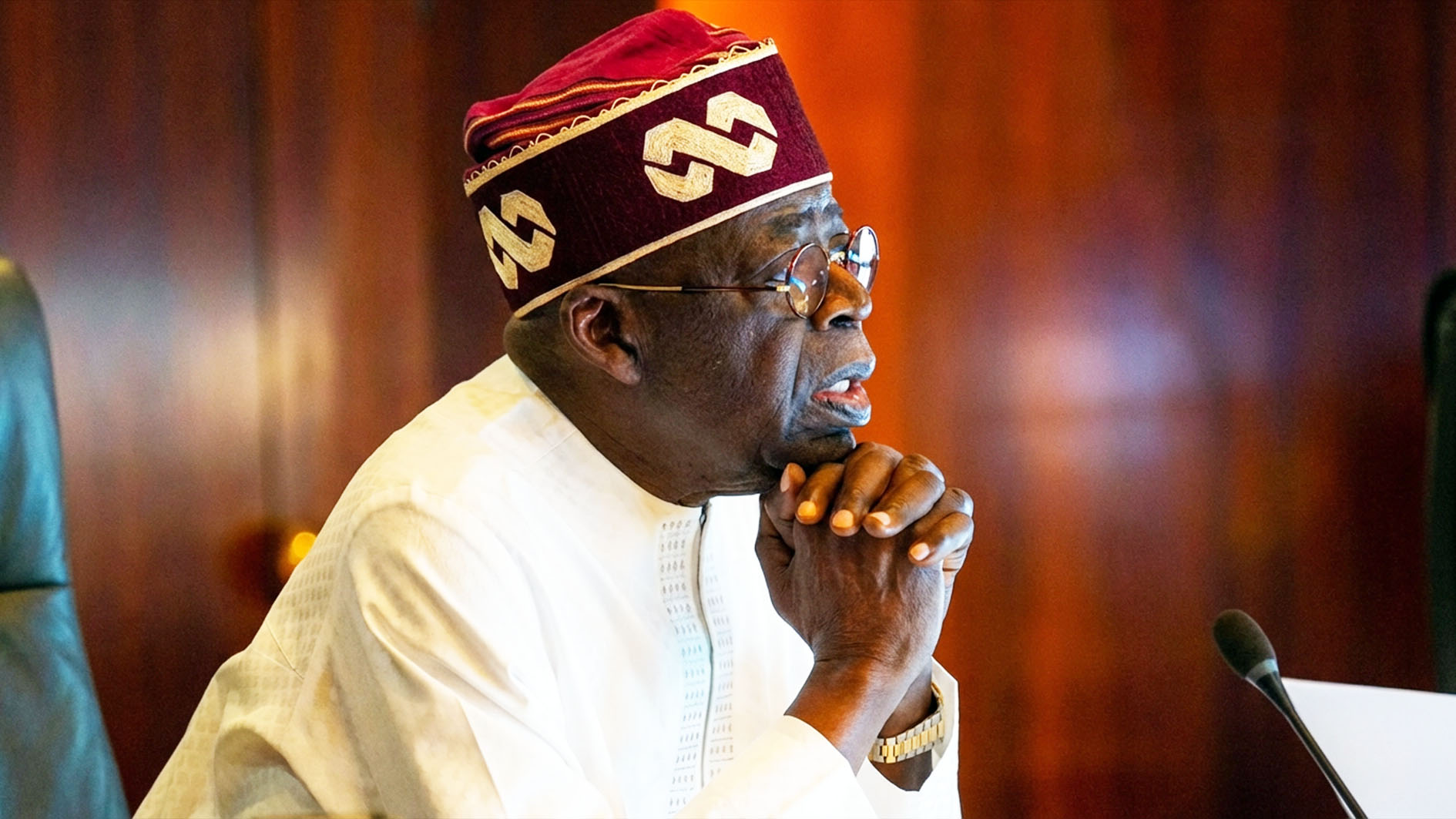
The Minister of Aviation and Aerospace Development, Festus Keyamo, has expressed confidence that President Bola Ahmed Tinubu and the ruling All Progressives Congress (APC) are fully prepared for the 2027 general elections, insisting that the President is “ahead of opposition strategies.”
Keyamo made the remarks in a post on social media on Sunday, where he praised Tinubu’s political resilience and experience, saying the President has consistently outmaneuvered opposition parties throughout his political career.
He said Tinubu’s political journey—from opposition leader to President—has given him deep insight into how rival parties operate, making it difficult for them to surprise him.
According to him, Tinubu successfully navigated Nigeria’s political landscape as a leading opposition figure and later as the only opposition governor in the South-West during the early 2000s, a period he said shaped his strategic approach to politics.
READ ALSO:
- Official, Black Market Rates Diverge as Naira Starts Week on Stable Note
- Kwankwaso Reveals Details of Kwankwasiyya’s ADC Power-Sharing Formula
- ADC Crisis: Supreme Court to Hear David Mark’s Appeal April 14
“The very unique thing about President Asiwaju Bola Ahmed Tinubu is that he fought from the deep end of opposition to become President of Nigeria and today, he has totally flipped the script on the PDP,” Keyamo said.
He added that opposition parties are currently working with strategies that are already familiar to Tinubu, arguing that the President understands and anticipates their moves.
“Every step the opposition takes today and every strategy they adopt is from the playbook of President Bola Ahmed Tinubu. He knows and understands every single step against him before they even conceive it,” he said.
Keyamo further claimed that Tinubu remains “ahead by 100 steps” in political calculations, warning that efforts to unseat him in 2027 would be extremely difficult.
“You cannot beat the master at his own game; you cannot outfox the man who taught almost all of us how to play opposition politics,” he added.
The comments come amid growing political realignments and early coalition talks among opposition parties ahead of the 2027 elections, as Nigeria’s political landscape begins to take shape ahead of the next electoral cycle.
Political observers say such remarks highlight increasing political tension between the ruling party and opposition blocs, who have intensified criticism of the administration’s economic and governance policies.
2027: Tinubu Knows Opposition Playbook, Always Ahead — Festus Keyamo
Politics
Kwankwaso Reveals Details of Kwankwasiyya’s ADC Power-Sharing Formula
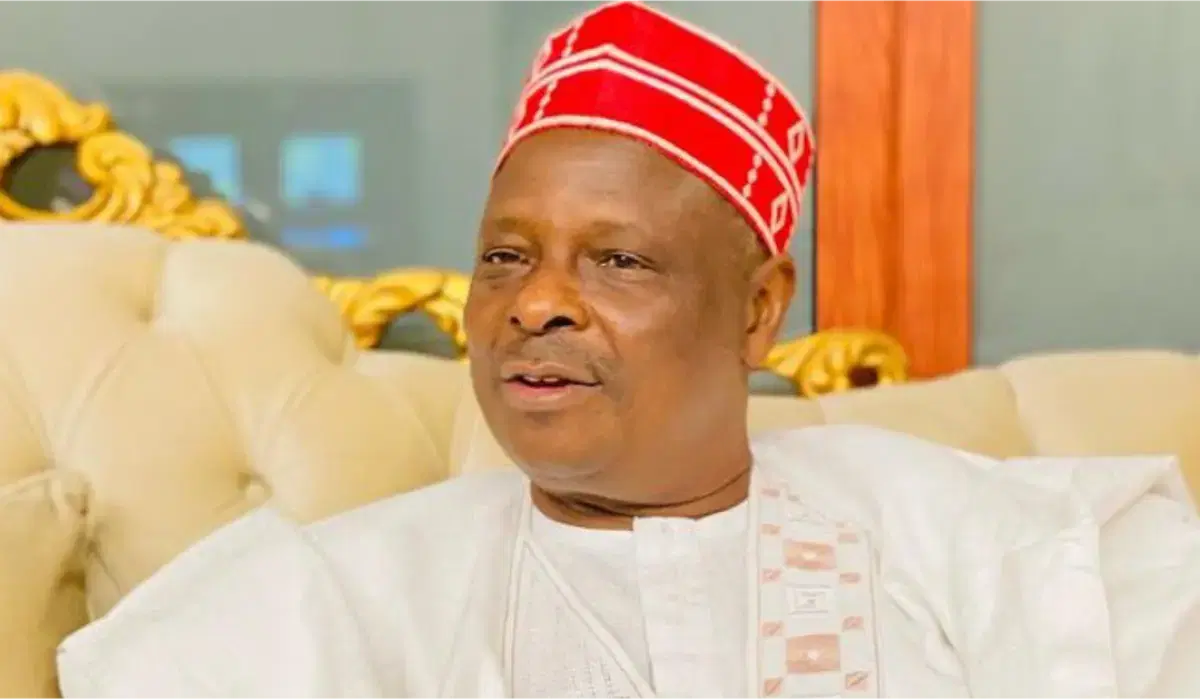
Kwankwaso Reveals Details of Kwankwasiyya’s ADC Power-Sharing Formula
Leader of the Kwankwasiyya Movement and former Kano State governor, Rabiu Musa Kwankwaso, has explained why his group accepted a reduced share in the power-sharing arrangement within the African Democratic Congress (ADC), despite being initially offered a larger portion.
Kwankwaso disclosed this while speaking to supporters of the movement in Kano over the weekend, saying the decision was taken to promote inclusiveness and strengthen internal cohesion within the emerging opposition structure.
According to him, the bloc that transitioned from the New Nigerian Peoples Party (NNPP) into the ADC was initially offered about 80 per cent of positions within the party structure, while the remaining 20 per cent was to go to other stakeholders.
However, he said the group opted to accept a 60–40 arrangement instead.
“They gave us 60 per cent and the old ADC took 40 per cent. In the presence of the national leadership, they offered 80 per cent but we said no and took 60,” Kwankwaso told his supporters.
He explained that the decision was deliberate, stressing that the Kwankwasiyya Movement prioritises unity over dominance.
“We showed them that we want everyone else to come in,” he said.
READ ALSO:
- ADC Crisis: Supreme Court to Hear David Mark’s Appeal April 14
- FG Boosts Power Generation to 4,300MW in Two Weeks — Adelabu
- Stop Blaming Tinubu, Focus on States, LGs — Lagos Lawmaker
Kwankwaso added that the move was consistent with his group’s previous political strategy, recalling a similar arrangement during their political transition from the Peoples Democratic Party (PDP) to the All Progressives Congress (APC), where power-sharing was also structured around compromise.
“When we came from PDP to APC that time, we had government and we did the same—60-40,” he said.
He maintained that political stability and long-term strategy were more important than controlling party structures, especially as opposition groups reposition ahead of the 2027 general elections.
The former governor also revealed that Kwankwasiyya members currently occupy leadership positions across all 44 local government areas of Kano State, including chairmanship roles and other key administrative positions.
However, he noted that some of these positions were later reduced following complaints and negotiations with other stakeholders.
“In every local government, we are the ones who have chairmen and other leaders across the 44, but after an outcry, we have given them 10 out of the 44,” he said.
Kwankwaso urged supporters to remain patient and avoid unnecessary pressure over appointments, stressing that political inclusion must balance competence, eligibility, and broader party harmony.
“I want us to be patient enough. Don’t say you must be everywhere or insist on a particular person when that person may not even be eligible,” he added.
Political observers say the development reflects ongoing negotiations within opposition blocs as they attempt to build a more unified front capable of challenging dominant parties in future elections.
The Kwankwasiyya Movement remains one of the most influential political structures in northern Nigeria, with strong grassroots support and a disciplined mobilisation network.
Kwankwaso Reveals Details of Kwankwasiyya’s ADC Power-Sharing Formula

-
 metro2 days ago
JUST IN: FG Publishes List of 48 Individuals, Groups Linked to Terrorism Financing in Nigeria
-

 metro23 hours ago
BREAKING: Troops Arrest 15-Year-Old Linked to Killing of Gen Braimah in Borno
-

 metro2 days ago
42-Year-Old Married Woman Declared Missing Found in Hotel with Man
-
 Politics3 days ago
Did Faleke Just Reveal Lagos’ Next Governor? Party Moves Begin
-
 Politics2 days ago
2027: Oyo APC Governorship Aspirant Saheed Oladele Resigns From Party
-
 metro2 days ago
ADC Threatens Civil Disobedience To Force INEC Chairman To Resign
-

 Entertainment3 days ago
EFCC, Police Investigate Blessing CEO Over Alleged ₦300m Cancer Scam
-

 metro24 hours ago
Fayose Warns Makinde May Query Olubadan Over Absence at Ibadan Coronation Event