
Business
Petrol subsidy gulped N541bn in six months – NNPC
A total of N541.65 billion was expended on petrol subsidy between February and July 2021, the Nigerian National Petroleum Corporation has said.
This is contained in a document showing an NNPC’s presentation at the August 2021 Federation Account Allocation Committee meeting.
A breakdown of the petrol subsidy payments indicated that N25.37 billion was spent in February, N60.39 billion in March, and N61.96 billion in April.
The amount rose to N126.298 billion in May, N164.337 billion in June, and reduced to N103.286 billion in July.
The NNPC, which is currently the sole importer of petrol, has continued to bear the burden of underpriced sale of petrol of premium motor spirit (PMS).
The corporation has been deducting subsidy payments from oil and gas proceeds due to the three tiers of government.
Subsidy cost, according to the NNPC, prevented it from making any remittance to the FAAC in May.
The corporation deducted N126 billion in June; N114.3 billion in July; N170.4 billion in August from its remittance to FAAC in the aforementioned months.
The document showed that between January and August, the corporation made a contribution of N349.25 billion to the federal, state and local governments with a deficit of N1.12 trillion.
A breakdown of the FAAC remittances includes N90.86 billion in January; N64.16 billion in February; N41.18 billion in March; zero contributions in April; N38.61 billion in May; N47.16 billion in June and N67.28 billion in July.
It was also learn that the NNPC would deduct a total sum of N215.32 billion from its remittance to the FAAC in September.
“Out of the value shortfall of N143,286,281,752.62, the sum of N103,286,281,752.62 was applied on the gross domestic receipts before arriving at the net receipt of N67.28bn in order to make funds available for JV cost recovery to sustain the existing production level. The balance of N40bn will be deducted in subsequent months,” the NNPC document stated.
It also stated, “The July 2021 value shortfall of N175,317,701,294.80 & outstanding balance of N40bn will be deductible from the August 2021 proceeds due for sharing at the September 2021 FAAC meeting.”
Group Managing Director of the NNPC, Mele Kyari, had said the pump price of petrol should be N256 per litre as he disclosed that subsidy payments was gulping at least N140 billion monthly.






Railway
BREAKING: Several Passengers Injured as Abuja–Kaduna Train Derails After Collision
BREAKING: Several Passengers Injured as Abuja–Kaduna Train Derails After Collisio
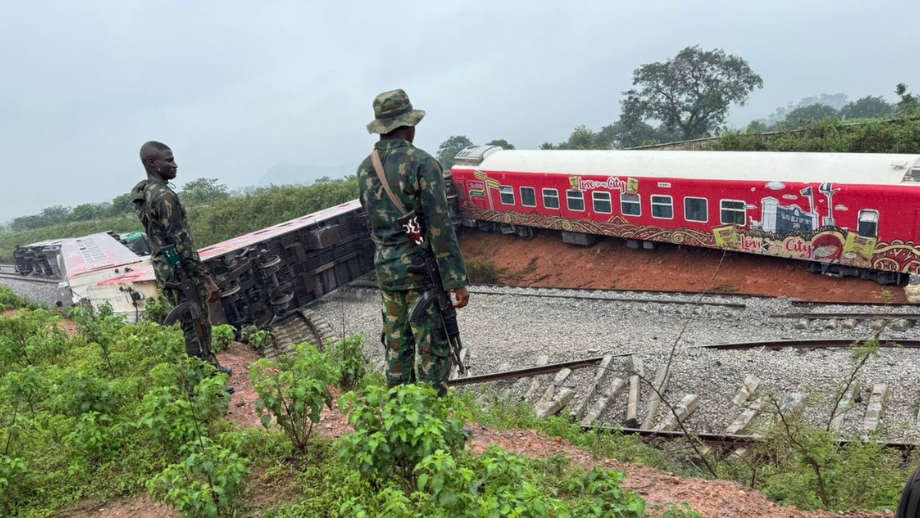
Several passengers were injured on Monday after a train travelling along the Abuja–Kaduna rail corridor derailed following a collision, authorities have confirmed.
The incident reportedly occurred near Asham along the busy rail line linking Abuja with Kaduna State, causing panic among passengers onboard the train.
The Managing Director of the Nigerian Railway Corporation (NRC), Kayode Opeifa, confirmed the development, stating that emergency response teams were immediately deployed to the scene following the derailment.
According to preliminary reports, the train derailed after colliding with another object on the track, though officials have yet to disclose full details about the circumstances surrounding the accident.
READ ALSO:
- Saudi Intercepts 63 Drones as Iran Denies Responsibility, Blames US, Israel
- Police Launch Forensic Investigation Into Fatal Osogbo Shooting
- Court to Rule on ICPC’s Request for 14‑Day Detention Extension for El‑Rufai
Several passengers sustained injuries during the incident and were evacuated to the medical facility at the Idu Railway Station for treatment. Authorities, however, said no fatalities had been recorded as of the time of filing this report.
Eyewitness accounts and videos circulating on social media showed damaged train coaches and railway personnel assessing the situation while stranded passengers gathered near the tracks after disembarking from the train.
The Abuja–Kaduna rail corridor is one of Nigeria’s busiest passenger routes and serves thousands of commuters daily, particularly travellers seeking a safer alternative to road transportation.
Officials of the Nigerian Railway Corporation said investigations have commenced to determine the exact cause of the collision and derailment.
More details are expected as authorities continue rescue operations and assess the extent of the damage.
BREAKING: Several Passengers Injured as Abuja–Kaduna Train Derails After Collision
Business
NAJA to Tinubu: Guarantee crude supply to local refineries to tame petrol prices
NAJA to Tinubu: Guarantee crude supply to local refineries to tame petrol prices
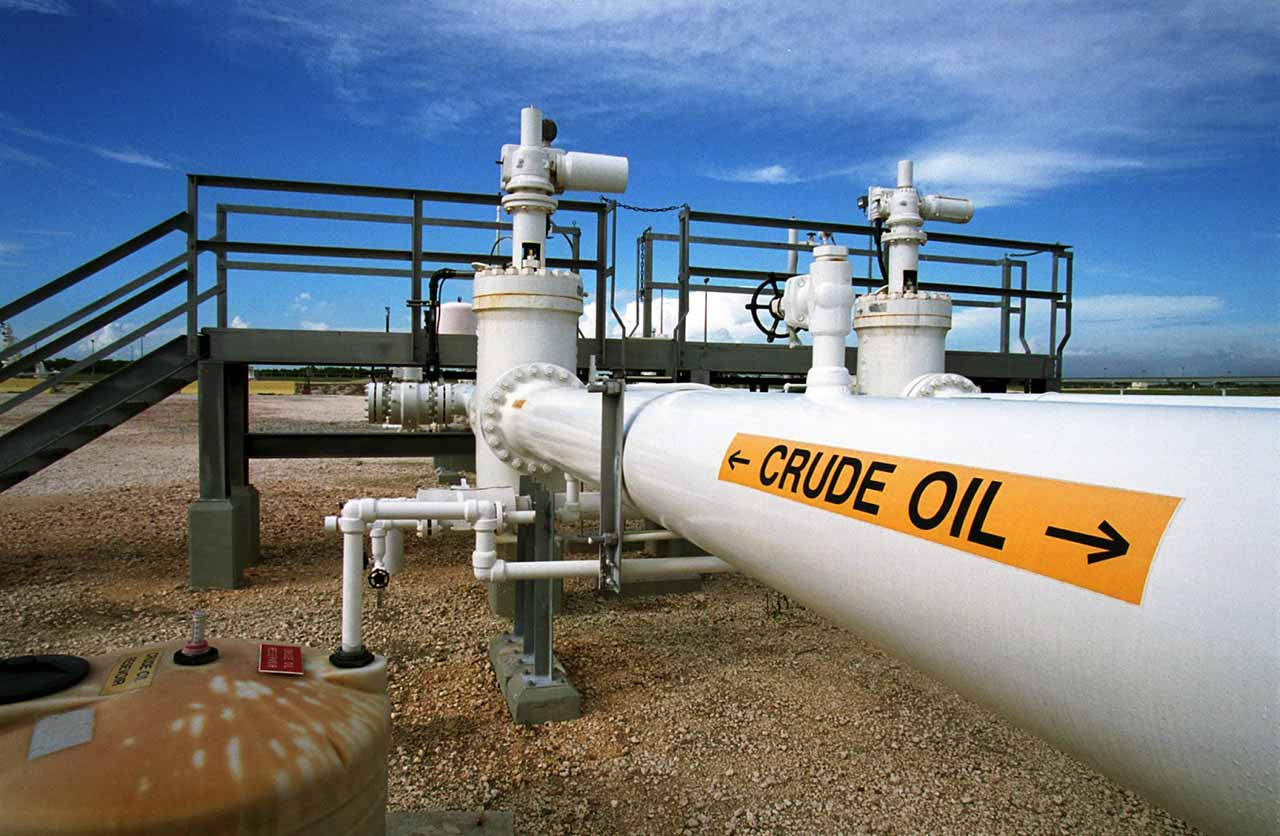
The Nigeria Auto Journalists Association (NAJA) has urged President Bola Tinubu to ensure steady supply of crude oil to domestic refineries, particularly the Dangote Refinery, as part of measures to reduce the impact of rising petrol prices.
The association said prioritising crude allocation to local refineries would help Nigeria reduce its exposure to global energy shocks currently driving up fuel costs amid tensions in the Middle East.
The call came days after the Federal Government unveiled a plan to distribute 100,000 Compressed Natural Gas conversion kits nationwide to encourage motorists to switch to alternative fuel and reduce dependence on petrol.
While describing the CNG initiative as a positive step, NAJA stressed that strengthening domestic refining through reliable crude supply remains a more sustainable solution to Nigeria’s fuel pricing challenges.
NAJA Chairman, Theodore Opara, said the government should adopt policies that allow local refineries to obtain crude directly from the Nigerian National Petroleum Company Limited (NNPC), preferably in naira.
According to him, the current arrangement—where the Dangote Refinery imports a large share of its crude—leaves the facility vulnerable to global supply disruptions and price fluctuations.
“Dangote Refinery imports most of its crude, hence it is exposed to the effects of the ongoing crisis in the Middle East,” Opara said. “Direct crude supply from the NNPC will strengthen the country’s long-term energy diversification strategy and reduce exposure to international supply shocks.”
He noted that despite being Africa’s largest crude oil producer, Nigeria still depends heavily on imported refined petroleum products, a situation that continues to expose the economy to volatility in the international oil market.
Opara argued that allowing domestic refineries to source crude locally and transact in naira would not only stabilise the downstream petroleum sector but also reduce pressure on the local currency.
“If Nigeria’s major refineries, including Dangote, receive crude locally and transact in naira, the country will reduce its vulnerability to global market disruptions,” he said.
He added that while the government’s CNG programme could provide relief for motorists in the medium term, ensuring optimal operation of domestic refineries would deliver quicker and more far-reaching benefits for fuel pricing.
“CNG is a good transition policy for transportation, but the backbone of Nigeria’s fuel supply must still come from efficient domestic refining,” he said.
Industry analysts say a coordinated strategy that combines the CNG initiative with strong support for domestic refining could help shield Nigerian consumers from the impact of international oil market volatility.
Business
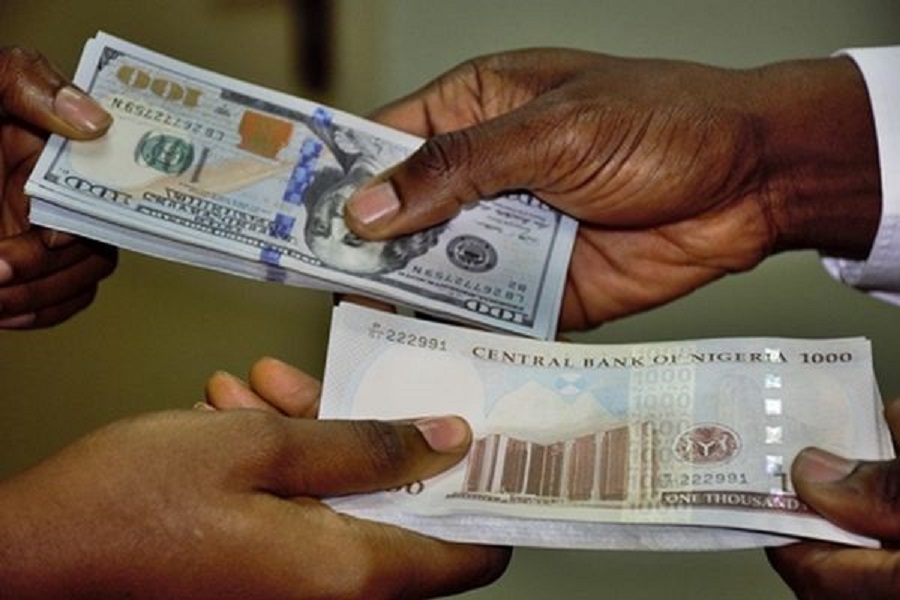
Naira Gains Ground in Official FX Market, Ends Week on High Note
Naira Gains Ground in Official FX Market, Ends Week on High Note
The Nigerian naira ended the week on a stronger footing at the official foreign exchange (FX) market, closing at ₦1,366.23 per US dollar on Friday, according to the Central Bank of Nigeria (CBN). This marked a ₦5.27 gain over Thursday’s rate of ₦1,371.50, representing a 0.3% weekly improvement.
Throughout the week, the naira recorded steady gains, reflecting improved liquidity in the official FX window and growing confidence among investors and traders. On Monday, the currency opened at ₦1,405.62 per dollar, appreciating slightly to ₦1,401.40 on Tuesday and ₦1,376.19 on Wednesday before closing stronger on Friday. Analysts said this upward trend signals a stabilising official exchange market amid ongoing monetary reforms.
READ ALSO:
- Nigeria’s Oil Industry to Get Boost as Tinubu Approves Petroleum Reform Taskforce
- US Offers $10M Reward for Info on Iran’s Supreme Leader Mojtaba Khamenei
- Anambra Govt Arrests Native Doctor Accused of Luring Youths With Ritual Wealth
Market observers attribute the naira’s appreciation to a combination of enhanced FX supply, consistent trading activities, and the CBN’s continued interventions to boost stability in the official market. The gradual recovery is seen as a positive indicator for importers, businesses, and consumers, as it helps moderate inflationary pressures and reduces the cost of foreign-denominated goods.
While the official market shows signs of stability, rates in the parallel market remain influenced by demand pressures. Experts, however, note that narrowing the gap between official and parallel exchange rates will require sustained policy consistency, stronger FX inflows, and continued investor participation.
The recent performance underscores the resilience of the naira and highlights the impact of strategic interventions by the Central Bank aimed at strengthening the currency, improving market depth, and supporting Nigeria’s broader economic recovery objectives.
Naira Gains Ground in Official FX Market, Ends Week on High Note

-

 Railway19 hours ago
BREAKING: Several Passengers Injured as Abuja–Kaduna Train Derails After Collision
-

 metro3 days ago
Popular Pastor Agbala Gabriel Faces Fraud, Sexual Allegations
-

 International3 days ago
Iranian Missile Strike Damages Five US Refueling Tanks at Saudi Air Base
-

 metro16 hours ago
Court Screens Video Showing NDLEA Allegedly Helping Cocaine Smugglers at Enugu Airport
-

 metro3 days ago
Tonto Dikeh Admits Past Mistakes Amid ₦200M Schoolgirl Deliverance Lawsuit
-

 International2 days ago
Iran–Israel Conflict Escalates As IRGC Threatens To Kill Netanyahu
-

 International3 days ago
Old Dominion University Shooting: Terrorism Suspect Had Links to Nigeria-Based ISIS
-
 metro22 hours ago
Tinubu Orders Nationwide Free Rice Distribution for Ramadan, Lent Support