

Education
Polytechnic lecturers threaten strike, give 15-day ultimatum
Polytechnic lecturers threaten strike, give 15-day ultimatum
The Academic Staff Union of Polytechnics (ASUP) has given the Federal Government a 15-day ultimatum to address their unresolved demands or risk industrial action.
This decision was announced by ASUP National President, Mr. Shammah Kpanja, during a press briefing following the union’s National Executive Council (NEC) meeting held on Thursday in Abuja.
Kpanja explained that the ultimatum was necessary due to the government’s continued inaction on several critical issues within the polytechnic sector.
“Our union hereby issues a 15-day ultimatum, starting from Oct. 7, for the proprietors of public polytechnics to address these issues,” he said. “If by the end of the ultimatum nothing is resolved, the union’s NEC will reconvene to determine a course of action to address the situation.”
He further noted that union members across various zones and chapters have been instructed to prepare for action, which could include congresses, peaceful protests, and media campaigns.
“It is our hope that within this 15-day period, the government will take steps to resolve these matters and avoid a complete shutdown of the sector,” Kpanja added.
READ ALSO:
- NPA to coordinate sale of crude oil in naira
- 960 APC members defect to NNPP in Kano
- Electricity tariff will drop soon – Power minister
The union’s key demands include a review and reversal of actions that contradict the Federal Polytechnics Act and other governance frameworks within the sector. Additionally, ASUP called for the immediate review of the 2023 polytechnic schemes of service, which had been suspended, as agreed during the July 2024 tripartite meeting.
Other demands include the release of the second tranche of the NEEDS Assessment intervention for polytechnics and Colleges of Technology, cessation of any actions that undermine the responsibilities of polytechnic academic boards in student admissions, and the inclusion of negotiated academic allowances in the budget.
“Immediate implementation of the approved 25/35 per cent salary review for all public polytechnics and payment of accrued arrears must also be done without delay,” Kpanja emphasized.
He further highlighted the need for the release of funds for the long-overdue CONTISS 15 migration arrears for lower cadre staff and called for the recommencement of the renegotiation of the ASUP/FGN 2010 agreement.
Kpanja concluded by stressing the importance of issuing the reviewed conditions of service to facilitate the implementation of promotions in state-owned institutions and to clear outstanding promotion arrears in federal polytechnics and Colleges of Technology.
“In line with these demands, and in our commitment to advocating for a functional polytechnic education system, we hope the government will act swiftly,” he said.
Polytechnic lecturers threaten strike, give 15-day ultimatum










Education
UNILAG Gets 10 CNG Buses as FG Expands Campus Transport Scheme to 60 Institutions
UNILAG Gets 10 CNG Buses as FG Expands Campus Transport Scheme to 60 Institutions
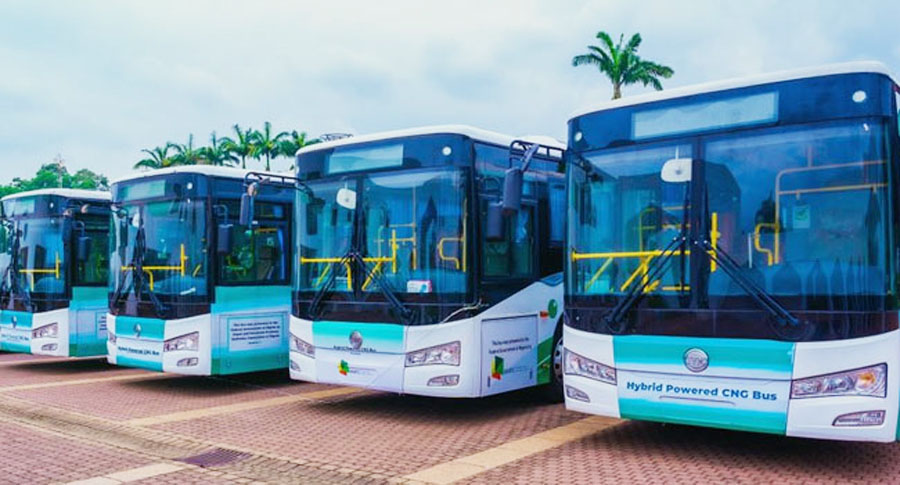
The Federal Government has announced plans to expand its Compressed Natural Gas (CNG) campus transportation programme to 60 tertiary institutions, with the University of Lagos (UNILAG) set to receive 10 CNG-powered buses to ease the movement of students and staff.
The Minister of Education, Dr Maruf Tunji Alausa, announced the intervention on Friday, November 20, 2026, during the commissioning of a CNG daughter station and vehicle conversion centre at UNILAG.
The initiative is being implemented under the Federal Government’s Special Palliative Relief on University Transportation (Project SPROUT), which seeks to reduce transportation costs in tertiary institutions through the adoption of cleaner and more affordable energy.
Similar facilities were commissioned at the University of Ibadan (UI), the Federal University of Technology, Akure (FUTA), and the Federal University Oye-Ekiti (FUOYE), with representatives of the institutions participating remotely in the ceremony.
Alausa said the programme initially targeted 20 federal universities but would be extended to an additional 40 federal tertiary institutions, bringing the total number of intended beneficiaries to 60.
He explained that the provision of CNG-powered buses and conversion facilities was designed to reduce the financial burden on students who make several trips daily between their hostels, lecture halls, laboratories and other parts of their campuses.
Under the arrangement, UNILAG will receive 10 CNG buses, while the University of Ibadan, FUTA and FUOYE will each receive five buses.
The minister also announced plans to provide 1,000 vehicle conversion kits for members of staff at UNILAG, as part of efforts to encourage the transition from petrol-powered vehicles to CNG.
He urged university managements and transport operators to ensure that the savings from using CNG were reflected in affordable transportation fares and reliable shuttle services.
Alausa illustrated the potential savings by comparing the cost of travelling from Lagos to Ibadan. According to him, a journey that could cost about N10,000 using petrol would cost approximately N2,500 with CNG.
READ ALSO:
- Military Kills 21 ISWAP Fighters in Borno Airstrikes, 26 Surrender
- Doctor Shortage: FG Increases Medical Student Admissions by 140%
- 2027: Tinubu Urges Oyo Voters to Stick With APC, Promises More Development
He challenged the university management and students to monitor the impact of the intervention, promising to engage the Vice-Chancellor if transportation fares did not reduce within three months.
The minister also said the conversion centres would serve as practical training facilities for students studying engineering, technology and related disciplines, exposing them to vehicle conversion, gas infrastructure management and maintenance.
Beyond transportation, Alausa highlighted other Federal Government interventions planned for UNILAG, including the provision of more than 2,000 hostel bed spaces and a 12-megawatt solar mini-grid project to improve electricity supply.
He said the government was working towards delivering more than 50,000 hostel bed spaces across tertiary institutions by the end of 2027. UNILAG is expected to benefit from 1,700 bed spaces at its Akoka campus and another 350 at its College of Medicine.
The Vice-Chancellor of UNILAG, Professor Folasade Ogunsola, described the commissioning of the CNG station and conversion centre as a significant development in the university’s efforts to promote sustainability, cleaner energy and improved welfare for students and staff.
She said the facility would also create opportunities for research, teaching, innovation and practical engagement with emerging energy technologies.
Ogunsola disclosed that the university would offer 10 complimentary vehicle conversion slots to selected beneficiaries through a ballot, while other members of the university community would have access to conversion services at discounted rates.
The Executive Director of the Nigerian Midstream and Downstream Gas Infrastructure Fund (MDGIF), Oluwole Adama, said the project demonstrated the Federal Government’s commitment to expanding domestic gas utilisation and ensuring that the country’s natural gas resources delivered practical benefits to Nigerians.
He disclosed that the fund’s portfolio comprised 31 projects involving 205 infrastructure assets across the country.
Adama also said the UNILAG facility was among the CNG infrastructure projects being delivered through collaboration between the Federal Government and private-sector partners.
The Managing Director of FEMADEC Energy Limited, Fola Akinnola, said the company was working with the government to expand CNG infrastructure across tertiary institutions.
He explained that the facilities would provide more than transportation support, serving as training hubs where students could acquire practical skills in gas infrastructure operations, vehicle conversion, maintenance and safety management.
The President of the National Association of Nigerian Students, Akinteye Babatunde Afeez, welcomed the intervention, describing Project SPROUT as a practical response to the transportation difficulties faced by students.
He, however, called on university managements, transport operators and students to ensure that the facilities were properly maintained and that the expected savings translated into lower fares.
The Federal Government’s expansion plan comes amid continuing concerns over the cost of transportation and the financial pressures facing students in Nigerian tertiary institutions.
With the proposed extension to 60 institutions, the government says it hopes to improve campus mobility, reduce dependence on petrol and promote the use of Nigeria’s natural gas resources.
UNILAG Gets 10 CNG Buses as FG Expands Campus Transport Scheme to 60 Institutions
Education
Doctor Shortage: FG Increases Medical Student Admissions by 140%

Doctor Shortage: FG Increases Medical Student Admissions by 140%
The Federal Government has increased annual admissions into Nigerian medical schools from approximately 5,000 to 12,000 students, with plans to raise the figure to more than 20,000 by the end of 2028.
The Minister of Education, Dr Maruf Tunji Alausa, disclosed this on Saturday, November 21, 2026, while speaking at the inauguration of a 192-bed hostel at the College of Medicine, University of Ibadan (UI).
Alausa, who represented President Bola Ahmed Tinubu at the ceremony, said the increase was part of the government’s efforts to expand Nigeria’s healthcare workforce, address the shortage of medical professionals and strengthen the country’s capacity to deliver quality healthcare.
According to the minister, annual admissions into medical schools have risen from approximately 5,000 before the Tinubu administration assumed office in May 2023 to about 12,000 currently.
He said the government was determined to sustain the expansion and achieve its target of admitting more than 20,000 medical students annually by the end of 2028.
“We decided that in four years, we will increase the number to 20,000 annually.
“Three years into it, we are enrolling about 12,000 medical students now across all our medical schools in the country, and by the end of 2028, we will meet our target of enrolling over 20,000 medical students,” Alausa said.
The minister explained that expanding medical school admissions was necessary to increase the number of trained healthcare professionals available to serve Nigerians, particularly amid the continued migration of doctors and other health workers to foreign countries.
READ ALSO:
- 2027: Tinubu Urges Oyo Voters to Stick With APC, Promises More Development
- 2027: PDP Rejects Opposition Coalition, Backs Wike’s Rainbow Alliance
- FBI Investigates Apparent Hack of Criminal Database Containing Sensitive Law Enforcement Records
He also disclosed that annual admissions into nursing programmes had increased from approximately 28,000 to more than 130,000 under the current administration.
Alausa said the expansion was not limited to medicine and nursing, noting that the government had also increased enrolment opportunities in other health-related programmes, including dentistry, pharmacy, physiotherapy and allied health disciplines.
He attributed the developments to government investments in educational infrastructure and efforts to expand the capacity of tertiary institutions to accommodate more students.
The minister disclosed that the Federal Government had invested nearly N500 billion in educational infrastructure, covering the construction and rehabilitation of schools, expansion of medical education facilities and renovation of engineering workshops.
He identified the Nigeria Education Sector Renewal Initiative as one of the programmes through which the administration was pursuing improvements in the country’s education system.
Alausa also highlighted the role of the Nigerian Education Loan Fund (NELFUND) in widening access to tertiary education, particularly for students from economically disadvantaged backgrounds.
He said the student loan programme was helping to remove financial barriers to higher education and enabling more Nigerians to pursue their academic ambitions.
The minister urged journalists to verify the figures on nursing and medical student admissions through the relevant professional regulatory bodies, including the Nursing and Midwifery Council of Nigeria.
The Federal Government’s admission expansion comes amid growing concerns over the migration of Nigerian doctors, nurses and other healthcare professionals to countries offering better remuneration, working conditions and career opportunities.
The migration, popularly referred to as Japa, has intensified concerns about shortages of skilled personnel in Nigerian hospitals and the pressure on the country’s healthcare delivery system.
However, expanding admission capacity in medical schools will require corresponding investments in qualified lecturers, teaching hospitals, laboratories, clinical training facilities, medical equipment and student accommodation to maintain educational standards.
The government’s target of more than 20,000 annual medical student admissions by 2028 will therefore require sustained investment in medical education and healthcare infrastructure.
The inauguration of the 192-bed hostel at the University of Ibadan’s College of Medicine formed part of the administration’s efforts to improve student accommodation and create a more conducive learning environment.
The Federal Government says its broader objective is to strengthen Nigeria’s capacity to train healthcare professionals, expand access to quality education and address the manpower challenges confronting the nation’s health sector.
Doctor Shortage: FG Increases Medical Student Admissions by 140%
Education
Panic As Fire Engulfs Nigerian University Hostel, Destroys Students’ Valuables
Panic As Fire Engulfs Nigerian University Hostel, Destroys Students’ Valuables
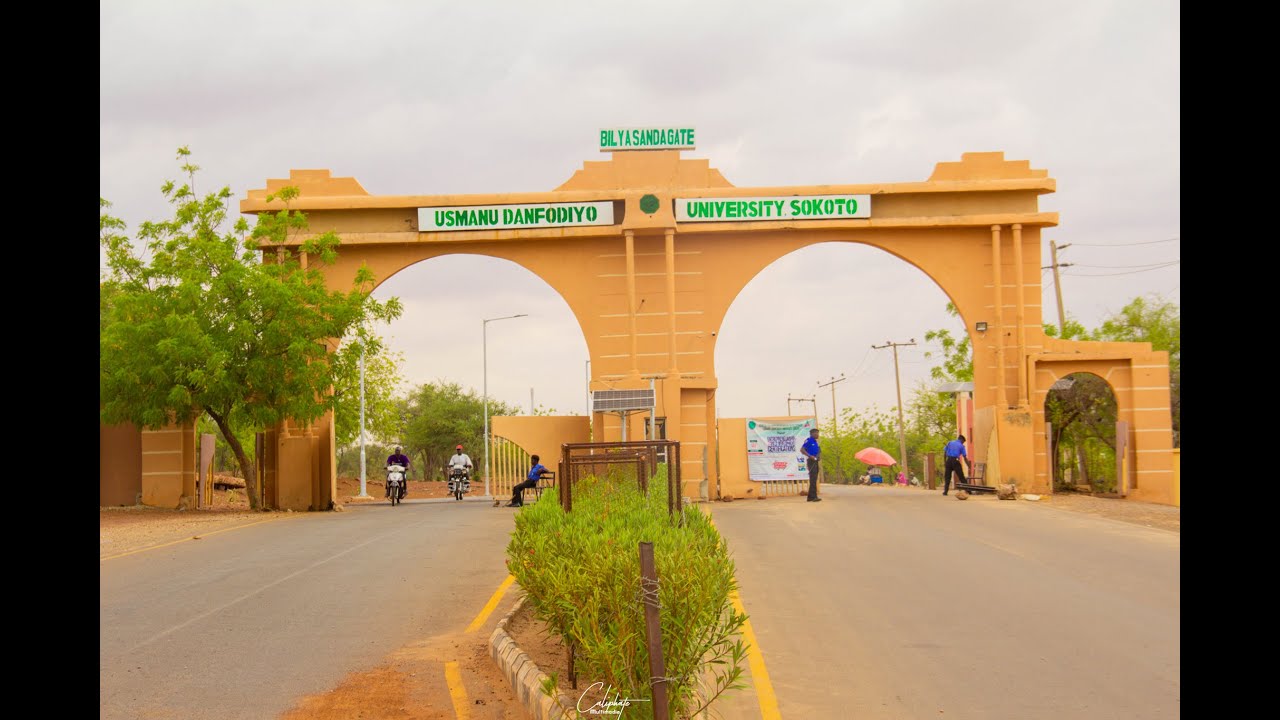
SOKOTO — Panic has gripped students of Usmanu Danfodiyo University, Sokoto, following a devastating fire outbreak that gutted a popular off-campus hostel, destroying students’ personal belongings and other valuable properties.
The incident reportedly occurred at about 1:00 p.m. on Wednesday, November 18, 2026, at a student accommodation facility popularly known as Aso Rock, located in the Gidan Yaro area, behind the university stadium.
The inferno reportedly swept through parts of the hostel, leaving sections of the building badly damaged and several students counting their losses.
Personal belongings, academic materials, clothing, electronic gadgets and other valuables were reportedly consumed by the fire, leaving behind charred remains and extensive damage to the affected premises.
Footage from the scene showed the extent of the destruction, with burnt materials scattered around the building and parts of the facility visibly affected by the inferno.
Although the circumstances surrounding the outbreak remain unclear, the exact cause of the fire had yet to be established as of the time of filing this report.
There was also no official confirmation from the university management regarding possible casualties, injuries or the total value of properties destroyed.
The incident has raised fresh concerns about fire safety and emergency preparedness in student accommodation facilities, particularly off-campus hostels housing large numbers of students.
Students and other members of the university community are awaiting further information on the incident and possible intervention for those affected.
Panic As Fire Engulfs Nigerian University Hostel, Destroys Students’ Valuables
-

 metro1 day ago
FG’s ₦100,000 Family Grant: Eligibility, How to Apply and Payment Procedure Revealed
-
 Sports1 day ago
Ex-Super Eagles Captain Segun Odegbami Survives Death as Three Assailants Machete Him in Abeokuta Home
-

 International2 days ago
Islam Set to Overtake Christianity as World’s Largest Religion by 2035
-

 Business2 days ago
NNPCL, MRS, Other Marketers Slash Petrol Prices Across Nigeria As Motorists Get Fresh Relief
-

 metro1 day ago
Cleveland Girl, 11, Gets 7-Year Juvenile Sentence Over Rape, Attempted Murder of 5-Year-Old
-

 News2 days ago
Agunbiade Proposes Council of Grand Chief Imams for Yorubaland, Edo, Delta
-

 News3 days ago
Adeleke Rejects Proposed Naming of Osogbo Stadium After Him, Orders Removal of Signpost
-

 metro2 days ago
‘My Wife and I Are Parallel’: Peter Obi Makes Candid Revelation About Margaret’s Spending Habits