

Africa
Pope Leo XIV Launches 11-Day Africa Tour Across Four Nations
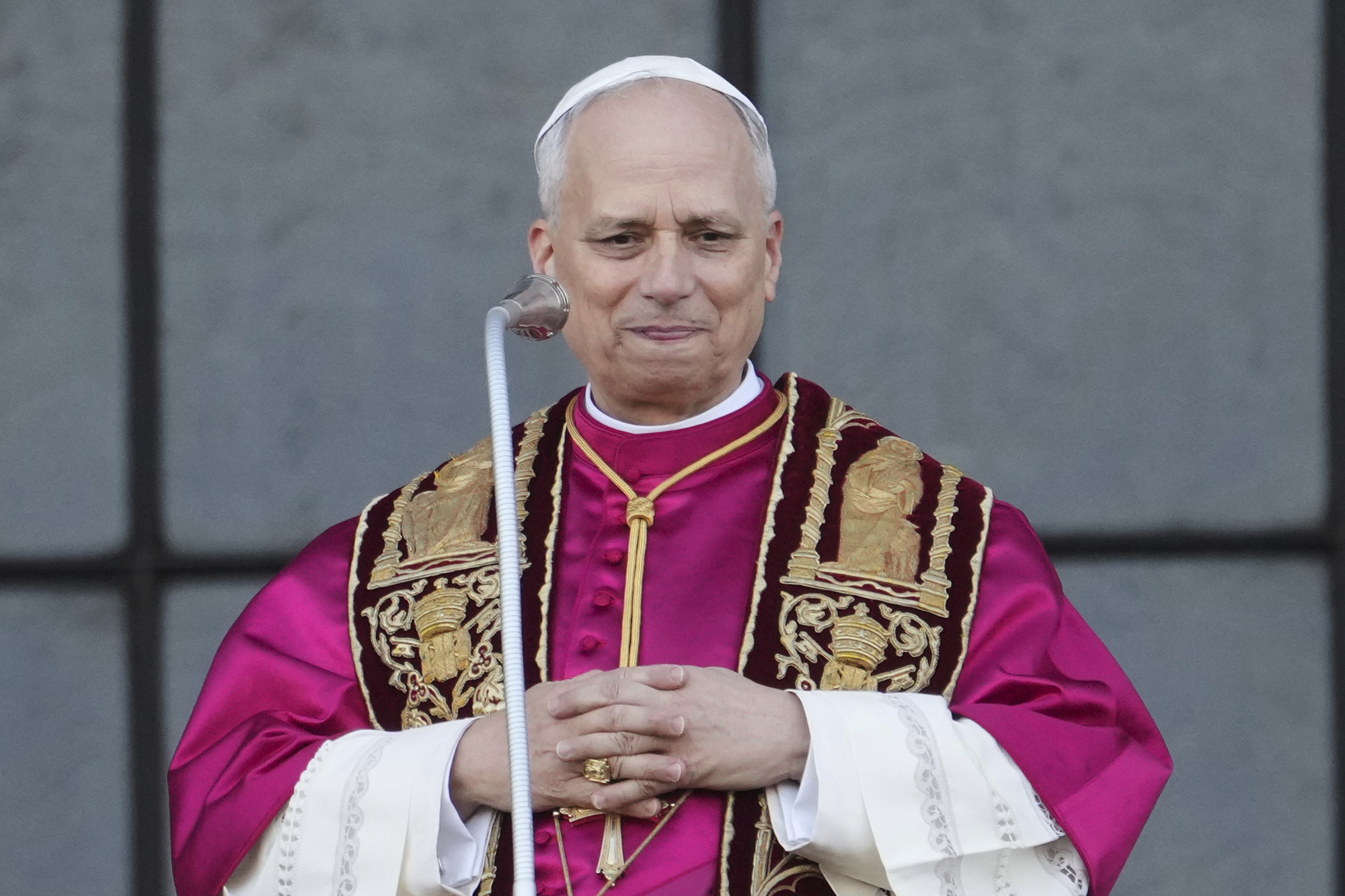
Pope Leo XIV Launches 11-Day Africa Tour Across Four Nations
Pope Leo XIV has begun his first major international mission since becoming pontiff, launching an 11-day Africa tour that will take him across Algeria, Cameroon, Angola and Equatorial Guinea in what the Vatican describes as a landmark apostolic journey focused on peace, interfaith dialogue, and global justice.
The trip covers more than 18,000 kilometres (11,000 miles) and is expected to include 11 speeches, seven masses, and visits to about a dozen locations before the pontiff returns on April 23.
The Vatican, headquartered in Vatican City, says the visit underscores Africa’s growing importance to the global Catholic Church, which continues to expand rapidly across the continent.
Focus on peace, interfaith dialogue and social justice
During the tour, Pope Leo XIV is expected to address key issues including Christian–Muslim relations, peacebuilding, human rights, inequality, and poverty, particularly in regions affected by conflict and economic instability.
Church officials say the visit also reflects the Vatican’s broader diplomatic strategy to strengthen ties with African nations at a time of heightened global geopolitical tension.
Algeria visit: First papal trip to a Muslim-majority state
The first stop is Algeria (April 13–15), where Pope Leo XIV will become the first pontiff to officially visit the North African nation, where Islam is the state religion.
READ ALSO:
- Hip-Hop Pioneer Afrika Bambaataa Dies at 68 After Battle With Cancer
- Naira Strengthens to ₦1,359.31/$ as CBN Data Shows Further Gain in Official Market
- Nigeria May Face ₦2,000 Petrol Price Without Intervention, TUC Warns FG
He is expected to meet President Abdelmadjid Tebboune, visit the Great Mosque of Algiers, and undertake private prayers at memorial sites linked to victims of Algeria’s civil war.
Religious leaders say the visit will strongly emphasise interfaith understanding between Christianity and Islam and promote reconciliation.
Cameroon: Peace message in conflict-affected regions
From April 15–18, the pontiff will visit Cameroon, where his focus is expected to centre on peace and national unity, especially in the English-speaking regions affected by long-standing separatist conflict.
A major mass is scheduled in Bamenda, the epicentre of the crisis, with heightened security arrangements already in place.
He is also expected to meet President Paul Biya and visit Catholic schools, hospitals, and humanitarian centres that serve millions across the country.
Angola: Poverty, inequality and economic justice
In Angola (April 18–21), Pope Leo XIV is expected to address poverty, corruption, and unequal distribution of wealth, despite the country’s significant oil and mineral resources.
The pope will visit Luanda and Muxima, a major Catholic pilgrimage site located along a historic slave-trading route, where he is expected to highlight themes of healing, justice, and reconciliation.
Public debate has also emerged over the cost of the visit, even as large Catholic communities prepare to welcome him.
Equatorial Guinea: Governance and human rights focus
The final stop of the tour (April 21–23) will be Equatorial Guinea, where long-time leader Teodoro Obiang Nguema Mbasogo has ruled since 1979.
With a predominantly Catholic population, the visit carries strong religious significance but also diplomatic sensitivity due to concerns around human rights and governance issues.
Observers say the pontiff is expected to carefully balance pastoral engagement with subtle advocacy for social justice and reform.
Earlier international trips
Since assuming the papacy in May, Pope Leo XIV has visited Turkey, Lebanon, and Monaco, but Vatican officials say this Africa tour represents his most ambitious overseas mission so far.
Further international engagements are expected later in the year as part of expanded Vatican outreach efforts.
Pope Leo XIV Launches 11-Day Africa Tour Across Four Nations







Africa
Djibouti Boat Disaster: 139 Migrants Dead, Dozens Missing
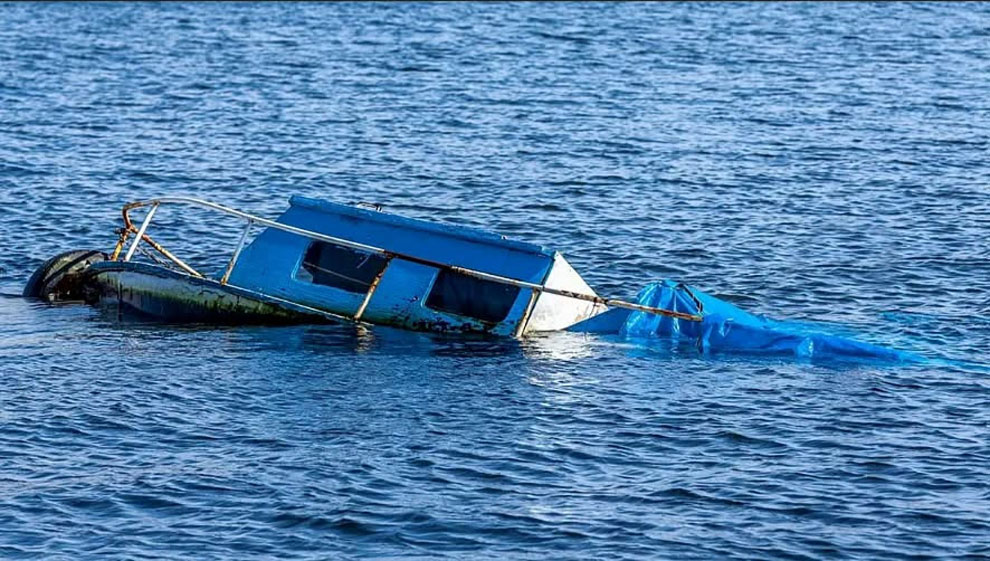
Djibouti Boat Disaster: 139 Migrants Dead, Dozens Missing
At least 139 migrants, including 15 children, have died after an overcrowded boat capsized off the coast of Djibouti while carrying passengers towards Yemen, in one of the deadliest recent disasters along the migration route to Gulf countries.
The International Organization for Migration (IOM), a United Nations agency, said the vessel was carrying more than 300 people when it overturned near Guhere, north of Obock, during the night of October 8–9, 2026.
Initial reports put the death toll at 109, including 15 children, with more than 116 people missing. Subsequent reporting by Reuters and the Associated Press cited an updated toll of at least 139 dead, with about 84 people still missing. The figures may continue to change as authorities verify recoveries and survivors.
The boat was reportedly carrying around 305 people, according to the IOM’s later account. At least 82 people survived the disaster, although early reports gave a slightly different survivor count.
The 15 children among the initially reported dead comprised nine girls and six boys. The IOM also reported that 52 of the bodies recovered were men and 42 were women.
The vessel capsized shortly after setting out on the perilous journey across the waters separating Djibouti and Yemen. Survivors said the boat was overcrowded, while the IOM described the incident as a devastating reminder of the dangers confronting people attempting the crossing.
The agency’s Chief of Mission in Djibouti, Alexandre Coissac, said its teams were working with local authorities to provide emergency assistance to survivors and affected families.
READ ALSO:
- Oshiomhole Accuses Umahi of Bias in Road Projects, Demands Repairs Before New Construction
- 2027: Pantami Breaks Silence as INEC Excludes Him From Final Gombe Governorship List
- US Names 24 More Nigerians in Fresh Fraud, Money Laundering Crackdown
- How Bauchi Court Jailed Three 21 Years Each for Abducting Seven Children
Djiboutian authorities continued search-and-rescue operations as concerns mounted over the fate of those still missing. Local authorities were also providing medical care and arranging burials for recovered bodies.
The IOM said survivors were receiving assistance at its migrant response centre in Obock, including healthcare, food and psychosocial support.
The tragedy highlights the risks faced by migrants travelling along the Eastern Route, which connects the Horn of Africa to Yemen and, for many, onward destinations in the Gulf region.
Many people undertaking the journey are from Ethiopia and Somalia. They seek employment and better living conditions, while others are fleeing insecurity, conflict, drought and other hardships.
Despite the dangers, migrants continue to cross the Bab el-Mandeb Strait in the hope of reaching wealthier Gulf countries. The journey exposes them to shipwrecks, trafficking, exploitation and other serious threats.
The risks have been compounded by instability in Yemen, where fighting continues between the internationally recognised government and Houthi forces, alongside wider regional tensions. Meanwhile, renewed conflict and difficult living conditions in parts of Ethiopia have added to the pressures driving people to leave.
According to the IOM, more than 900 migrants died or went missing along the Eastern Route in 2025, as the number of people attempting the journey increased.
The UN agency has called for greater support for Djibouti’s response, including search-and-rescue operations and emergency assistance for migrants.
The latest shipwreck has renewed calls for safer and legal migration pathways, as humanitarian agencies warn that people will continue to risk dangerous sea crossings while seeking security and economic opportunities.
As recovery operations continue, the final death toll may rise further as authorities verify missing-person reports and establish the number of people who were aboard the vessel.
Djibouti Boat Disaster: 139 Migrants Dead, Dozens Missing
Africa
FBI Raids Ghana Scam Centre, Detains Over 130 in $10m Fraud Probe
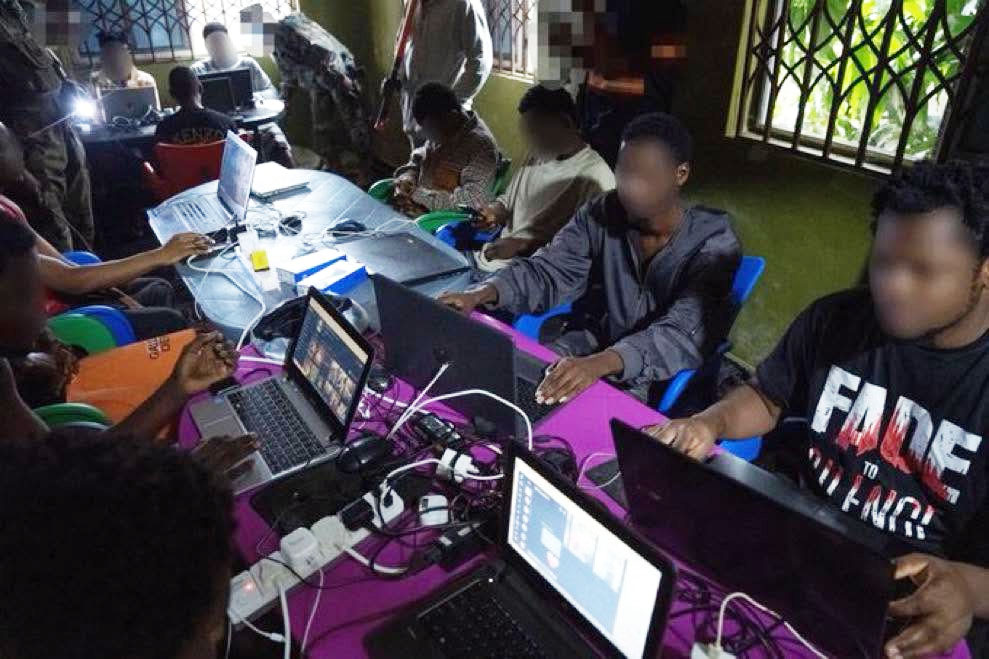
FBI Raids Ghana Scam Centre, Detains Over 130 in $10m Fraud Probe
The Federal Bureau of Investigation (FBI) has raided a suspected scam centre in Ghana, detaining more than 130 people and uncovering nearly $10 million in identified losses linked to an international fraud operation targeting Americans.
The operation, carried out under the FBI’s Operation Blackout, also led to the seizure of more than 300 electronic devices, while investigators identified 89 victims, FBI Director Kash Patel said.
Patel announced the operation on Thursday, saying the Ghana raid was part of the FBI’s wider campaign against transnational scam networks operating through so-called scam compounds.
However, the FBI has not classified everyone detained as a suspected fraudster.
Patel specifically said the more than 130 people arrested or detained included victims who are expected to be repatriated to their home countries, suggesting that some people found at the facility may have been trafficked into the operation rather than involved in running the scams.
The FBI has not disclosed the exact location of the Ghana operation, the identities or nationalities of those detained, or the Ghanaian agencies that participated in the raid.
It also remains unclear how many of those detained will face criminal charges in Ghana or possible prosecution or extradition proceedings in the United States.
Patel said the investigation was continuing, warning that scam compounds are increasingly being used to target American citizens and inflict substantial financial losses.
READ ALSO:
- Court Grants Alleged Fake JAMB Registrar N50m Bail, Sets Strict Conditions
- NESREA to Honour Lagos Baale After Dramatic Rescue of Endangered Sea Turtle
- How Six Members of a Family Were Murdered in Oyo
The Ghana operation is the latest action under Operation Blackout, which the FBI says is targeting organised fraud networks around the world.
According to Patel, the broader operation has so far resulted in roughly $17 billion in assets seized, hundreds of alleged scammers arrested and thousands of trafficked workers freed.
More than 10,000 Americans have also reportedly been warned before losing money, with the FBI estimating that about $670 million in losses were prevented.
The Ghana raid comes amid growing concern over the international expansion of online fraud and scam compounds, with law-enforcement agencies increasingly reporting links between cyber-enabled fraud and human trafficking.
In such operations, workers can be recruited through false employment offers and allegedly transported or coerced into participating in online fraud against victims in other countries.
Ghana has previously cooperated with U.S. authorities in investigations involving transnational fraud.
In July 2026, Ghanaian national Frederick Kumi, also known as Abu Trica, was extradited to the United States after being arrested in Ghana in December 2025. U.S. prosecutors accused him of participating in a romance-fraud network that allegedly targeted more than 80 elderly Americans and caused losses exceeding $8 million.
The extradition involved cooperation between Ghanaian authorities and several U.S. and Ghanaian law-enforcement bodies, including the FBI’s Legal Attaché Office in Accra.
The latest FBI operation also comes as international enforcement agencies increase pressure on scam networks operating outside traditional fraud hotspots in Southeast Asia.
The FBI has not released further details about the Ghana raid, and the investigation remains ongoing.
The bureau is expected to provide additional information as investigators establish the roles of those detained and determine which individuals, if any, will face prosecution.
Those accused of criminal offences are presumed innocent unless proven guilty in court.
FBI Raids Ghana Scam Centre, Detains Over 130 in $10m Fraud Probe
Africa
Zimbabwe Tycoon Wicknell Chivayo, Wife Among Six Killed in Helicopter Crash
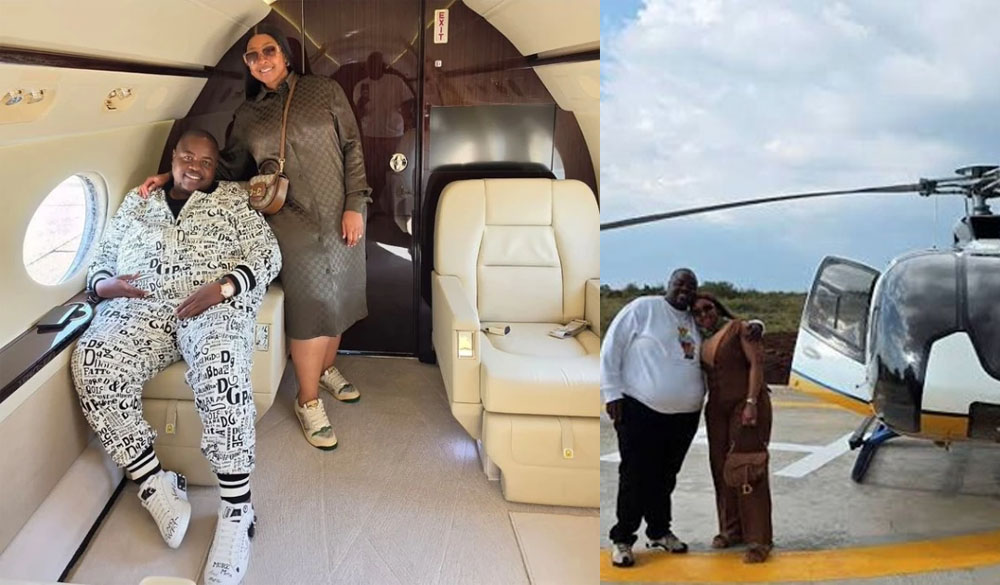
Zimbabwe Tycoon Wicknell Chivayo, Wife Among Six Killed in Helicopter Crash
Zimbabwean businessman Wicknell Chivayo and his wife, Lucy Muteke, have been killed in a helicopter crash that claimed six lives in Marondera Rural, east of the Zimbabwean capital, Harare.
The crash occurred at about 5pm local time on Wednesday, September 30, 2026, with the helicopter carrying six people, including Chivayo, his wife and two pilots.
Family spokesperson Herbert Chivayo confirmed the deaths, while Zimbabwean authorities said there were no survivors.
The aircraft came down in the Marondera area, about 72 kilometres east of Harare, before catching fire. Emergency responders and investigators were deployed to the scene after the crash.
Zimbabwean aviation authorities said preliminary information indicated that fuel spilled after the impact before a fire broke out. However, officials stressed that the information did not establish what caused the helicopter to crash.
READ ALSO:
- Tinubu Returns After 30 Days in Europe, Says ‘I’m Healthy and Ready to Work’
- NMDPRA Moves Against Fuel Pump Fraud, Threatens Licence Revocation
- $2.1m Land Suit: Court Orders Wike’s Son to Produce American Passport
The cause of the crash remains under investigation, with aviation officials and other investigators examining the wreckage and circumstances surrounding the incident.
Police said the bodies were badly burned in the post-crash fire, making formal identification necessary. Forensic specialists were subsequently involved in the identification and investigation process.
Chivayo, 43, was one of Zimbabwe’s most prominent and publicly visible businessmen. He was known for his high-profile lifestyle, philanthropy and extensive social-media presence, where he frequently displayed luxury cars, properties and other expensive possessions.
He also maintained close links with senior political figures in Zimbabwe, including President Emmerson Mnangagwa.
READ ALSO:
- Tinubu Returns After 30 Days in Europe, Says ‘I’m Healthy and Ready to Work’
- NMDPRA Moves Against Fuel Pump Fraud, Threatens Licence Revocation
- $2.1m Land Suit: Court Orders Wike’s Son to Produce American Passport
His business activities and political connections had previously attracted public scrutiny, including allegations relating to government contracts and political financing. Chivayo denied wrongdoing in connection with such allegations.
News of his death triggered reactions across the region, with political and business figures expressing condolences to his family.
Kenyan President William Ruto was among those who mourned Chivayo, describing the Zimbabwean businessman as a friend.
The crash has generated significant attention in Zimbabwe because of Chivayo’s prominence and his public profile, but authorities have not attributed the accident to any specific mechanical, weather or human factor.
Investigators are expected to examine the aircraft, flight circumstances, weather conditions, pilot actions and other available evidence as they work to determine what caused the fatal helicopter crash.
Authorities have not announced a final finding on the cause of the accident.
Zimbabwe Tycoon Wicknell Chivayo, Wife Among Six Killed in Helicopter Crash
-

 metro2 days ago
₦8.7bn Erosion-Control Budget Gap Raises Questions as Anambra Gullies Expand
-

 Politics2 days ago
Obi Positioning for SGF Role Under Atiku’s ADC Ticket – Sowore
-
 metro2 days ago
How Bandits Demand ₦300m Ransom for Abducted Kaduna Couple, Baby in Viral Video
-

 News3 days ago
OASIS Foundation Webinar: Physician Urges Healthy Living to Prevent Chronic Diseases
-
 metro2 days ago
Child Soldiers, Baby Factories: US Raises Alarm Over Official Complicity in Nigeria
-

 Politics2 days ago
Okonkwo Alleges Return of Subsidy, Accuses NNPC of Plotting Trillions in ‘Lost Profit’
-

 metro2 days ago
2027 Elections: Atiku Demands Names of INEC Ballot Printers, Questions Secret Contracts
-

 News2 days ago
Fuel Subsidy May Ease Hardship Today, But Could Cripple Nigeria’s Economy Tomorrow — FG