
News
Protest rocks NASS as group demands removal of newly-appointed EFCC boss

Protest rocks NASS as group demands removal of newly-appointed EFCC boss
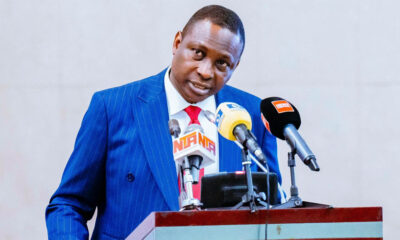
Tuesday, members of the Centre for Democracy and Human Rights invaded the National Assembly in Abuja to demand the removal of Ola Olukoyede, the newly-appointed chairman of the Economic and Financial Crimes Commission, for alleged lack of qualifications.
The group’s National Secretary, Adebayo Ogorry, while requesting the Senate leadership headed by Senate President Godswill Akpabio to dismiss Olukoyede, noted that President Bola Tinubu allegedly violated the laws governing the appointment of the EFCC chairman in appointing Olukoyede.
Recall that President Tinubu last Thursday approved the appointment of Olukoyede to serve as the Chairman of the EFCC for a renewable term of four years in the first instance, pending Senate confirmation.
This comes nearly four months after he suspended the erstwhile anti-graft agency chief, Mr Abdulrasheed Bawa.
During the protest at the National Assembly in Abuja on Tuesday, Ogorry said, “We write to draw the attention of the Senate to the gross violation of the extant laws, which is the Establishment Act 2004 of the Economic and Financial Crimes Commission, EFCC, by the President of the Federal Republic of Nigeria, President Bola Tinubu in appointing Mr Ola Olukoyede as Chairman of the Commission on Thursday, October 12, 2023.
“The action of Tinubu in making the appointment of Mr Olukoyede into such a high office with enormous responsibility as the chairman of the EFCC in flagrant breach of the provisions of the laws of the parliament is contrary to the oath he took on May 29, 2023, to protect and defend the laws of the nation.
“It is important to note that the EFCC Extant laws remain sacrosanct and need to be strictly adhered to before going ahead to appoint a chairman for the Commission. President Tinubu as the number one citizen, whose office is the creation of the law, needs to comply with the EFCC Extant Laws and not be seen to set a wrong precedence for successive administrations in making his appointment, which can slip the country into a state of anarchy.”
READ ALSO:
-
BREAKING: Tinubu appoints new ICPC chairman
-
Mother of two drenches husband with acid over N15,000 largesse in Rivers
-
Breaking: Innoson increases annual vehicle production by 500% to 60,000
The group further cited the EFCC Establishment Act, 2004 which says, (1) The Commission shall consist of the following members-(a)A chairman, who shall- (i) be the Chief Executive and Accounting officer of the Commission, (ii) be a serving or retired member of any government security or law enforcement agency not below the rank of Assistant Commissioner of Police or equivalent; and (iii) Possess not less than 15 years cognate experience.
“This section simply means that not all members of the police force, other Forces and indeed the EFCC can be the Executive Chairman of the EFCC. A pilot, medical personnel, Admin officer, etc who have 15 years of police or paramilitary service, are ordinarily devoid of the cognate experience of enforcing the laws of the EFCC.
“This much is gleaned from Section 8 (5) of the EFCC Act which states that: “All officers involved in the enforcement of the Act shall have the same powers, authorities, privileges (including power to bear arms) as are given by law to members of the Nigerian Police,” Ogorry added.
Olukoyede, a native of Ikere-Ekiti, Ekiti State, born on October 14, 1969, had his university education at the Lagos State University; University of Lagos; Institute of Arbitration, France and the Kennedy School of Executive Education, University of Harvard, United States.
The EFCC chairman was a member of the Fraud Advisory Panel, United Kingdom. He is also a lawyer with over 22 years of experience as a regulatory compliance consultant and specialist in fraud management and corporate intelligence.
At the EFCC, Olukoyede previously served as the Chief of Staff to the former acting Chairman, Ibrahim Magu; and later served as the Secretary of the anti-graft agency. He is also a member of the Federal Government Technical Committee on the Repositioning of the Nigerian Financial Intelligence Unit.
Protest rocks NASS as group demands removal of newly-appointed EFCC boss
Punch








News
Tinubu Unveils ₦3.3tn Electricity Bailout to Revive Nigeria’s Power Sector
Tinubu Unveils ₦3.3tn Electricity Bailout to Revive Nigeria’s Power Sector
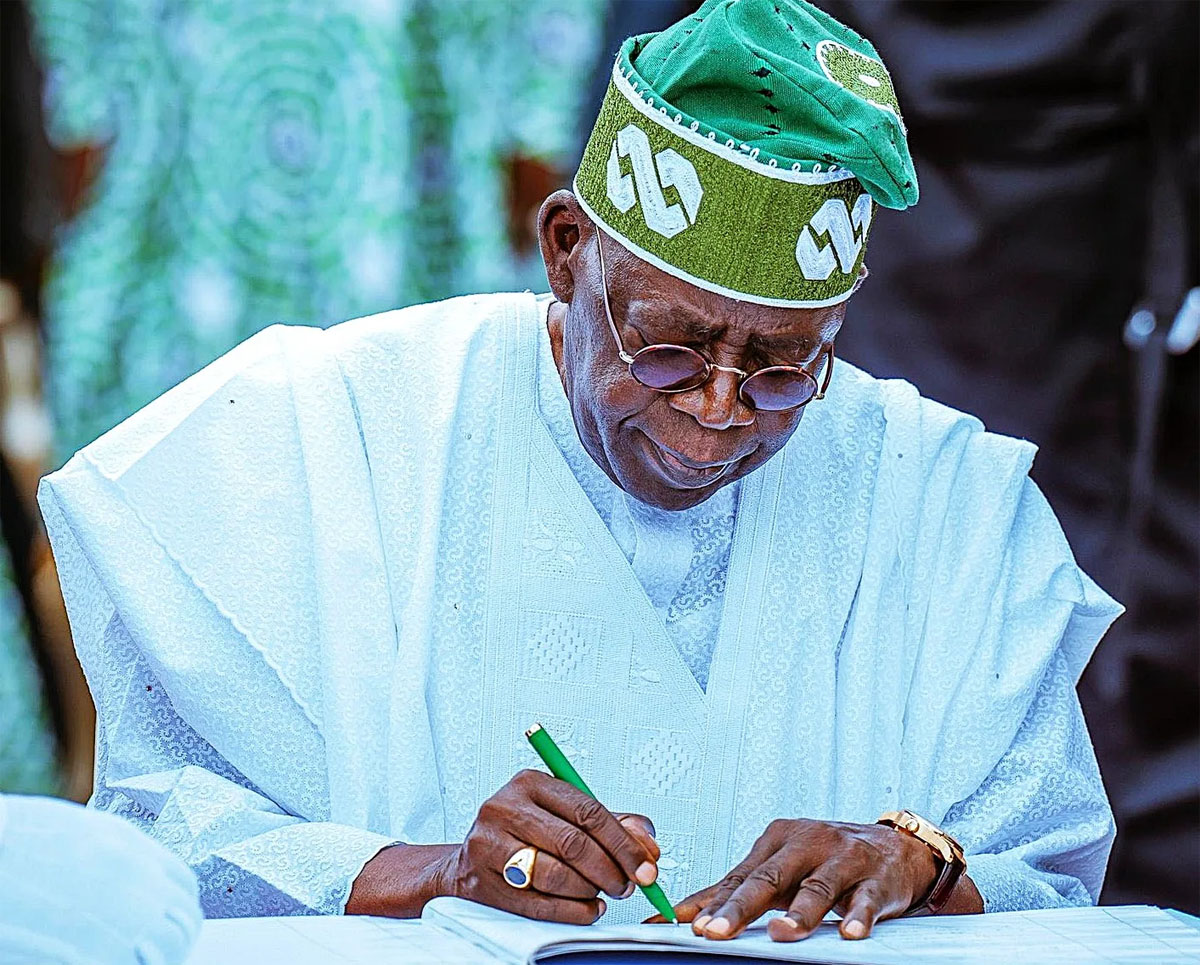
President Bola Ahmed Tinubu has approved a sweeping ₦3.3 trillion power sector bailout aimed at clearing long-standing debts and stabilising Nigeria’s struggling electricity industry.
The intervention, implemented under the Presidential Power Sector Financial Reforms Programme, is designed to resolve liabilities accumulated between February 2015 and March 2025, following a comprehensive verification process.
Presidential spokesman Bayo Onanuga disclosed that the ₦3.3 trillion electricity debt settlement represents a full and final agreement to restore financial stability across the sector. He explained that the debts, largely driven by unpaid invoices, tariff shortfalls, and subsidy obligations, had significantly weakened liquidity in the power value chain.
Implementation of the power sector debt repayment plan has already commenced, with 15 generation companies signing settlement agreements worth about ₦2.3 trillion. The Federal Government has raised ₦501 billion so far to fund the initiative, out of which ₦223 billion has already been disbursed, while additional payments are ongoing.
READ ALSO:
- Brymo Sparks Debate After Saying Men Who Apologise to Women Deserve Suffering
- Boko Haram/ISWAP Attack Borno Police Station, Kill Four Officers, Hunter
- NDLEA Arrests Lagos Pastor, Wife With 11kg Skunk Cannabis
The Nigeria electricity sector bailout is expected to inject much-needed cash into the industry, ensuring that gas suppliers receive payments, power plants can sustain operations, and electricity generation becomes more stable. With improved liquidity, officials say the country could begin to see gradual improvements in power supply, reduced grid disruptions, and better service delivery.
Special Adviser on Energy to the President, Olu Arowolo-Verheijen, said the programme is not just about clearing debts but rebuilding trust across the industry. She noted that restoring confidence is critical to attracting investment, maintaining consistent gas supply, and ensuring that power plants operate efficiently.
She further explained that the initiative forms part of broader power sector reforms in Nigeria, including nationwide metering improvements and the introduction of service-based tariffs that align electricity costs with the quality of supply. According to her, the government is also prioritising electricity supply to businesses, industries, and small enterprises, recognising that reliable power is essential for job creation and economic growth.
The Tinubu administration believes the electricity sector stabilisation plan will reduce reliance on generators, lower the cost of doing business, and improve productivity across key sectors of the economy. Analysts say resolving the sector’s liquidity crisis could unlock new investments and strengthen Nigeria’s overall economic performance.
President Tinubu also commended stakeholders for their cooperation in addressing long-standing challenges in the industry and confirmed that the next phase of the reform programme, Series II, will commence within the current quarter. The phase is expected to deepen structural reforms and ensure long-term sustainability of the electricity market.
Tinubu Unveils ₦3.3tn Electricity Bailout to Revive Nigeria’s Power Sector
News
MURIC Demands Sack of INEC Chairman Over Alleged Bias, Calls for Replacement
MURIC Demands Sack of INEC Chairman Over Alleged Bias, Calls for Replacement
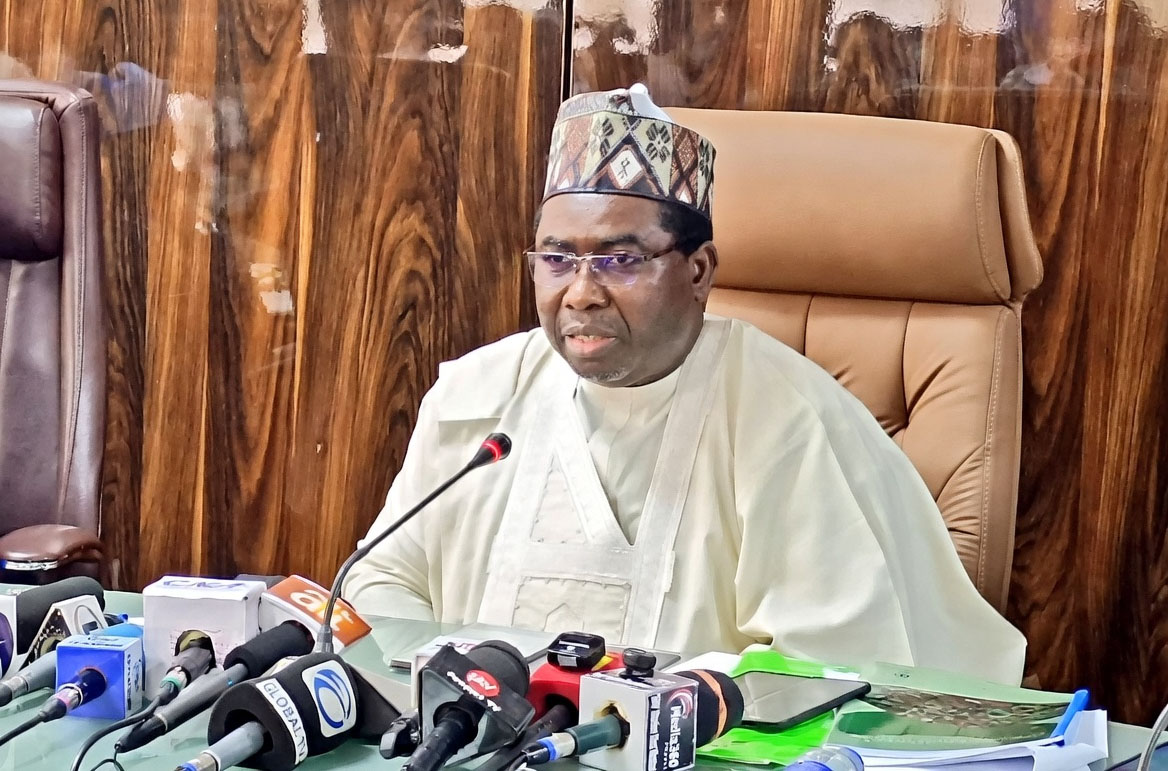
The Muslim Rights Concern (MURIC) has called for the immediate removal of the Chairman of the Independent National Electoral Commission (INEC), Professor Joash Amupitan, describing him as a threat to religious harmony in Nigeria.
In a press release issued on April 6, 2026, and signed by its Executive Director, Professor Ishaq Akintola, the group accused the INEC chairman of authoring what it described as a “toxic 80-page legal brief,” allegedly used by the United States of America to indict Nigeria over claims of Christian genocide.
MURIC expressed dissatisfaction with what it termed the “graveyard silence” of the Federal Government over calls from Islamic organisations for Amupitan’s removal. According to the group, the government’s inaction reflects a lack of sensitivity to the concerns of the Muslim community.
The organisation further alleged that Amupitan’s continued leadership poses a risk to the credibility of Nigeria’s electoral system, claiming that a planned voter registration or revalidation exercise could disenfranchise Muslim voters.
“MURIC hereby declares a vote of no confidence in the current INEC boss,” the statement read, urging the Federal Government to replace him with what it described as a “tolerant Christian” to restore confidence and balance.
The group also accused the INEC chairman of failing to address the allegations against him, noting that his silence has raised concerns among observers. It argued that public officials in other countries often resign over similar controversies, citing examples of past resignations by international political figures.
MURIC warned that Nigeria’s progress could be hindered if individuals accused of misconduct remain in sensitive public offices, stressing that Amupitan’s continued stay in office represents what it called a “sit-tight syndrome.”
Describing the INEC chairman as an “electoral burden” and a “threat to religious harmony,” the group insisted that his resignation or removal is necessary to safeguard national unity and the integrity of the electoral process.
As of the time of filing this report, neither INEC nor the Federal Government had issued an official response to the allegations.
MURIC Demands Sack of INEC Chairman Over Alleged Bias, Calls for Replacement
News
Tinubu Commissions Gateway Airport, Pledges to Crush Banditry in Nigeria
Tinubu Commissions Gateway Airport, Pledges to Crush Banditry in Nigeria
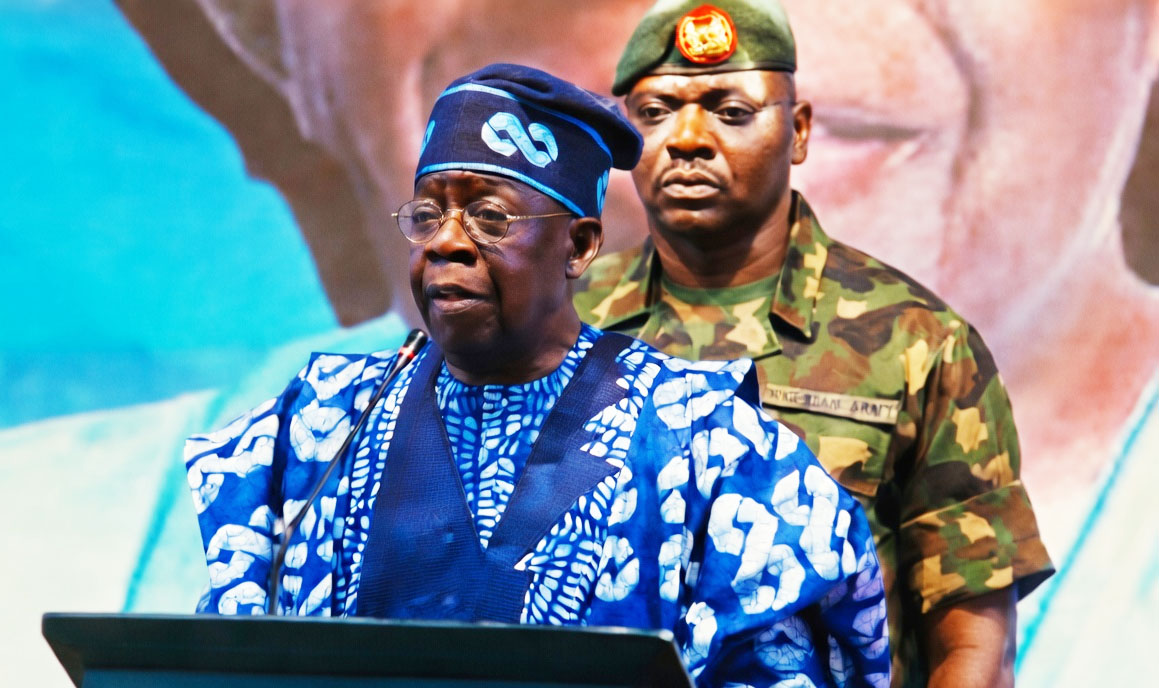
President Bola Tinubu has pledged to defeat banditry, terrorism, and insecurity across Nigeria, promising continued investment in the country’s security architecture. He made the declaration while commissioning the Gateway International Airport and several other federal projects in Ogun State on Saturday.
Speaking at a reception following the inauguration, Tinubu said his administration will intensify efforts to protect lives and property across the nation. “We will win over banditry and defeat insecurity. We will continue to invest more to strengthen the security architecture of Nigeria,” he stated, emphasizing the government’s commitment to national safety.
The president described the Gateway International Airport as the economic nerve center of Nigeria’s corridor, highlighting its role in boosting the aviation sector, trade, and socioeconomic development in Ogun State and the wider region. The airport is integrated with independent gas and energy infrastructure, ensuring sustainability and operational efficiency.
Tinubu also lauded Governor Dapo Abiodun for using improved federal allocations to develop infrastructure capable of driving Ogun State to greater economic heights. He praised the state government’s focus on mobility, security, agriculture, and industrial development, noting that projects like the airport and new Gateway Airlines will enhance trade, logistics, and employment opportunities.
READ ALSO:
- La Liga: Barcelona Fight Back to Beat Atletico Madrid 2–1
- Gov Yusuf Pledges Full Support for Tinubu, Declares APC Unbeatable in Kano
- Military Arrests Two Suspects, Recovers Weapons After Jos Crisis
Governor Abiodun, in his remarks, emphasized the transformative impact of the airport and related infrastructure on Ogun State’s economy. He noted that the state’s internally generated revenue has grown from ₦40 billion to over ₦250 billion annually, while its GDP increased from ₦4 trillion to ₦17 trillion over the past seven years. He added that the airport features a four-kilometre runway, modern control tower, advanced aviation systems, and cargo facilities, making it a centerpiece of the state’s emerging aerotropolis.
The ceremony also saw the launch of Gateway Airlines, operating Bombardier CRJ900 aircraft, alongside cargo services designed to expand trade and logistics capacity. Beyond aviation, Ogun State has invested heavily in roads, healthcare, and housing, including over 1,600 km of rehabilitated roads, more than 7,000 affordable homes, and 140 primary healthcare centers, according to Governor Abiodun.
The event was attended by prominent dignitaries including Senate President Godswill Akpabio, former President Olusegun Obasanjo, state governors, lawmakers, captains of industry, and traditional leaders. Both praised the collaboration between federal and state governments in delivering critical infrastructure, with Tinubu’s leadership highlighted as key to Nigeria’s development and security progress.
Tinubu emphasized that the federal government’s reforms and infrastructure investments are people-centered, aimed at improving daily life, fostering prosperity, and ensuring national security. He added that these efforts are designed to overcome violence and terrorism while positioning Nigeria for sustained economic growth.
Tinubu Commissions Gateway Airport, Pledges to Crush Banditry in Nigeria

-
 metro3 days ago
Pastor Found Dead in Guest House After Night Out With Married Female Church Member
-

 Health3 days ago
Men Encouraged to Ejaculate More to Reduce Prostate Cancer Risk
-
 Politics2 days ago
Adeleke’s Aide Anisu Resigns, Defects to APC
-

 Politics3 days ago
Wike: PDP Not Financially Ready for 2027 Presidential Election
-

 International2 days ago
Netanyahu Condemns ‘Christian Persecution’ in Nigeria in Easter Message
-

 Entertainment3 days ago
Nollywood Actress Laide Bakare Sets Strict Dating Rules: No Men in Her Home
-

 Education3 days ago
JAMB Debunks 2026 UTME Postponement Rumour, Issues Fraud Warning
-

 metro3 days ago
Autopsy Confirms Destiny Boy Died from Toxic Substances