

metro
Sanwo-Olu’s cabinet: Lagos lawmakers reject 17, clear 22 commissioner, SA nominees

Sanwo-Olu’s cabinet: Lagos lawmakers reject 17, clear 22 commissioner, SA nominees
Lagos State House of Assembly has confirmed 22 out of the 39 cabinet nominees sent recently by Governor Babajide Sanwo-Olu for screening and approval.
Speaker of the House, Mudashiru Obasa, who presided over the sitting on Wednesday, said the confirmation followed rigorous and detailed screening of the nominees by an ad-hoc committee led by the Chief Whip of the House, Fatai Mojeed.
He urged the confirmed nominees to always remember that they are to serve the people of the State and not individuals.
Obasa also promised that the House would continue to do its best in the interest of the state.
READ ALSO:
-
BREAKING: ₦1m ransom paid for my release, kidnapped corper narrate ordeal
-
Apostle Chibuzor Chinyere reacts after lady accused him of impregnating Her(+Video)
-
Lagos drug dealer escapes after crushing NDLEA official
The confirmation was done through a voice vote as Obasa mentioned the name of each of the nominees.
Those confirmed are Layode Ibrahim, Mr Mobolaji Ogunlende, Dr Dolapo Fasawe, Bola Olumegbon, Mr. Idris Aregbe, Ms. Abisola Ruth Olusanya, Mr. Moruf Akinderu Fatai, Mr. Kayode Bolaji-Roberts and Engr. Abiola Olowu.
Others are Mrs. Toke Benson-Awoyinka, Dr. Oreoluwa Finnih-Awokoya, Mr. Yakub Adedayo Alebiosu, Mr. Lawal Pedro SAN, Mr. Tunbosun Alake, Mr. Gbenga Oyerinde, Dr. Adekunle Olayinka, Dr. Jide Babatunde, Mr. Afolabi Ayantayo, Mr. Tokunbo Wahab, Mr. Olakunle Rotimi-Akodu, Mr. Jamiu Alli-Balogun and Mr. Abdulkabir Ogungbo.
Those not confirmed by the House are Mrs. Folashade Adefisayo, Prof. Akin Abayomi, Mr. Yomi Oluyomi, Mrs. Folashade Ambrose, Ms. Barakat Bakare, Mr. Gbenga Omotosho, Engr. Olalere Odusote, Dr. Rotimi Fashola, Mrs. Bolaji Cecilia Dada, Mr. Sam Egube, Mr. Olalekan Fatodu, Mrs. Solape Hammond, Mr. Mosopefolu George, Engr. Aramide Adeyoye, Mr. Seun Osiyemi, Mr Rotimi Ogunwuyi, and Dr. Olumide Oluyinka.








metro
Terror in Sokoto: Bandits Invade University Students’ Community, Demand Students, Shoot Cattle Owner
Terror in Sokoto: Bandits Invade University Students’ Community, Demand Students, Shoot Cattle Owner
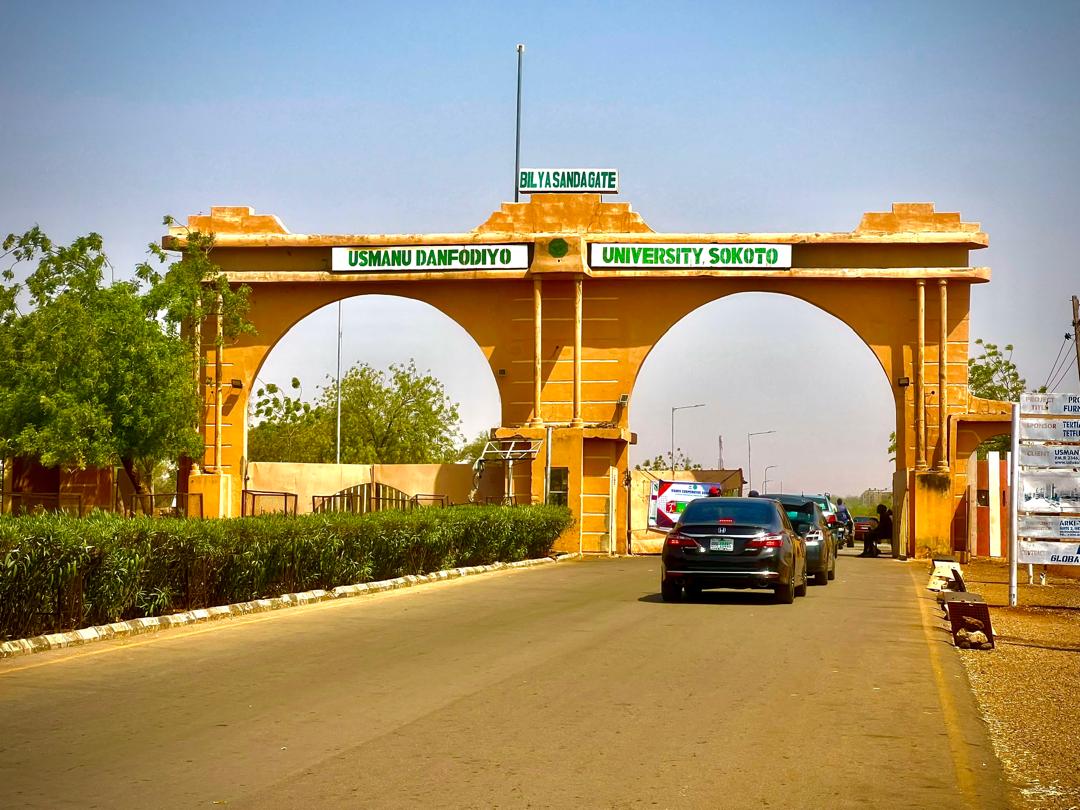
SOKOTO STATE — Panic gripped residents of Gidan Sarki, a community situated near Usmanu Danfodiyo University (UDUS) in Sokoto State, following a midnight invasion by armed bandits. The attackers stormed the settlement, reportedly demanding that students residing in the area be brought out, before shooting a local resident and carting away dozens of cattle.
According to local sources, the heavily armed hoodlums trooped into the community under the cover of darkness, shooting indiscriminately and causing palpable fear among students and permanent residents alike. During the rampage, the assailants targeted households near the university’s vicinity, aggressively demanding information on the whereabouts of students living off-campus.
Eyewitnesses recounted that when the terror gang met resistance and failed to capture any students, they turned their aggression on livestock farmers in the area. A cattle owner who attempted to secure his properties was shot in the leg by the marauders.
“They came into the community shooting sporadically and asking for students to be brought out,” a local resident, Muhammad, disclosed. “When they couldn’t get what they wanted, they broke in, shot an old man in the leg, and went away with more than 20 cows. Thank God he survived and has been rushed to the hospital for medical attention.”
Police Confirm Incident, Deploy Operatives
Confirming the incident, the Sokoto State Police Command stated that security operatives were immediately mobilized to the scene following distress calls.
While initial accounts from locals estimated the stolen livestock to be over 20, police records put the final tally of rustled animals at 28. Authorities also clarified that the attackers did not manage to penetrate any official student hostels or staff residential areas on the main university campus, as security patrols and tactical teams quickly intercepted the area to restore normalcy.
The latest breach has, however, amplified growing security concerns among students and academics living in off-campus settlements surrounding higher institutions in the region, prompting calls for heightened surveillance and a permanent security outpost to forestall future occurrences.
Terror in Sokoto: Bandits Invade University Students’ Community, Demand Students, Shoot Cattle Owner
metro
Certificate Scandal: UNN, NYSC Disown Uche Nnaji’s Certificates, ICPC Witness Tells Court
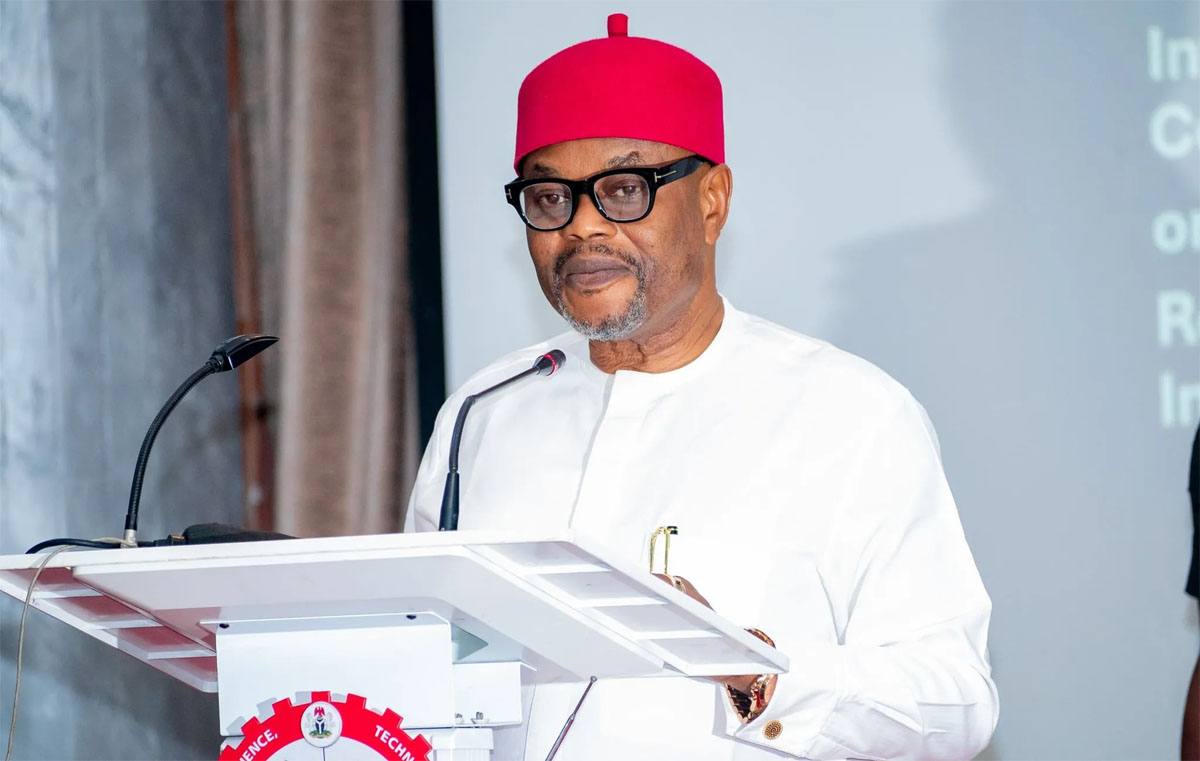
The University of Nigeria, Nsukka (UNN) and the National Youth Service Corps (NYSC) have denied issuing certificates allegedly presented by former Minister of Innovation, Science and Technology, Uche Nnaji, an investigator with the Independent Corrupt Practices and Other Related Offences Commission (ICPC) has told the Federal High Court in Abuja.
The disclosure was made on Monday, October 26, 2026, when Superintendent of Police Yakubu Ibrahim testified as the first prosecution witness in Nnaji’s trial over alleged certificate forgery, fraud, corruption and providing false information.
Ibrahim, who was led in evidence by the ICPC’s prosecuting counsel, J.A. Mumini, a Senior Advocate of Nigeria, told Justice Joyce Abdulmalik that the commission launched an investigation after receiving two separate petitions alleging that Nnaji presented questionable academic and national service certificates during his ministerial screening in 2023.
According to the witness, the investigation team sought documents from the National Assembly, the Office of the Secretary to the Government of the Federation (SGF), UNN and the NYSC to establish the authenticity of the certificates attributed to the former minister.
He said the Clerk of the Senate forwarded Nnaji’s Bachelor of Science certificate in Microbiology and Biochemistry, alongside his NYSC discharge certificate, to the commission for verification.
Ibrahim testified that the NYSC responded that it did not issue the discharge certificate presented in Nnaji’s name. He added that UNN similarly denied issuing the degree certificate attributed to the former minister.
The investigator said the university also supplied academic records relating to Nnaji’s studies, including a withdrawal notice dated November 7, 1984, concerning a course in General Microbiology.
According to his testimony, UNN explained that its academic regulations required students to obtain the prescribed grades and that students who failed to meet the requirements after four attempts would not qualify for a degree.
READ ALSO:
- Man, Teenage Girl Found Dead in Toyota Corolla as Police Begin Investigation
- EFCC Busts Four Illegal Lithium Plants in Ogun, Arrests 14 Chinese Nationals
- Yamal Makes History With Third Consecutive Young Player Award at 2026 Ballon d’Or
Ibrahim said the university’s records indicated that Nnaji failed at two stages and did not sit an examination at another stage for medical reasons. He added that the correspondence showed that Nnaji subsequently sat a supplementary examination for which he had not registered.
However, during cross-examination, Nnaji’s counsel, Wole Olanipekun, a Senior Advocate of Nigeria, drew the witness’s attention to another letter dated March 18, 1985, which he said rescinded the earlier withdrawal notice.
Ibrahim acknowledged the letter and confirmed that the original notice concerned General Microbiology. The exchange brought the university’s academic correspondence into focus during the proceedings.
The witness also admitted that he did not personally visit UNN during the investigation. He said, however, that members of the investigating team interviewed the university’s registrar.
When asked whether investigators established where the allegedly forged certificates were produced, Ibrahim said he did not know.
He further explained that the commission did not establish where Nnaji completed his national service because the NYSC had denied issuing the certificate in question.
“The NYSC said the certificate was not issued by it, which was why we didn’t inquire where he served,” the witness told the court.
Ibrahim also gave details of the steps taken to invite Nnaji for questioning. He said investigators could not initially locate the former minister’s address and subsequently sent an invitation to his email address and WhatsApp number.
According to the witness, Nnaji did not honour the invitation, prompting the ICPC to liaise with the Department of State Services (DSS). He said the former minister was arrested on July 1, 2026, and made statements to investigators on July 1 and 2.
The ICPC had earlier confirmed that Nnaji was arrested at the Nnamdi Azikiwe International Airport in Abuja, following a court order authorising his arrest for investigation into the allegations.
The investigator further told the court that the commission obtained documents from the SGF’s office, including a payslip, which prompted it to request the former minister’s bank statement.
He said the bank statement showed that Nnaji received approximately ₦29.58 million in salaries and allowances while serving as minister before his resignation.
The payments form part of the wider allegations in the case. The ICPC accuses Nnaji of receiving the money under circumstances it alleges involved unlawful proceeds and of using his position to confer a corrupt advantage on himself.
The six-count charge also includes allegations that he knowingly presented and used purportedly forged UNN and NYSC certificates as genuine documents.
Nnaji was arraigned before the Federal High Court in Abuja on July 13, 2026, and pleaded not guilty to all six counts. The court granted him bail in the sum of ₦20 million, subject to conditions, including the surrender of his international passport.
In September, Justice Abdulmalik temporarily released the passport to enable him to travel abroad for medical treatment, while the case remained pending.
During the latest proceedings, the prosecution tendered correspondence between the ICPC and the relevant institutions and government offices. The defence reserved its right to challenge the admissibility of the documents at the appropriate stage, and the court admitted them subject to the judge’s ruling that objections could be considered during final addresses.
At the conclusion of the cross-examination, the prosecution did not re-examine Ibrahim, and the judge discharged him as a witness.
The trial was adjourned for continuation, with reports indicating November as the next hearing period.
The case follows earlier reporting on questions surrounding Nnaji’s academic credentials, which drew public attention before his resignation as minister in 2025. The current proceedings are intended to determine the criminal allegations brought by the ICPC.
Nnaji remains entitled to the presumption of innocence unless and until the court establishes his guilt. The testimony presented so far represents evidence from the prosecution’s investigation, and the court has yet to deliver a final judgment on the charges.
Certificate Scandal: UNN, NYSC Disown Uche Nnaji’s Certificates, ICPC Witness Tells Court
metro
Man, Teenage Girl Found Dead in Toyota Corolla as Police Begin Investigation
Man, Teenage Girl Found Dead in Toyota Corolla as Police Begin Investigation
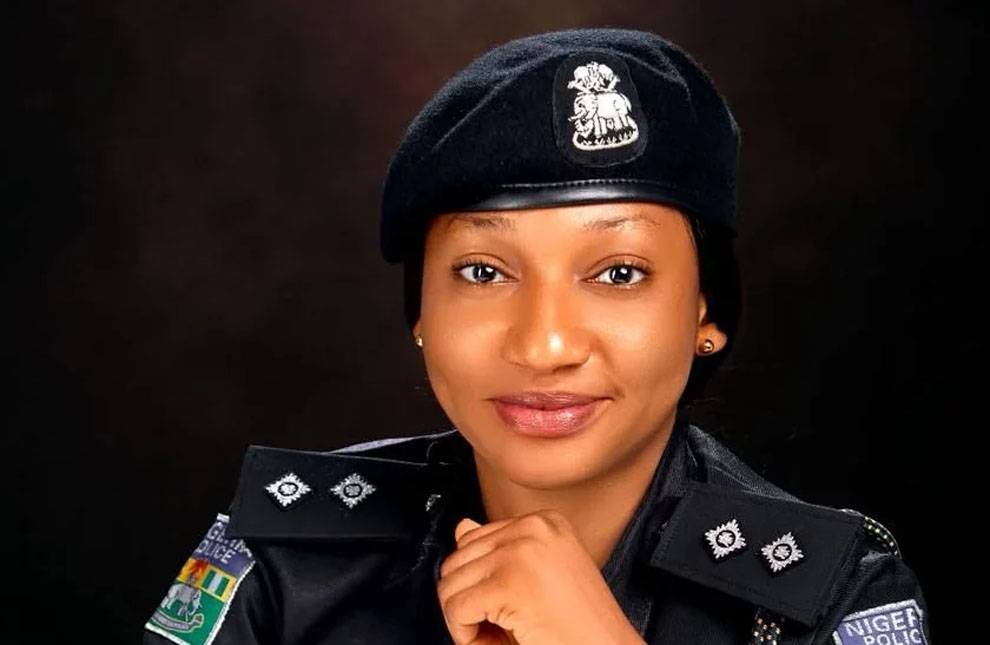
The Rivers State Police Command has launched an investigation into the deaths of a man and a teenage girl whose bodies were discovered inside a Toyota Corolla in Mgboushimini community, Obio/Akpor Local Government Area of the state.
The incident was confirmed on Monday by the police spokesperson, ASP Blessing Agabe, who said the command had commenced an investigation to establish the circumstances surrounding the deaths and determine their causes.
Agabe confirmed the development in a text message but did not provide further details about the identities of the deceased or the events leading to their deaths.
The discovery has generated concern in the community, with reports suggesting that the circumstances surrounding the incident may involve a relationship dispute. However, the police have not confirmed any link between the alleged dispute and the deaths.
READ ALSO:
- EFCC Busts Four Illegal Lithium Plants in Ogun, Arrests 14 Chinese Nationals
- Yamal Makes History With Third Consecutive Young Player Award at 2026 Ballon d’Or
- KANE ENDS 25-YEAR WAIT! England Captain Wins 2026 Ballon d’Or After Stunning 73-Goal Season
According to reports, the deceased man’s wife was pregnant and had allegedly confronted the teenage girl over a reported relationship with her husband. The couple were also said to have completed their traditional marriage rites and were preparing for their white wedding, reportedly scheduled for November 2026.
These details have yet to be independently confirmed by the police, and no conclusion has been announced regarding the cause of death or whether any criminal act was involved.
The investigation is expected to establish what happened before the bodies were discovered and determine the circumstances in which the two died.
As of Tuesday, October 27, 2026, the Rivers State Police Command had not publicly disclosed further findings in the case.
The case remains under investigation, and the circumstances surrounding the deaths remain unclear.
Man, Teenage Girl Found Dead in Toyota Corolla as Police Begin Investigation
-
 Politics2 days ago
2027: APGA Chairman Says South-East Must Back Tinubu to Secure Igbo Presidency
-

 Entertainment2 days ago
Tope Alabi Threatens Pastor With Lawsuit Over Toluwanisings’ Death Claims
-
 metro5 hours ago
Cancelled Wedding: Man Sues Ex-Fiancée’s Father Over Unpaid ₦70,000 Dowry
-

 International2 days ago
France Deploys 70,000 Police as Cost-of-Living Protests Intensify
-

 metro2 days ago
Borno: Troops Kill 15 Terrorists in Midnight Air Strike
-

 Auto5 hours ago
Car of the Year, other top honours up for grabs as NAJA Awards race begins
-

 Politics2 days ago
Atiku Condemns Attack on Edo Comedian Over Refusal to Support Tinubu
-
 International2 days ago
Tibet in Mourning: 7.0 Quake Kills 16, Injures 76 as Rescue Teams Race Against Time in Nagqu