
News
Saudi Arabia Bans Poultry, Egg Imports from Nigeria, 39 Other Countries
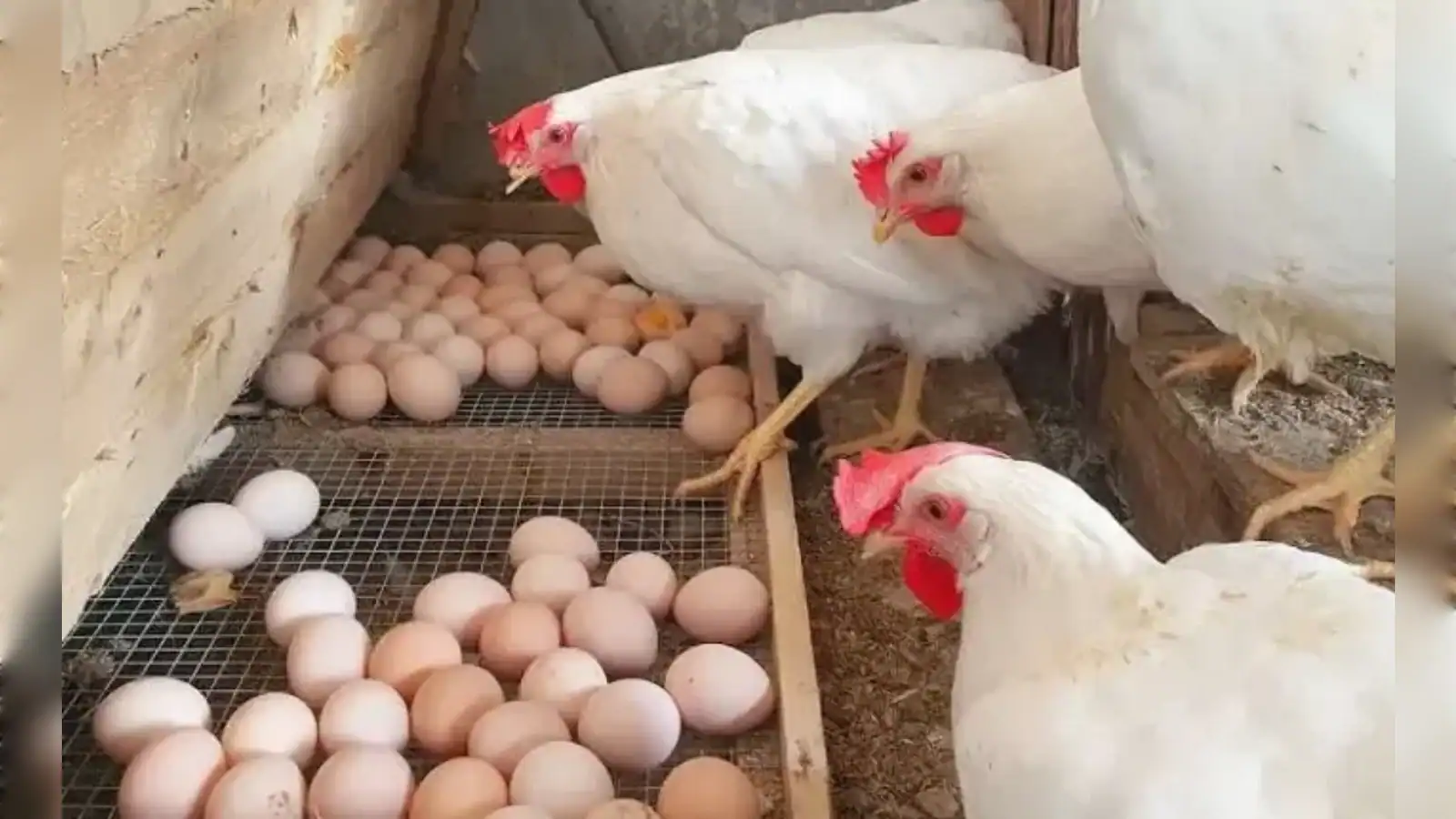
Saudi Arabia Bans Poultry, Egg Imports from Nigeria, 39 Other Countries
The Saudi Food and Drug Authority (SFDA) has imposed a full ban on poultry meat and table egg imports from 40 countries, including Nigeria and South Africa, while introducing partial restrictions on specific regions in 16 other countries. The measure aims to protect public health, prevent the spread of animal-borne diseases, and ensure food safety in the Kingdom’s domestic market.
The SFDA stated that the list of affected countries is regularly reviewed based on global health developments and epidemiological updates. Some bans have been in place since 2004, while others were introduced gradually following risk assessments and international disease reports, particularly concerning highly pathogenic avian influenza.
The full ban covers poultry and table egg imports from Afghanistan, Azerbaijan, Germany, Indonesia, Iran, Bosnia and Herzegovina, Bulgaria, Bangladesh, Taiwan, Djibouti, South Africa, China, Iraq, Ghana, Palestine, Vietnam, Cambodia, Kazakhstan, Cameroon, South Korea, North Korea, Laos, Libya, Myanmar, the United Kingdom, Egypt, Mexico, Mongolia, Nepal, Niger, Nigeria, India, Hong Kong, Japan, Burkina Faso, Sudan, Serbia, Slovenia, Côte d’Ivoire, and Montenegro.
READ ALSO:
- Suspected Lakurawa Terrorists Attack Mosque in Kebbi, Kill Five Worshippers
- Tinubu Charges Acting IGP Tunji Disu to End Impunity, Rebuild Public Trust in Police
- False Rape Claim: Ogun Police Release TikToker Mirabel to Women Affairs
Partial restrictions apply to specific states or cities in Australia, the United States, Italy, Belgium, Bhutan, Poland, Togo, Denmark, Romania, Zimbabwe, France, the Philippines, Canada, Malaysia, Austria, and the Democratic Republic of Congo, reflecting targeted measures based on regional disease risk.
The SFDA clarified that heat-treated or properly processed poultry and egg products are exempt from the ban if they comply with approved health and safety standards and carry official certification. The Kingdom requires that imported products undergo treatments that eliminate potential viruses such as avian influenza and Newcastle disease before entering Saudi markets.
Officials emphasized that the precautionary steps are part of Saudi Arabia’s broader strategy to monitor and respond to global disease outbreaks and safeguard consumers. By controlling poultry imports, the Kingdom aims to strengthen its domestic food safety system and mitigate the risk of animal-to-human disease transmission.
The updated measures highlight the Kingdom’s rigorous approach to food safety, sending a clear signal to exporters that compliance with international health standards is essential for continued access to Saudi markets.
Saudi Arabia Bans Poultry, Egg Imports from Nigeria, 39 Other Countries











News
Tinubu Declares End to “Broken Revenue System”, Unveils New Economic Reforms
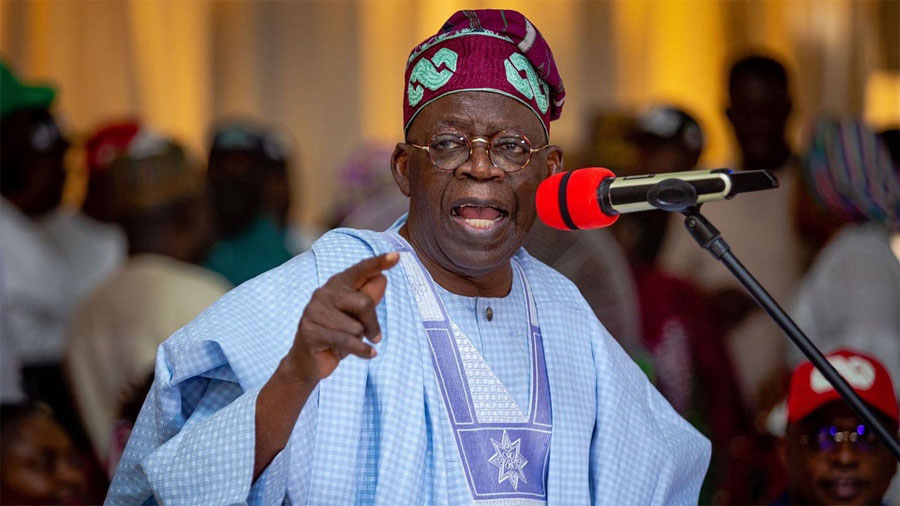
Tinubu Declares End to “Broken Revenue System”, Unveils New Economic Reforms
President Bola Ahmed Tinubu has declared that Nigeria has entered a new phase of economic transformation, insisting that the country will no longer operate a “broken, inefficient and unfair revenue system” as his administration intensifies fiscal and tax reforms.
Tinubu made the remarks in Abuja during the commissioning of the Nigerian Revenue Service (NRS) headquarters, where he reaffirmed that ongoing reforms are aimed at strengthening Nigeria’s tax system, improving revenue generation, and restoring public confidence in governance.
He described the reforms as a “covenant with Nigerians,” stressing that they are not political rhetoric but a deliberate effort to rebuild the country’s economic foundations and ensure long-term stability.
According to him, Nigeria is gradually transitioning “from uncertainty to renewed hope” through structural reforms designed to improve efficiency, fairness, and transparency in revenue administration.
The President emphasized that no country can achieve sustainable development with a weak fiscal structure, adding that his administration deliberately embarked on overhauling the system to eliminate leakages, improve compliance, and ensure that national revenue is effectively deployed for development.
READ ALSO:
- JAMB 2026: Police Dismiss Threat Rumours, Deploy Nationwide Security for UTME Centres
- Akpabio: Insecurity in Nigeria Will End Two Weeks After Elections
-
Fresh Boko Haram Attack Leaves Colonel, Six Soldiers Dead in Borno
“No nation achieves lasting prosperity on a weak and fragmented revenue system,” Tinubu said, adding that government must earn public trust through a fair and transparent tax structure.
He noted that the reforms are focused on simplifying tax processes, reducing distortions, and creating a more investment-friendly environment that encourages both local and foreign investors.
Tinubu also highlighted early signs of progress, pointing to improvements in fiscal stability, stronger reserves, and increased investor confidence as indicators that the reforms are beginning to yield results.
He attributed these gains to what he called “deliberate policy choices and national discipline,” insisting that the government remains committed to long-term structural changes rather than short-term economic fixes.
The President described the newly commissioned NRS headquarters as a symbol of institutional renewal and administrative efficiency, noting that it represents more than just a physical structure.
“This building is more than concrete and steel. It is a symbol of professionalism, transparency, efficiency and service delivery,” he said.
READ ALSO:
- ‘If Nigeria Fails, We All Feel It’ – Mahama Raises Alarm Over Insecurity
- Shari’ah Council Denies Viral Prayer Claim, Reiterates Call for INEC Chairman’s Removal
- Six Months Enough to End Insecurity in Nigeria If … – Ndume
Tinubu also tasked the Nigerian Revenue Service with evolving beyond revenue collection into a trust-building institution that reflects accountability and fairness in its operations. He stressed that taxpayers must see clear value for their contributions through improved public services and national development.
“The Nigerian Revenue Service must not only collect revenue, it must build trust,” he said, adding that institutions must demonstrate integrity and responsiveness to citizens.
He further acknowledged the challenges associated with economic reforms, noting that while such policies may cause short-term hardship, they are necessary for long-term prosperity and national stability.
Tinubu urged Nigerians to remain patient and supportive of ongoing reforms, saying sustainable development requires shared sacrifice and collective commitment.
The President also reiterated that Nigeria’s future depends on deliberate policy choices and strong institutions capable of driving inclusive growth and global competitiveness.
“We have chosen reform, we have chosen discipline, we have chosen progress,” he said. “We will stay the course until the promise of Nigeria is matched by the performance of its institutions.”
The commissioning of the NRS headquarters marks a key milestone in the federal government’s broader economic reforms in Nigeria, particularly in tax administration and public finance management, as authorities push to diversify revenue sources beyond oil dependence.
Tinubu Declares End to “Broken Revenue System”, Unveils New Economic Reforms
News
JAMB 2026: Police Dismiss Threat Rumours, Deploy Nationwide Security for UTME Centres
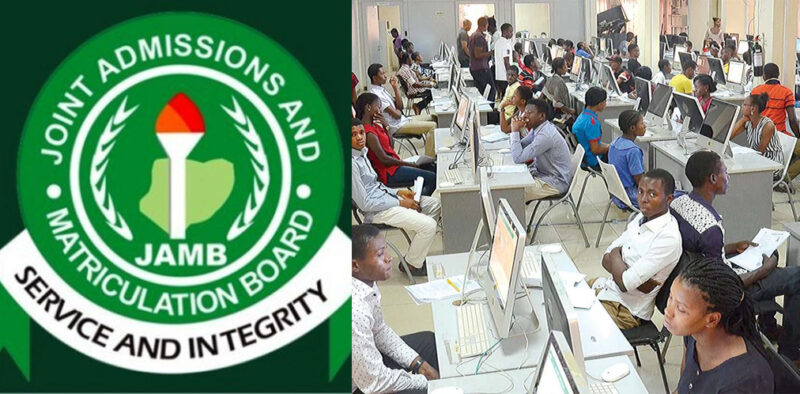
JAMB 2026: Police Dismiss Threat Rumours, Deploy Nationwide Security for UTME Centres
The Nigeria Police Force has ramped up security preparations ahead of the 2026 Unified Tertiary Matriculation Examination (UTME), dismissing circulating reports of threats to candidates as false while deploying personnel and rapid response teams across the country.
In a statement issued on Tuesday, the Force spokesman Olumuyiwa Adejobi said the police were aware of “recent unfounded rumours” concerning the safety of examination centres, particularly in parts of the North-Central region. He stressed that the claims lack credibility and should be disregarded by the public.
According to the police, there is no verified intelligence pointing to planned attacks on UTME centres. However, the Force noted that concerns raised by Nigerians—especially regarding the safety of candidates—have been taken seriously, prompting proactive measures to ensure a secure environment nationwide.
To guarantee security at UTME centres, the police confirmed the deployment of both overt and covert personnel, including rapid response teams, patrol units, and surveillance operatives positioned strategically across examination venues. These efforts are aimed at preventing disruptions and ensuring a smooth conduct of the examination.
READ ALSO:
- Akpabio: Insecurity in Nigeria Will End Two Weeks After Elections
- Fresh Boko Haram Attack Leaves Colonel, Six Soldiers Dead in Borno
- ‘If Nigeria Fails, We All Feel It’ – Mahama Raises Alarm Over Insecurity
The UTME, organised by the Joint Admissions and Matriculation Board, is scheduled to commence on April 16, 2026. As one of the most critical examinations in Nigeria, the JAMB 2026 UTME will see hundreds of thousands of candidates sit for entry into tertiary institutions nationwide.
The police further disclosed ongoing collaboration with other security agencies to strengthen intelligence gathering and response coordination. Authorities warned that any individual or group attempting to disrupt the examination process would be identified and dealt with decisively.
Candidates and parents were reassured of adequate security during JAMB exams, with advice for candidates to arrive early at their centres, comply with all examination regulations, and promptly report any suspicious activity to security personnel.
The Force also cautioned against spreading misinformation, emphasizing that fake security alerts could create panic and undermine public confidence. Nigerians were urged to rely solely on verified updates from the police and JAMB.
Reaffirming its commitment, the Nigeria Police stated that safeguarding lives, property, and national activities remains a top priority, assuring the public of a peaceful and orderly examination process across the country.
JAMB 2026: Police Dismiss Threat Rumours, Deploy Nationwide Security for UTME Centres
News
Akpabio: Insecurity in Nigeria Will End Two Weeks After Elections
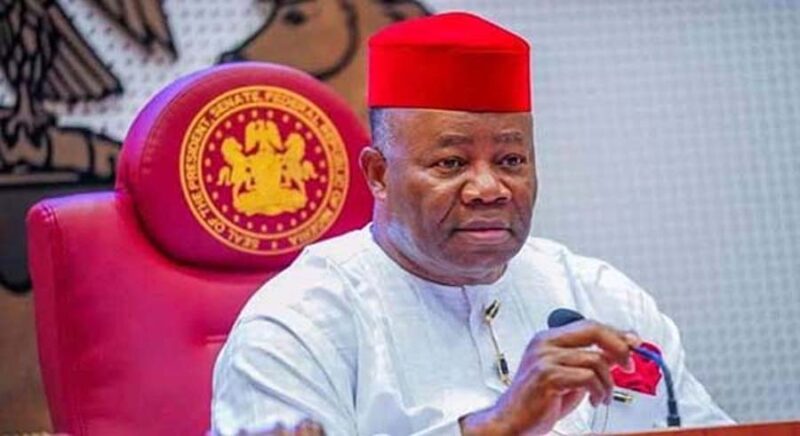
Akpabio: Insecurity in Nigeria Will End Two Weeks After Elections
Senate President Godswill Akpabio has attributed Nigeria’s rising insecurity to political activities ahead of upcoming elections, expressing confidence that the situation will subside shortly after the polls. Speaking on Tuesday in Abuja at the commissioning of the Nigerian Revenue Service (NRS) Corporate Headquarters, Akpabio said the surge in violence is being driven by individuals allegedly sponsoring unrest due to desperation linked to the electoral process.
According to him, Nigeria insecurity, election violence, and political unrest are interconnected, stressing that the trend will reverse once elections are concluded. He stated that within two weeks after the elections, insecurity across the country would significantly reduce, insisting that those behind the acts are politically motivated. His comments come amid growing concerns over banditry in Nigeria, terrorism, and kidnappings, which continue to affect several regions.
Akpabio also strongly defended the administration of President Bola Ahmed Tinubu, saying the government is making progress despite criticism. He argued that opponents of the administration, unable to counter its performance, are resorting to sponsoring instability. The Senate President urged Nigerians to remain patient, noting that ongoing reforms under the current government would yield positive results.
READ ALSO:
- Fresh Boko Haram Attack Leaves Colonel, Six Soldiers Dead in Borno
- ‘If Nigeria Fails, We All Feel It’ – Mahama Raises Alarm Over Insecurity
- Shari’ah Council Denies Viral Prayer Claim, Reiterates Call for INEC Chairman’s Removal
Taking a swipe at the opposition, Akpabio suggested that it is fragmented and lacks direction. In an apparent reference to Peter Obi, he criticised what he described as political inconsistency, claiming that opposition figures are abandoning their platforms while blaming the ruling party for the country’s challenges.
The Senate President also used the occasion to commend the Executive Chairman of the NRS, Zacch Adedeji, describing him as a tax administrator widely accepted by Nigerians. He noted that unlike traditional perceptions of tax officials, Adedeji has earned public trust and is driving reforms in the country’s revenue system.
The high-profile event was attended by top government officials, including Deputy Senate President Jibrin Barau, Speaker of the House of Representatives Tajudeen Abbas, Deputy Speaker Benjamin Kalu, Secretary to the Government of the Federation George Akume, and National Security Adviser Nuhu Ribadu. Several governors were also present, including Babagana Zulum, Charles Soludo, Caleb Mutfwang, Hope Uzodimma, and Usman Ododo.
The newly commissioned Nigerian Revenue Service headquarters is described as a world-class facility designed to enhance tax administration in Nigeria and boost revenue generation. The complex features three towers spanning 16 floors, with capacity to accommodate about 3,000 personnel. The development follows the signing of the Nigeria Revenue Service (Establishment) Act in June 2025 by President Tinubu, transforming the former FIRS into the NRS as part of broader economic reforms in Nigeria.
Akpabio’s remarks have sparked debate among analysts and stakeholders, with many questioning the claim that insecurity is largely politically sponsored. While the Senate President maintains that the end of elections will bring relief, experts argue that addressing Nigeria security challenges requires deeper structural reforms beyond the political cycle.
Akpabio: Insecurity in Nigeria Will End Two Weeks After Elections

-
 metro3 days ago
JUST IN: FG Publishes List of 48 Individuals, Groups Linked to Terrorism Financing in Nigeria
-

 metro2 days ago
BREAKING: Troops Arrest 15-Year-Old Linked to Killing of Gen Braimah in Borno
-

 metro2 days ago
Fayose Warns Makinde May Query Olubadan Over Absence at Ibadan Coronation Event
-
 metro2 days ago
Zulum Defends NAF Airstrike, Says Jilli Market Closed Five Years Ago
-
 metro2 days ago
BREAKING: 56 Killed in Accidental Bombing at Borno–Yobe Border Market
-

 Railway2 days ago
FG pushes high-speed train, expands rail links to seaports
-

 Politics2 days ago
Lagos 2027: APC Succession War Intensifies as Tinubu Reportedly Backs Hamzat
-

 metro2 days ago
Police Arrest Suspect Over Fake Job Interview Robbery in Magodo