

metro
Senate Bill Requiring Social Media Offices in Nigeria Gains Stakeholder Support at Public Hearing

Senate Bill Requiring Social Media Offices in Nigeria Gains Stakeholder Support at Public Hearing
The Nigerian Senate’s legislative push to compel social media platforms operating in the country to establish physical offices received significant acceleration on Thursday, as the majority of stakeholders at a public hearing endorsed the proposal, while also backing a separate bill for the establishment of an Artificial Intelligence Academy in Ekiti State.
The public hearing, organised by the Senate Committee on ICT and Cyber Security at the National Assembly in Abuja, provided a platform for robust debate on two landmark bills that seek to position Nigeria as a competitive player in the global digital economy. The first bill, sponsored by Senator Ned Nwoko (APC, Delta North), is titled: “A Bill for an Act to Alter the Nigeria Data Protection Act 2023 to Mandate the Establishment of Physical Offices within the Territorial Boundaries of the Federal Republic of Nigeria by Social Media Platforms and for other related matters”. The second bill, sponsored by Senator Yemi Adaramodu (Ekiti South), seeks to establish an Artificial Intelligence Academy in Omuo-Ekiti, Ekiti State, to serve as a centre of excellence for AI education, research and innovation.
In his opening address, the Chairman of the Senate Committee on ICT and Cyber Security, Senator Shuaib Afolabi Salisu (Ogun Central), explained that while the social media bill was designed to strengthen Nigeria’s digital ecosystem and improve regulatory engagement with global technology companies, the AI Academy bill seeks to provide a hub for artificial intelligence research and development. The President of the Senate, Godswill Akpabio, who was represented by the Deputy Senate Leader, Senator Lola Ashiru (Kwara South), described the two bills as forward-looking and nationally significant legislative proposals that reflect the Senate’s enduring commitment to improved lawmaking and good governance. He specifically declared that the bill seeking to mandate social media platforms to establish physical offices is not intended to stifle innovation but to enhance accountability and their contribution to the country’s economy.
READ ALSO:
- Army Declares Soldier Wanted Over Alleged Sale of Military Uniforms to Terrorists
- Igboho Launches Iru Ekun Security Network in Kwara, Vows to Reclaim Forests from Bandits
- Trackers, Profiling as FG Unveils Special Guards to Secure Coastal Highway
Senator Nwoko, in his submissions at the public hearing, offered strong assurances that the bill is neither punitive nor hostile to innovation. “This bill is neither punitive nor hostile to innovation. It is not designed to frustrate investment or discourage technology companies from operating in Nigeria. On the contrary, it seeks to deepen their engagement with Nigeria by encouraging them to become true corporate citizens of our country,” he stated. The lawmaker argued that requiring physical presence by operators of social media platforms is a common practice in other countries that are even smaller in size and population than Nigeria. He noted that around the world, major technology companies have established headquarters, regional offices, engineering centres and operational hubs in countries such as the United Kingdom, the Netherlands, Spain, Singapore, India, the United Arab Emirates, South Africa, Brazil, Australia and Japan. Some of these companies maintain multiple offices within the same country. For instance, Meta operates major facilities in Dublin, Cork and Clonee in Ireland, while its United Kingdom operations span King’s Cross and Brock Street in London. Google maintains multiple offices in London, Dublin, Sydney, São Paulo, Munich and Tokyo, with more than one campus in several of those cities. These offices perform diverse functions ranging from engineering and artificial intelligence research to legal and regulatory compliance, public policy, advertising, trust and safety, cloud services, sales, customer support and product development. Nwoko noted that these countries did not attract such investments by accident, but recognised early that the digital economy is now as important as the traditional economy. By encouraging global technology companies to establish local operations, they have created employment, expanded tax revenues, strengthened regulatory engagement, promoted innovation and encouraged technology transfer to their citizens.
The lawmaker pointed to Ireland as an example, noting that the presence of companies including Meta, Google, LinkedIn, TikTok and X had transformed the country into one of Europe’s leading technology hubs. These companies employ thousands of professionals, contribute substantially to the Irish economy and work directly with regulators and government institutions. The presence of these companies has also helped develop local technology talent, stimulate innovation and attract further foreign investment. “The question therefore is simple: if countries with significantly smaller populations and digital markets than Nigeria have secured these investments and benefits, why should Nigeria continue to stand on the sidelines? Why should Africa’s largest digital market not enjoy the same opportunities?” he asked.
While the proposal received overwhelming support from many stakeholders, there were also dissenting voices. The Chairman of the Practitioners of Content Creating, Influencers and Skit Makers Guild of Nigeria, Obinna Nwanfo, strongly backed the bill, stating that many social media platforms often have policies unfavourable to content creators, making it difficult to resolve complaints relating to the loss of followers and account restrictions. However, the Nigerian Bar Association (NBA) and the Nigeria Internet Registration Association (NIRA) expressed concerns. The President-elect of the NBA, Oyinkansola Badejo-Okusanya, advised the committee to amend the bill to require platforms to appoint local representatives instead of mandating physical offices, recommending that the proposed 30-day compliance timeline be extended to at least 180 days. Similarly, NIRA’s Chief Operating Officer, Seyi Onasanya, suggested that requiring physical offices alone would not be sufficient, and that the government should require platforms to host their data on Nigeria’s domain or within the country’s jurisdiction. Other organisations that participated in the public hearing included Paradigm Initiative, the Nigerian Youths of Social Media Analysts, Digital Civic, the Middle Belt Youth Congress and the Nigerian Female Youth Organisation. Meanwhile, the African Democratic Congress (ADC) has opposed the bill, describing it as an attempt by the Federal Government to silence Nigerians ahead of the 2027 general election. The Socio-Economic Rights and Accountability Project (SERAP) also asked the National Assembly to withdraw the bill, warning that it could lead to the exclusion or shutdown of social media platforms and violate the rights of millions of Nigerians.
The Senate Committee on ICT and Cyber Security is expected to review stakeholder submissions and make recommendations for further legislative consideration before presenting its report to the Senate. The committee’s decision will determine whether the bill proceeds to the next stage of the legislative process.
Senate Bill Requiring Social Media Offices in Nigeria Gains Stakeholder Support at Public Hearing










metro
Horror in Sokoto: Bandits Intercept Vehicle, Massacre All Passengers Returning from City
Horror in Sokoto: Bandits Intercept Vehicle, Massacre All Passengers Returning from City
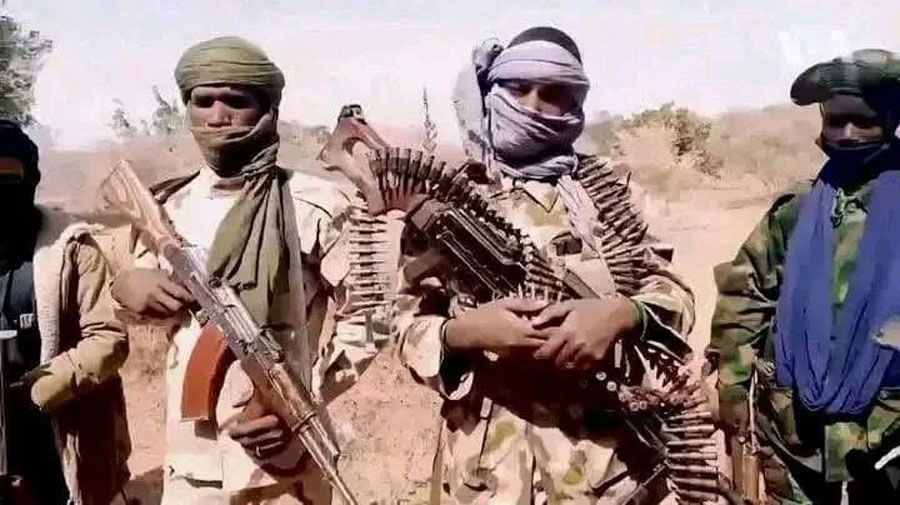
SOKOTO — In a gruesome escalation of insecurity in the North-West, armed bandits have reportedly intercepted a vehicle and killed all passengers on board along a road leading to the Isa Local Government Area of Sokoto State.
According to reports, the tragic incident occurred as the vehicle, a commercial transport conveying passengers, was returning from Sokoto city. The assailants, described as heavily armed, ambushed the vehicle, forcing it to a halt before opening fire on the occupants.
The incident was disclosed by Bakatsine, a conflict reporter covering northwestern Nigeria, who shared information about the attack and photographs of some of the deceased . According to the report, some of the victims were reportedly among the 3,000 people recruited by the Sokoto State Government who had been invited to Sokoto city for further screening and the collection of their documents . The passengers were said to have been travelling back home when the armed men intercepted their vehicle and opened fire on them.
The exact number of people killed in the attack has yet to be confirmed, and there has been no official confirmation from Nigerian authorities as of the time of reporting . Although photographs of some of the deceased have circulated following the incident, the total number of victims and their identities have yet to be independently established .
The attack highlights the persistent security challenges plaguing the region, where bandits frequently target highways and rural communities. Isa Local Government Area, which shares a border with Zamfara State, has been a notorious flashpoint for such criminal activities, including kidnapping, cattle rustling, and highway ambushes.
The reported killing also comes amid continuing concerns over attacks on civilians in other parts of northern Nigeria, particularly in communities affected by insurgency and banditry . Residents of the affected area have expressed deep grief and outrage over the continuous loss of lives, urging security agencies to intensify patrols along the Sokoto-Isa road and other vulnerable routes.
When contacted, the Sokoto State Police Command Public Relations Officer promised to provide details of the incident, stating that operatives have been deployed to the area to ascertain the facts and restore normalcy.
The mass killing underscores the urgent need for enhanced security measures to protect travelers and rural dwellers in Sokoto State and the broader North-West region. NewsTrends will continue to monitor the situation and provide updates as more information becomes available.
Horror in Sokoto: Bandits Intercept Vehicle, Massacre All Passengers Returning from City
metro
Bauchi Mosque Removes Imam After Tinubu Campaign, Rejects Proposal to Rename Mosque
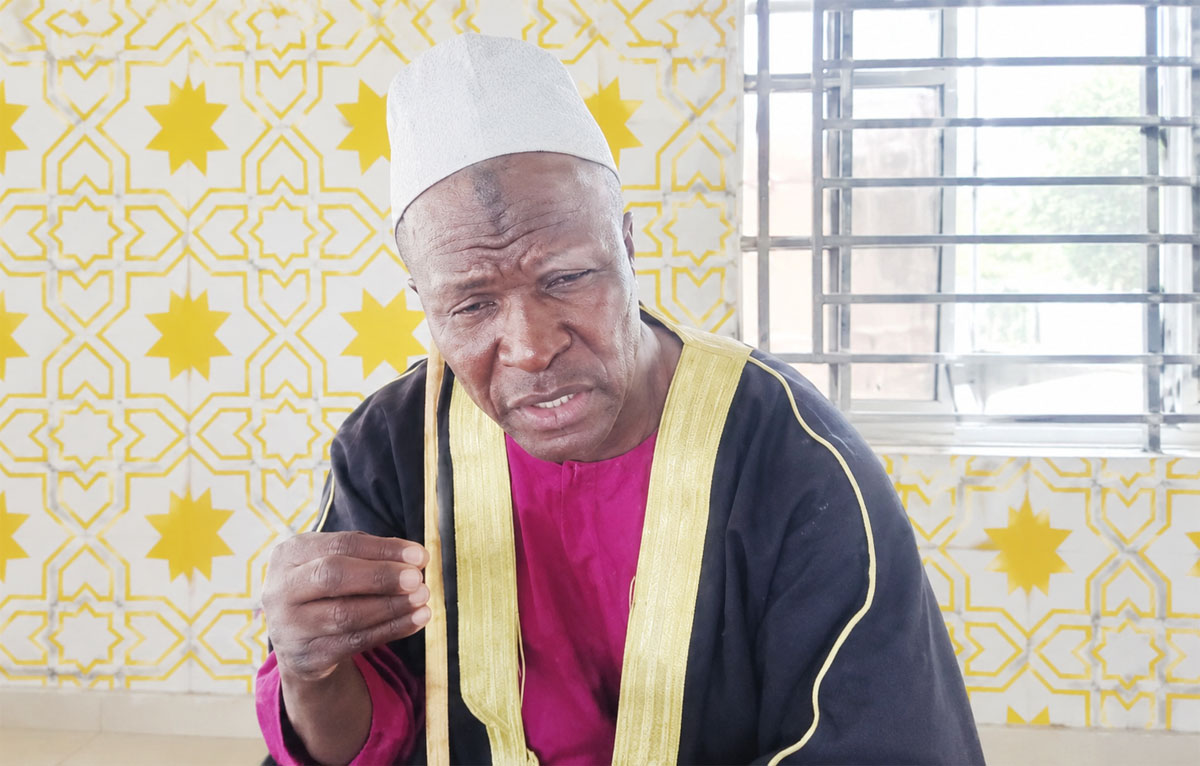
A mosque committee in Bauchi metropolis has removed Imam Dahiru Abubakar after he repeatedly urged worshippers to support President Bola Ahmed Tinubu’s re-election bid in 2027, triggering a dispute over the use of religious institutions for partisan political activities.
Abubakar served as the imam of Masjid Abdullahi Bin Zubbair in Madina Quarters, Bauchi, where he reportedly used sermons delivered after obligatory prayers to defend Tinubu’s administration against criticism over insecurity and economic hardship.
The cleric argued that the country’s challenges should not be blamed entirely on the President, describing insecurity and economic difficulties as problems requiring divine intervention, prayer and greater fear of God.
He also urged worshippers to give Tinubu another opportunity in the 2027 presidential election, maintaining that the country’s problems could not be resolved simply by blaming political leaders.
The disagreement reportedly intensified after Abubakar repeated his political messages following the early morning Subhi prayer on Sunday, October 18, 2026, despite previous warnings from the mosque committee.
Abubakar defended his position, saying his preaching was intended to encourage Nigerians to pray for the country rather than continually blame leaders for its difficulties.
“My preaching centred on telling people to embrace fear of God and stop blaming leaders for the insecurity,” he said, according to reports.
He cited security challenges in other African countries, including Sudan, Chad and Mali, questioning whether Tinubu could be held responsible for crises in those nations.
The imam maintained that he had encouraged worshippers to stop criticising Tinubu over insecurity and economic hardship and to support his administration for another term.
However, the mosque committee said the decision to remove him was not based solely on his political views but also on his alleged attempts to turn the mosque into a venue for political gatherings.
The committee’s chairman, Imam Abubakar Jibrin, confirmed the removal, explaining that the management had cautioned Abubakar several times against bringing partisan political activities into the mosque.
Jibrin alleged that the imam had been gathering people inside and outside the mosque to discuss politics despite repeated warnings. He said the committee considered the practice inappropriate for a place primarily dedicated to worship.
“We vehemently rejected the use of the mosque for political meetings,” Jibrin said, adding that the committee had repeatedly appealed to the imam to stop the practice.
According to the chairman, the committee’s position was that political meetings and campaign activities should take place at designated political venues rather than within mosque premises.
Jibrin also disclosed that the committee had convened discussions to address the matter before deciding to remove Abubakar. He indicated that the decision was final and that the former imam would not be reinstated.
Another major point of disagreement was the reported proposal to rename the mosque after Tinubu.
Jibrin said Abubakar had pushed for the mosque’s name to be changed from Masjid Abdullahi Bin Zubbair to Masjid Imam Bola Ahmed Tinubu. The committee unanimously rejected the proposal, insisting that the mosque belonged to the community and that its name should remain unchanged.
The chairman maintained that the committee was not campaigning for or against any presidential candidate but was determined to prevent the mosque from becoming a platform for partisan political mobilisation.
He suggested that anyone wishing to use a mosque exclusively for political activities should establish or acquire a separate facility rather than impose such an agenda on a community-owned place of worship.
The development has drawn attention to the debate over the role of religious leaders in Nigeria’s political process as preparations for the 2027 general elections gather momentum.
While religious leaders have the right to discuss governance and national challenges, the Bauchi incident highlights the tensions that can arise when sermons are perceived as direct endorsements of a political candidate.
Tinubu’s re-election ambition has generated differing reactions among religious leaders and political groups, with supporters defending his administration and critics pointing to insecurity, economic hardship and the rising cost of living.
The Bauchi mosque committee’s decision reflects its stated position that the mosque should remain focused on worship rather than serve as a venue for political meetings or campaign activities.
For Abubakar, however, his defence of Tinubu was rooted in his belief that prayer and faith were essential to addressing Nigeria’s challenges and that the President should not be blamed for every difficulty confronting the country.
The dispute leaves the mosque’s management and the former imam with sharply different views about the boundaries between religious preaching, political expression and the administration of community-owned places of worship.
Bauchi Mosque Removes Imam After Tinubu Campaign, Rejects Proposal to Rename Mosque
metro
Shettima Blasts States Over Power Woes, Says Govs Must Stop Waiting for Abuja
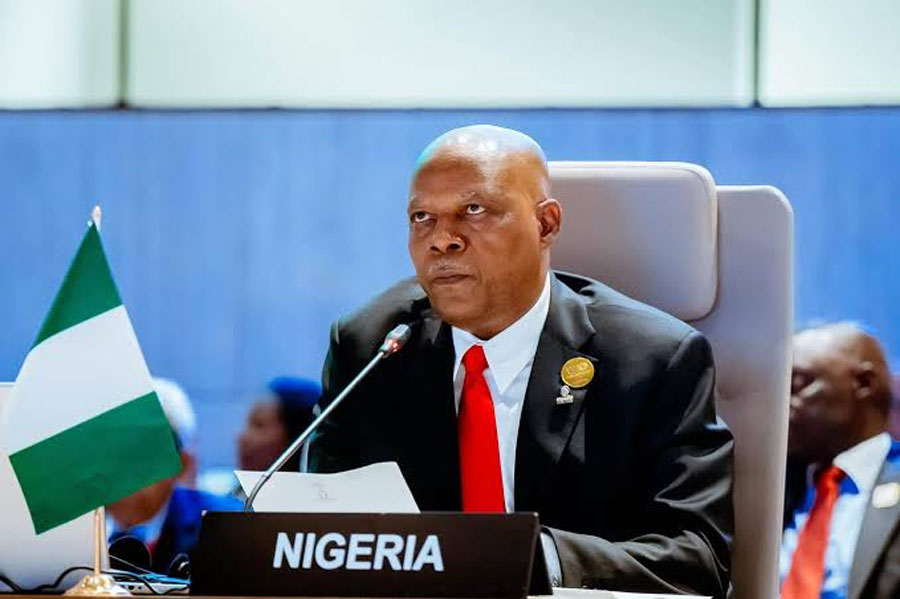
Shettima Blasts States Over Power Woes, Says Govs Must Stop Waiting for Abuja
Vice-President Kashim Shettima has challenged state governments to take responsibility for addressing electricity problems in their jurisdictions, urging them to stop depending on the Federal Government for solutions and establish functional power markets.
Shettima made the call on Wednesday while declaring open the National Stakeholders’ Workshop on the Electricity Act 2023 at the State House Banquet Hall, Presidential Villa, Abuja.
Represented by the Deputy Chief of Staff to the President, Senator Ibrahim Hadejia, the Vice-President said Nigeria’s ambition to build a competitive industrial economy would remain constrained unless electricity reforms delivered reliable power to businesses, households and public institutions.
He said the Electricity Act 2023 had created an opportunity for states to decentralise electricity governance and develop power markets that reflect their economic needs and available energy resources.
“Electricity supply must become a shared responsibility, pursued with innovation and accountability across the Federation. Our States must shed the habit of waiting for Abuja to provide every answer,” he said.
Shettima identified the country’s diverse energy resources as an opportunity for states to expand electricity access and attract investment. He cited the solar energy potential of Sokoto, Borno and Katsina states, the gas resources of Delta, Rivers and Bayelsa states, and the hydroelectric opportunities in Niger and Kebbi states.
READ ALSO:
- Fourth Gas Leak in Six Months: Over 100 Ogun Pupils Hospitalised, Schools Shut as Parents Panic
- Nigerian Journalist Sentenced to 4 Years Over Facebook Post Criticising Police
- Hyundai Unveils Mufasa, Grand Creta SUVs to Strengthen Nigeria Line-up (Updated)
He urged governors to harness these resources to support agriculture, manufacturing, healthcare, education and other economic activities.
The Vice-President also warned that passing laws alone would not improve electricity supply, insisting that states must establish the institutions needed to regulate and manage their electricity markets effectively.
“Legislation cannot implement itself. States yet to act must begin their legislative and institutional preparations promptly. They need to establish functional electricity regulatory bodies with technical competence and capacity,” he said.
To accelerate implementation, Shettima proposed a voluntary National Electricity Reform Peer Review and Implementation Framework involving the Nigerian Electricity Regulatory Commission (NERC), the Federal Ministry of Power, the Nigeria Governors’ Forum and state electricity regulators.
The proposed framework would allow states to exchange experiences, strengthen regulatory capacity and assess their progress in electricity market development, investment readiness, consumer protection and access to electricity.
He said periodic reviews would help identify implementation challenges, encourage technical assistance and enable states to learn from jurisdictions that had made progress, without undermining their constitutional powers.
Shettima further stressed that government funding alone could not finance the transformation required in the electricity sector, calling for greater participation by private investors.
He said transparent licensing procedures, predictable regulations, commercially viable electricity markets, investment safeguards and credible dispute-resolution mechanisms would help build investor confidence.
The Vice-President also called for stronger consumer protection, warning against arbitrary billing, poor service delivery and unfair commercial practices. He maintained that electricity operators must be held accountable for the quality of service provided to consumers.
“The final verdict on this law will be delivered wherever a Nigerian reaches for a switch,” he said, stressing that the success of the reforms should ultimately be measured by improvements in electricity supply and the daily lives of Nigerians.
Meanwhile, the Director-General of the Nigeria Governors’ Forum, Abdulateef Shittu, said the forum was working on a standard tariff framework for state electricity markets, with the aim of protecting consumers while encouraging investment.
The Head of Compliance at NERC, Hauwa Yakubu, disclosed that the commission had issued regulatory transfers to 17 states, allowing them to assume regulatory responsibilities for electricity markets within their territories.
She said the commission was supporting emerging state regulators through technical engagement and peer-to-peer training.
Signed into law by President Bola Ahmed Tinubu in June 2023, the Electricity Act 2023 provides a framework for states to regulate electricity generation, transmission and distribution within their jurisdictions, subject to the applicable constitutional and statutory provisions. The national regulator retains oversight of electricity matters that fall within federal jurisdiction.
The law is expected to encourage competition, attract investment and expand electricity access. However, its impact will depend on effective implementation, functioning regulatory institutions and the ability of state governments to develop sustainable electricity markets.
Shettima Blasts States Over Power Woes, Says Govs Must Stop Waiting for Abuja
-

 metro2 days ago
Army Major, Soldiers Killed in ISWAP Ambush in Yobe State
-

 metro1 day ago
‘We Don’t Know What Else to Do’ — Mother Begs for Release of Abducted Children
-
 metro1 day ago
Atiku: US Lobbying Firm Raises Alarm Over Alleged Assassination Plot
-
 metro2 days ago
Breaking: Afenifere Leader Pa Fasoranti Dies at 100
-

 metro1 day ago
Five Arraigned Over Kidnapping of 20 Prospective NYSC Members in Imo
-
 metro2 days ago
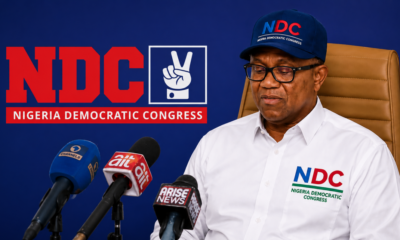
‘I Never Asked Them to Abandon Loved Ones’ — Obi Clarifies Diaspora Remarks
-

 Auto1 day ago
Beyond the Showroom: Why After-Sales Service Will Define Auto Industry Winners
-

 Auto1 day ago
Happening now: Hyundai unveiling of Mufasa and Grand Creta