
News
Soyinka, nine others bag Cambridge varsity honorary degrees
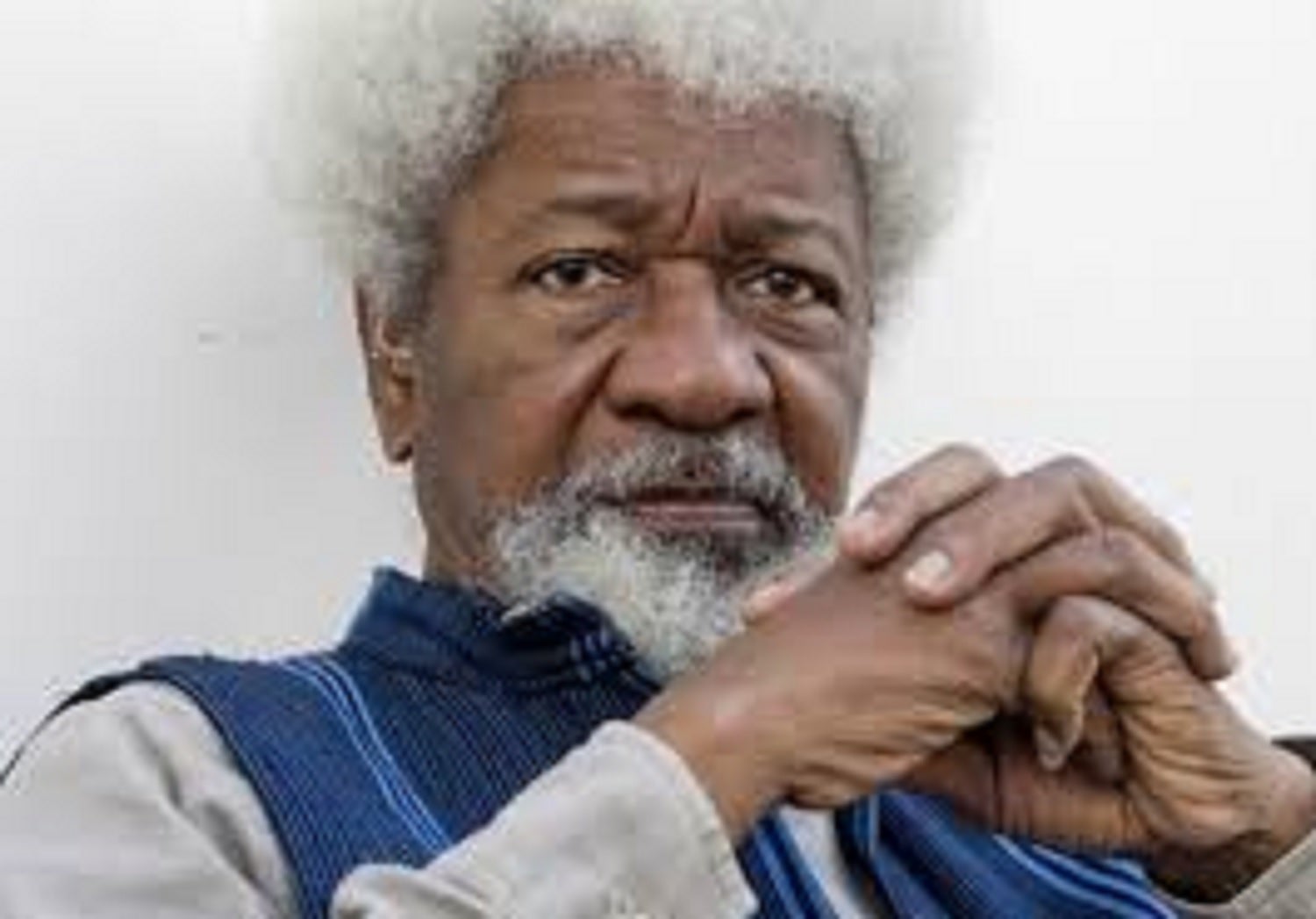
Nigerian Nobel Laureate, Professor Wole Soyinka, was, alongside nine others, conferred with a honorary degree from the University of Cambridge.
One of the most prestigious honours in the world, the Cambridge varsity honorary degree is bestowed upon people “who have made outstanding achievements in their respective fields,” the varsity’s official site noted.
The ceremony, which took place on Wednesday, was held at the varsity’s Senate House with over 400 staff, students and other guests in attendance.
Chancellor of the varsity, Lord Sainsbury of Turville, presided over the ceremony, which was conducted in Latin and English.
READ ALSO:
- Brave Ondo man fights robber attempting to rape wife, grabs gun
- Peter Obi Is Our Son But South East Will Vote For Atiku – Ekweremadu
- ASUU will call off four-month strike soon – Ngige
Soyinka, who is a playwright, poet, novelist and political activist, won the prestigious Nobel Prize in Literature in 1986.
He has held visiting appointments at higher institutions in Cambridge, Legon, Atlanta, and Yale.
Recipients of this year’s University of Cambridge’s honorary degree, asides Soyinka, include Ghanian philosopher, Professor Kwame Appiah; literary scholar, Professor Henry Louis Gates Jr; developmental biologist, Professor Edith Heard; music composer, Dr Judith Weir; and a Commander of the Order of the British Empire, Dr Ali Smith.
Other recipients, who are all professors, include mathematical physicist, Sir Roger Penrose; developmental biologist, Elizabeth Robertson; art historian, Simon Schama; and molecular biologist, John Walker.
Soyinka is presently a Professor Emeritus of Dramatic Literature of the Obafemi Awolowo University.
PUNCH







News
Iran Rules Out Participation in 2026 FIFA World Cup

Iran Rules Out Participation in 2026 FIFA World Cup
Tehran, March 11, 2026 – Iran has officially announced that it will not participate in the 2026 FIFA World Cup, citing security concerns and strained relations with the United States.
The announcement came from Ahmad Donyamali, Iran’s Sports Minister, who said the current circumstances make it impossible for the national team to compete. “Given that this corrupt government has murdered our leader, there are no conditions under which we can participate in the World Cup,” Donyamali stated. “Two wars have been imposed on us in the past eight or nine months, and several thousand of our citizens have been killed. Therefore, we have no chance of participating in this way.”
Iran had qualified for the tournament, which is scheduled to be co-hosted by the United States, Canada, and Mexico, with group stage matches set in U.S. cities such as Los Angeles and Seattle. The Iranian team was drawn into Group G, alongside Belgium, Egypt, and New Zealand.
FIFA President Gianni Infantino said Iran would have been welcomed to compete, and U.S. authorities confirmed the team would have been allowed entry. However, Iran’s leadership rejected participation, citing ongoing conflict and security concerns.
The withdrawal leaves FIFA with the task of determining how to fill Iran’s spot in the tournament and adjusting the group stage schedule accordingly. Officials are expected to make an announcement in the coming days.
This marks the first time Iran has voluntarily withdrawn from a World Cup after qualifying, highlighting the growing tensions in the region amid recent military and political escalations.
Iran Rules Out Participation in 2026 FIFA World Cup
News
FG Begins Evacuation of Nigerians from Iran, Escorts Citizens to Armenian Border

FG Begins Evacuation of Nigerians from Iran, Escorts Citizens to Armenian Border
Some Nigerians have been escorted out of Iran by officials of the Federal Government through the Nigerian Embassy in Tehran as part of efforts to ensure their safety amid rising tensions in the Middle East.
This was confirmed by the Chairman/CEO of the Nigerians in Diaspora Commission (NiDCOM), Abike Dabiri‑Erewa, who disclosed that Nigerian embassy officials are currently coordinating the movement of citizens willing to leave the country.
Dabiri-Erewa explained that the evacuees are being escorted from various locations in Iran to the border with Armenia, where they will await further arrangements for their return to Nigeria.
According to her, the evacuation became necessary following the escalating security situation in the region, which has raised concerns about the safety of foreign nationals, including Nigerians residing in Iran.
READ ALSO:
- Nigerian Midfielder Daniel Daga Jailed in Norway for Sexual Assault
- Quack Doctor Sentenced to Death for Murder in Ekiti
- Galatasaray Beat Liverpool 1–0 in Champions League Last‑16 First Leg
She noted that officials of the Nigerian Embassy are working round the clock to ensure that Nigerians who wish to leave the country are safely moved out of the conflict-prone areas.
The NiDCOM boss also assured that the Federal Government is closely monitoring the situation and is collaborating with relevant authorities to facilitate the safe evacuation and eventual return of the affected citizens.
Dabiri-Erewa further stated that no Nigerian casualty had been reported so far, adding that the government remains committed to protecting the welfare and safety of its citizens abroad.
The evacuation effort forms part of contingency measures being implemented by the Federal Government as tensions continue to rise in the Middle East, prompting several countries to make arrangements for the evacuation of their nationals from high-risk areas.
Meanwhile, Nigerian authorities have urged citizens in the affected region to remain in contact with the Nigerian Embassy and follow official directives as the evacuation process continues.
FG Begins Evacuation of Nigerians from Iran, Escorts Citizens to Armenian Border
News
Tinubu Orders Nationwide CNG Initiative to Curb Transport Expenses
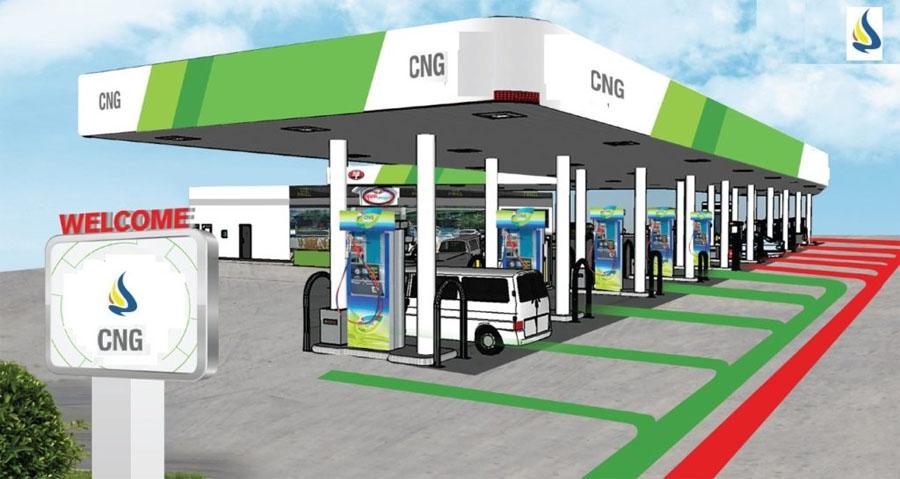
Tinubu Orders Nationwide CNG Initiative to Curb Transport Expenses
President Bola Ahmed Tinubu has directed the Presidential Initiative on Compressed Natural Gas (PiCNG) to immediately deploy 100,000 vehicle conversion kits nationwide, a bold move aimed at easing the burden of rising global fuel prices and promoting compressed natural gas (CNG) as a cheaper, cleaner alternative to petrol.
The directive was issued during a closed-door meeting between the president and PiCNG Executive Chairman Ismaeel Ahmed at the Presidential Villa, Abuja. Ahmed disclosed that the president requested updates on the initiative’s progress, particularly regarding measures to cushion Nigerians from the impact of fuel price volatility driven by tensions in the Middle East.
“The president is concerned about the effect of global petroleum price spikes on Nigerians. He has given a direct mandate to immediately deploy about 100,000 CNG conversion kits,” Ahmed said. The kits will allow vehicle owners, including cars and tricycles, to convert petrol engines to run on compressed natural gas, offering an affordable and environmentally friendly alternative.
READ ALSO:
- Middle East Conflict: FG Begins Evacuation of Nigerians from Iran
- Iran Rejects Ceasefire as Explosions Rock Tehran
- India, Other Countries Reject Tinubu’s Ambassadorial Nominees
The rollout is expected to begin within the next two to three weeks, with conversion centres nationwide becoming active as large-scale vehicle conversions commence. Ahmed noted that the initiative is also accelerating infrastructure development to support CNG and electric mobility, including the expansion of refuelling and charging stations across key transport corridors.
Currently, around 77 CNG refuelling stations are at various stages of development across Nigeria. Kano already operates two liquefied CNG stations, with additional daughter stations under construction. The infrastructure expansion covers major routes from Lokoja to Abuja, Kaduna, Zaria, Kano, and Maiduguri, ensuring broad access to alternative fuel.
The initiative also encourages the local assembly of CNG and electric vehicles through partnerships with domestic and international manufacturers. Collaboration with the Rural Electrification Agency is underway to deploy solar-powered charging stations in off-grid areas, supporting a clean energy transition.
President Tinubu emphasized that the PiCNG programme should deliver quick results, reducing transportation costs, improving mobility for Nigerians, and mitigating the impact of global fuel shocks on the economy.
Tinubu Orders Nationwide CNG Initiative to Curb Transport Expenses

-
 metro3 days ago
Viral Video Shows Man Disarming Robbers After Minna Bank Heist, ₦10m Stolen
-
 metro3 days ago
Tragedy in Ibadan as Woman, 26, Dies at Boyfriend’s Residence
-

 metro10 hours ago
Ikeja Electric Apologises to Customers Over Power Disruptions
-

 Business2 days ago
JUST IN: Dangote Refinery Cuts Petrol, Diesel Ex-Depot Prices Amid Market Relief
-

 metro3 days ago
Students Escape as Four-Storey School Building Collapses in Lagos
-
 News24 hours ago
India, Other Countries Reject Tinubu’s Ambassadorial Nominees
-

 Politics3 days ago
BREAKING: Zamfara Governor Dauda Lawal Defects from PDP to APC
-
 News3 days ago
OYOSUBEB Chairman Adeniran Joins 2027 Oyo Governorship Race